

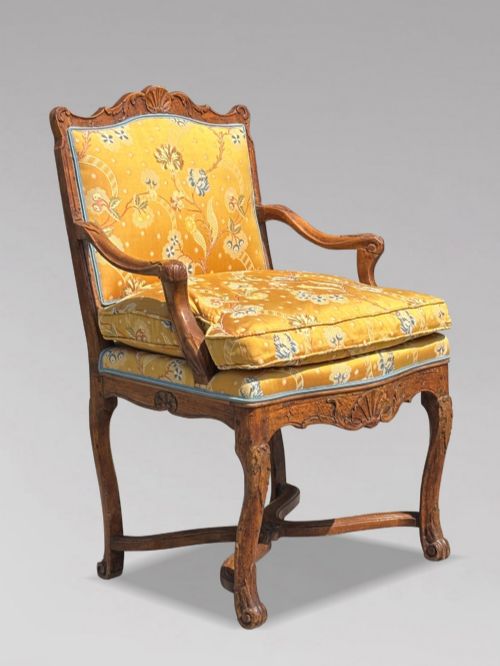
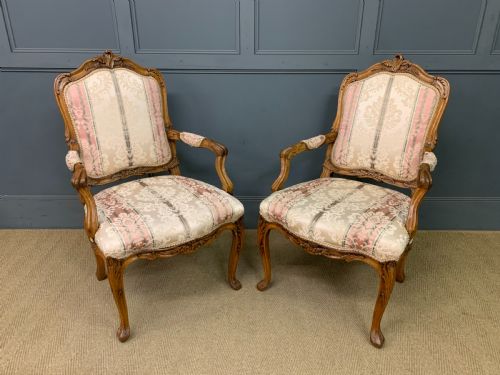
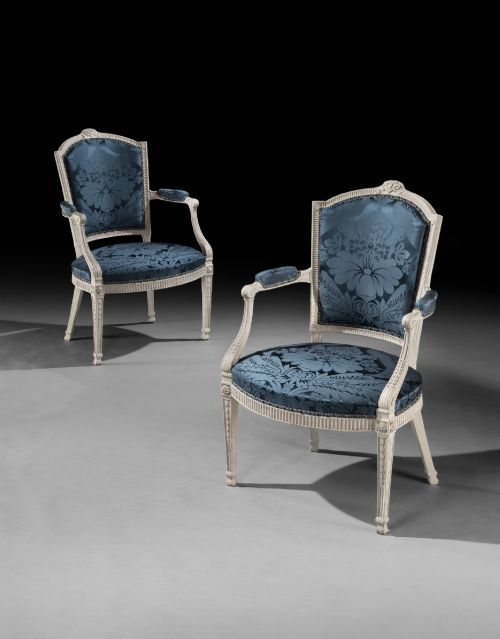
Antique Damask Armchair
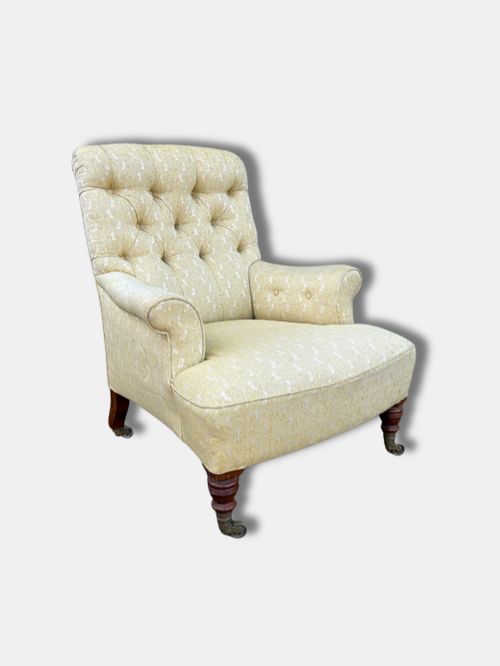
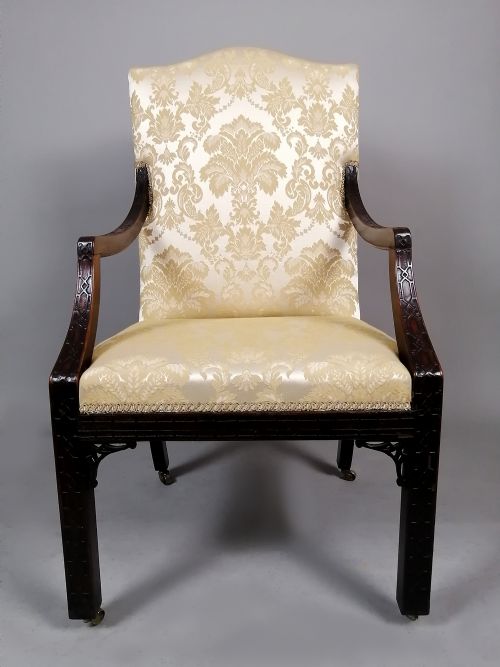
An antique damask armchair brings tactile presence into a room, offering patterned silk or wool upholstery set within a hardwood frame.
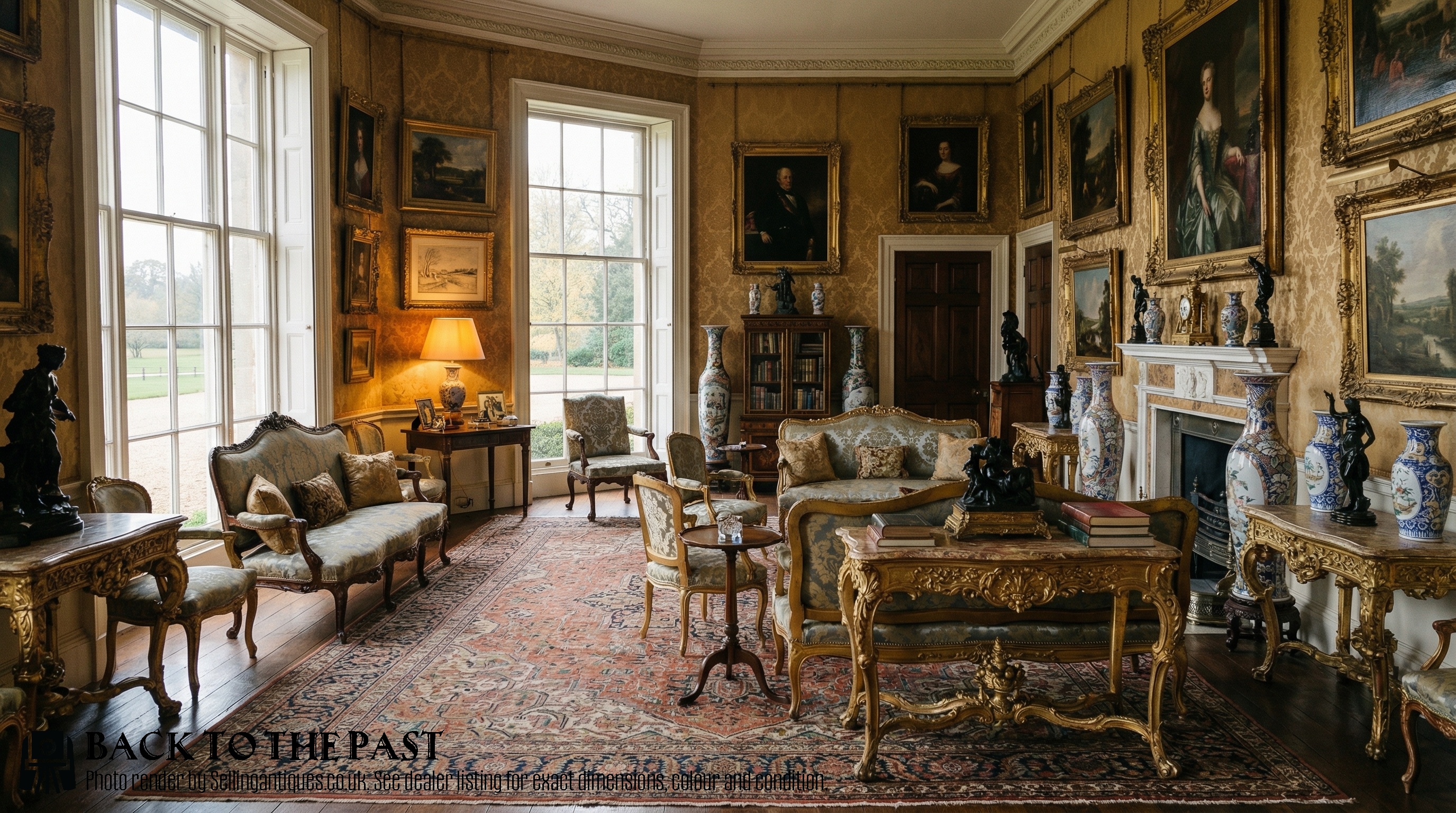
Antique Damask Armchair
When you search for an antique damask armchair, you encounter seating spanning the eighteenth, nineteenth, and early twentieth centuries, encompassing Georgian, Victorian, and Edwardian eras alongside continental revival styles.
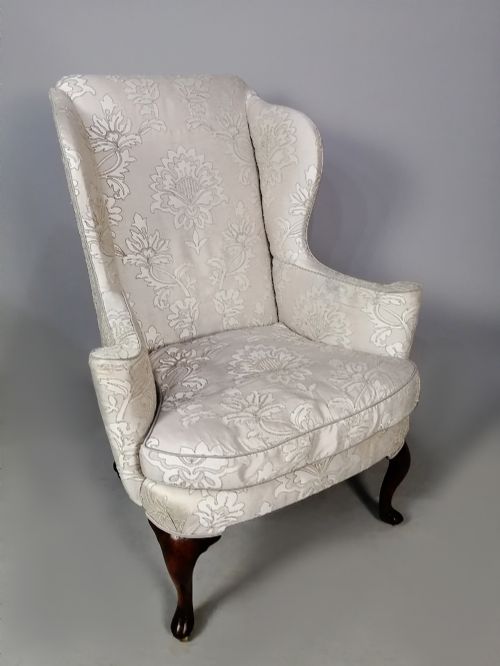
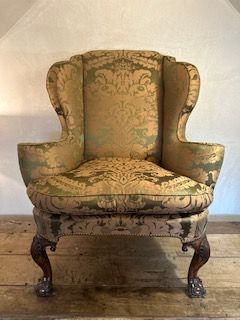
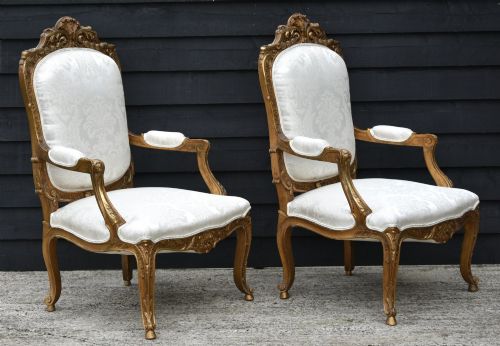
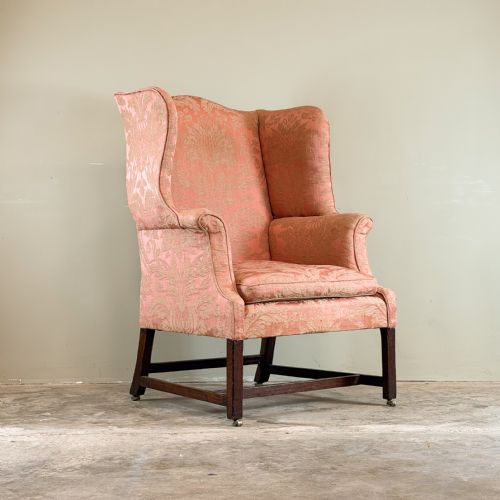
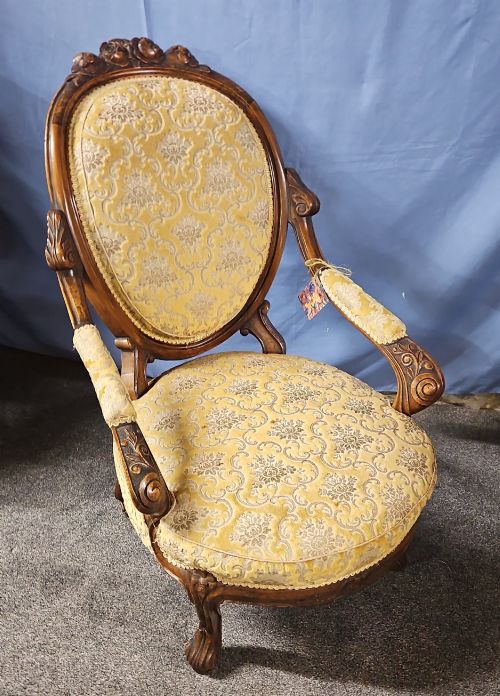
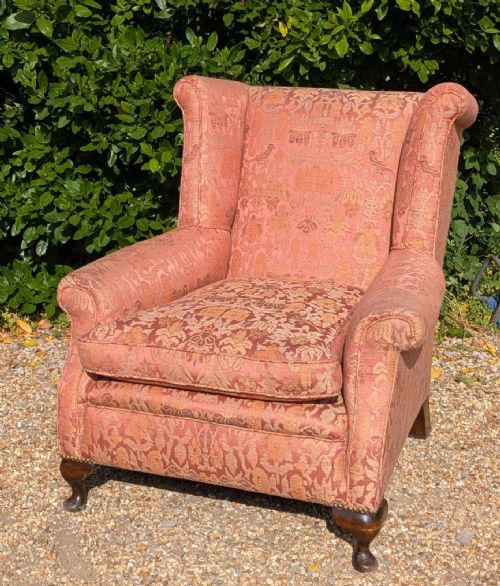
The pieces on this page range from heavy walnut and mahogany wing chairs designed for firesides to giltwood French bergères and salon chairs clothed in patterned textiles.
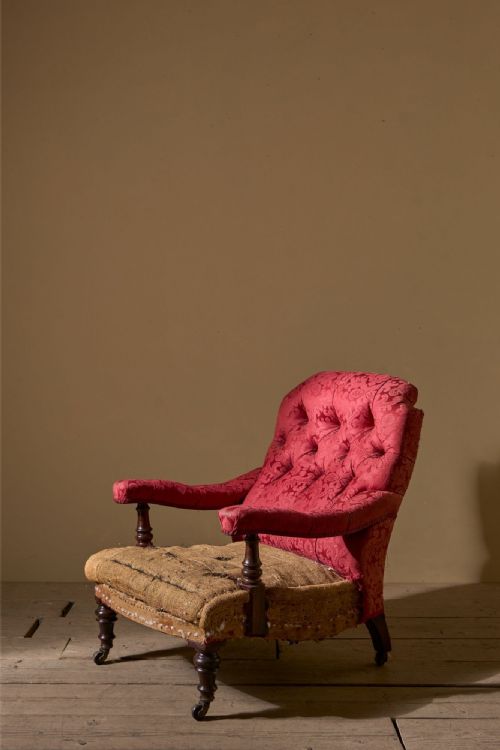
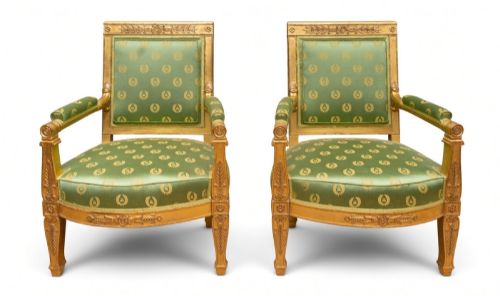
You meet both single armchairs and matched pairs, with forms varying from deep-buttoned reading seats to open elbow chairs and nursing chairs.
Materials and construction
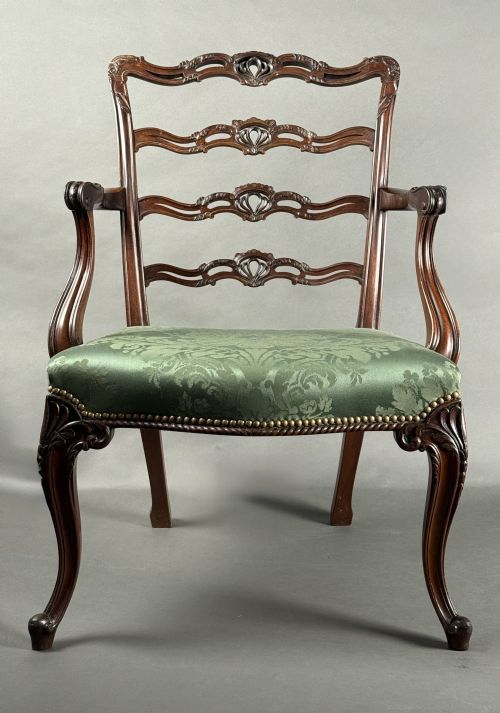
Frames are constructed from solid timbers including mahogany, walnut, and giltwood, frequently featuring hand-carved details on cabriole legs, arms, and crest rails.
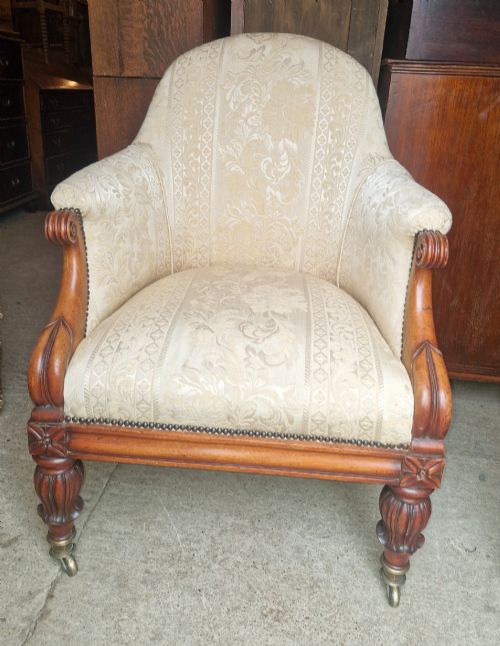
Upholstery relies on traditional stuffing techniques enclosed by damask fabric, silk, or wool, sometimes paired with brass tack detailing securing the textile to the wooden framework.
Some nineteenth-century armchairs arrived in country houses complete with matching footstools designed for afternoon repose.
Assessing the craftsmanship
Quality rests upon the crispness of the timber carving and the structural integrity of the frame joints, where solid mahogany or walnut endures better than softer woods.
The standard of the upholstery work defines the piece, looking at how cleanly the damask pattern aligns across the seat, back, and arms.
Originality of the wooden frame separates standard examples from exceptional ones, particularly when surface patination remains undisturbed through decades of domestic use.
Jacob-Desmalter·Howard and Sons
The Antique Damask Armchair Glossary
- Damask
- A reversible figured fabric with patterns woven flat into the cloth, traditionally utilising silk, wool, or linen. It creates subtle contrast between matte and lustrous surfaces.
- Cabriole leg
- A furniture leg that curves outward at the knee and tapers inward toward the foot, mimicking animal limbs. It appears frequently on Georgian and revival seating.
- Giltwood
- Timber coated with a thin layer of gold leaf or gilt finish, common on decorative French salon chairs and revival seating from the nineteenth century.
- Wing armchair
- A high-backed fireside chair with protective flaps designed to shield the occupant from drafts. Early examples often rest on substantial walnut or mahogany frames.
Antique Damask Armchair: Frequently Asked Questions
How do I date an antique armchair?
Dating relies on observing timber choices, such as eighteenth-century mahogany versus Victorian walnut, alongside stylistic cues like cabriole legs or Edwardian inlay.
Construction methods inside the frame and the type of upholstery webbing also indicate the period of manufacture.
What is a damask armchair used for?
These armchairs serve as decorative and functional seating in drawing rooms, studies, and bedrooms, providing comfortable upright support.
They function equally well as reading chairs beside a fireplace or as accent pieces within a salon suite.
Are French and English armchairs different?
French armchairs often display giltwood finishes, carved walnut frames, and lighter Louis XVI or Rococo revival silhouettes designed for formal salons.
English armchairs tend toward heavier mahogany or walnut frames, with wing backs and deep proportions intended for country house libraries.
How should I care for damask upholstery?
Protect the fabric from direct sunlight to prevent fading of the woven pattern, and vacuum the surface gently using a soft brush attachment.
Professional textile cleaning is recommended for heavier staining to preserve the integrity of the silk or wool threads.