
Antique Cut Crystal
Antique cut crystal brings together heavy lead glass and sharp wheel-cut facets that catch daylight and candle flame alike across centuries of dining and lighting forms.
Antique Cut Crystal
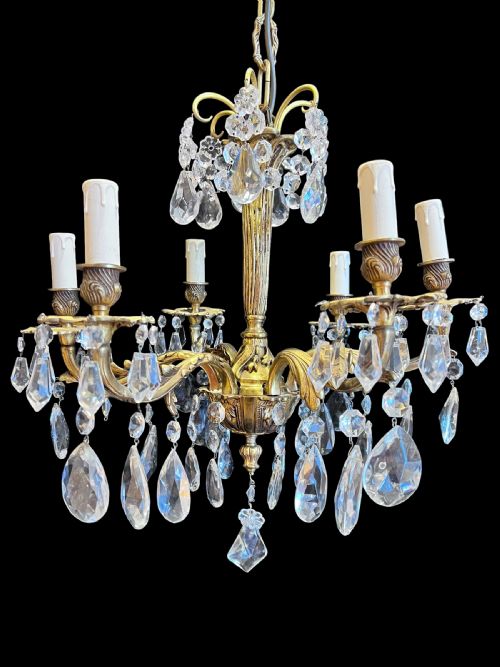
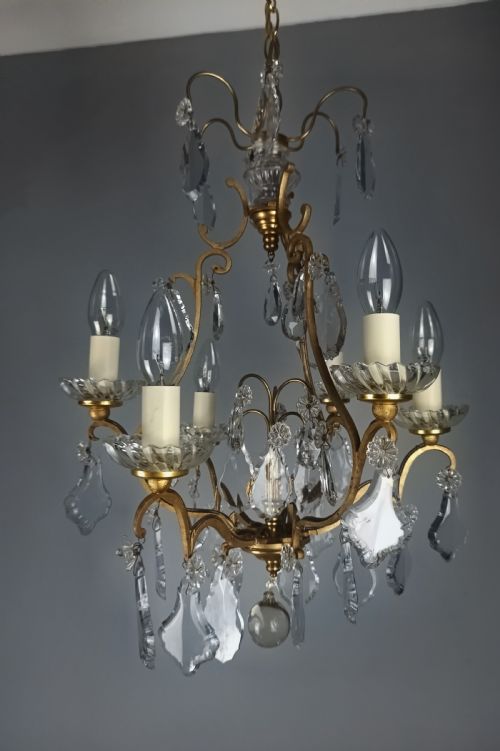
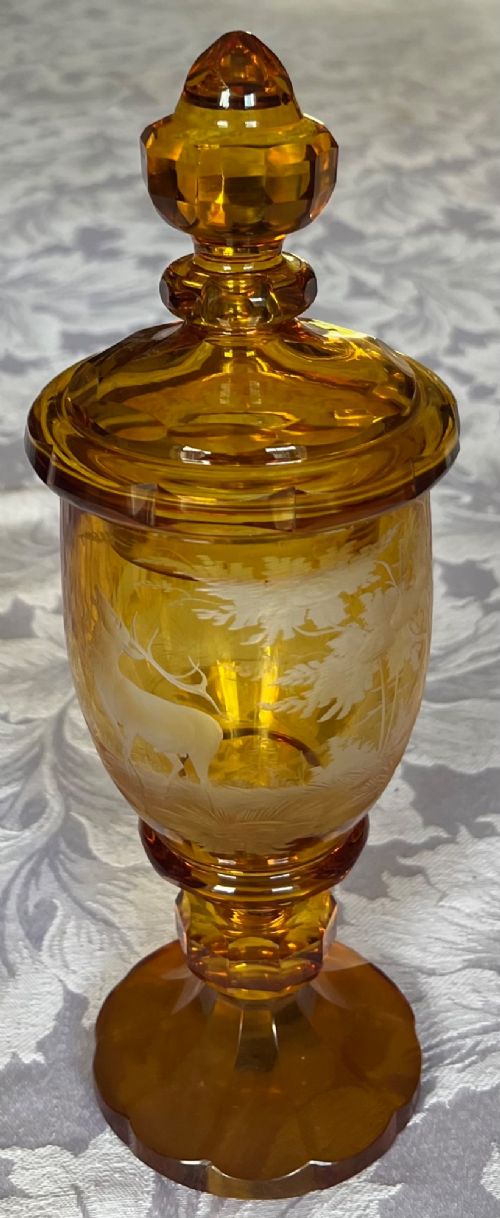
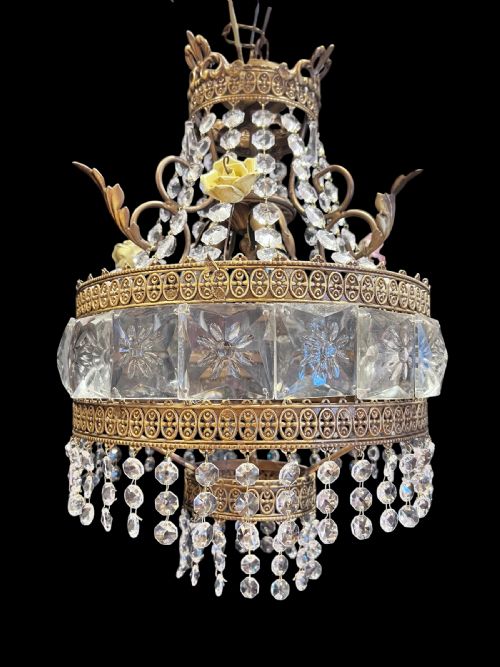
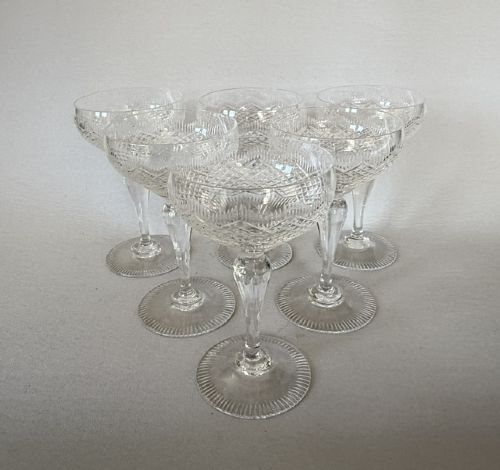
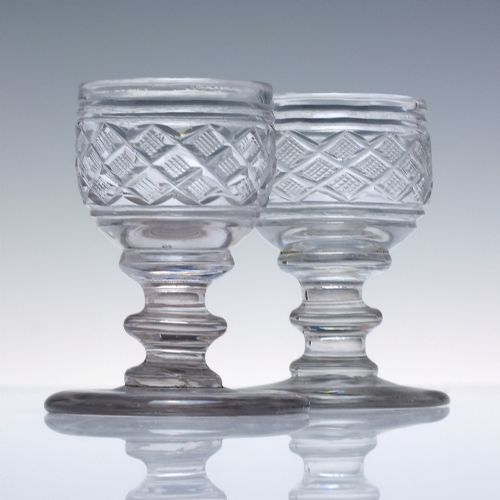
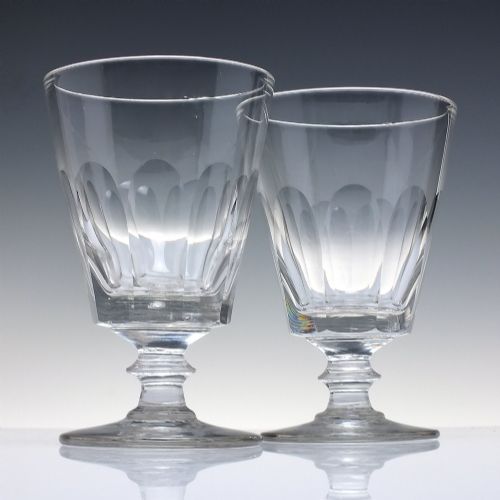
When you search for antique cut crystal, you encounter a wide variety of functional and decorative domestic items spanning the Georgian, Victorian, Edwardian, and Art Deco periods. The selection includes everything from large multi-armed chandeliers and wall lights to tabletop decanters, rummers, and scent bottles.
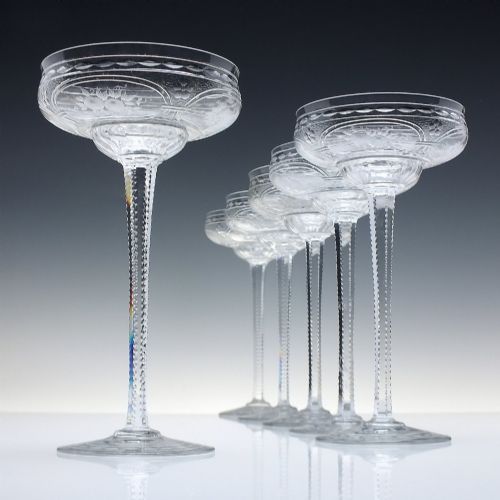
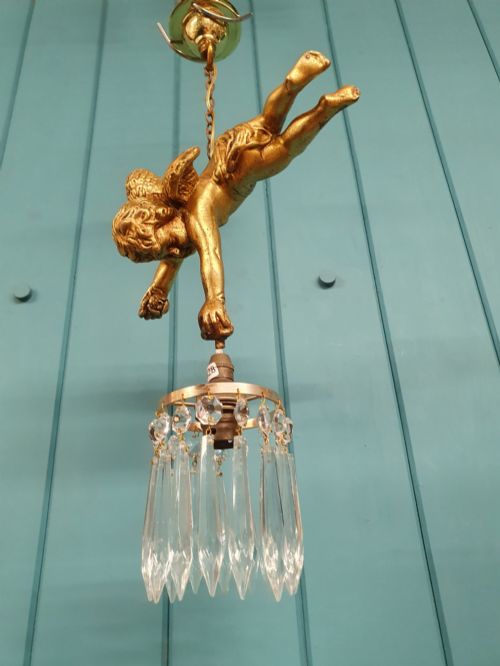
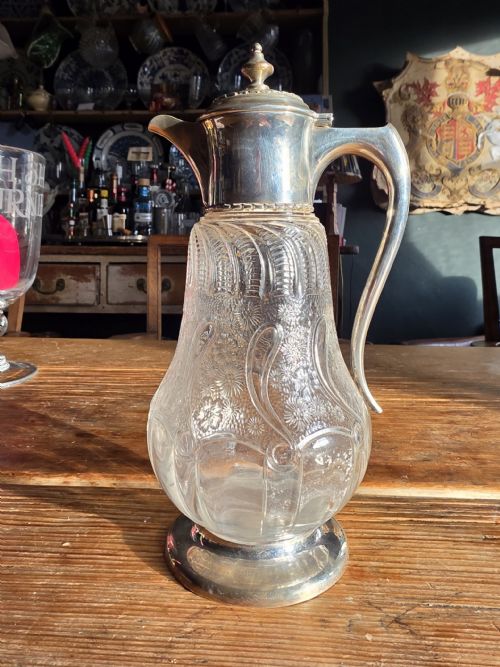
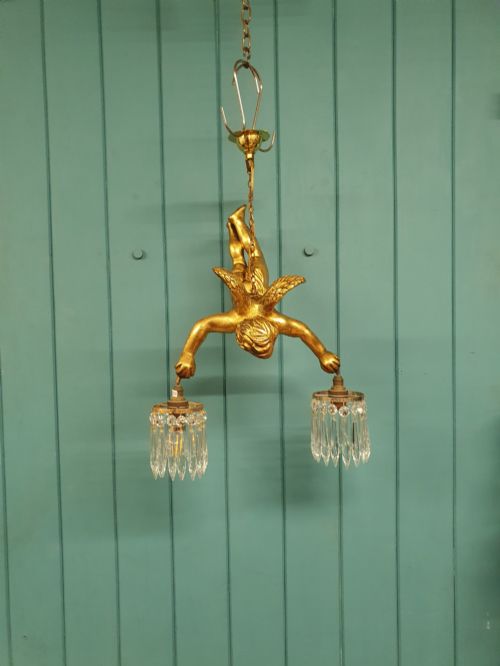
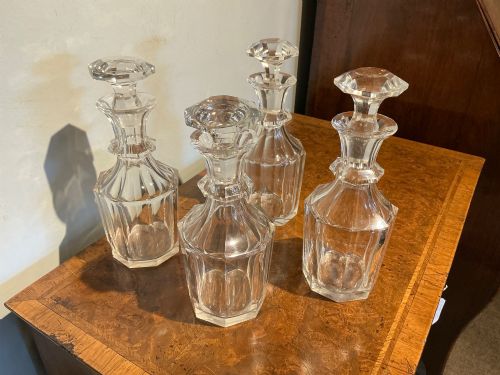
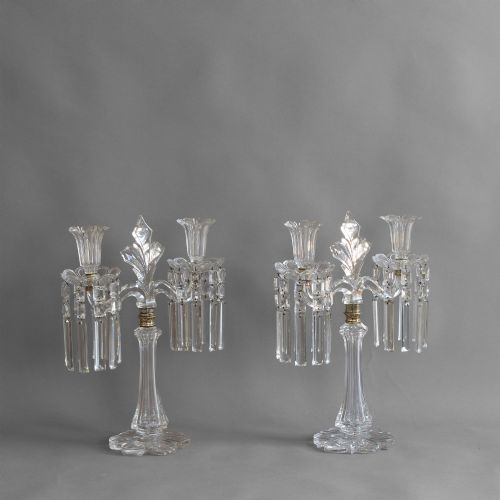
Lighting forms feature heavily, ranging from French basket and tent chandeliers hung with glass drops to simple brass ceiling lights and table lamps. Dining wares appear frequently, particularly matching sets of decanters, finger bowls, jugs, and wine glasses created for formal hospitality.
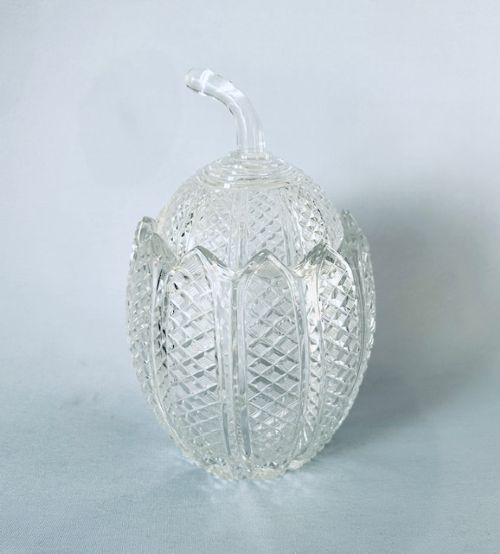
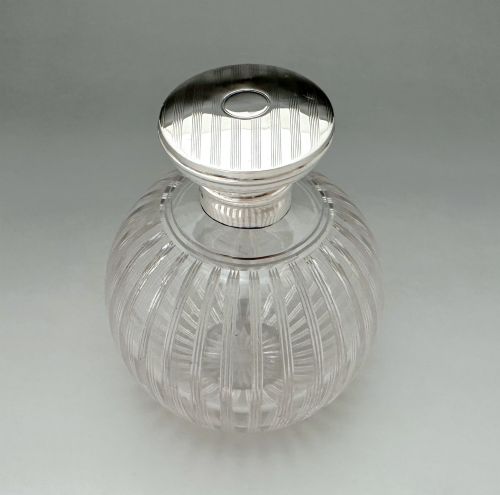
Smaller decorative objects such as trinket boxes, salt cellars, and silver-mounted perfume bottles also represent the category. These items display the versatility of heavy-pressed and wheel-cut glass across domestic interiors from the nineteenth and early twentieth centuries.
How they were made
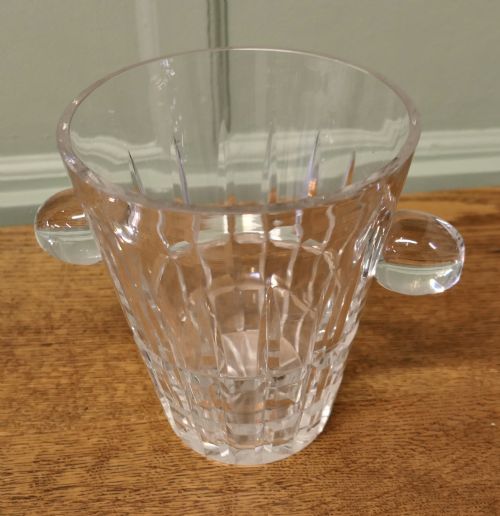
The objects combine heavy lead crystal or cut glass with mounts of sterling silver, brass, gilt bronze, or ormolu. Glassmakers shaped molten material by blowing or pressing before using rotating wheels to grind geometric facets, flutes, and hobnail patterns into the surface.
Metalworkers then secured these glass bodies into fitted frames, silver collars, or tantalus handles, occasionally incorporating enamel or porcelain floral elements. Polishers finished the cut facets to a high clarity, allowing the material to refract light effectively.
One clever nineteenth-century design traps thirsty guests by locking the decanters inside a mahogany tantalus while leaving the crystal entirely visible.
What varies in quality
The clarity and weight of the glass establish the baseline for each piece, with dense lead crystal offering sharper refraction than standard soda glass. The precision, depth, and crispness of the wheel-cut facets distinguish finer work from simpler pressed imitations.
The quality of accompanying metal mounts - whether hand-engraved sterling silver, heavy brass, or mercury-gilded bronze - determines the overall standard of the object. Harmony between the glass body and its metal hardware indicates higher-tier manufacture.
The Boots Company·Stevens and Williams·Moser·Baccarat·Asprey·Betjemann·Waterford
The Antique Cut Crystal Glossary
- Hobnail cut
- A pattern of raised, sharp-pointed pyramidal facets resembling the hobnails used in boot soles. This texture appears frequently on Victorian decanters.
- Tantalus
- A locking wooden or metal frame designed to secure a set of decanters while displaying their contents. It prevents guests from accessing the liquor without a key.
- Rummer
- A large, sturdy drinking glass used for wine, punch, or beer during the Georgian and Victorian eras. They typically sit on a short stem with a heavy foot.
- Lustre
- A mantle ornament or candle holder hung with cut glass prisms or spear-shaped pendants. The pendants catch and disperse ambient light.
- Pillar and prism cut
- A decorative scheme featuring vertical flutes combined with sharp geometric prisms. It is commonly found on early nineteenth-century jugs and glassware.
Antique Cut Crystal: Frequently Asked Questions
How do I clean antique cut crystal?
Wash pieces by hand in lukewarm water using a mild liquid detergent. Line the sink with a towel to protect the heavy glass edges from chipping.
Avoid hot water and dishwashers, as thermal shock can crack old glass and harsh detergents can damage sterling silver mounts or gilding.
How do I date antique cut crystal?
Examine the weight, cutting style, and any metal hallmarks or maker signatures present on the piece. Georgian and early Victorian items often feature deeper hand-polishing and heavier pontil marks on the base.
Later Edwardian and Art Deco examples tend toward machine-smoothed surfaces, standardised mould-pressed blanks, and silver hallmarks that date the exact year of manufacture.
Are decanters safe for modern spirits?
Most antique crystal decanters are safe for holding spirits for short periods. However, historic lead glass can leach small amounts of lead into acidic liquids if stored for months.
Pour liquor into the decanter for serving rather than long-term storage to avoid any risk.
Can missing chandelier drops be replaced?
Missing glass lustres, prisms, and drops can be sourced from specialist antique restorers. Matching the exact cut, age, and clarity of the original glass requires patience.
Examine the pin attachments on the brass frame to determine the correct hanging style for replacements.