

Antique Cushion Frame
An antique cushion frame brings depth and profile to a wall, holding mirrors and textiles in stepped, rounded sections.
Antique Cushion Frame
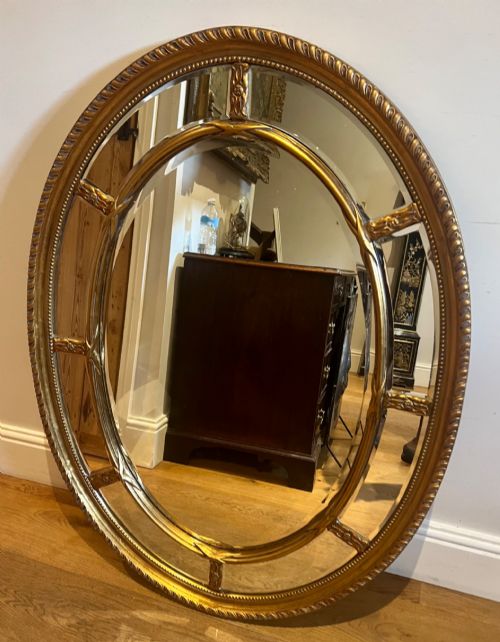
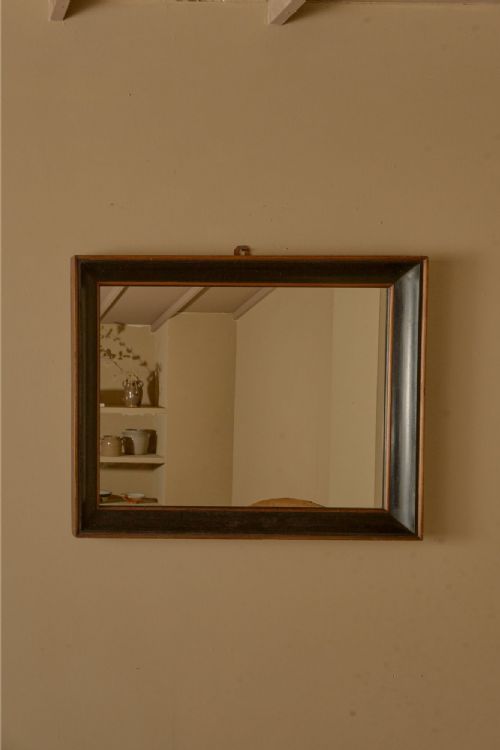
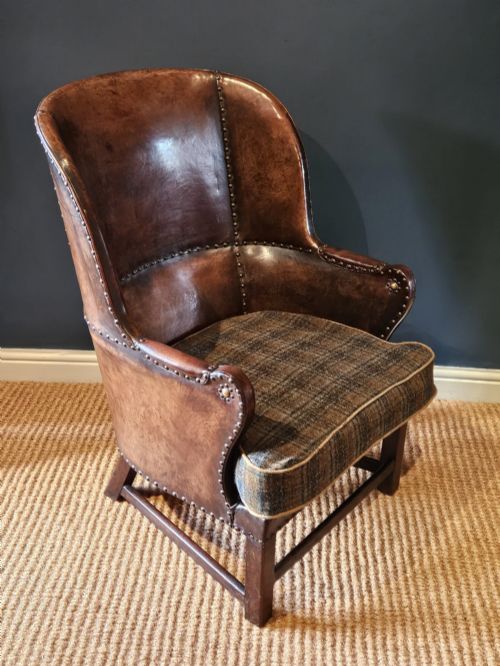
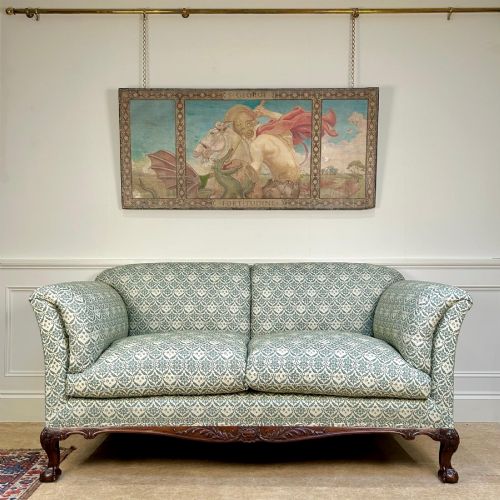
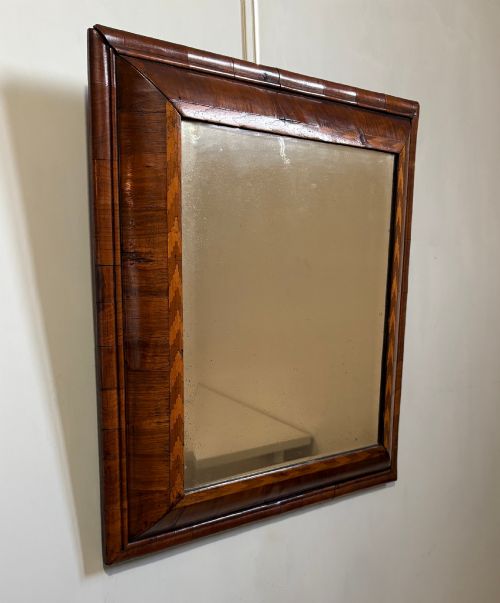
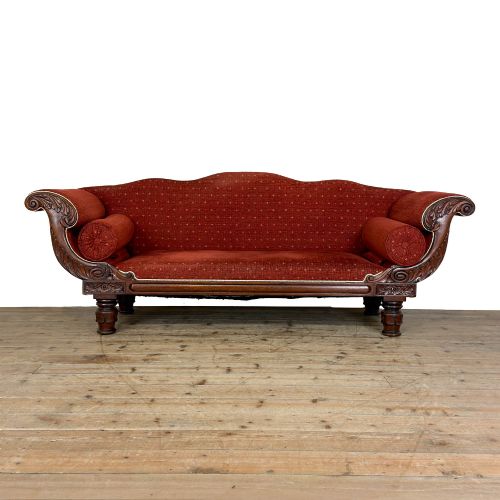
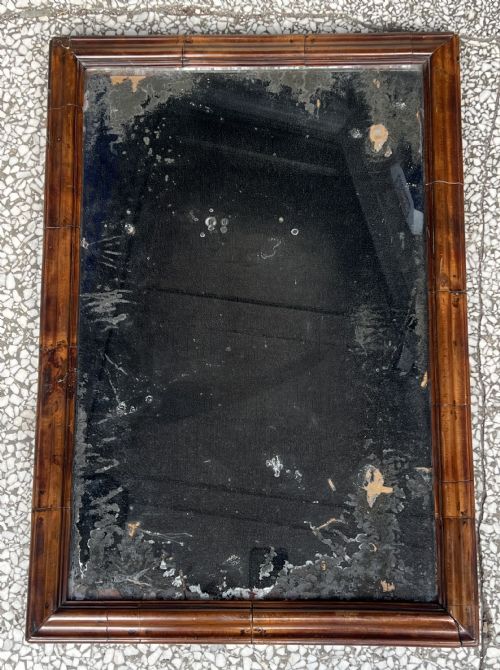
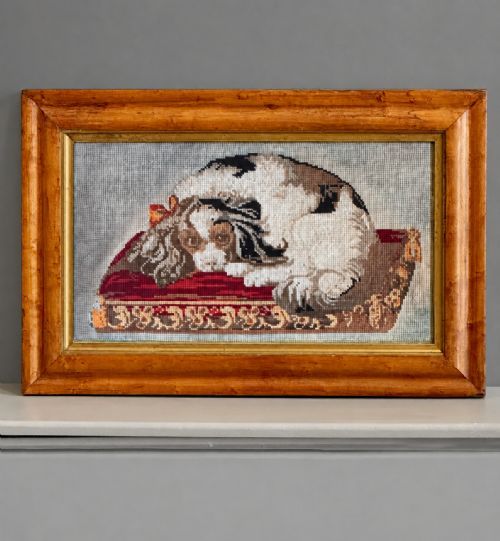
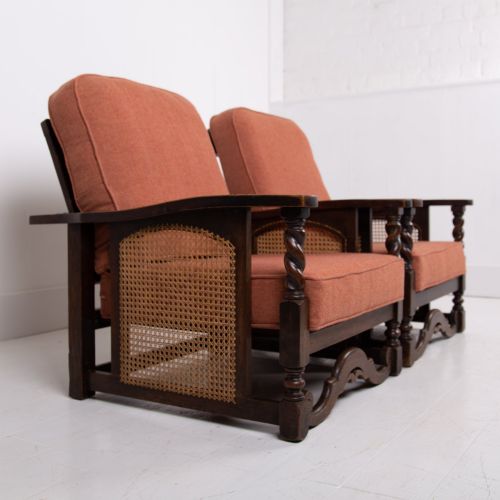
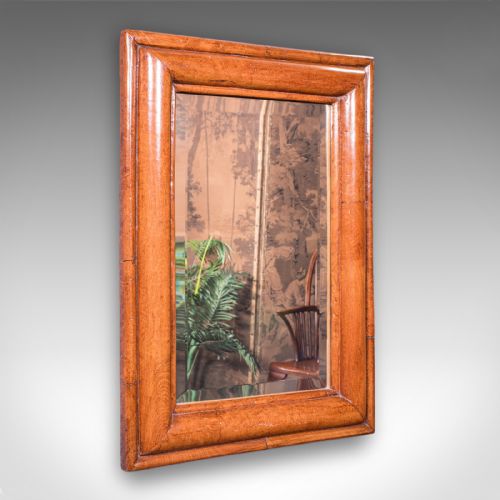
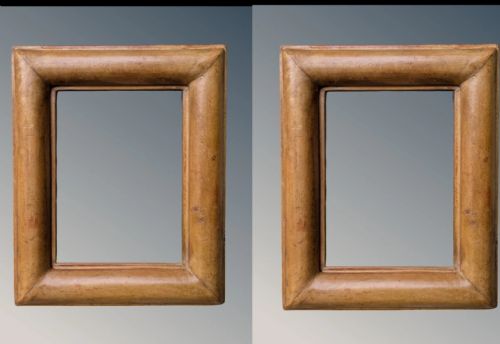
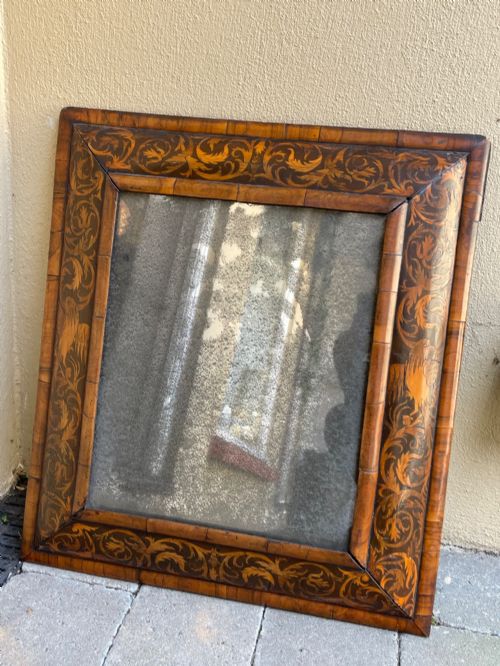
An antique cushion frame is defined by its rounded, sloping profile that projects outward from the wall, drawing the eye toward the central glass, painting or textile. These pieces primarily take the form of wall mirrors, alongside framed needlework, tapestry panels and upholstered seating where the frame itself adopts the characteristic convex shape.
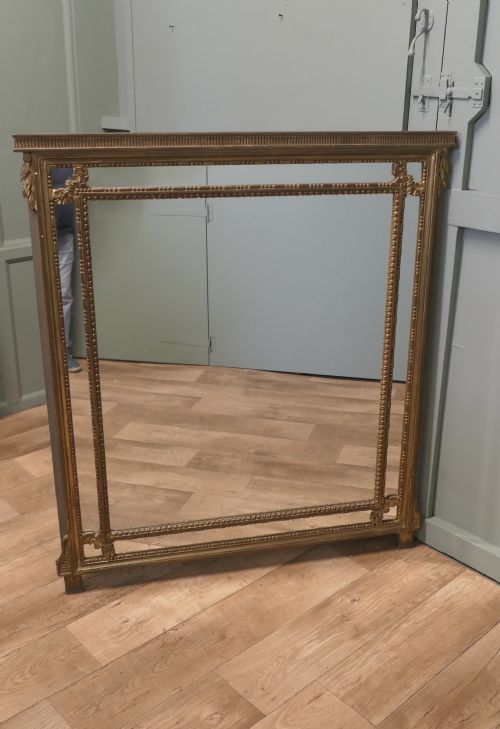
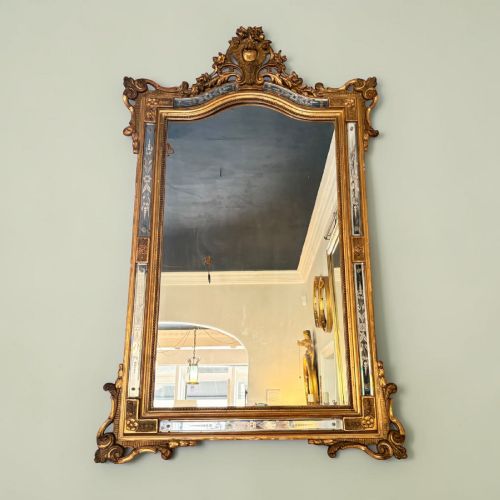
The pieces appearing on this page span several centuries, with examples originating from the seventeenth, eighteenth and nineteenth centuries, alongside Edwardian and later twentieth-century iterations. Buyers encounter forms ranging from large Venetian and Florentine giltwood creations to walnut wall mirrors and repoussé brass Dutch mirrors.
Origins vary widely across British, French, Italian, Flemish and Swedish workshops, bringing distinct regional ornament such as ripple moulding, carved dragons and crests, or floral embroidery. The core structural typology remains consistent: a deep, swelling border designed to catch light and create pronounced shadows.
Materials and Construction
Joiners and carvers built the foundational structure using dense timbers such as walnut, oak, mahogany and burr maple, often applying marquetry inlay or intricate carving directly to the wood. Giltwood and gesso surfaces required meticulous layers of preparation before achieving the bright metallic sheen seen on nineteenth-century French and Italian mirrors.
Metalwork frames utilise embossed and repoussé brass, beaten into relief with floral or geometric motifs, while textile pieces incorporate silk, wool, leather and glass beads. Glass elements include bevel-cut plates, etched surfaces and segmented panels secured within the deep wooden rebates of the cushion profile.
Antique Cushion Frame Retail Price Guide 2026
Typical asking prices for cushion frame among the pieces listed under this phrase on Sellingantiques today, from the lower quarter to the upper quarter. They describe what is for sale here now, not the wider market.
Listings feature cushion frames spanning from the seventeenth century to the twentieth century, constructed in walnut, oak, brass, giltwood and gesso.
Evaluating Quality and Execution
The distinction between ordinary and exceptional pieces lies in the crispness of the carving, the depth of the rebate, and the integrity of the original surface finish. Superior examples display hand-cut bevelling on the glass and deeply modelled gesso or timber mouldings that retain their original gilding without heavy modern intervention.
Provenance and originality dictate the standing of a piece, separating those with untouched period backboards, original mercury or early silvered glass, and intact tapestry fragments from later marriages of glass and frame. The handling of corners, mitres and structural joins reveals the competence of the original cabinetmaker or gilder.
The Antique Cushion Frame Glossary
- Cushion frame
- A framing style characterised by a convex, swelling profile that slopes outward from the wall towards the centre. This volumetric form creates strong shadows and reflects light from multiple angles.
- Repoussé
- A metalworking technique where the artisan hammers thin sheet metal from the reverse side to form a raised design in relief. This method appears frequently on seventeenth and nineteenth-century brass mirrors.
- Gesso
- A plaster-like mixture applied to wood frames as a base for gilding or paint. High-quality pieces show finely carved gesso details that remain sharp under layers of gold leaf.
- Ripple moulding
- A decorative, undulating pattern machined or carved into wood frames using specialised moulding engines. It creates a rhythmic, wave-like texture popular in seventeenth and nineteenth-century Dutch and French work.
- Bevelled glass
- A mirror plate with edges cut and polished at an angle to create a thinner, prismatic border. This treatment adds depth and refracts light distinctly.
Antique Cushion Frame: Frequently Asked Questions
What is an antique cushion frame?
An antique cushion frame is a decorative border featuring a rounded, convex profile that slopes outward from the wall. It frames mirrors, paintings and textile art with a volumetric shape designed to catch light.
Most examples originate from the seventeenth century onward, spanning periods from William and Mary to the Edwardian era in wood, giltwood and brass.
How do I hang a heavy cushion mirror?
Heavy wall-hanging cushion frames require secure fixings into structural wall studs or masonry using heavy-duty picture hooks rated for the weight of the piece. Professional framing or installation support ensures the frame's deep structure remains stable.
Because many pieces utilise dense hardwoods, cast gesso or thick glass, weight distribution needs careful attention during placement.
Are cushion frames only used for mirrors?
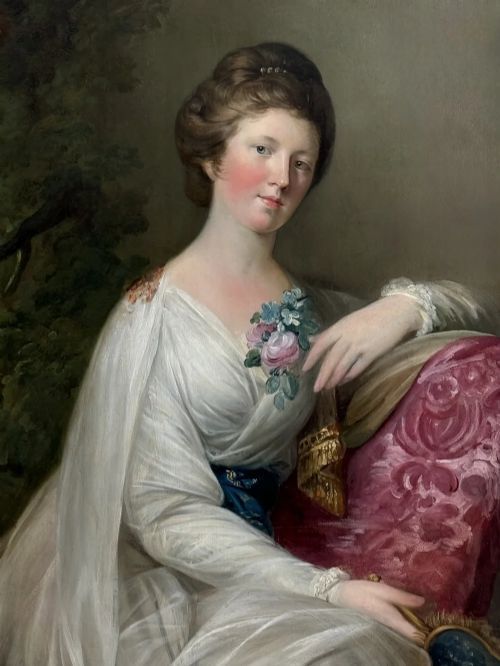
No, while mirrors represent a large proportion of these pieces, cushion frames also house antique textiles, tapestry fragments, needlework panels and oil paintings. Upholstered seating also incorporates the profile in wooden frames and padded surrounds.
Needlework and tapestry pieces often retain their original backing materials and period frames.
How do I clean a giltwood cushion frame?
Giltwood and gesso surfaces require gentle dusting with a soft, dry brush to remove particulate matter without disturbing fragile gold leaf. Moisture and chemical cleaning agents should be avoided entirely to preserve historic finishes.
Regular maintenance involves keeping the pieces away from direct sunlight and damp environments to protect both wood and metal elements.