
Antique Curio Display
An antique curio display turns the modest act of showing treasures into an interior focal point.
Antique Curio Display
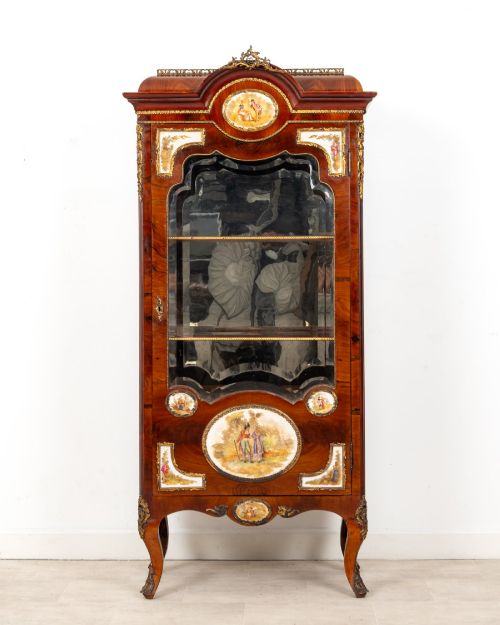
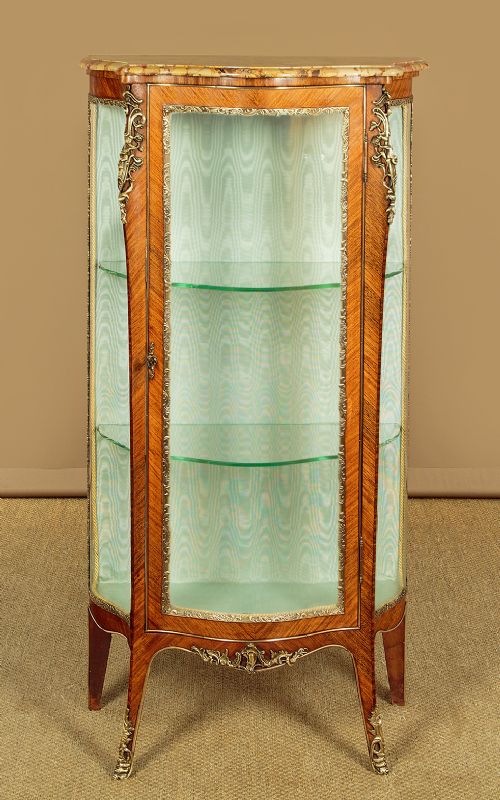
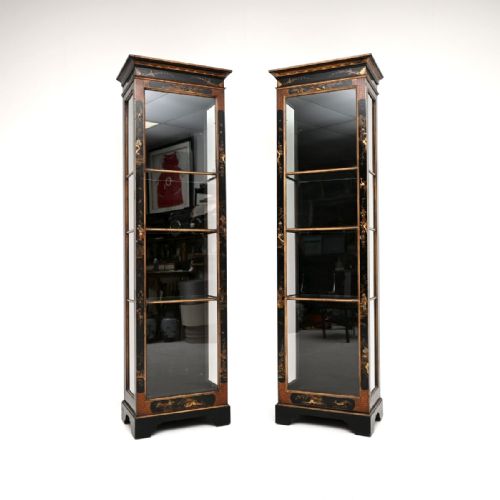
An antique curio display brings together various forms designed to showcase precious objects, miniature collections and curiosities behind glass. Buyers searching this phrase will find everything from tall standing vitrines and wall cabinets to low bijouterie tables with glazed tops.
The pieces spanning this selection predominantly date from the Victorian and Edwardian eras, alongside earlier Georgian examples and later twentieth-century interpretations. Mahogany and walnut form the backbone of the furniture, complemented by occasional satinwood, kingwood and exotic lacquers.
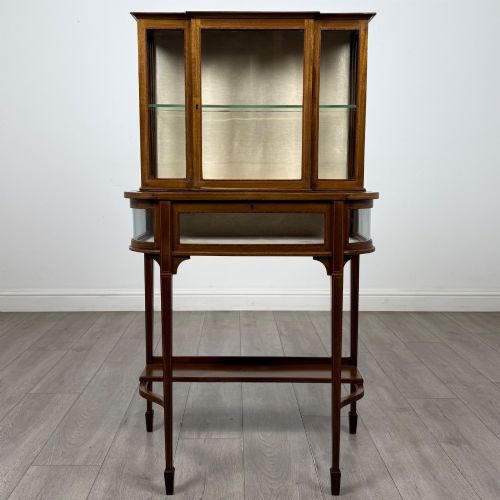
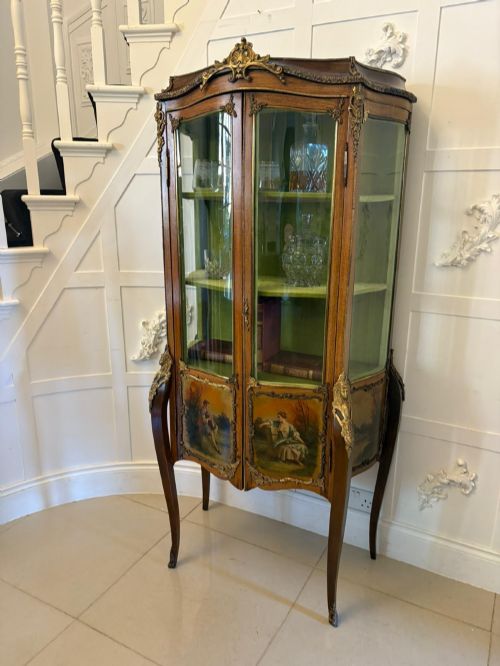
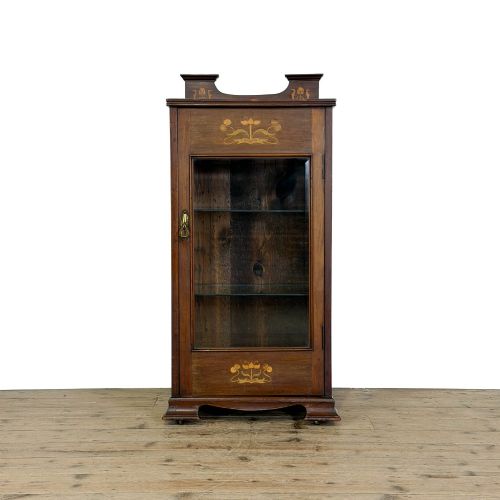
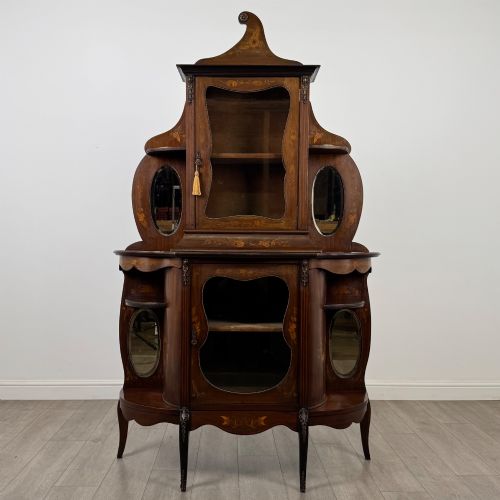
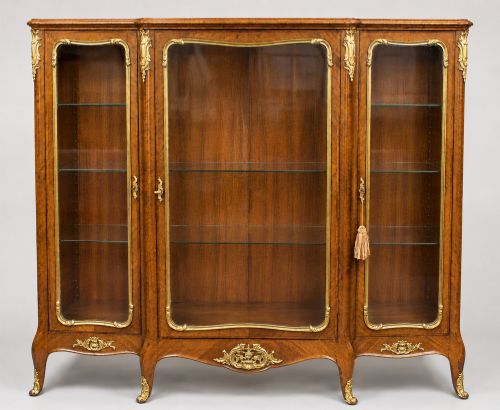
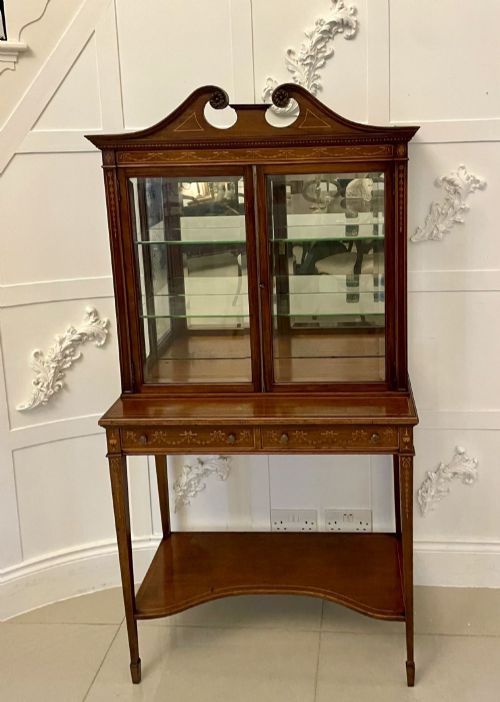
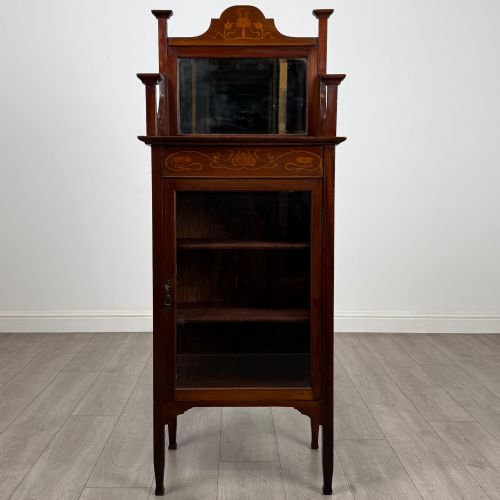
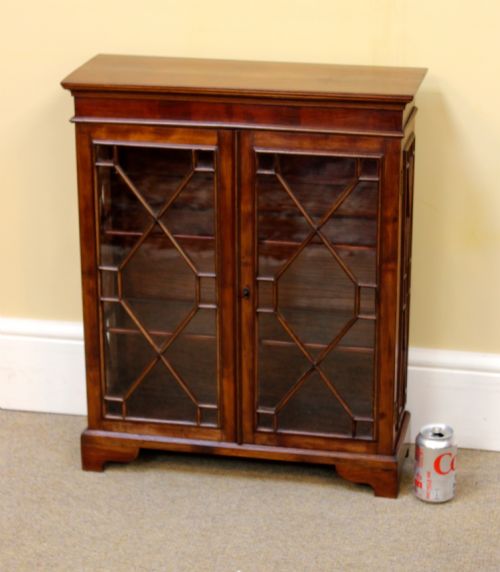
The typical piece met on this page takes the form of a glazed mahogany display cabinet or an inlaid Edwardian vitrine. These items range from diminutive tabletop cabinets to large, ornate French cabinets mounted with ormolu.
How they were made
Cabinetmakers constructed these pieces using dense timber frames of mahogany, walnut or kingwood, often enhanced with delicate marquetry and satinwood inlay. Glass panes fitted snugly into wooden doors or hinged table lids to protect the contents while maintaining visibility.
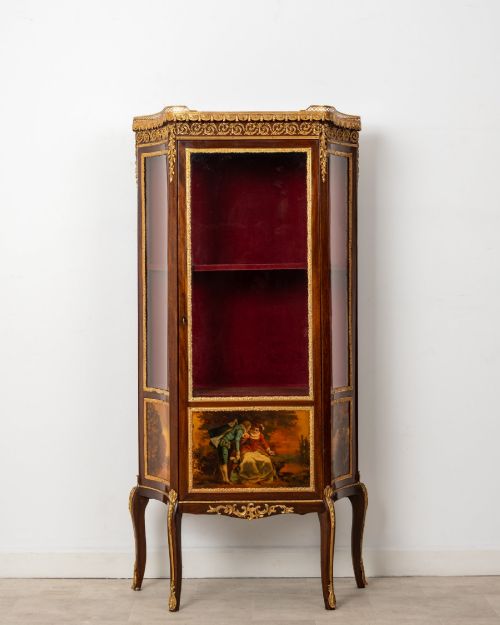
Metal mounts in ormolu, brass and gilt-bronze adorned the corners, feet and cornices of finer French and English cabinets. Marble tops appeared on select high-end vitrines, adding weight and a cool tactile contrast to the warm polished wood.
What varies in quality
The distinction between standard commercial pieces and exceptional cabinetwork lies in the crispness of the carving, the complexity of the marquetry and the choice of mountings. Finer examples display hand-chiselled ormolu and meticulously matched wood veneers.
Proportion and structural harmony also separate ordinary display furniture from superior pieces. Workshops known for high craft produced cabinets with balanced lines and refined internal shelving designed to frame small items cleanly.
Edwards and Roberts·H. J. Hatfield & Sons·Shapland and Petter
The Antique Curio Display Glossary
- Vitrine
- A glass-fronted cabinet designed specifically for displaying fine porcelain, curiosities and art objects. These pieces often feature glazed sides to let light flood the interior shelves.
- Bijouterie table
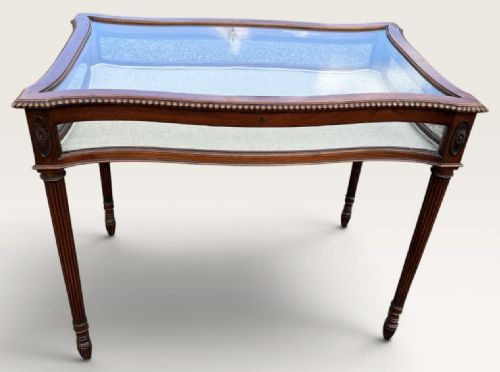
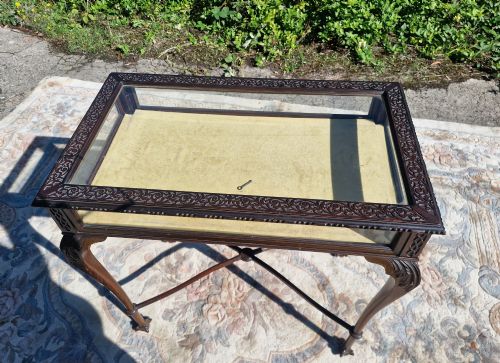
- A low display table with a glazed hinged lid, originally created for holding jewellery, miniatures and small curiosities at hand height. They frequently sit on slender cabriole or tapered legs.
- Ormolu
- Gilded bronze mounts applied to furniture, popular in French-influenced design to accent corners and frames. The technique adds a metallic gleam against dark woods like mahogany and kingwood.
- Marquetry
- Decorative veneer work forming intricate patterns or pictorial scenes using different coloured woods. Craftsmen cut and fitted pieces of satinwood, mahogany and ebony into the cabinet surface.
- Vernis Martin
- A type of simulated Japanese lacquer developed in France, using translucent varnish layers over painted decoration. It appears on elite eighteenth and nineteenth-century cabinets.
Antique Curio Display: Frequently Asked Questions
What is a bijouterie table?
A bijouterie table is a low display piece featuring a glazed compartment beneath a hinged lid. It was used in drawing rooms to exhibit small personal items, jewellery and medals.
The glass top allowed guests to inspect delicate collections without handling them directly, combining the function of a table with that of a showcase.
Where were vitrines placed?
Vitrines and display cabinets traditionally stood in formal drawing rooms, reception spaces and parlours. They served to broadcast the refined tastes and travel collections of the household.
Placing them near windows or under artificial light sources helped illuminate the porcelain, miniatures and curios kept inside.
How do I style a display cabinet?
Styling an antique display cabinet involves curating a balanced selection of objects by height, material and tone. Grouping items of similar provenance creates a deliberate narrative rather than clutter.
Leaving breathing space between pieces allows the craftsmanship of the cabinet interior and the woodwork to remain visible.
How do I date an Edwardian cabinet?
Edwardian display cabinets, made around the turn of the twentieth century, often draw on earlier Sheraton or French revival styles. They typically feature lighter mahogany frames and delicate satinwood stringing.
Examining the construction methods, interior linings and hinge types helps distinguish these lighter transitional pieces from heavier mid-Victorian furniture.