

Antique Cupboard on Legs
An antique cupboard on legs provides enclosed storage raised from the floor, combining practicality with period elegance in mahogany, oak or walnut.
Antique Cupboard on Legs
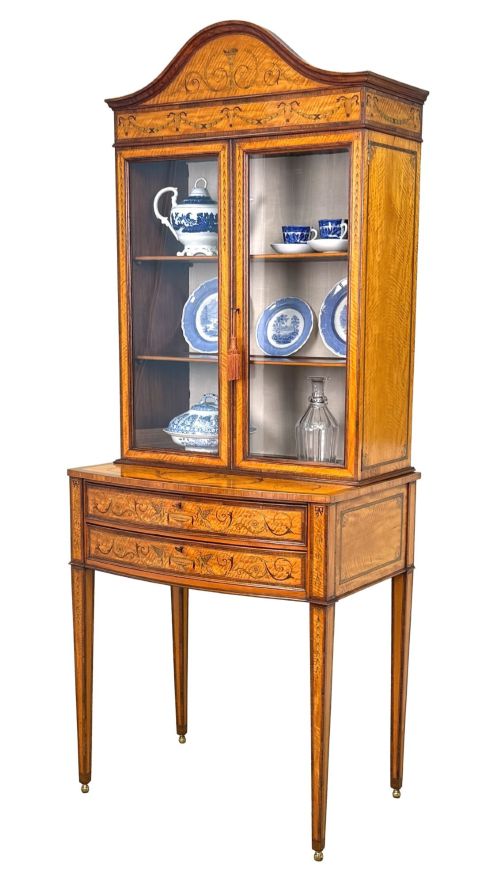
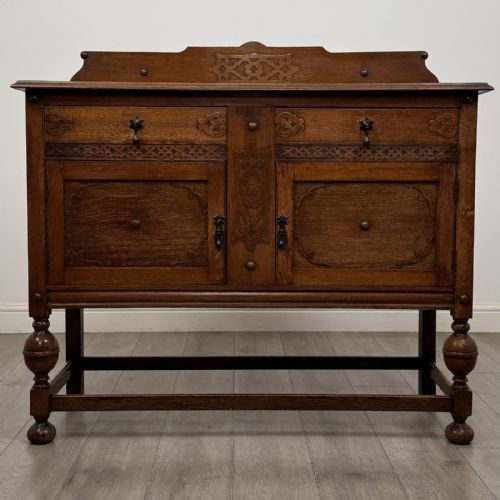
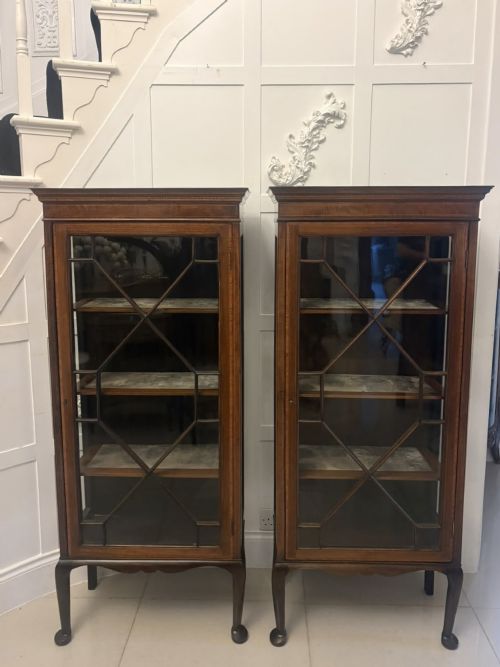
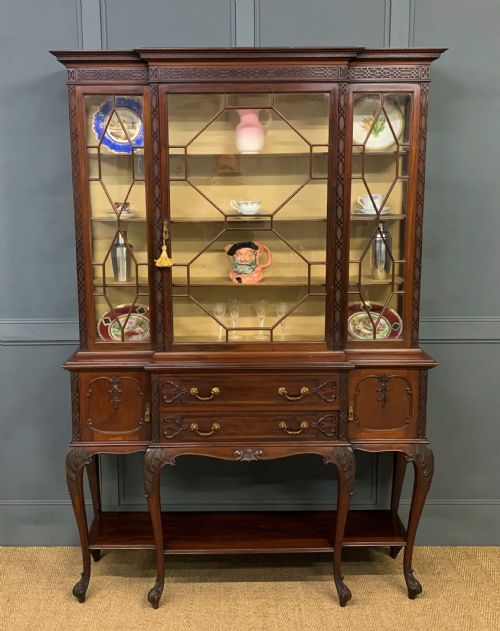
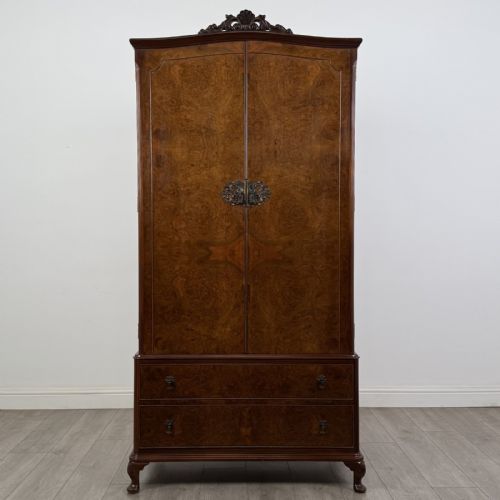
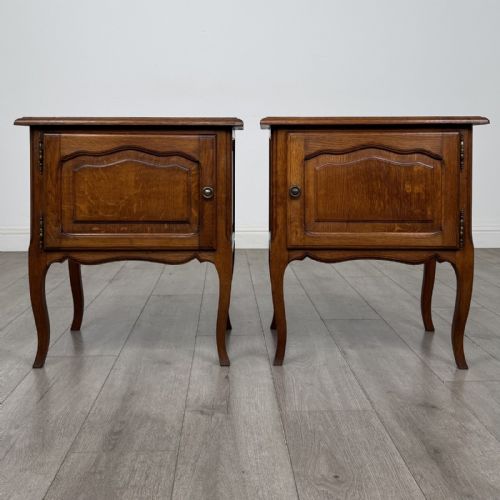
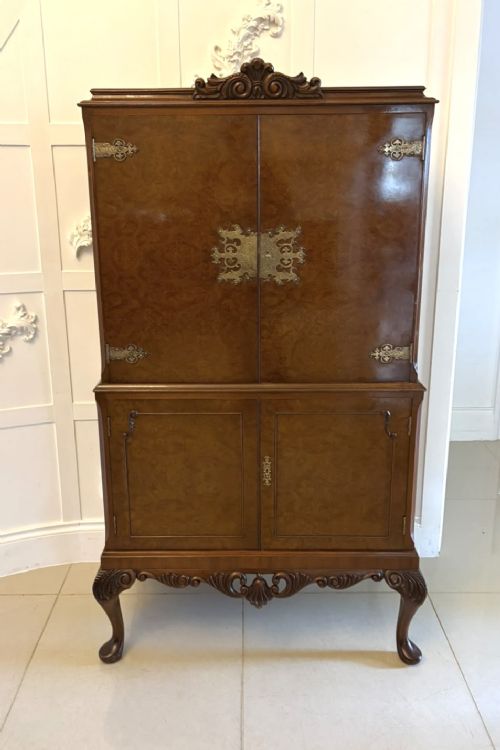
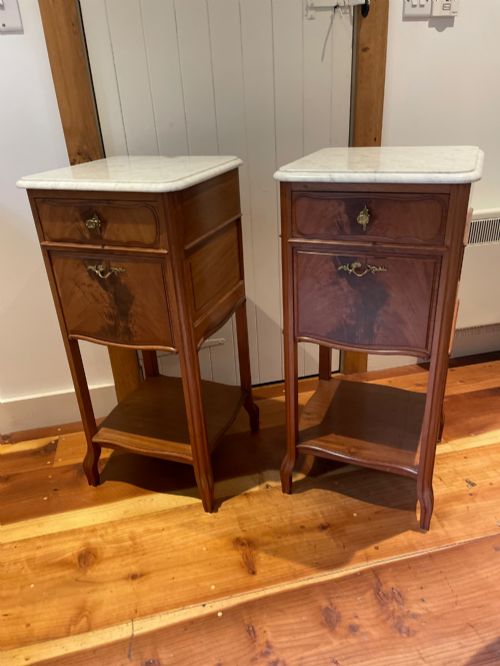
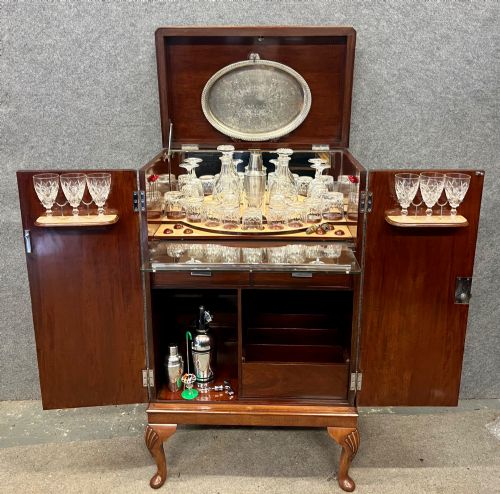
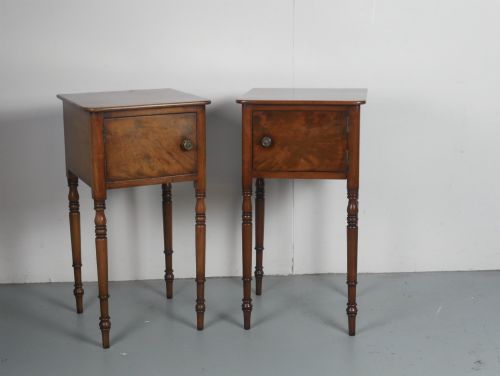
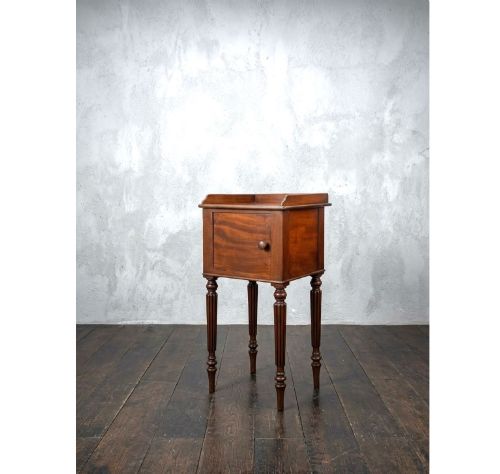
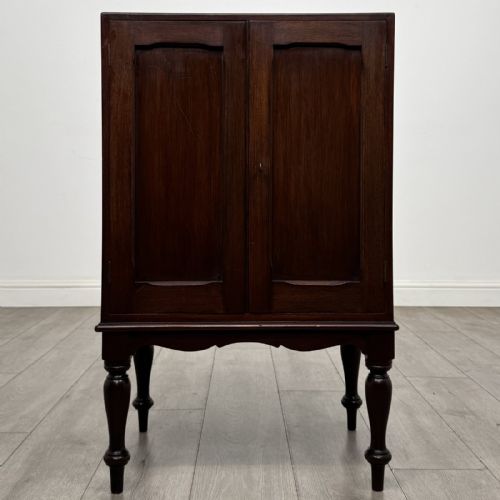
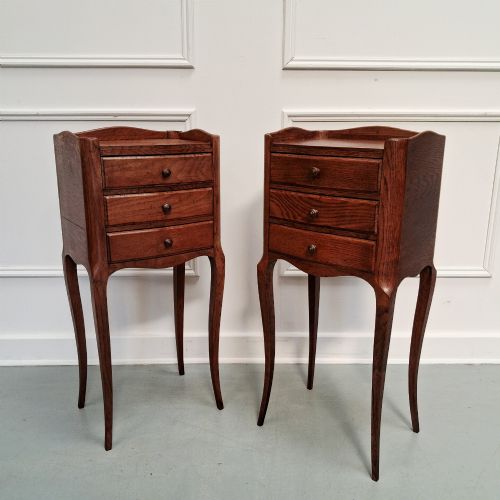
An antique cupboard on legs brings elevated enclosed storage into a room, keeping floor space visible while hiding household items behind timber doors. When searching for an antique cupboard on legs, buyers encounter a diverse range of forms including display cabinets, bedside tables, side cabinets, and tallboys raised on various leg configurations.
Edwardian pieces in mahogany or oak dominate the selection, frequently featuring cabriole legs, claw and ball feet, or barley twist supports. These elevated cupboards bridge the gap between heavy floor-standing furniture and light, decorative interior placement.
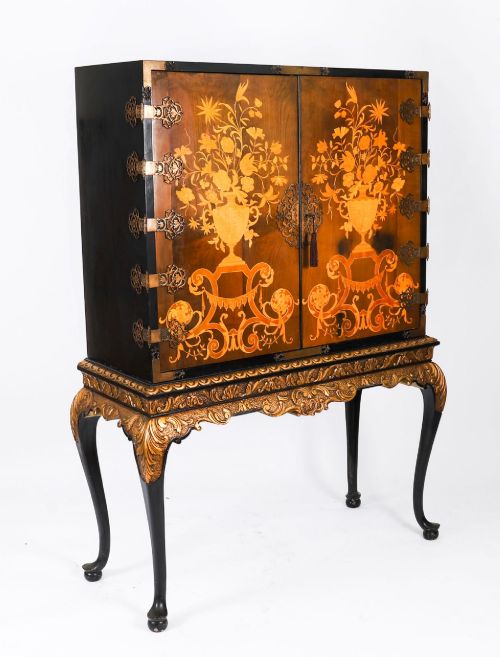
Originating across periods from the Georgian era through the Edwardian years and into the 1930s, these cupboards utilise styles such as Queen Anne Revival, Jacobean Revival, and French Provincial. The elevated form lightens the visual weight of dense timbers like mahogany and oak.
How they were made
Cabinet makers utilised solid timbers such as mahogany, oak, and walnut, frequently applying burr walnut or satinwood veneers to create decorative grain patterns on door fronts and drawer panels. Brass hardware, including face handles and hinges, provided functional contrast to the dark polished woods.
Leg structures required sturdy joinery to support the cabinet body, employing turned balusters, barley twists, cabriole legs, or straightforward straight legs often ending in claw and ball feet. Glazed doors on display cabinets incorporated wooden glazing bars to hold individual glass panes securely.
Antique Cupboard on Legs Retail Price Guide 2026
Typical asking prices for cupboard on legs among the pieces listed under this phrase on Sellingantiques today, from the lower quarter to the upper quarter. They describe what is for sale here now, not the wider market.
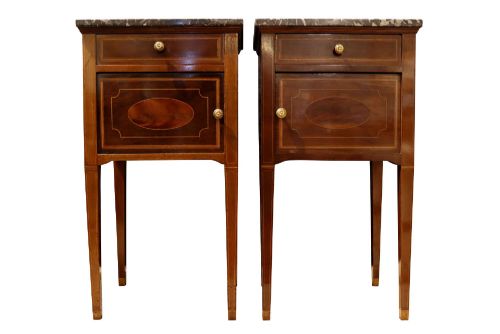
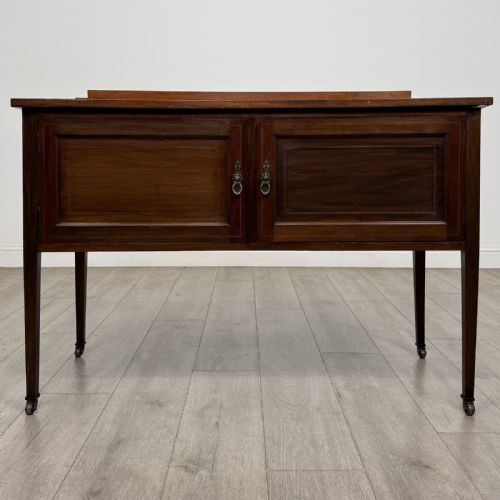
Common elevated forms include display cabinets, bedside tables, tallboys, and sideboards resting on cabriole or barley twist legs.
What varies in quality
The choice of timber grain sets upper-tier examples apart, particularly where burr walnut or figured mahogany veneers display matched symmetry across the cupboard doors. Superior execution shows in the crispness of carved details like cabriole knees and barley twist turns rather than soft, moulded replication.
Structural integrity of the leg joints defines lasting quality, as elevated cabinets endure considerable lateral stress when moved or loaded. Finer pieces maintain original brass hardware, uncompromised glass panels, and cleanly fitted internal shelving or hanging space.
Waring and Gillow
The Antique Cupboard on Legs Glossary
- Cabriole leg
- A furniture leg that curves out at the knee and tapers inward to an ankle, finishing in a foot such as a pad or claw and ball. This shape derives from ancient animal forms and gained popularity in Queen Anne and subsequent revival styles.
- Barley twist
- A carved wooden column resembling a spiralling rope or barley sugar stick. Craftsmen turned this design on a lathe to create rich, light-catching pillar supports on cupboards and sideboards.
- Tallboy
- A tall chest of drawers or cupboard standing upon a lower frame or legs. This form maximises vertical storage while maintaining floor clearance beneath.
- Pot cupboard
- A small bedside cabinet originally designed to enclose a chamber pot. These compact cupboards often feature a tray top or marble insert.
- Gallery
- A low decorative rail raised around the top edge of a cabinet or table to prevent items from rolling off. It is frequently pierced or turned from the same timber as the main piece.
Antique Cupboard on Legs: Frequently Asked Questions
What rooms suit an antique cupboard on legs?
These elevated cupboards fit easily into bedrooms as bedside storage or living spaces for display and small items.
The raised leg design creates an open floor appearance, making smaller rooms feel larger while concealing clutter.
How do I identify an Edwardian cupboard?
Edwardian pieces often feature lighter mahogany or oak construction with refined decorative elements like inlaid satinwood or carved cabriole legs.
They reflect late Victorian proportions combined with revived eighteenth-century stylistic influences.
Were these cabinets used for china?
Many variations listed as display cabinets or china cabinets feature glazed doors and internal shelving specifically designed for tableware.
Enclosed cupboards with solid wooden doors served general storage purposes for linens, food, or household goods.
What is the difference between a tallboy and a side cabinet?
A tallboy provides vertical storage combining drawers or cupboards in a tall stacked format on legs.
A side cabinet offers a lower, wider profile intended for placement against a wall to hold lamps or display objects.