


Antique Culinary Copper
Antique culinary copper pieces bring heavy-gauge metalwork and purposeful kitchen utility straight from Victorian hearths and Georgian ranges into modern spaces.
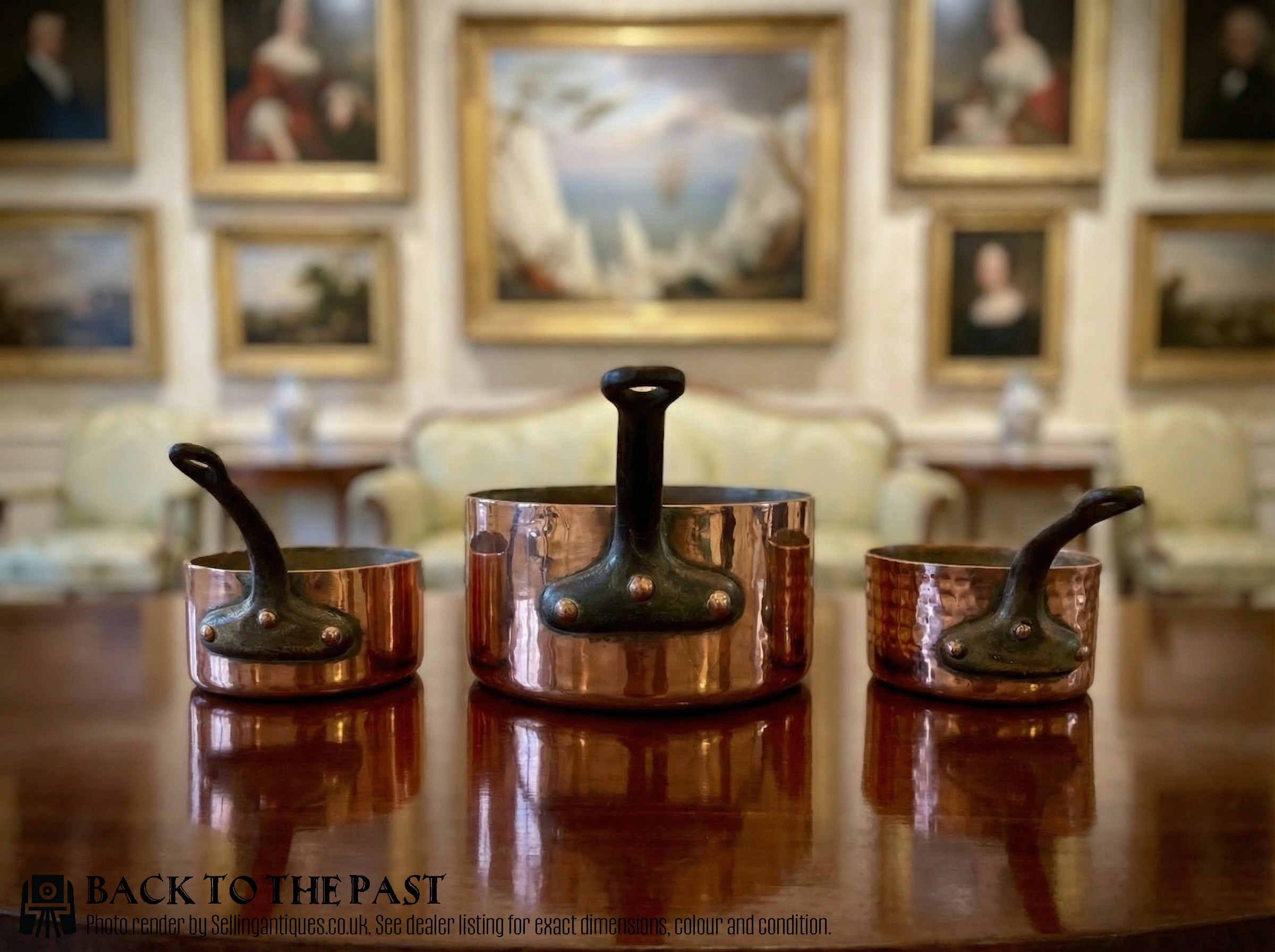
Antique Culinary Copper
When buyers search for antique culinary copper, they look for heavy metal kitchenware designed for active cooking or decorative display in domestic spaces. These items span 19th Century, Victorian, and Georgian periods, originating from English and French workshops.
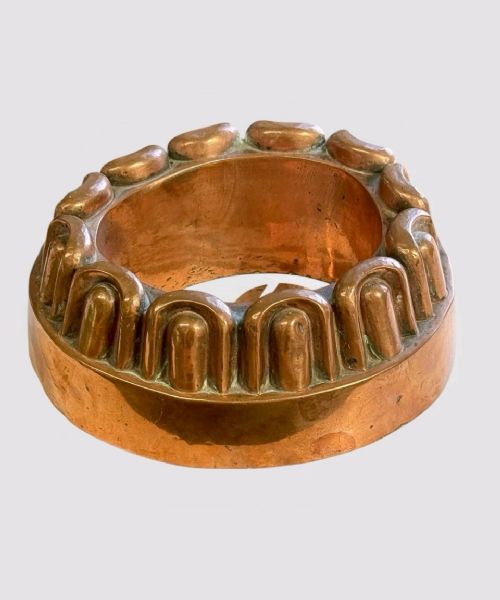
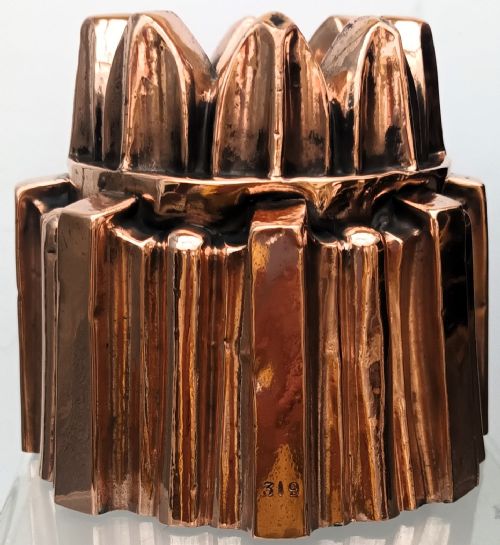
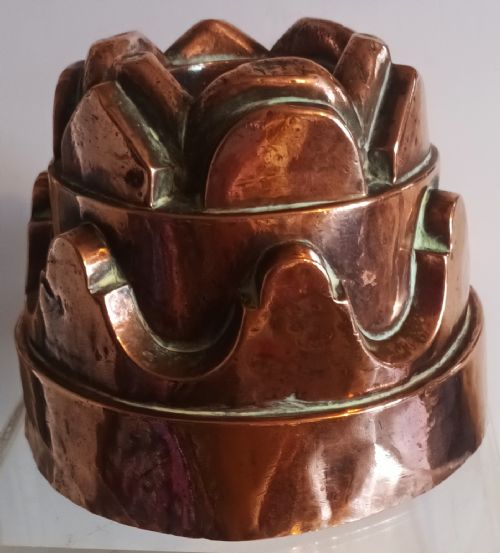
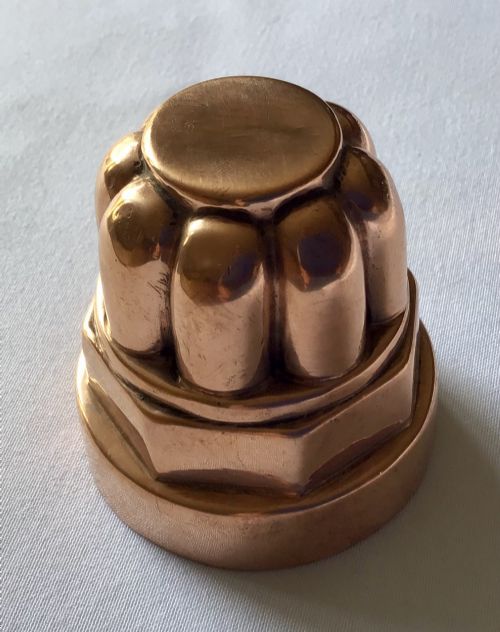
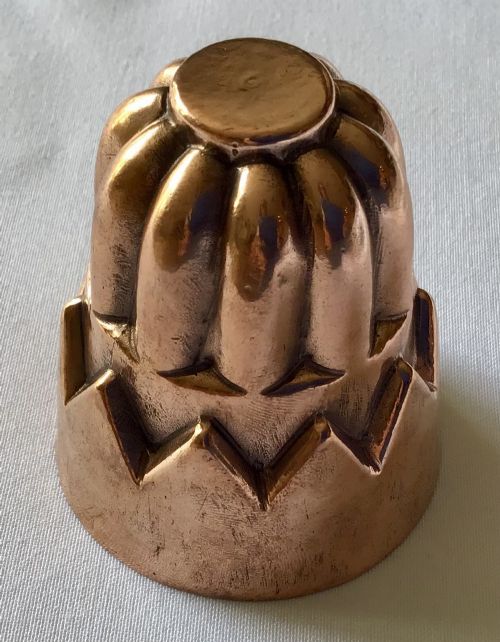
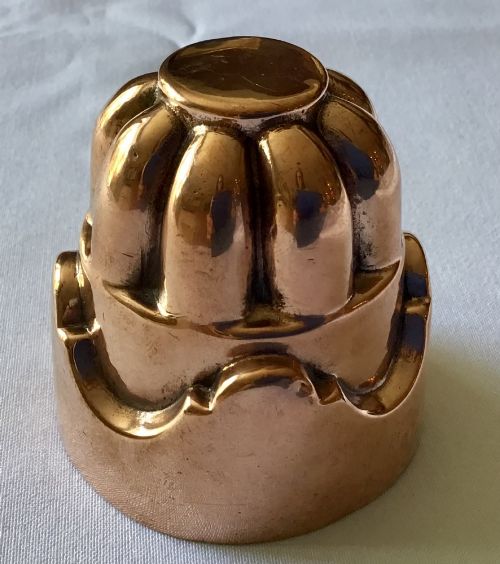
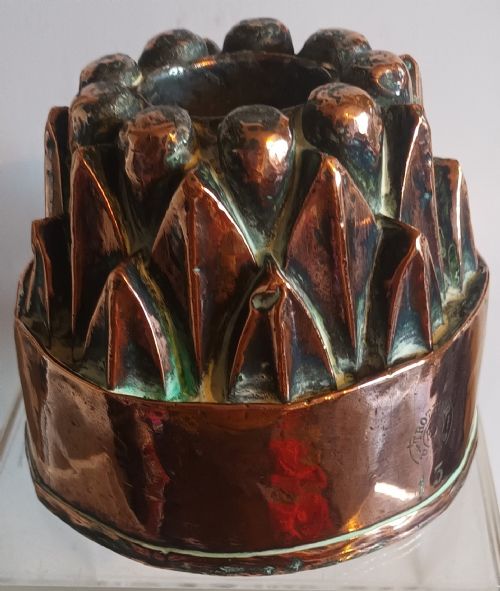
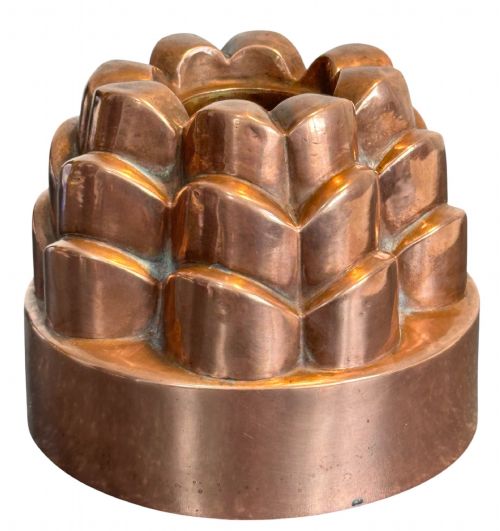
The objects appearing on this page include jelly moulds, castle-top moulds, miniature shapes, cat moulds, ice cream pots, preserving dishes, duck roasting pans, cream setting pans, and sets of saucepans. They represent utilitarian kitchenalia that served grand country houses and everyday kitchens alike.
The forms divide neatly between functional cookware and decorative moulding vessels intended to shape jellies and creams for the table. Buyers will most frequently encounter Victorian kitchen moulds and sets of heavy pans forged for serious food preparation.
How they were made
The primary material is copper, chosen for its thermal conductivity, complemented by internal linings of tin to prevent copper toxicity during food preparation. Iron and brass handles, bronze fittings, and cast iron attachments appear on larger pans and roasting vessels.
Metalworkers hammered and shaped sheets of copper by hand, frequently reinforcing rims and securing handles with robust rivets. Interior surfaces received a protective coating of wiped tin, while exterior walls show the hand-beaten marks of the smith.
What varies in quality
The thickness of the metal sheet dictates the structural integrity of each vessel, separating heavy-gauge professional kitchenware from thinner decorative items. Substantial weight and rigid wall construction indicate pieces built for continuous heat exposure.
The precision of the detailing on moulds, from architectural castle tops to intricate animal shapes, defines the skill of the maker. Maker marks, department store stamps such as Harrods, and patent inscriptions further distinguish individual pieces.
Trottier·Harrods·Liptons·Griffiths
The Antique Culinary Copper Glossary
- Tin lined
- The protective coating of pure tin applied to the interior of copper cookware. This layer stops acidic foods from reacting directly with the copper.
- Kitchenalia
- Historic utensils and domestic objects used in food preparation and hearth management. Collectors prize these items for their honest display of historic utility.
- Castle top
- A decorative moulding shape featuring battlements and architectural towers. These designs created elaborate moulded jellies and blancmanges for formal dining.
- Cream setting pan
- A shallow vessel designed to hold milk or cream while the fat rose to the surface. These items reflect traditional dairy practices in period households.
Antique Culinary Copper: Frequently Asked Questions
Can I still cook with antique copper pans?
Many historic copper pans remain structurally sound enough for use on modern hobs, provided the interior tin lining is intact and thick enough to protect the food.
Buyers intending to cook with these vessels should check the condition of the tin surface and ensure the base sits flat against the heat source.
How do I clean antique culinary copper?
Standard commercial copper cleaners remove tarnish from the exterior surfaces, though many collectors prefer to leave a natural aged patina on display pieces.
Harsh abrasives should be avoided to preserve the hand-beaten texture and any maker stamps marked into the metal.
Why are copper moulds tinned on the inside?
Uncoated copper reacts chemically with acidic ingredients during the cooking or setting process, which can cause metallic contamination in food.
Tin provides a safe, non-reactive barrier between the ingredients and the copper body of the vessel.
How do I date a copper kitchen mould?
Dating relies on manufacturing techniques, weight, fixing methods like handmade rivets, and any stamped maker marks or retailer names.
Victorian and Georgian pieces generally display heavier construction and simpler fastening methods than mass-produced later equivalents.