

Antique Crystal Vessel
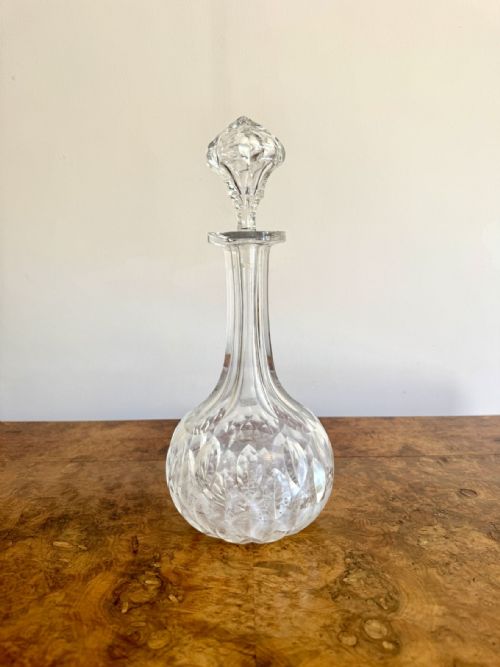
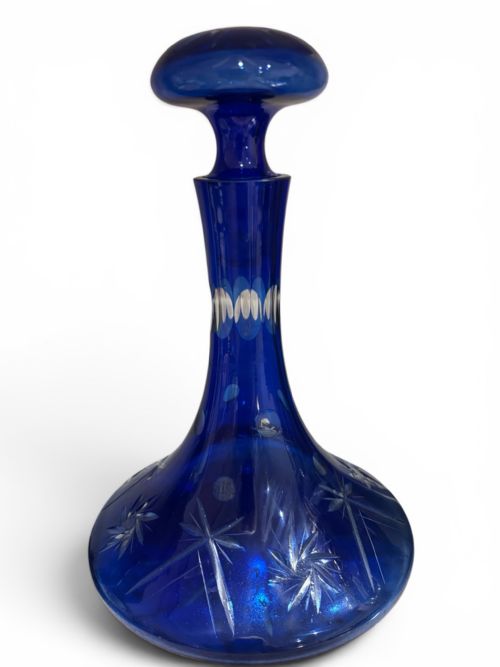
An antique crystal vessel brings weight and light to a room, ranging from Georgian rummers to Edwardian decanters shaped by skilled hands.
Antique Crystal Vessel
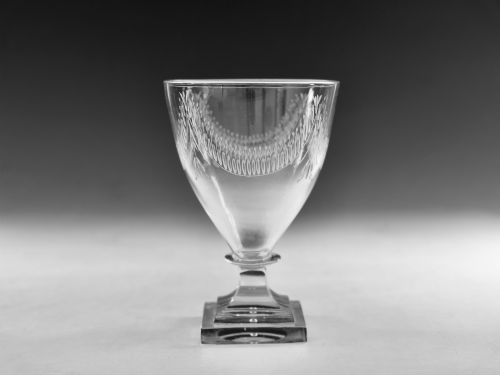
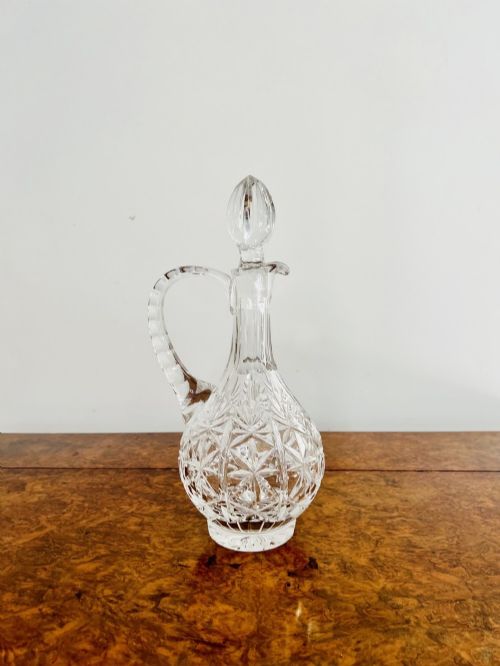
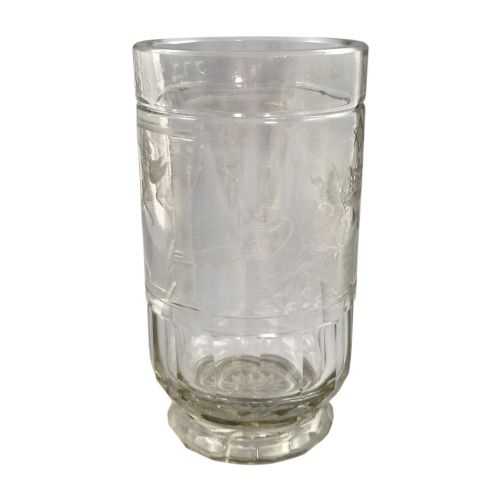
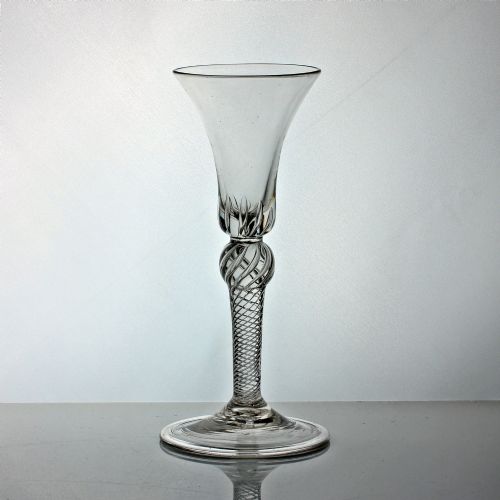
When you search for an antique crystal vessel, you encounter a broad variety of forms designed for dining, display, and ceremony. The selection spans drinking glasses and rummers from the eighteenth century through to decanters, vases, and centrepieces from the Edwardian era and the nineteen-thirties.
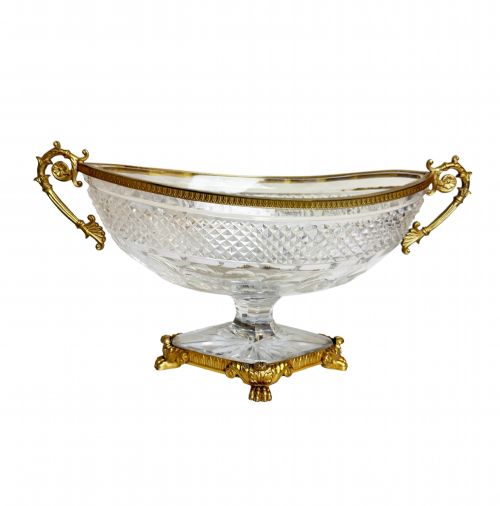
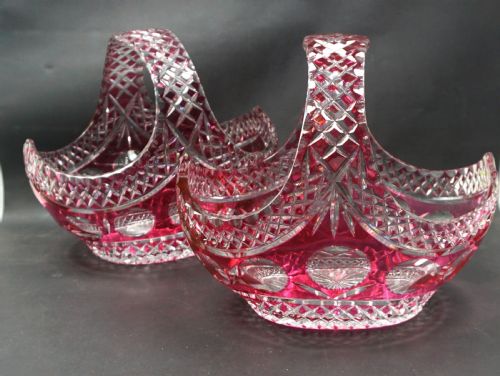
Most pieces meet on this page as English or continental glassware, encompassing clear glass, lead crystal, and flash-over coloured layers. Objects range from utilitarian items like jelly glasses and feeding cups to ornamental bowls and ewers mounted in silver or ormolu.
How they were made
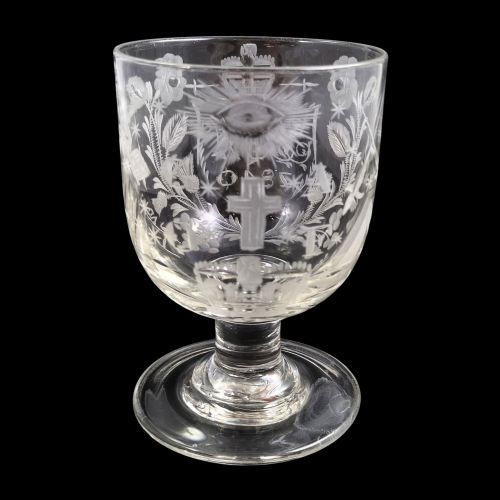
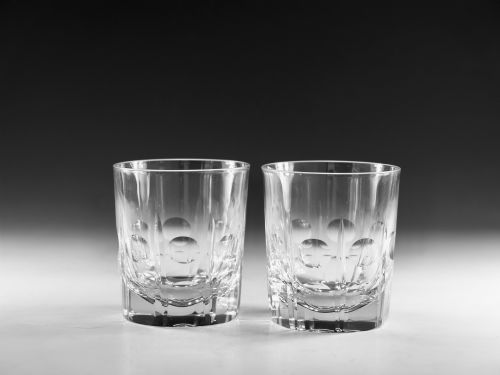
Makers utilised lead glass and flint glass, blowing molten material into moulds or freehand before applying cuts, intaglio engraving, and wheel-etching. Surface decoration frequently involved facets, flutes, and geometric patterns that caught the ambient light.
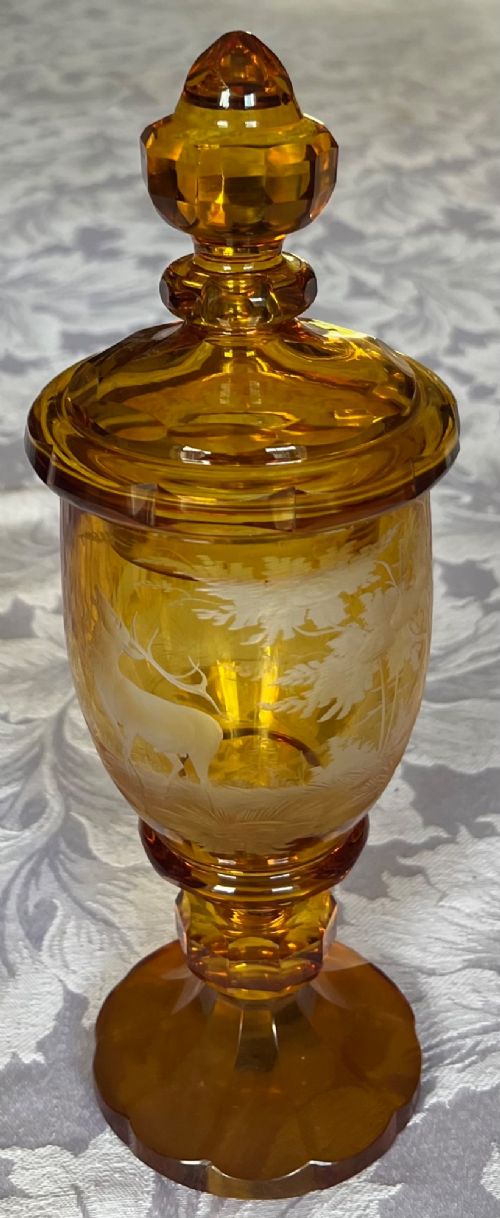
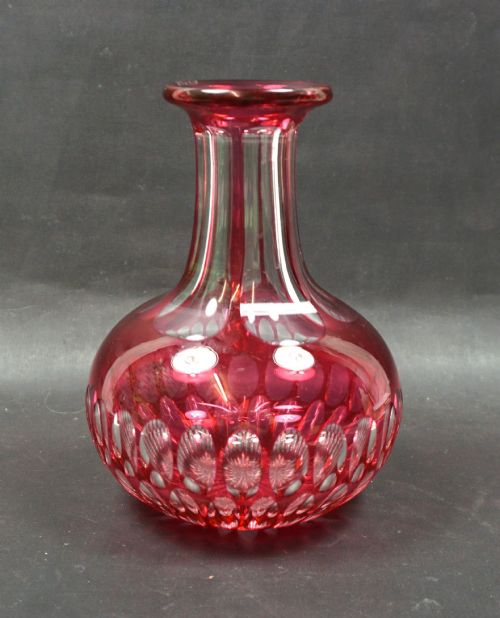
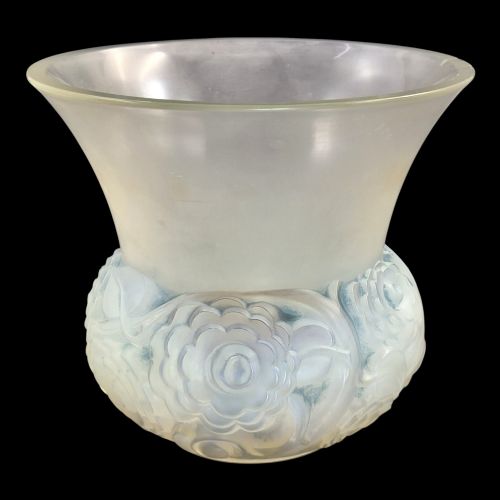
Coloured pieces often relied on a cased technique, fusing a thin layer of tinted glass over a clear crystal body before cutting back through the outer colour. Additional ornamentation included paste gilding and silver or ormolu mounts fitted securely to the glass structure.
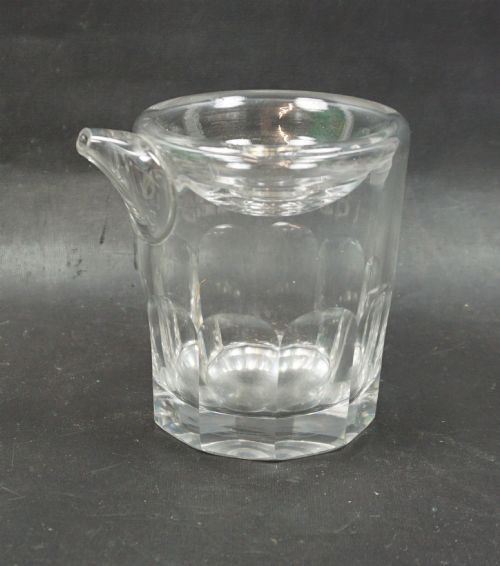
One unexpected survivor is a nineteenth-century crystal feeding cup, offering a glimpse into domestic care from the Georgian era.
What varies in quality
The clarity and resonance of the material set the baseline, with high-lead compositions offering greater brilliance and weight. Clean wheel-cutting displays crisp edges and precise symmetry, whereas lesser examples show softness in the facets and minor inclusions within the substance.
Artistic ambition also divides the standard, distinguishing straightforward table service items from complex engraved beakers or signed designer works. Original mounts, undamaged rims, and intact bases preserve the integrity of the piece over centuries of handling.
René Lalique·Charles Graffart·Val St Lambert
The Antique Crystal Vessel Glossary
- Rummer
- A large, sturdy drinking glass popular in the eighteenth and nineteenth centuries, often used for ale or wine.
- Lead crystal
- Glass containing lead oxide, which increases weight, refractive index, and brilliance.
- Opaque twist
- A stem decoration formed by white or coloured glass threads twisted inside the clear stem of a drinking glass.
- Intaglio
- A design incised into the surface of the glass so that the pattern sits below the outer plane.
- Baluster
- A heavy, turned stem style characteristic of early eighteenth-century English drinking glasses.
Antique Crystal Vessel: Frequently Asked Questions
Can I use these vessels for serving wine?
Many decanters and rummers remain fully functional for serving drinks, provided the interior shows no chemical staining or cloudiness from past use. Assess the condition of the inner surfaces before introducing liquids.
Delicate eighteenth-century wine glasses with air or opaque twists serve better for display or gentle toast use rather than daily dining routines.
What is the difference between lead glass and crystal?
Lead glass and crystal refer to similar high-clarity materials, though regulatory standards define crystal by specific lead oxide content and density. Both types were developed to improve brilliance and allow deeper cutting.
Historic British and continental makers used these terms interchangeably to describe vessels with superior weight and light-reflecting properties.
How do I date an old glass decanter?
Examine the base for pontil marks, where the pontil rod was snapped off during hand-blowing, which typically indicates production before the widespread adoption of machine grinding. Blow-moulded seams and stopper shapes also provide clues to the manufacturing period.
Compare the cutting style against documented periods like the Georgian era or the Edwardian period to narrow down the decade of manufacture.