


Antique Crystal Vanity Bottle
An antique crystal vanity bottle brings the tactile weight of dressing table accessories from the nineteenth and twentieth centuries into daily use.
Antique Crystal Vanity Bottle
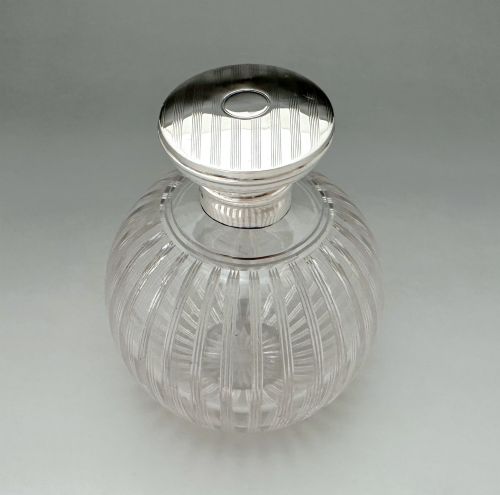
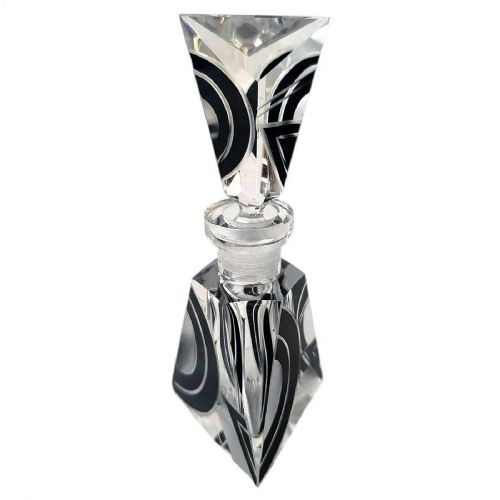
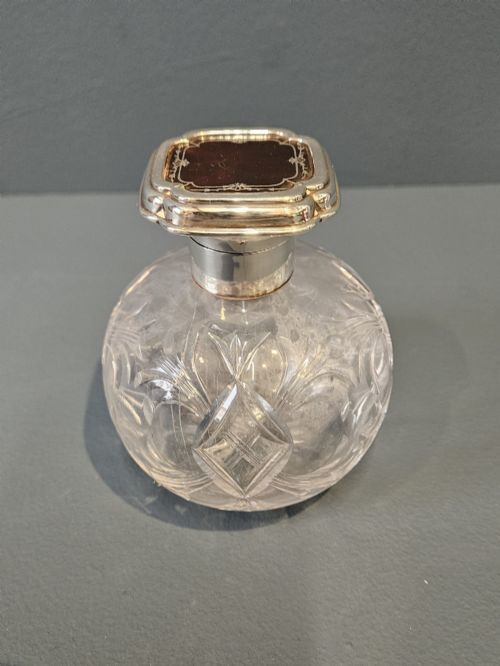
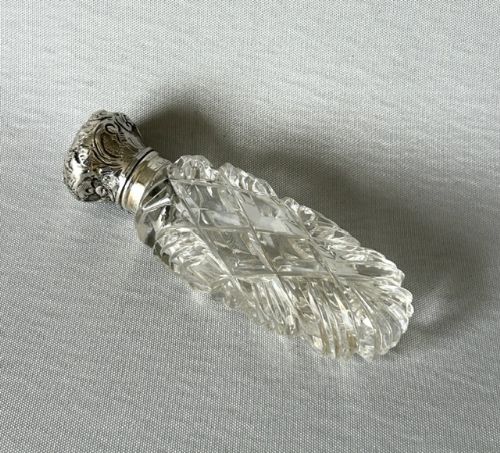
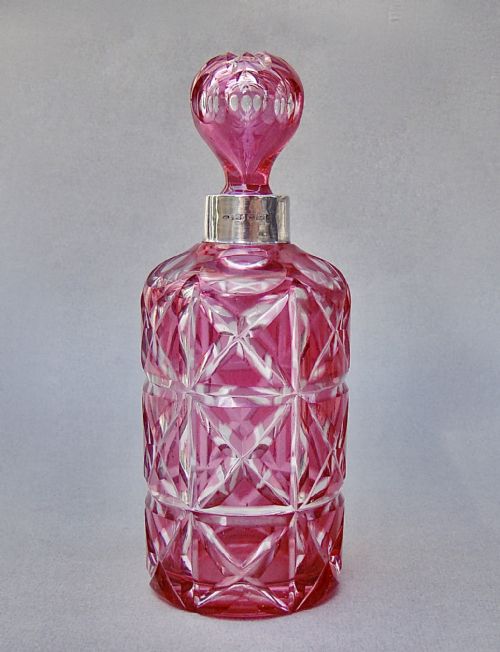
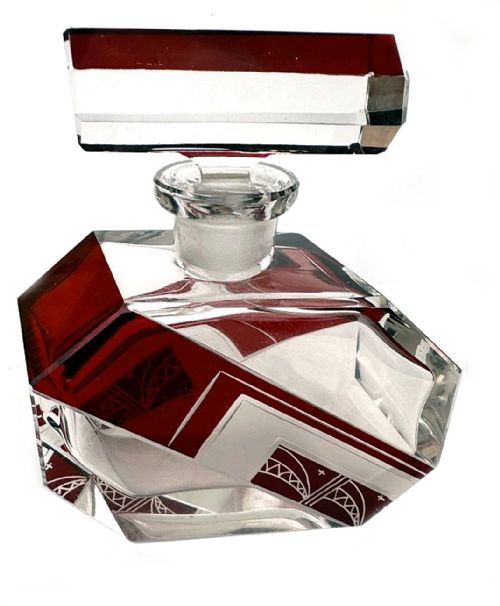
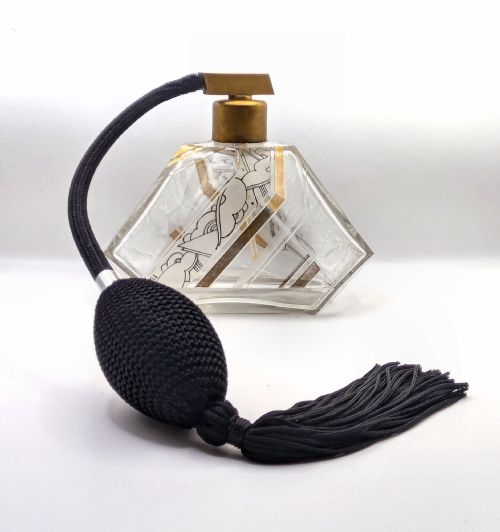
When you search for an antique crystal vanity bottle, you encounter vessels designed for perfume, cologne, and dressing table accessories across the Victorian, Edwardian, and Art Deco periods. The most frequent examples combine heavy cut glass or crystal bodies with sterling silver lids, collars, or atomiser hardware.
These pieces range from single travel items housed in original boxes to pairs and larger dressing table sets originating from English, French, and Czech makers. The forms include globular bottles, geometric vessels, and atomisers spanning the nineteenth century up to the 1930s.
Materials and construction
Makers shaped the bodies using cut glass, lead crystal, and coloured glass including cranberry, ruby, and green variants. Artisans then fitted these vessels with sterling silver mounts, chrome, or tortoiseshell and enamel details.
Techniques combined precision glass cutting and moulding with metal smithing, incorporating hallmarks on silver components and guilloche enamel decoration on select lids.
Listings span the Victorian, Edwardian, and Art Deco eras, featuring materials like cut glass, sterling silver, enamel, and tortoiseshell.
Variations in quality
The standard of a piece rests on the depth and crispness of the glass cutting, the weight of the crystal, and the integrity of any silver mounts or enamel work. Finer examples display intricate geometric or floral engraving on the glass paired with fully hallmarked precious metal hardware.
Design complexity also sets specimens apart, distinguishing simple utilitarian bottles from elaborate Art Deco pieces by notable makers or fitted travel cases lined with multiple matched containers.
Harold Bushell and Co·Karl Palda·Rene Lalique·Jonathan Douglas·Barnsley and Co·George Unite
The Antique Crystal Vanity Bottle Glossary
- Guilloche enamel
- A decorative technique involving precise, intricate mechanical patterns engraved beneath translucent layers of coloured enamel. It appears frequently on the lids of early twentieth-century vanity items.
- Cut crystal
- Glass containing lead oxide that increases its refractive index and weight, shaped with sharp wheel-cut facets. This material captures light and gives dressing table bottles their brilliance.
- Atomiser
- A spray mechanism fitted to a perfume bottle, often utilising a bulb and metal hardware to create a fine mist. These are characteristic of twentieth-century vanity designs.
- Sterling silver mount
- A collar, cap, or lid fashioned from silver of high purity, fitted to the neck of a glass bottle. These mounts frequently carry hallmarks indicating the assay office and year of manufacture.
- Dressing table set
- A coordinated group of accessories for the vanity, which can include perfume bottles, jars, and brushes. They were often matched in material and decorative style.
Antique Crystal Vanity Bottle: Frequently Asked Questions
How do I clean an antique bottle?
Wash the glass gently with warm, soapy water using a soft brush, avoiding any immersion of silver mounts, tortoiseshell, or enamel.
Dry the vessel thoroughly and leave the lid off until all interior moisture evaporates completely.
Can I still use these for perfume?
Many antique bottles remain watertight and function adequately for holding modern fragrances.
Check the ground glass stopper or silver seal first to ensure the liquid will not leak or evaporate.
How do I date these bottles?
Silver mounts frequently bear assay office hallmarks and date letters that pinpoint the exact year of manufacture.
Stylistic cues, such as geometric Art Deco cuts or Victorian ruby glass, help narrow down pieces lacking metal marks.
What is guilloche enamel?
Guilloche is a decorative metalworking process where a precise geometric pattern is mechanically engraved into the surface.
Translucent enamel is then applied over the engraving, allowing the underlying pattern to show through in coloured light.