




Antique Crystal Fruit Dish
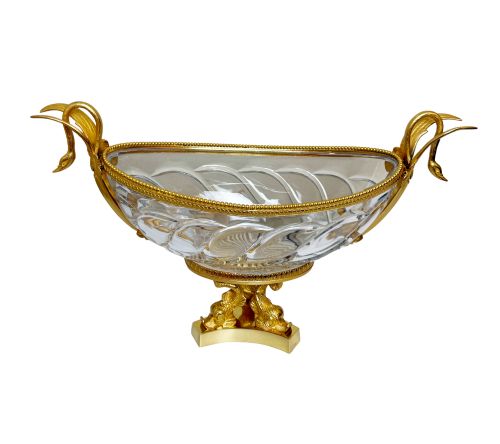
An antique crystal fruit dish brings weight and sparkle to a table, combining heavy cut glass with mounts of bronze, silver or gilt.
Antique Crystal Fruit Dish
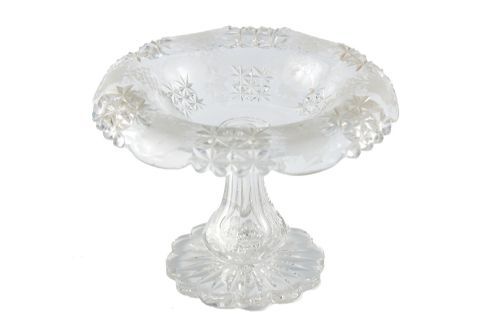
When you search for an antique crystal fruit dish, you encounter substantial vessels designed to hold fruit or serve as table centrepieces. These objects range from Georgian oval bowls to Edwardian cut glass dishes and heavy Victorian tazze stands.
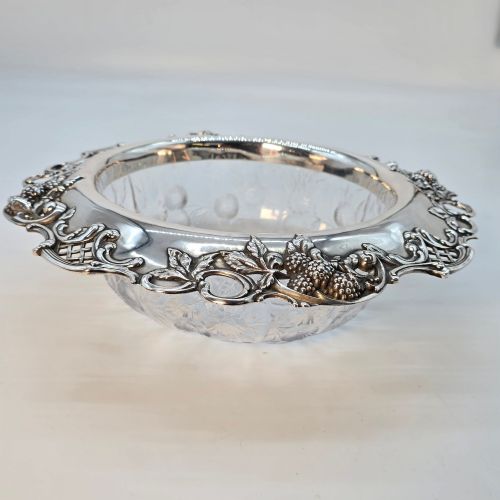
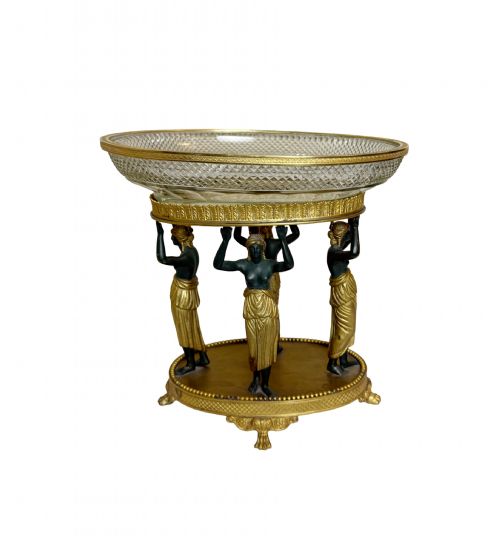
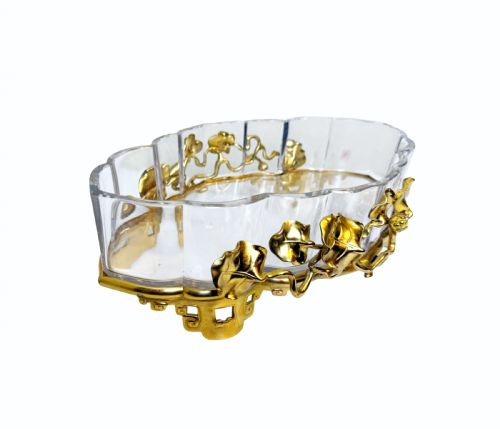
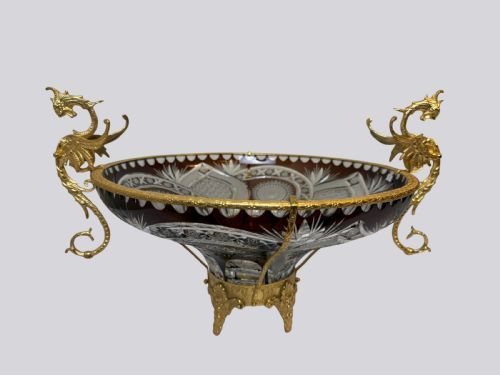
Many examples combine deep glass vessels with metal mounts, such as gilt bronze frames, ormolu, sterling silver and silver plate. Others take the form of coloured glass or overlaid crystal, drawing on French Empire, Art Nouveau and Art Deco designs.
The origins span English, French and Belgian workshops, alongside pieces produced by renowned makers. You will find items intended for formal dining tables, often resting upon dedicated metal stands or fitted with decorative handles.
Quality Factors
The depth, crispness and precision of the glass cutting determine the visual impact of the piece, where sharper facets catch the light more effectively. The weight of the lead crystal and the clarity of the metal-free handle or bowl indicate the grade of the material used.
The substance and detail of the metal mounts separate standard items from superior works. Cast gilt bronze or ormolu with defined chasing displays a higher standard of craftsmanship than simpler plated frames.
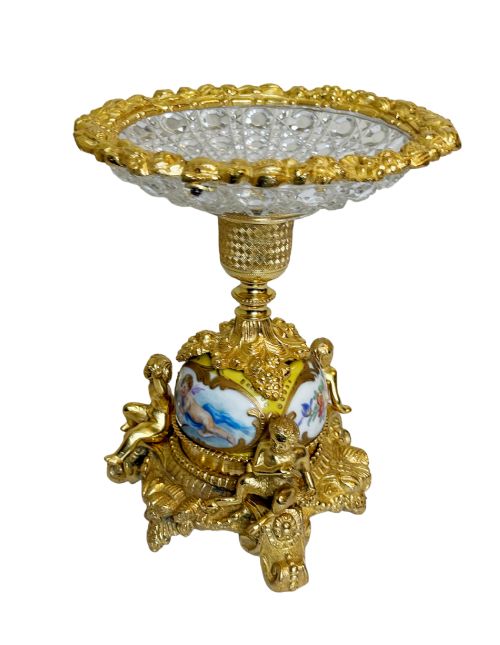
Some centrepieces feature mischievous gilt bronze cherubs peering out from beneath heavy crystal bowls.
Tiffany and Co·Rene Lalique·Val St Lambert·St Louis glassworks·Baccarat·Waterford
The Antique Crystal Fruit Dish Glossary
- Tazza
- A shallow bowl or dish mounted upon a stem and foot, frequently utilised for serving fruit or sweets in Victorian and Edwardian dining settings.
- Ormolu
- A metallic technique involving the application of finely ground high-carat gold to a bronze base, providing a rich, golden finish to mounts and frames.
- Lead crystal
- Glass containing a high proportion of lead oxide, which increases the weight, refractive index and brilliance of the material.
- Over crystal
- A layered glass construction where a coloured outer stratum is partially cut away to reveal the clear or contrasting glass beneath.
- Grand Tour
- A period of travel undertaken by wealthy Europeans through the continent, influencing the acquisition of decorative works and classical revival objects.
Antique Crystal Fruit Dish: Frequently Asked Questions
How are antique crystal fruit dishes cleaned safely?
Wash the glass by hand in lukewarm water using a mild detergent, supporting the weight of the bowl at all times. Avoid submerging metal mounts or silver components to prevent tarnish and damage to gilt finishes.
Dry the vessel immediately with a lint-free cloth to maintain the clarity of the cut crystal and protect any delicate enamel or metal detailing.
What periods do these glass bowls cover?
The pieces span from the Georgian era through the Victorian and Edwardian periods, extending into the early twentieth century. You will encounter styles ranging from classical Empire and French Rococo Revival to Art Nouveau and Art Deco.
Earlier examples often feature heavy Georgian or Victorian cut glass, while later twentieth-century pieces showcase coloured overlays and distinct factory marks from Belgian and French makers.
Can these dishes be used for serving food?
These bowls are suited for holding fruit or dry foodstuffs during dining occasions, provided the glass is free from damage and thoroughly cleaned. Avoid exposing older lead crystal or silver-mounted pieces to acidic foods for extended periods.
Dishes with delicate gold enamel decorations or gilt bronze mounts require careful handling to prevent wear during serving use.
How do you identify Edwardian cut glass?
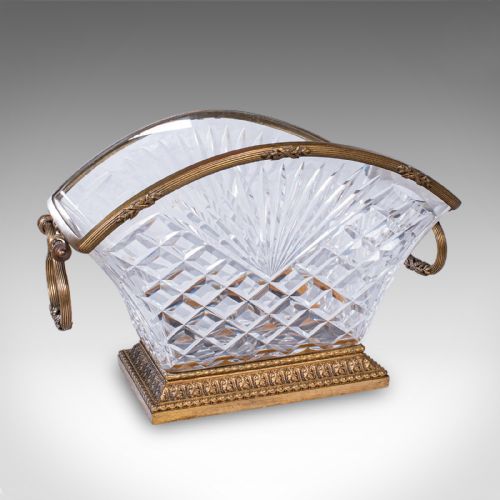
Edwardian pieces typically exhibit bright, heavy lead crystal with intricate diamond cutting, fan motifs and scalloped rims. The glass feels remarkably heavy due to the high lead content standard in this era.
Mounts from this period often incorporate silver plate or subtle brass frames, reflecting the domestic dining fashions of the early twentieth century.