


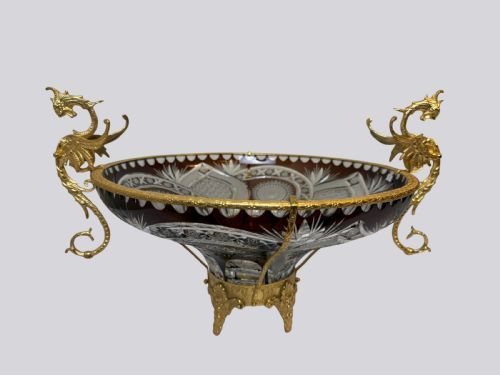
Clear Cut Glass Dish
A clear cut glass dish catches the light on a dining table or sideboard, bringing sparkle and substance to a room.
Clear Cut Glass Dish
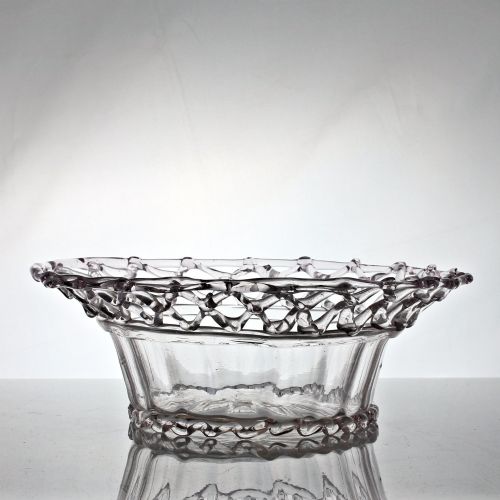
A clear cut glass dish encompasses a range of domestic tableware and decorative vessels designed for serving, display, or storage. When searching for this phrase, a buyer meets items spanning from the late eighteenth century through the Edwardian period and the art deco era.
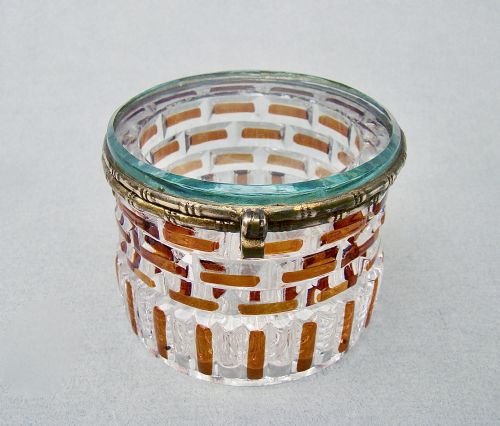
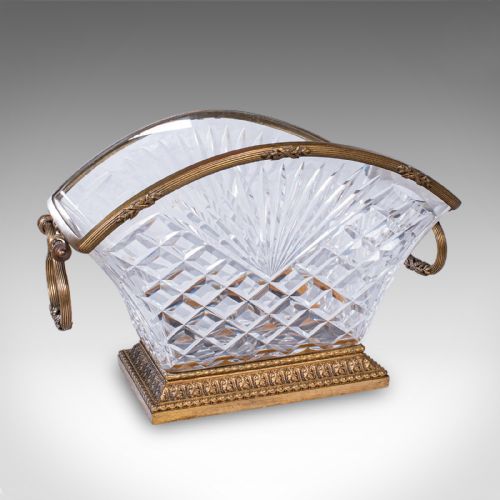
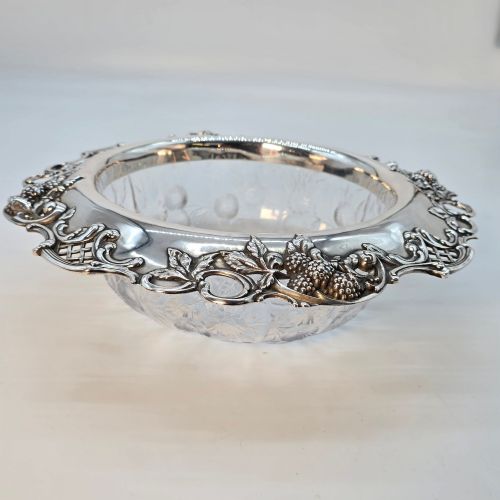
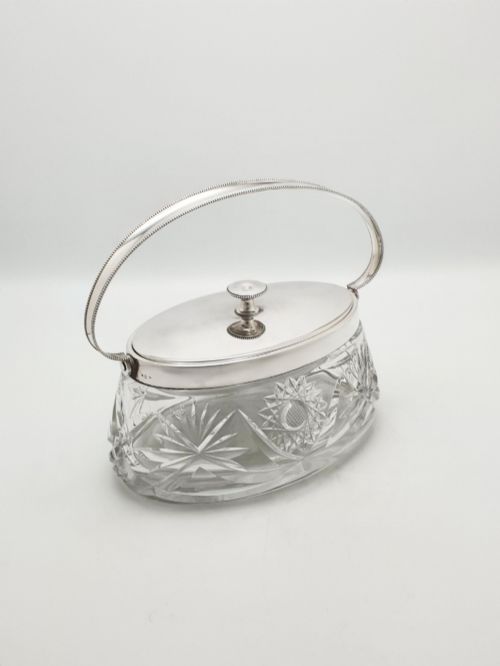
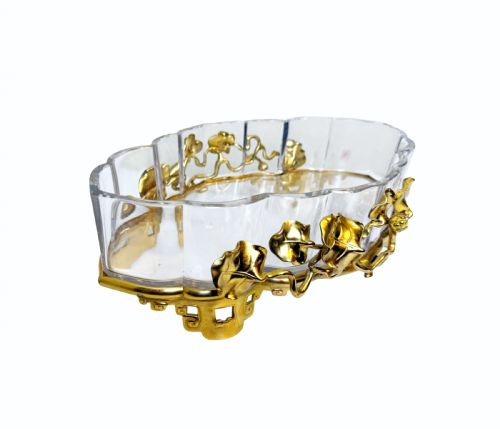
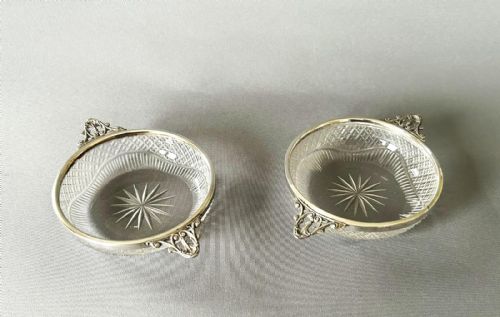
The objects take many forms, including fruit bowls, trinket boxes, serving dishes, and finger bowls. Examples appear alongside mounts of silver plate, brass, sterling silver, or gilt bronze, reflecting various stylistic movements from Victorian to French Belle Epoque.
Victorian and Edwardian pieces dominate the selections on this page, often presenting deep facets and starburst patterns. Georgian specimens also emerge, offering heavier profiles and distinct hand-cut characteristics from earlier workshops.
Assessing quality in cut glass
Quality rests upon the crispness of the cutting and the clarity of the material itself. Deep, precise facets that show sharp edges without minor surface ripples indicate superior workmanship by the glass cutter.
The integration of secondary materials also alters the character of a piece. Substantial mountings in sterling silver or gilt bronze, finished with careful detail, elevate the overall standard beyond standard mass-produced tableware.
Victorian dining tables often deployed these heavy glass vessels to hold everything from butter to sticky pastries, demanding robust washing routines.
Baccarat·Tiffany and Co·WMF·Hoffman·Joseph Simon for Val St Lambert
The Clear Cut Glass Dish Glossary
- Lead crystal
- Glass containing a high proportion of lead oxide, which increases weight, clarity, and the dispersion of light. This material allows for deeper and sharper facet cutting.
- Plafonnier
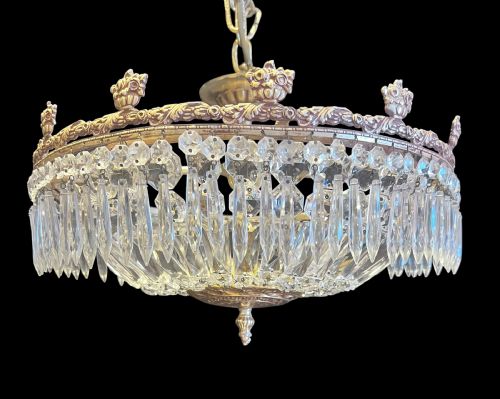
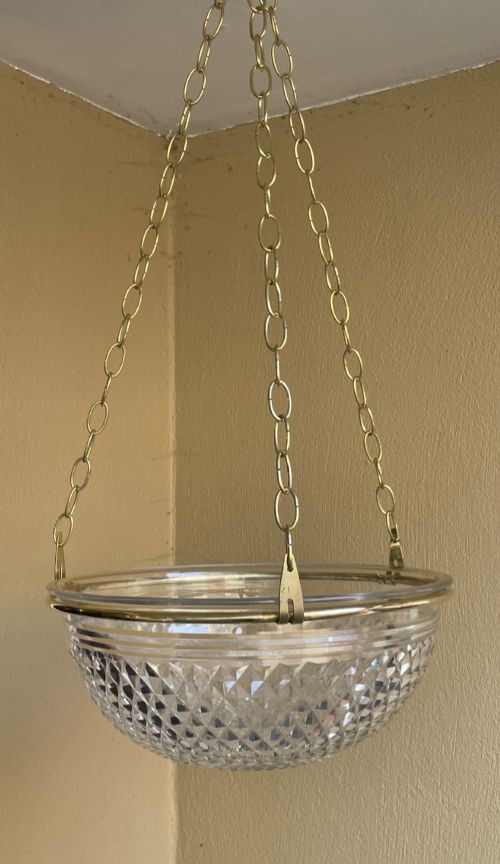
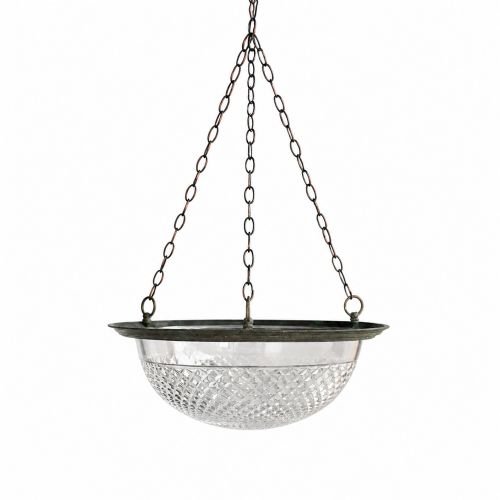
- A ceiling-mounted light fixture, often featuring a cut glass bowl held by metal hardware. These illuminate rooms while distributing light through faceted surfaces.
- Finger bowl
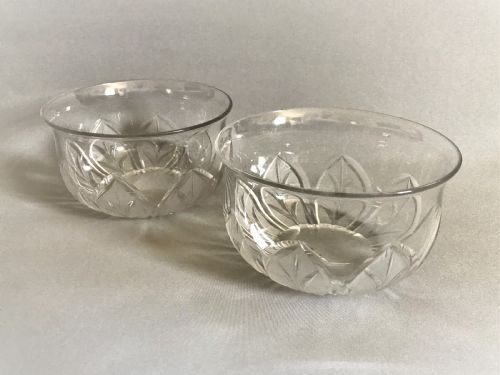
- A small bowl filled with water, used at the table for rinsing fingers between courses. Victorian examples frequently feature cut or etched patterns.
- Ormolu
- Gilded bronze or brass applied to decorative objects and mounts. It provides a warm golden contrast against clear or coloured glass.
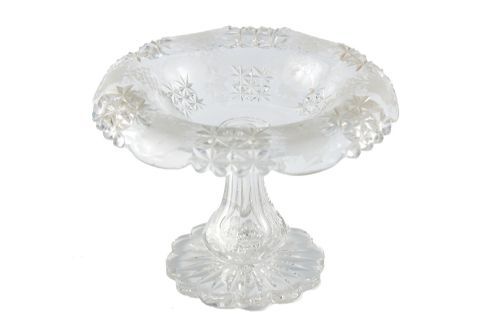
- Tazza
- An ornamental cup or shallow dish raised on a high stem and base. They serve as centrepieces or display vessels on tables.
Clear Cut Glass Dish: Frequently Asked Questions
How do I clean an antique glass dish?
Wash the glass by hand in lukewarm water using a mild detergent. Avoid harsh scrubbers that might scratch the surface or damage any mounted metal components.
Dry the piece immediately with a soft lint-free cloth to prevent water spots and to maintain the brilliance of the cut facets.
Were these dishes used daily?
Many of these vessels served practical roles on dining tables for fruit, butter, or biscuits. Others remained in parlours and dressing rooms as trinket boxes or decorative centrepieces.
Heavier lead crystal pieces were durable enough for regular household service, while finer items with delicate metal mounts saw more occasional use.
How can I date an old glass dish?
Examine the base for signs of wear, pontil marks, or specific manufacturing traits. Georgian and Victorian pieces often show hand-polished pontil scars and heavier proportions.
Stylistic cues such as art deco geometric lines or Edwardian starburst motifs help narrow the manufacturing era alongside any maker marks or silver hallmarks.
Can I use these for serving food?
Most antique glass and crystal dishes remain suitable for serving dry foods, fruit, or sweets. Modern food safety standards rarely pose an issue for short-term presentation.
Dishes with silver-plated or gilt bronze mounts require extra care to ensure acidic foods do not contact vulnerable metal surfaces.