

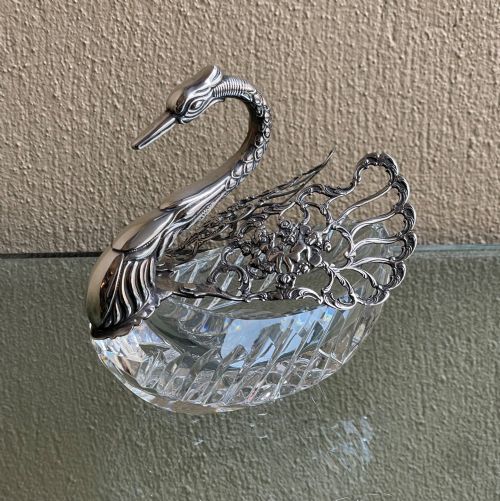


Edwardian Cut Glass Plate
When you search for an Edwardian cut glass plate, you are looking at domestic glassware mounted or formed in silver plate from the early twentieth century.
Edwardian Cut Glass Plate
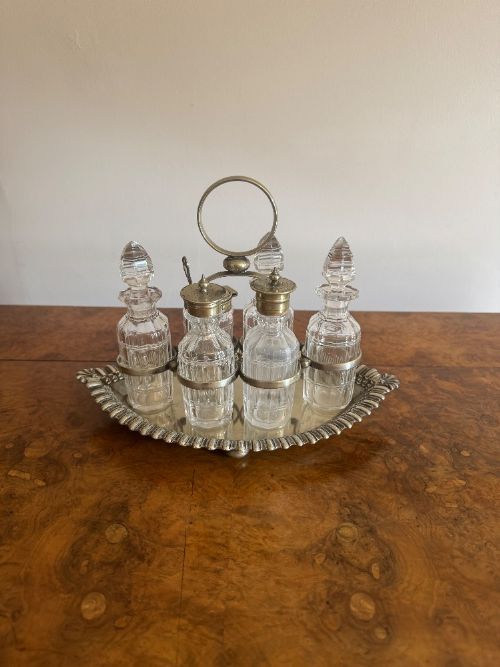
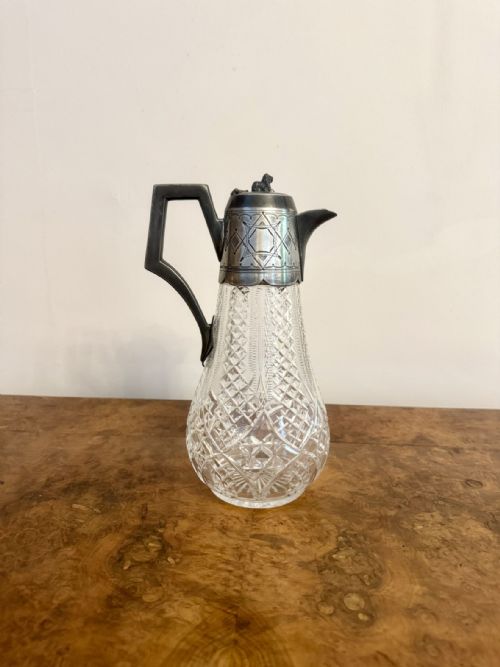
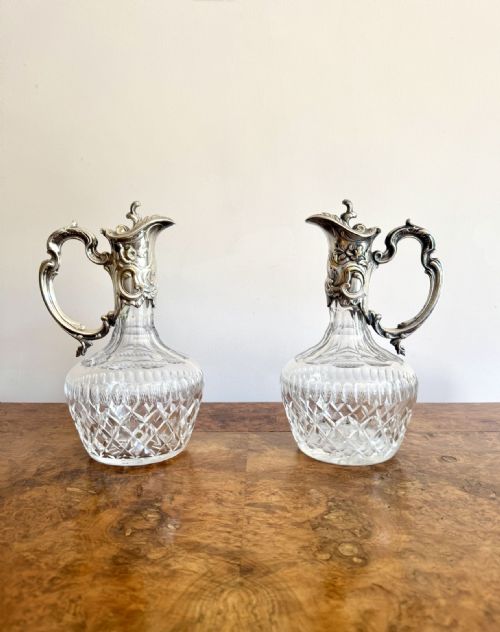
An edwardian cut glass plate and related tableware combine heavy cut crystal with silver plated mounts, stands, or rims. The evidence shows these pieces appearing primarily around nineteen hundred and the Edwardian period, alongside Victorian and later twentieth century items.
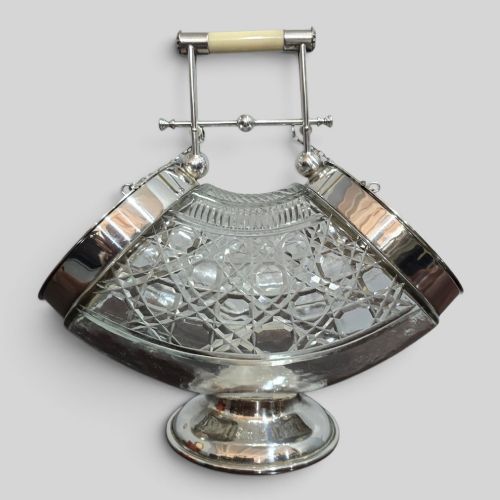
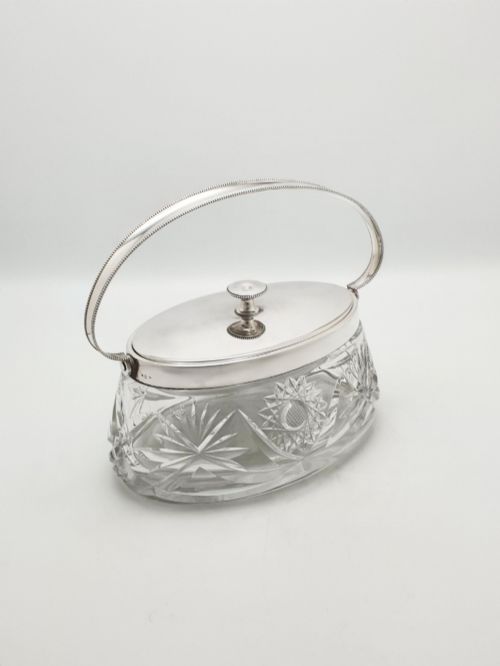
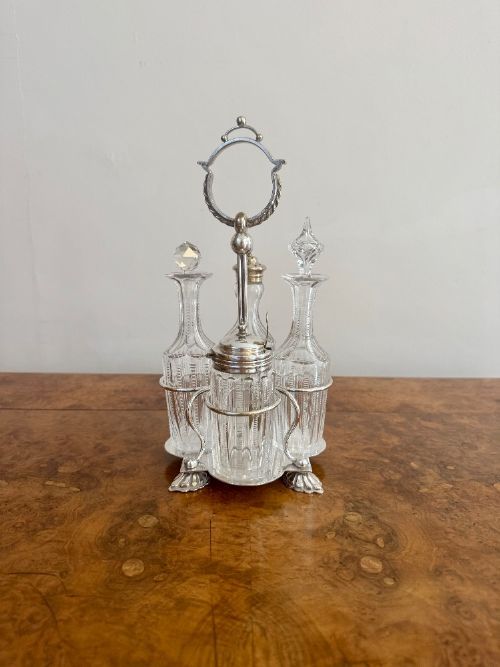
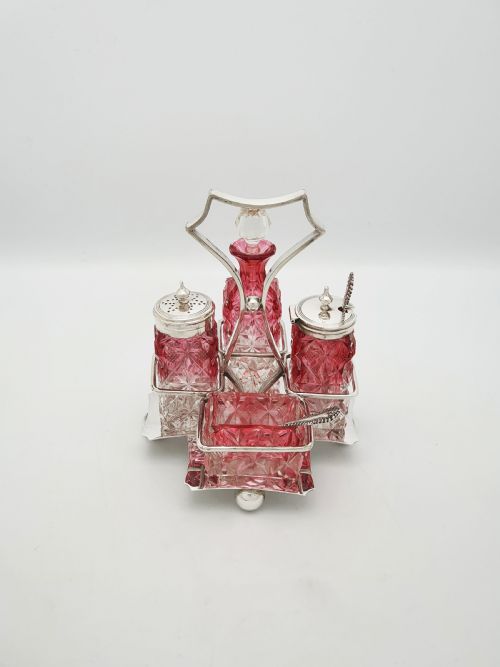
While the exact search phrase denotes a flat serving dish, the broader category encompasses cruet sets, claret jugs, biscuit barrels, and centrepieces. Buyers frequently encounter vessels where glass bodies are framed by plated metal handles, collars, and trays.
The objects stem from a period of domestic hospitality focused on dining, entertaining, and sideboard presentation. Surviving examples demonstrate how glass cutting and metal plating were paired for everyday dining tables and formal rooms.
How they were made
The manufacture relies on heavy glass blanks shaped by blowing or pressing, then hand-cut on stone wheels to create geometric facets, hobnail patterns, or fluting. This refractive crystal is paired with base metals coated in a layer of silver via electroplating.
Metal mounts, handles, and frames are cast or stamped before plating, then fitted tightly to the glass vessels using collars, hinges, and secure bezels. Cranberry glass variations involve metallic additives to the molten batch to achieve distinct colouration before cutting.
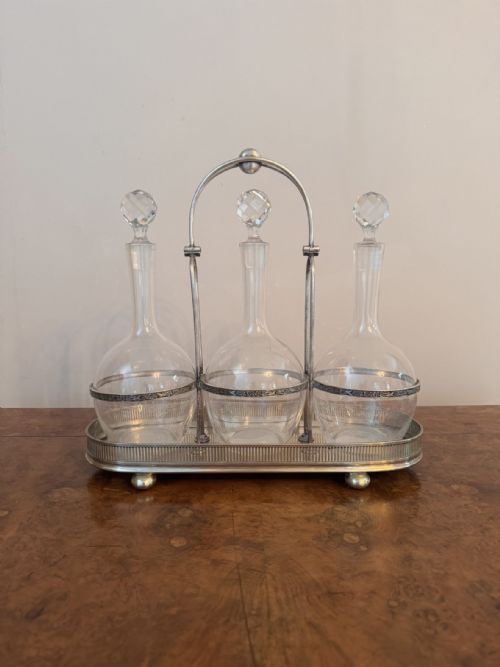
Some Edwardian spirit decanters came locked in frames called tantaluses, designed strictly to frustrate thirsty guests and servants.
What varies in quality
Quality rests upon the crispness and depth of the glass cutting, where sharp, clean facets catch the light differently than shallow, rounded grinding. Heavy blank construction provides a satisfying weight and balance to the finished piece.
The standard of the silver plating and the robustness of the mount fittings also separate standard items from finer productions. Maker involvement, seen in firms like Walker & Hall or WMF, often indicates sturdier mounts and more refined chasing on the metal components.
WMF·Walker & Hall·Elkington & Co
The Edwardian Cut Glass Plate Glossary
- Cut glass
- Glassware decorated by grinding patterns into the surface with abrasive wheels, producing sharp facets and brilliant light refraction.
- Silver plate
- A base metal, such as britannia metal or nickel silver, coated with a thin layer of pure silver through electroplating.
- Hobnail cut
- A raised, diamond-shaped decorative pattern cut into the glass surface, resembling the hobnails on heavy boots.
- Cruet set
- A matched collection of glass bottles or jars mounted in a metal stand for holding condiments, oil, vinegar, or sauces.
- Tantalus
- A locked wooden or metal frame holding decanters visible to guests but secured from unauthorized pouring.
Edwardian Cut Glass Plate: Frequently Asked Questions
What is an edwardian cut glass plate used for?
These glass plates and dishes served biscuits, preserves, relishes, or decorative functions on formal dining tables and sideboards during the early twentieth century.
Today they function well as display items or practical serving dishes for modern dining tables, bringing period character to a room.
How do I clean edwardian cut glass and silver plate?
Wash the glass gently in warm, soapy water using a soft cloth, avoiding abrasive scourers that can scratch the crystal surface or wear thin silver plating.
Dry the metal mounts promptly to prevent tarnishing and moisture retention around the fitted collars and joints.
How can I tell Edwardian pieces from Victorian ones?
Edwardian items tend to feature lighter, airier proportions and cleaner geometric cutting compared to the heavier, highly ornate flourishes typical of mid to late Victorian design.
Makers' marks, registration numbers, and stylistic cues like Jugendstil or Arts and Crafts influences also help narrow down the production era.
Can I use these antique items daily?
Many of these pieces were built robustly for daily household use, combining thick moulded glass with durable metal frames that withstand careful handling.
Hand washing is essential to preserve the delicate silver plating and prevent chemical damage from modern dishwashers.