



Clear Crystal Tray
These clear crystal tray examples span centuries of glassmaking, offering functional elegance for any surface.
Clear Crystal Tray
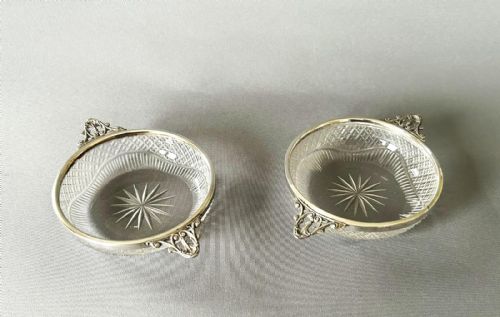
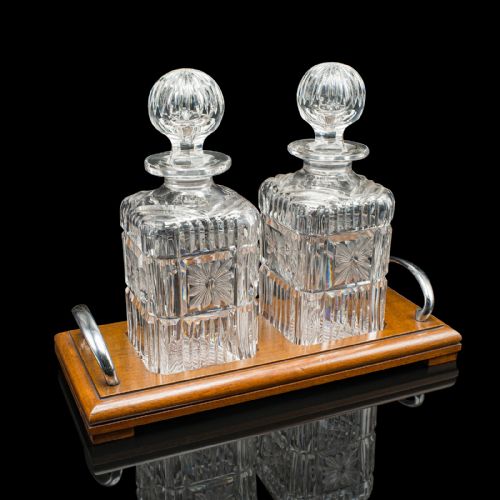
The pieces on this page originate from periods including the Georgian era, Victorian period, Edwardian years, and the 1930s Art Deco movement. Forms range from simple double heart-shaped dishes to grand tazzas with spreading folded feet and complete decanter services on silver-plated trays.
How they were made
These items rely on traditional glassmaking techniques, utilising lead crystal, cut glass, and frosted glass. Makers shaped the material through heavy hand-cutting and moulding to achieve the crisp facets and refractive qualities seen across the inventory.
Many examples incorporate metalwork alongside the glass. Silver, sterling silver, and silver plate appear as mounts, lids, and dedicated trays that hold the glass components securely in place.
Listings feature four distinct periods: Georgian, Victorian, Edwardian, and Art Deco.
What varies in quality
Depth and precision of the cutting separate standard wares from exceptional examples. Sharp, clean facets catch the light differently than softer, moulded patterns.
The weight of the lead crystal and the integration of precious metals like sterling silver rather than silver plate dictate the upper tier of these pieces.
Mappin And Webb·René Lalique
The Clear Crystal Tray Glossary
- Lead crystal
- Glass containing a significant proportion of lead oxide, which increases weight, clarity, and refractive index.
- Tazza
- An elevated shallow bowl or saucer supported on a stem and foot, used for serving or display.
- Cruet set
- A matched group of small bottles or containers for condiments, often held within a fitted frame or tray.
- Silver plate
- A base metal coated with a thin layer of silver, providing the appearance of solid silver at a different weight.
Clear Crystal Tray: Frequently Asked Questions
What were crystal trays used for?
These items served various domestic functions, from holding inkwells and pens on a desk to presenting small trinkets, pins, or ashes in a drawing room.
Larger variations functioned as part of decanter sets or served sweets and fruits at the table during formal gatherings.
How do I clean antique crystal?
Wash the glass gently in lukewarm water using a mild, non-abrasive detergent to preserve the surface finish and prevent thermal shock.
Dry the pieces thoroughly with a lint-free cloth to maintain the refractive clarity of the cut patterns.
How can I tell the period?
Examine the style of the cutting, the mounting metals, and the overall form to determine the likely era of manufacture. Victorian and Edwardian pieces often feature ornate silver elements, while Art Deco items display geometric precision.
Reference marks on any silver components or signatures on the glass surface provide further indication of origin and date.
Are silver mounts common on these trays?
Many examples incorporate silver or silver-plated mounts, frames, and lids to complement the brilliance of the glass.
These metal additions often secure the glass vessels or provide structural support for more intricate serving pieces.