


Antique Crucifix Sculpture
An antique crucifix sculpture carries centuries of devotion, shifting from Spanish Baroque drama to quiet Gothic Revival reverence in carved wood and cast iron.
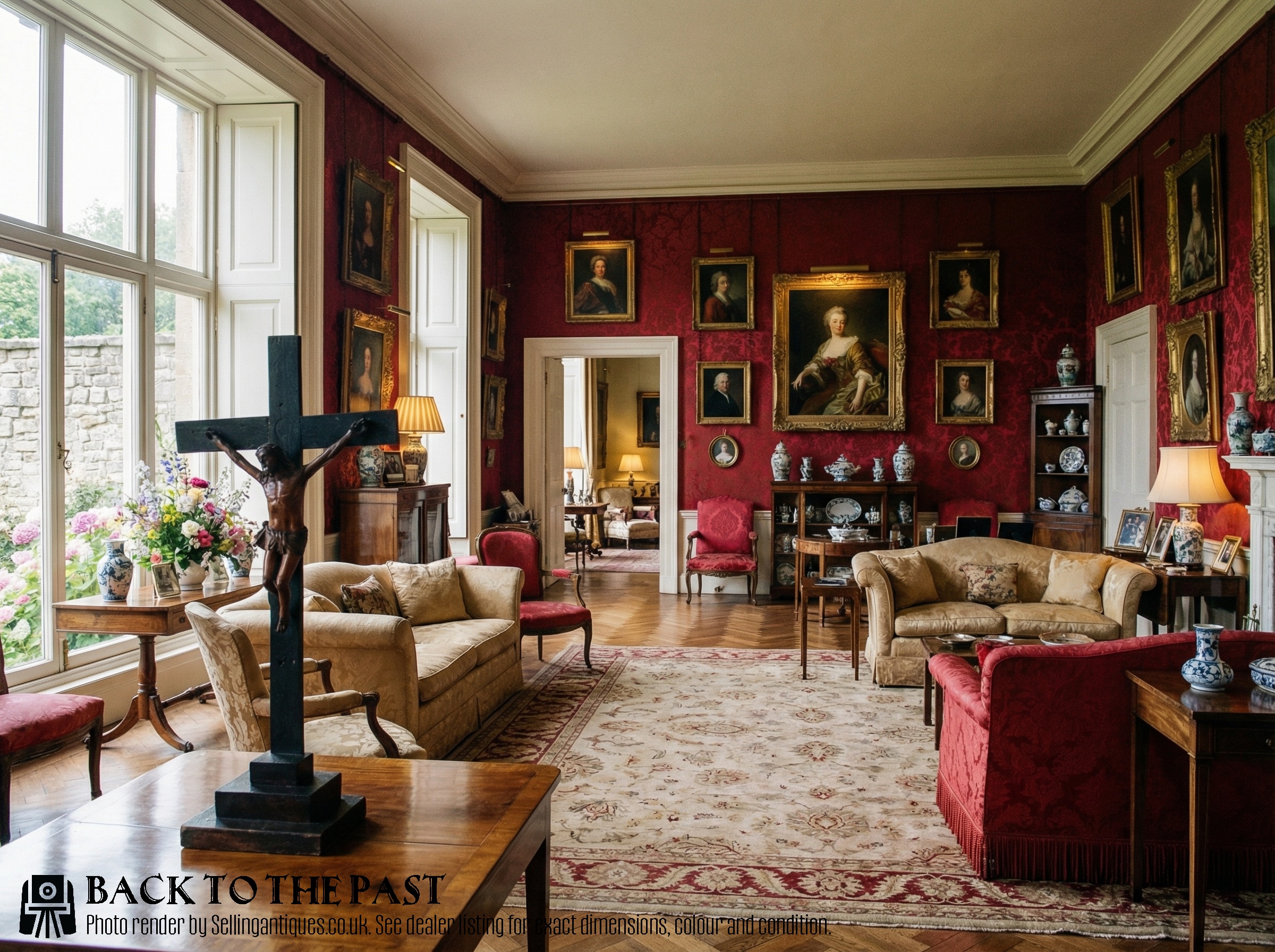
Antique Crucifix Sculpture
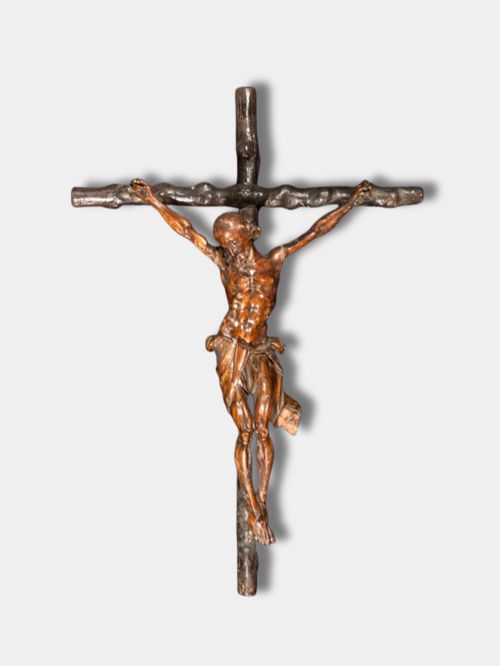
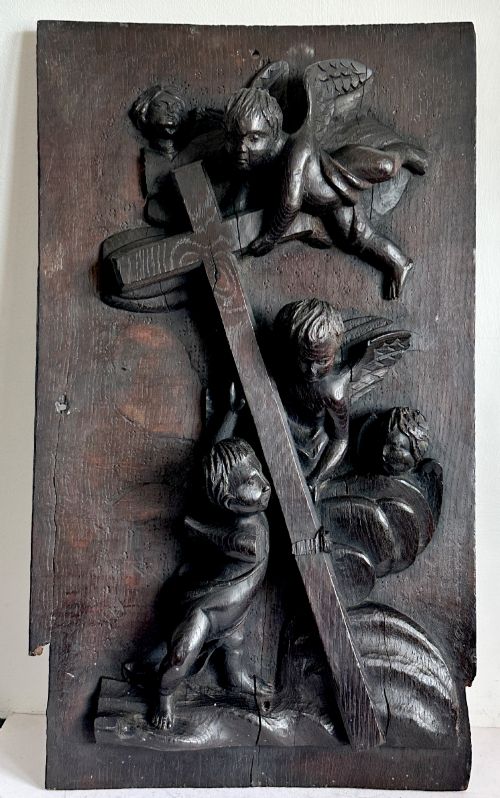
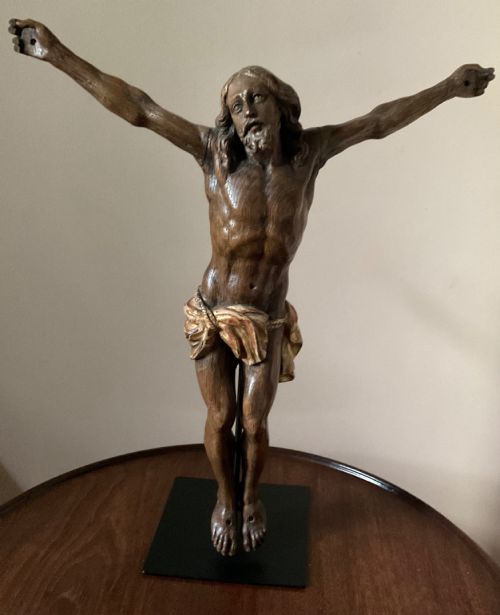
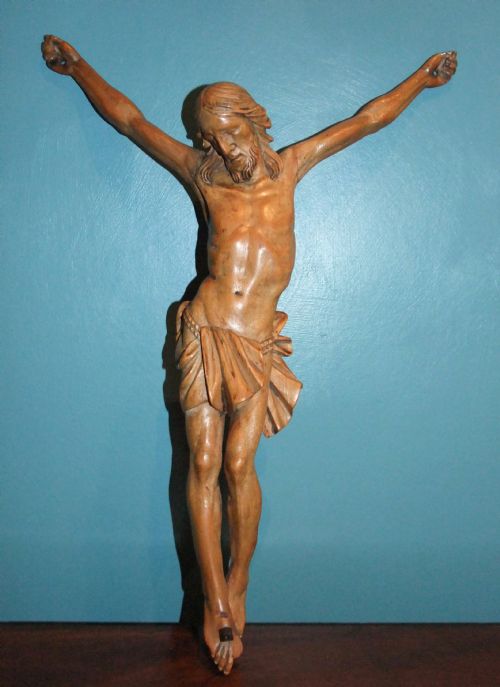
An antique crucifix sculpture represents the figure of Christ on the cross, created across the sixteenth, seventeenth, eighteenth, and nineteenth centuries. These works serve as profound objects of devotion and ecclesiastical art, originating from workshops in Spain, France, and the Low Countries. Collectors encounter standing crucifixes, wall reliefs, and standalone corpus figures designed for both private contemplation and larger sacred spaces.
The pieces on this page span diverse stylistic movements, including Spanish Baroque, French Baroque, Renaissance, and Art Deco. Examples range from monumental life-size figures to intimate boxwood and olive wood table pieces. Many items highlight regional interpretations of religious iconography, such as the inclusion of a skull at the base or intricate polychrome surfaces.
How they were made
Carvers shaped these sculptures from traditional timbers including oak, fruitwood, boxwood, lime wood, and hardwood. Artisans frequently applied parcel gilt and polychrome finishes to enhance the lifelike presence of the corpus. Metalwork examples utilise durable cast iron, particularly for robust grave markers and architectural elements.
Makers employed sophisticated joinery and relief carving techniques, evident in multi-part wooden panels and freestanding corpus figures. The combination of dense hardwoods with delicate surface gilding demonstrates the high level of craftsmanship demanded by ecclesiastical commissions.
Materials across the listings include oak, fruitwood, boxwood, lime wood, cast iron, and parcel gilt wood.
What varies in quality
The distinction between standard workshop output and exceptional sculpture lies in the anatomical precision and expressive depth of the carving. Master carvers captured musculature, drapery, and facial emotion with striking realism, whereas lesser pieces rely on rigid symmetry and minimal detail. The preservation of original polychrome pigment and parcel gilding also elevates the standing of an object.
Proportion and material selection further differentiate these sculptures, particularly in the contrast between common softwoods and dense, finely grained boxwood or fruitwood. Pieces that retain their original crosses, bases, or associated iconography demonstrate greater integrity than assembled or heavily restored examples.
The Antique Crucifix Sculpture Glossary
- Corpus Christi
- The sculptural figure of Christ attached to the cross. This term focuses specifically on the body rather than the entire crucifix structure.
- Polychrome
- Painted in several colours. This technique was frequently applied to wood sculptures to create lifelike skin tones and tinted garments.
- Parcel Gilt
- Partially gilded with gold leaf or powder. Artisans used this method to highlight specific areas of a sculpture while leaving underlying wood or paint visible.
- Wall Relief
- A sculpture that projects from a flat background surface. These pieces were designed to be mounted directly onto walls within homes or chapels.
- Baroque
- An ornate artistic style prevalent from the seventeenth to the eighteenth century. It is characterised by dramatic tension, exaggerated motion, and deep emotional intensity.
Antique Crucifix Sculpture: Frequently Asked Questions
How were antique crucifix sculptures used?
These sculptures served as focal points for private prayer in domestic spaces, as well as devotional objects within churches, convents, and monastic institutions. Larger examples functioned as processional crosses or architectural markers.
Some heavy cast iron pieces were produced specifically as grave markers in churchyards. Their placement reflected both personal piety and community remembrance.
How do I date a wooden corpus?
Dating relies on stylistic clues, tool marks, and the ageing of the timber. Sixteenth and seventeenth-century pieces often display the robust carving and dramatic posture typical of Renaissance and early Baroque movements.
Later nineteenth and twentieth-century works, such as Gothic Revival or Art Deco pieces, introduce more stylised proportions and alternative aesthetic influences.
Where did these sculptures originate?
The pieces originate primarily from European ecclesiastical centres, with strong representation from Spanish, French, and Low Country workshops. Regional carving traditions heavily influenced the choice of timber and surface decoration.
French and Spanish makers frequently utilised local fruitwoods, boxwood, and lime wood, applying traditional gilding and polychrome methods native to those regions.
How do I care for a wooden crucifix?
Wood sculptures require stable environmental conditions with moderate humidity to prevent the timber from splitting or warping. Keep them away from direct heat sources and strong sunlight to protect fragile polychrome and gilt surfaces.
Dusting should be done gently with a soft, dry brush, avoiding liquid cleaners or polishes that might damage ancient finishes.
What is the difference between a crucifix and a corpus?
A crucifix refers to the complete object, consisting of the cross combined with the figure of Christ. The corpus is strictly the sculptural figure itself, which is frequently found separated from its original cross.
Listings often specify whether a piece includes both elements or solely the standalone wooden or metal figure.