


Antique French Crucifix
An antique french crucifix is a devotional object that brings historic craftsmanship and sacred art into the home.
Antique French Crucifix
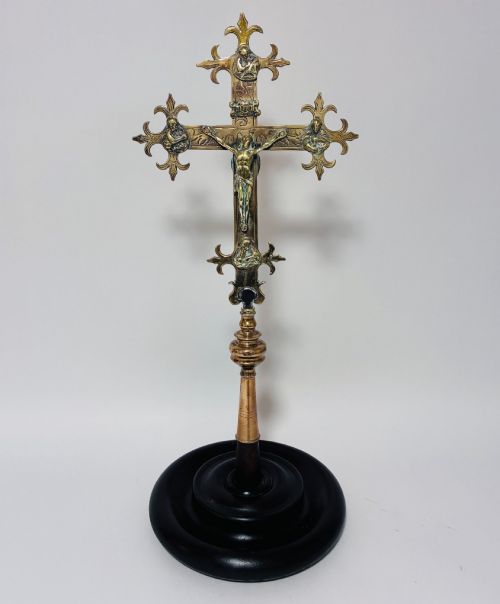
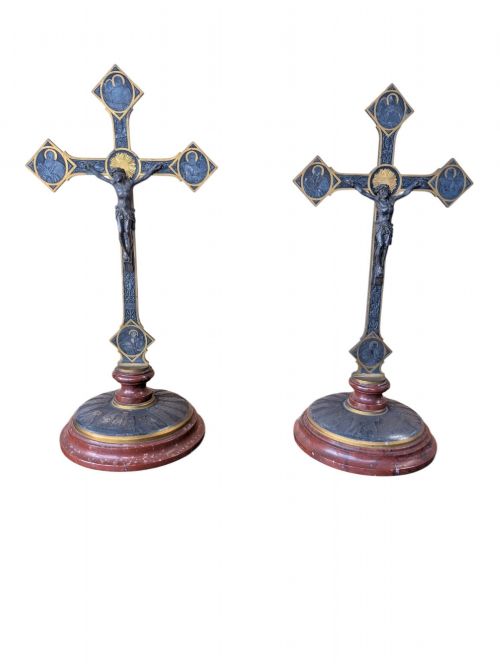
An antique french crucifix spans centuries of devotional craftsmanship, appearing in domestic interiors and ecclesiastical settings alike. The selection on this page demonstrates remarkable variety, moving from intimate pendants to monumental altar crosses and grave markers.
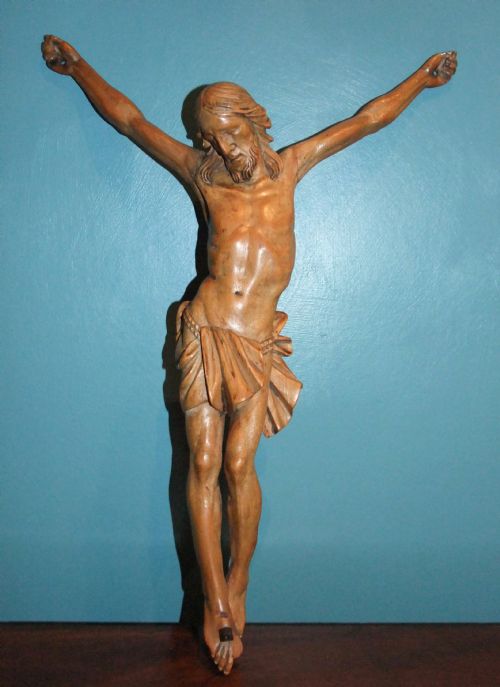
Buyers frequently encounter works shaped by distinct stylistic revivals and regional workshops, ranging from modest provincial fruitwood carvings to ornate gilt metal altar pieces. The forms include wall crucifixes, standing crosses, and detailed life-size figures of Christ.
Origins stretch across multiple periods, with significant representation from the seventeenth, eighteenth, and nineteenth centuries. Each piece carries the distinct marks of its era, whether adhering to the severe lines of Gothic revival or the elaborate curves of Rococo styling.
How they were made
Traditional materials dominate the evidence, utilising durable hardwoods such as boxwood, fruitwood, and rosewood for the structural crosses and sculpted figures. These woods were often turned, joined, or meticulously hand-carved to capture the anatomical details of the corpus.
Metalworking techniques are equally prominent, employing cast iron, brass, bronze, and gilt metal to create robust altar crosses and heavy grave markers. Artisans also worked with delicate organic media, incorporating coral and seed pearls into smaller pendant crosses.
Surface finishes varied according to liturgical function and domestic taste, utilising gilding and polished wood treatments to enhance the visual weight of the devotional imagery.
At least one cross has travelled far enough to find itself attributed jointly to France and Spain, blurring borders.
What varies in quality
The sophistication of the carving defines the upper tier of sculptural figures, where anatomical precision and emotional expression reveal the hand of a skilled artisan. Simpler provincial pieces rely on robust utility rather than refined sculptural nuance.
Materials dictate the inherent stature of an object, distinguishing heavy cast bronze or carved boxwood from lighter stamped metals and secondary woods. The integration of secondary elements, such as coral and seed pearl work, elevates the intricacy of personal pendants.
Scale and proportion govern the presence of larger works, where monumental altar crosses and life-size figures command architectural authority compared to smaller domestic wall pieces.
The Antique French Crucifix Glossary
- Corpus
- The sculptural figure of Christ attached to the cross. This element showcases the primary carving ability of the maker.
- Altar cross
- A freestanding crucifix designed to sit upon a church or chapel altar. These pieces often feature heavier bases for stability during liturgical use.
- Grave marker
- A durable exterior cross, typically cast in iron, used to mark a burial site. These objects prioritize structural endurance against the elements.
- Pendant
- A small devotional cross worn on the person or carried. They frequently incorporate precious materials like seed pearls and coral.
- Gothic revival
- An architectural and decorative style drawing inspiration from medieval design. It manifests in pointed arches and vertical emphasis on crosses.
Antique French Crucifix: Frequently Asked Questions
Where were antique french crucifixes placed?
These objects served various devotional functions, appearing on domestic walls, domestic altars, and within larger ecclesiastical spaces. Larger examples such as altar crosses and grave markers belonged strictly to church and yard settings.
Smaller items like pendants were kept close to the person for private prayer and reflection. Domestic crucifixes anchored the spiritual life of the household in bedrooms and living spaces.
How do I date an antique crucifix?
Dating relies heavily on the stylistic clues present in the carving and the materials used. Seventeenth-century examples often display dense boxwood and olive wood, while nineteenth-century pieces embrace industrial casting techniques in iron and brass.
Stylistic revivals also provide context, as nineteenth-century workshops frequently recreated Gothic or Rococo forms. Examining the construction of the corpus and the base helps align the piece with its period of origin.
What is the difference between a crucifix and a cross?
A cross is simply the geometric intersecting framework without any additional sculptural figures. A crucifix specifically incorporates the corpus, or the figure of Christ, mounted upon the wood or metal structure.
Most devotional pieces on this page take the form of the crucifix, emphasising the narrative of the Passion. Simpler crosses appear more frequently in personal jewellery and decorative pendants.
How should I care for wooden crucifixes?
Wooden pieces require stable environmental conditions away from direct heat sources and excessive moisture. Sudden changes in temperature can cause historic fruitwood or boxwood to split or warp.
Gentle dusting with a soft cloth preserves the surface without the need for modern chemical polishes. Respecting the aged patina ensures the historic character remains intact.