




Antique Crown Derby Porcelain
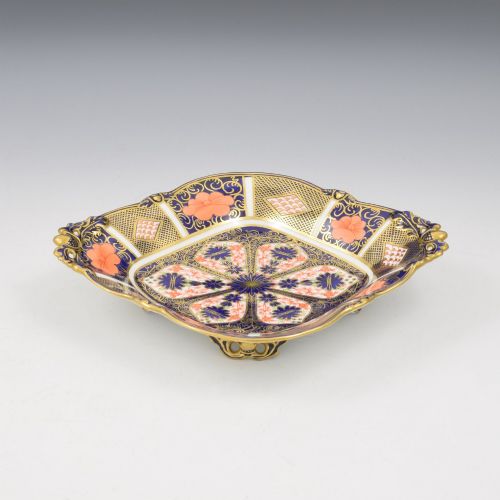
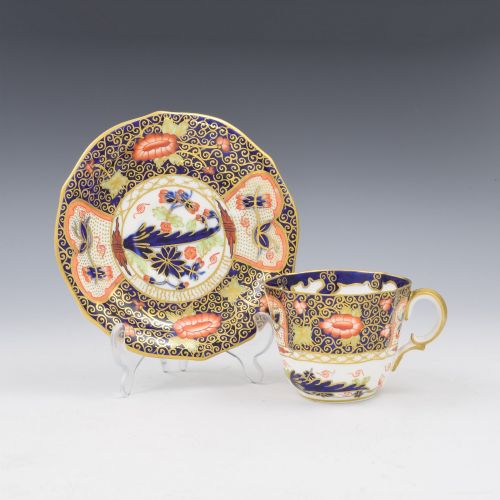
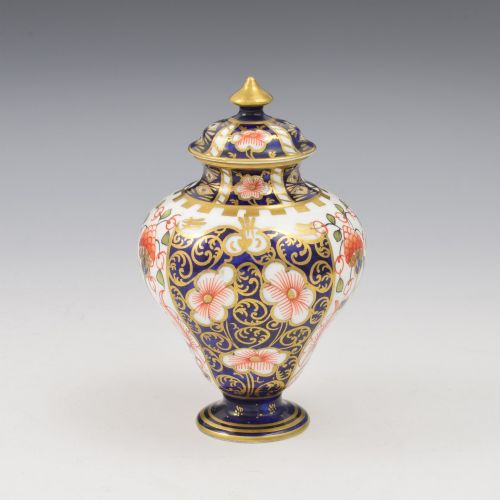
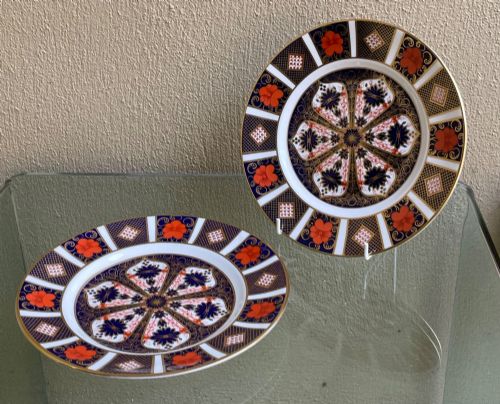
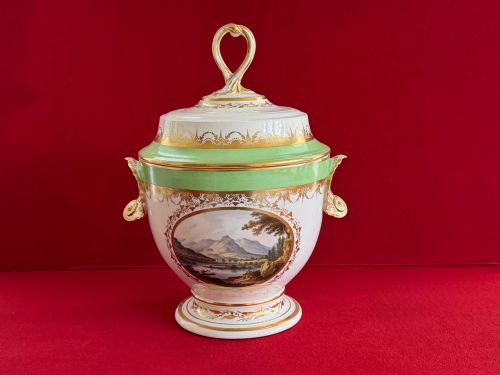
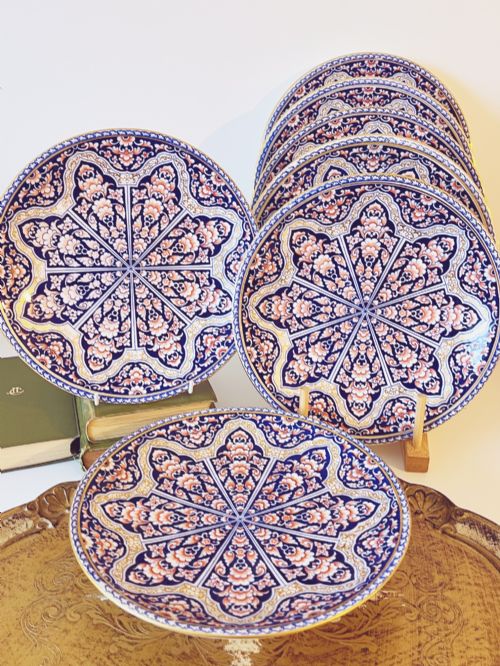
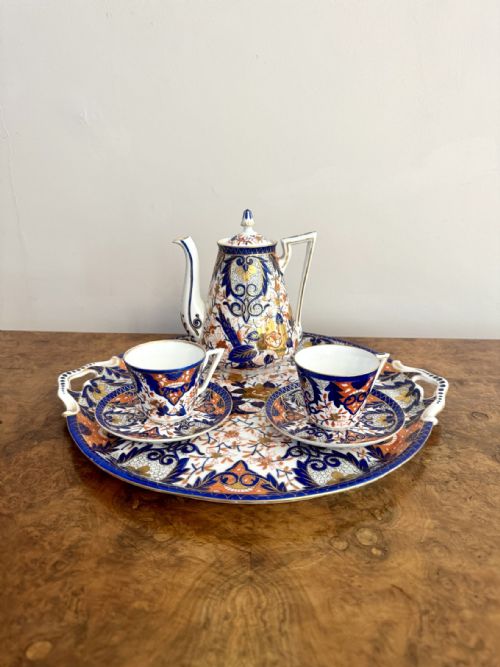
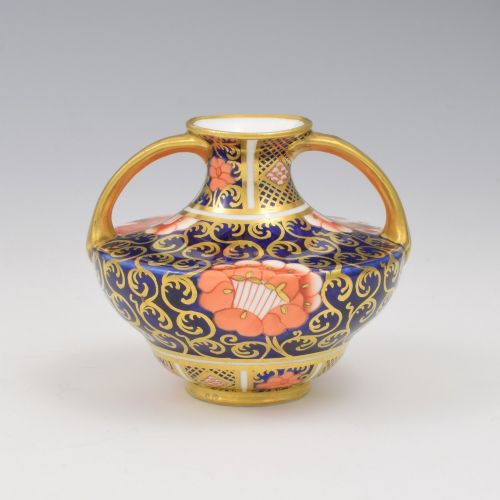
These pieces of antique crown derby porcelain bring rich Imari palettes and hand-painted gilt scenes straight to the cabinet from Georgian, Victorian, and Edwardian dining rooms.
Antique Crown Derby Porcelain
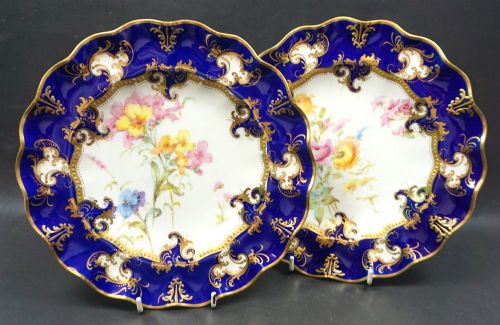
When searching for antique crown derby porcelain, a buyer encounters a diverse range of utilitarian and decorative objects spanning multiple centuries. The selection encompasses cabinet plates, dessert services, vases, ewers, and miniature items such as flat irons and solitaire sets.
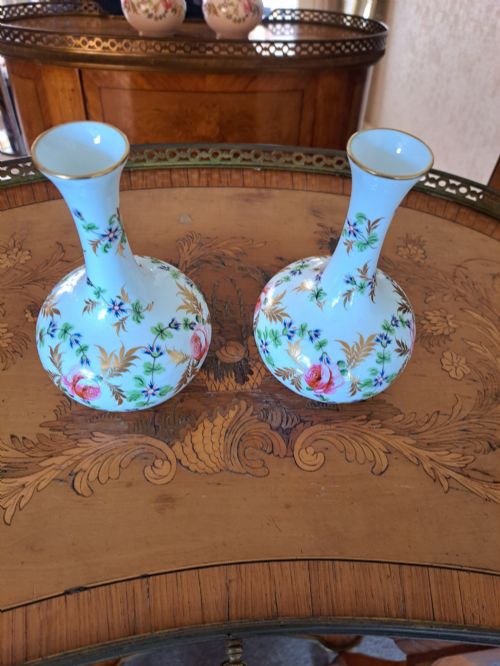
The forms most commonly met on this page include Imari pattern plates, cups and saucers, and decorative urns originating from periods like the Georgian, Victorian, and Edwardian eras. These items reflect both the daily dining habits and the ornamental tastes of past British households.
How they were made
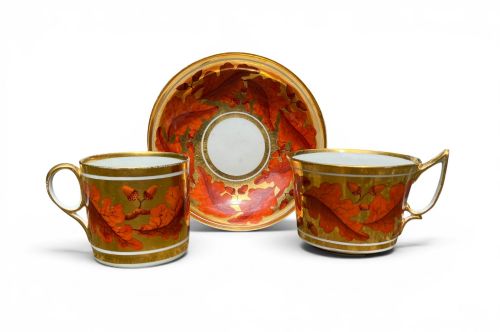
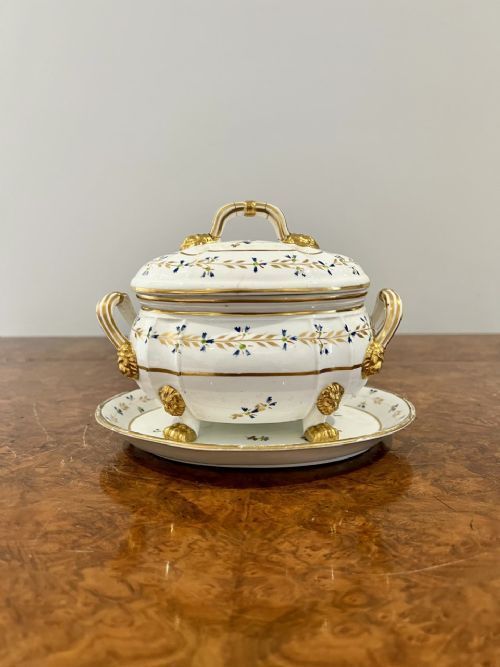
The physical items combine fine porcelain and bone china bodies decorated with enamel, gold leaf, and extensive gilding. Artisans applied these materials by hand to create intricate surface patterns and painted views.
Techniques span detailed hand painting of landscapes and figures alongside the application of rich Imari palette designs. Gold leaf and gilt highlights were carefully fused to the glazed ceramic surfaces during firing.
A miniature porcelain flat iron on a matching stand lets tiny garments receive imaginary pressing.
What varies in quality
Quality in these ceramics rests upon the precision of the hand painting and the complexity of the gilt decoration. Pieces featuring named artist signatures or detailed scenic views command attention for their individual artistic execution.
The depth and vibrancy of the Imari colours, combined with the crispness of the porcelain moulding, divide standard utilitarian vessels from highly decorative cabinet pieces designed for display.
George Robertson·Albert Gregory·Darlington·Harris·F Garnett
The Antique Crown Derby Porcelain Glossary
- Imari Style
- A decorative ceramic scheme inspired by Japanese exports, utilising rich cobalt blue, iron red, and abundant gold leaf. This aesthetic defines many of the most recognizable patterns in the collection.
- Bone China
- A type of soft-paste porcelain enriched with bone ash, producing a strong, translucent ceramic body. It forms the base for numerous teacups, saucers, and service plates.
- Gilding
- The application of gold leaf or powdered gold onto the surface of the porcelain for decorative effect. Skilled artisans used this technique to highlight rims, handles, and painted motifs.
- Cabinet Plate
- A decorative ceramic plate intended primarily for display in a cabinet rather than for daily dining use. These pieces often feature elaborate painted scenes or patterns.
- Comport
- A raised dish or bowl used historically for serving fruit or desserts at the table. They frequently appear as the central piece within larger ceramic dessert services.
Antique Crown Derby Porcelain: Frequently Asked Questions
What is Imari pattern porcelain?
Imari pattern porcelain refers to ceramics decorated in a distinctive palette of cobalt blue, iron red, and gold. This style draws inspiration from traditional Japanese wares imported into Europe during earlier centuries.
Makers adopted these vibrant schemes to create highly decorative plates, cups, and vases that remain sought after by collectors today.
How do I date these pieces?
Dating relies on factory date marks, style periods, and specific pattern numbers recorded on the underside of the ceramics. Georgian, Victorian, and Edwardian items each display distinct manufacturing traits.
Examining the style of the base marks and the complexity of the gilding helps narrow down the specific decade of production.
Were these items meant for daily use?
Many items, such as tea sets, coffee cups, and dessert services, were originally manufactured for functional dining and entertaining. Households utilised them during formal meals and social gatherings.
Other objects, including cabinet plates and decorative urns, served strictly ornamental purposes within the home.
How should I display porcelain in my home?
Porcelain figures, vases, and cabinet plates display best in enclosed cabinets or on stable surfaces away from direct sunlight. Proper placement protects delicate enamel and gold leaf decorations from accidental damage.
Grouping items by pattern or period creates a coherent visual arrangement in living spaces.