


Hand Painted China Jug
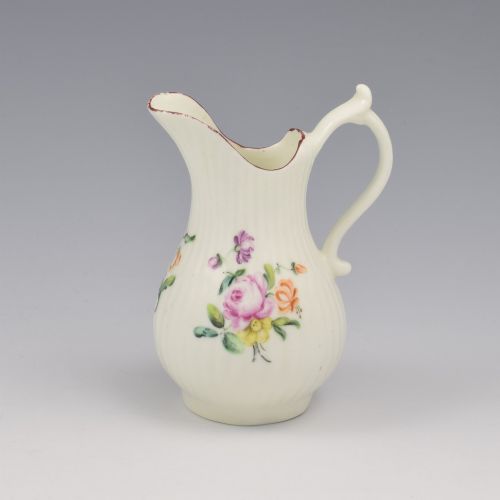
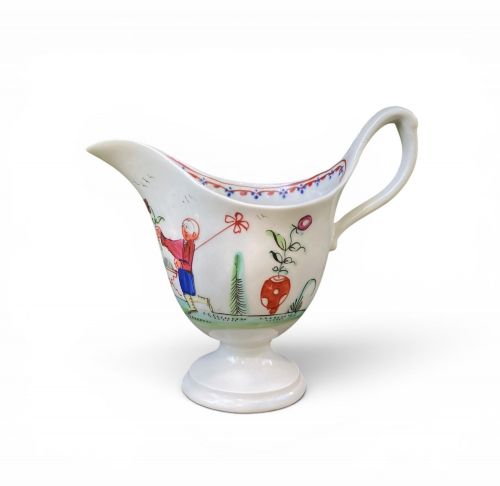
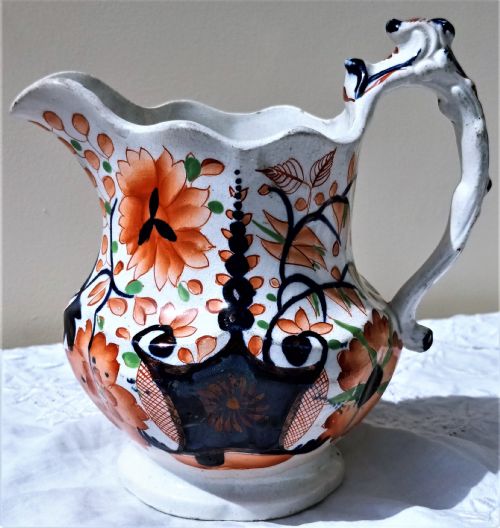
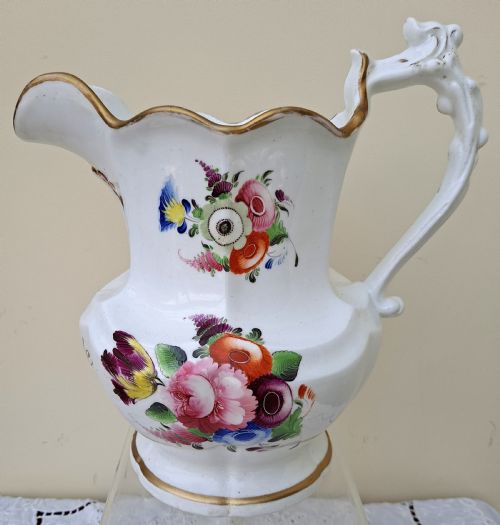
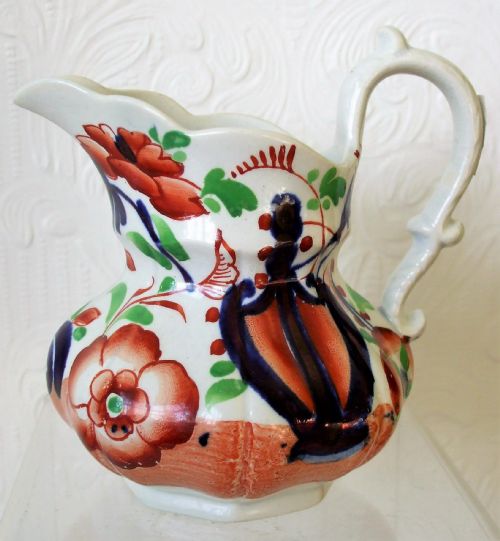
These hand painted china jug examples bring character and colour to a table, combining domestic utility with detailed brushwork.
Hand Painted China Jug
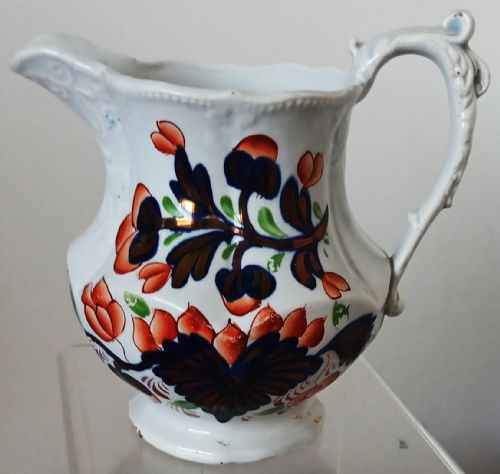
A hand painted china jug serves as a functional vessel for cream, milk, or sauce, while offering decorative appeal through individual artistry. These items appear across various historical periods, ranging from eighteenth-century porcelain to nineteenth-century earthenware and later ceramic productions.
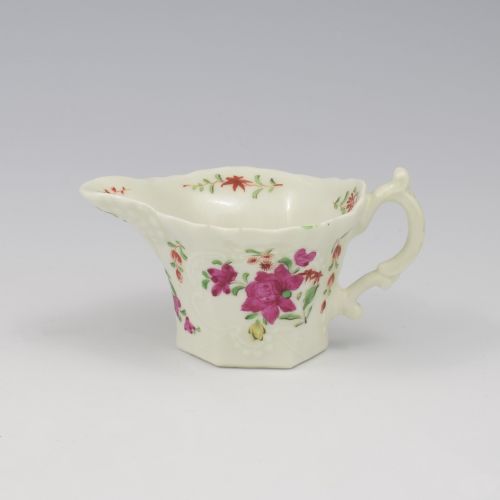
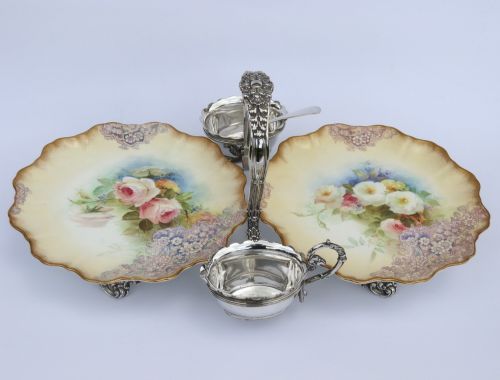
The selection on this page covers domestic forms such as cream jugs, sauce boats, and pitchers alongside display pieces. Buyers frequently encounter nineteenth-century pottery alongside eighteenth-century porcelain vessels featuring floral or armorial motifs.
Origins span traditional English factories, Welsh potteries, and Chinese export workshops. Each piece reflects the aesthetic preferences of its era, from Georgian neoclassical lines to Victorian Revival styles.
How they were made
Maker operations relied on ceramic bodies formed from porcelain or earthenware, shaped by hand or moulded before firing. Artisans then applied enamel pigments directly to the surface by hand, often incorporating gold leaf or gilt details to highlight rims and handles.
Glaze application provided a protective and reflective finish over the painted decoration. Subsequent kiln firings fused the enamel colours permanently with the ceramic base, securing the pigment against daily wear.
Listings feature porcelain and earthenware materials decorated with enamel, glaze, and gold gilt across multiple centuries.
What varies in quality
Quality rests primarily on the precision and artistry of the hand painting rather than the size of the vessel. Finer examples display confident brushstrokes, nuanced colour blending, and carefully registered enamel work.
The crispness of the porcelain or pottery moulding also dictates value, alongside the preservation of original gilding. Pieces showing intact gold leaf and unblemished glaze surfaces represent the upper tier of craftsmanship.
Walker and Hall·Royal Worcester·Doulton Burslem
The Hand Painted China Jug Glossary
- Gilt
- Application of a thin layer of gold or gold paint to ceramic surfaces for decorative emphasis. This technique often appears along the rims and handles of tea ware.
- Famille Rose
- A palette of opaque Chinese ceramic colours dominated by pink or rose enamel tones. This style gained popularity during the eighteenth century.
- Sauce Boat
- A small boat-shaped vessel designed for serving sauces or gravies at the table. These pieces often feature an integrated pouring lip and a single handle.
- Earthenware
- A porous type of pottery fired at lower temperatures than porcelain. It requires a glaze coating to hold liquids effectively.
Hand Painted China Jug: Frequently Asked Questions
How do I clean an antique jug?
Wash the ceramic vessel gently by hand using lukewarm water and mild soap. Avoid soaking pieces with delicate gilt or enamel decoration.
Dry the surface immediately with a soft cloth to protect the glaze and prevent moisture damage to older repairs or crazing lines.
Can I use these jugs daily?
While these vessels were originally made for domestic table use, older ceramics require careful handling. Modern dishwashers and microwaves will damage the enamel and gold leaf.
Consider reserving them for gentle service or display to preserve the hand painted surfaces for the future.
How do I date a porcelain jug?
Examine the base for factory marks, pattern numbers, or printed ciphers that correspond to manufacturer production periods. The weight of the ceramic body and the style of the hand painting offer further clues.
Porcelain from the eighteenth century generally feels lighter and more translucent than heavy nineteenth-century earthenware pottery.
What is the difference between porcelain and earthenware?
Porcelain is fired at much higher temperatures, resulting in a vitrified, non-porous body that often transmits light through thin sections. Earthenware is more opaque and softer.
Both materials accept hand painted decoration, but porcelain typically indicates a more refined production standard.