


Antique Cross Leg Table
An antique cross leg table brings structural geometry and timber warmth to a room, offering sturdy support through trestle frames or intersecting supports.
Antique Cross Leg Table
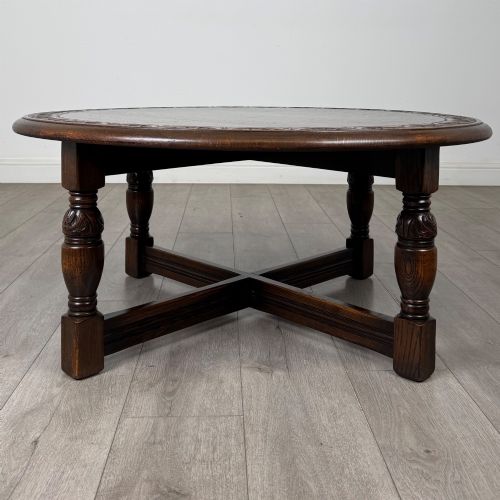
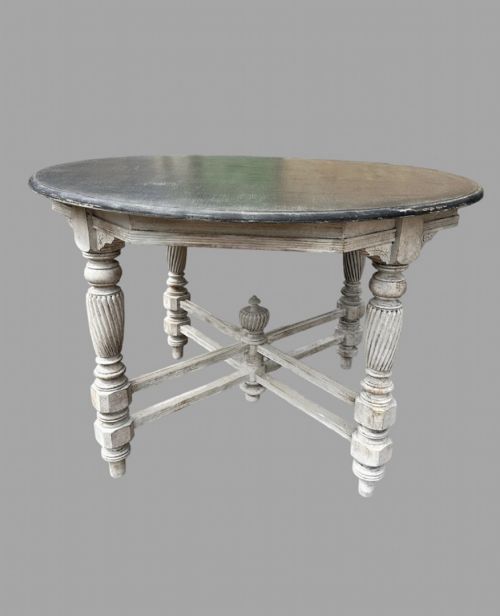
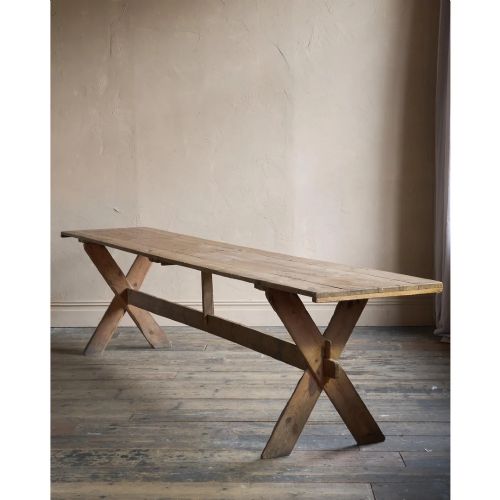
When you search for an antique cross leg table, you encounter a variety of forms designed for dining, card games, or centre placement. These pieces rely on intersecting lower supports or trestle frames rather than standard corner placement for their legs.
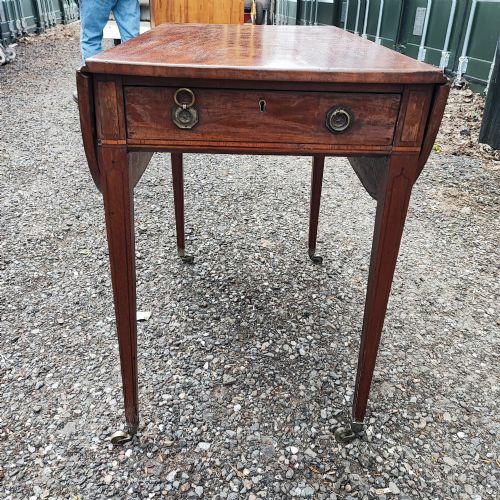
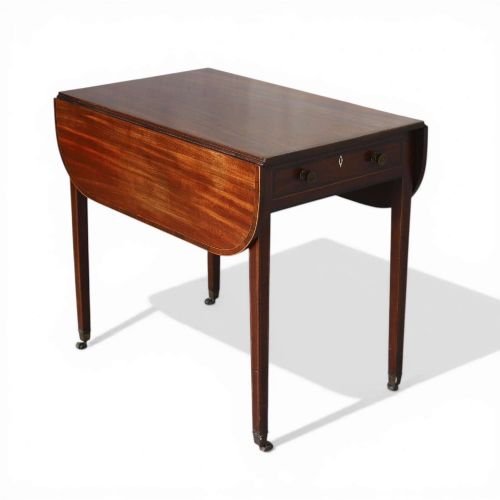
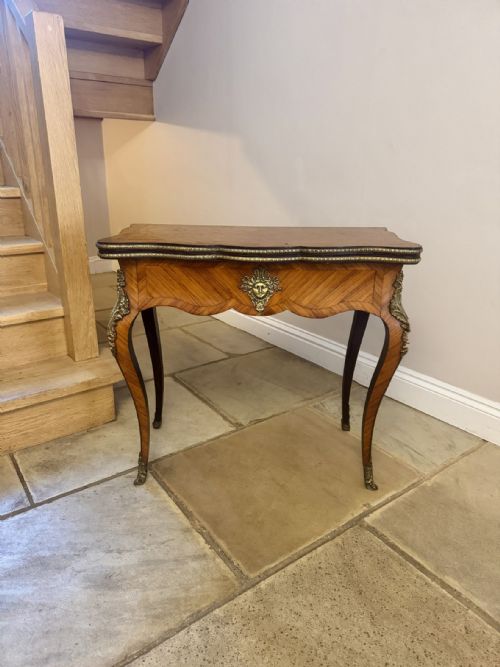
The selection ranges from Georgian mahogany Pembroke tables and Victorian card tables to Scandinavian pine kitchen tables and Edwardian satinwood-banded serving tables. Dining tables and occasional pieces dominate the group, often incorporating folding leaves or drop leaves.
Origins span the eighteenth, nineteenth, and early twentieth centuries, reflecting styles from Sheraton revival to French Rococo and Swedish country design. Timber varieties such as mahogany, oak, pine, and walnut define the physical character of these pieces.
What varies in quality
The standard of timber selection and veneer work dictates the visual appeal of an antique cross leg table. Fine examples display precise contrasting cross banding and well-matched grain patterns across the top surface.
Structural integrity depends on the tightness of the joints where the cross braces or trestles meet the tabletop. Superior pieces maintain balance and rigidity without excessive modern reinforcement.
Listings feature eighteenth-century examples through to the Edwardian period, constructed from oak, mahogany, pine, and elm.
The Antique Cross Leg Table Glossary
- Cross banding
- A decorative border of veneer where the grain runs perpendicular to the main surface timber. This technique frames the top of the table to create a visual boundary.
- Pembroke table
- A small rectangular table featuring two hinged drop leaves on opposing sides. It often includes a single drawer and tapering supports.
- Trestle table
- A table comprising a horizontal beam supported by two vertical or angled legs at each end. This design provides open legroom beneath the surface.
- Centre table
- A freestanding piece finished on all sides intended to sit in the middle of a room rather than against a wall. These often serve decorative or display functions.
Antique Cross Leg Table: Frequently Asked Questions
Where should I place a cross leg table?
These tables adapt well to central positions in rooms or against walls depending on whether they have folding leaves. Centre tables suit open spaces, while Pembroke and side variants fit smaller corners.
Their distinct structural bases make them focal points, so positioning them away from heavy foot traffic allows the leg geometry to remain visible.
How do I care for antique timber surfaces?
Regular dusting with a dry, soft cloth prevents particulate buildup on polished or painted wood. Keeping the timber away from direct heat sources stops the wood from drying out and cracking.
Applying appropriate wax feeds the grain periodically without leaving a heavy residue. Avoid placing damp items directly onto the unsealed wood.
Can I use an antique table for daily dining?
Many sturdy trestle and kitchen tables from the nineteenth century were built for robust daily use. Using protective mats under hot dishes and liquids preserves the historic finish.
Lighter Pembroke or card tables are better suited for occasional dining or decorative placement due to their delicate folding mechanisms and drop leaves.
How do I identify the period of a table?
Examining the secondary woods, construction joints, and hardware provides clues regarding the date of manufacture. Hand-cut dovetails and specific fastener types often indicate earlier craftsmanship.
Matching the decorative motifs, such as Sheraton revival banding or Victorian Gothic carving, to known historical styles helps narrow down the origin decade.