

Antique Crest Chair
An antique crest chair brings heraldry and history directly into a room, offering both seating and a distinct family emblem.
Antique Crest Chair
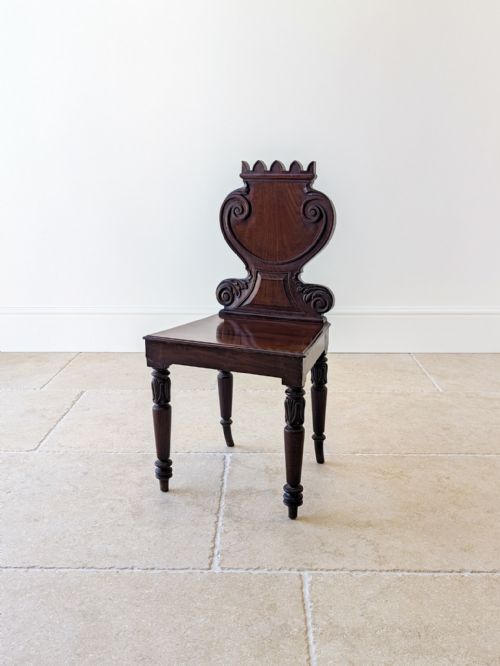
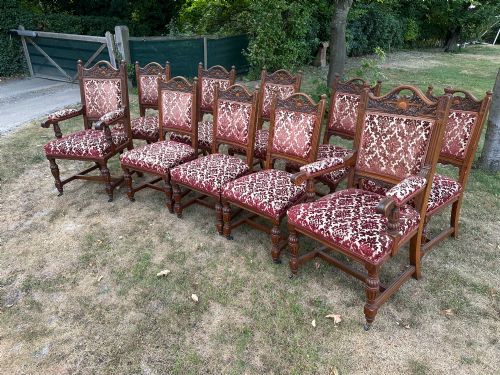
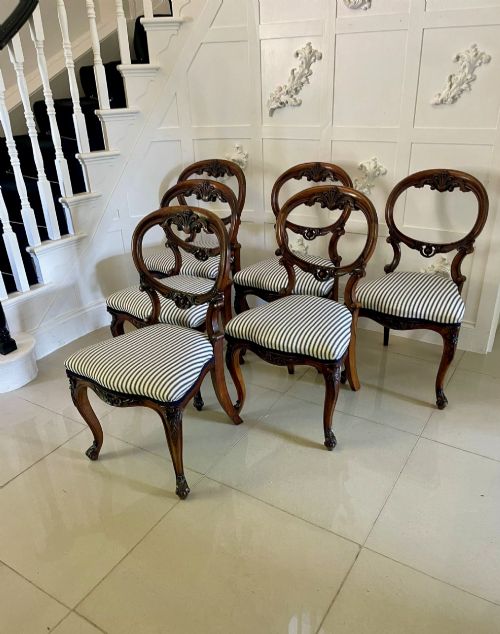
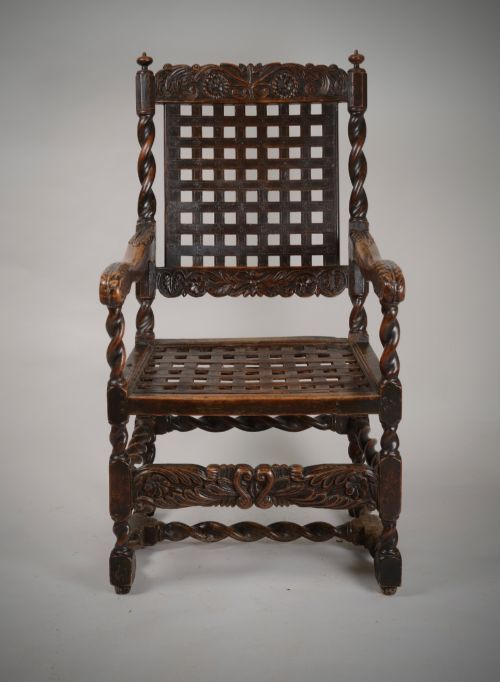
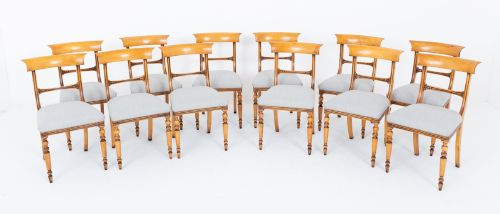
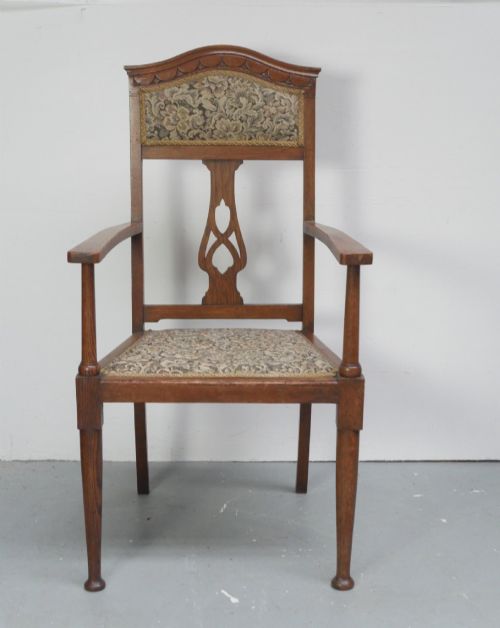
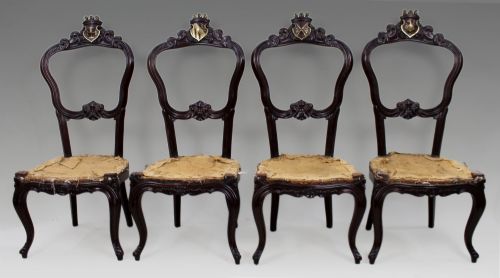
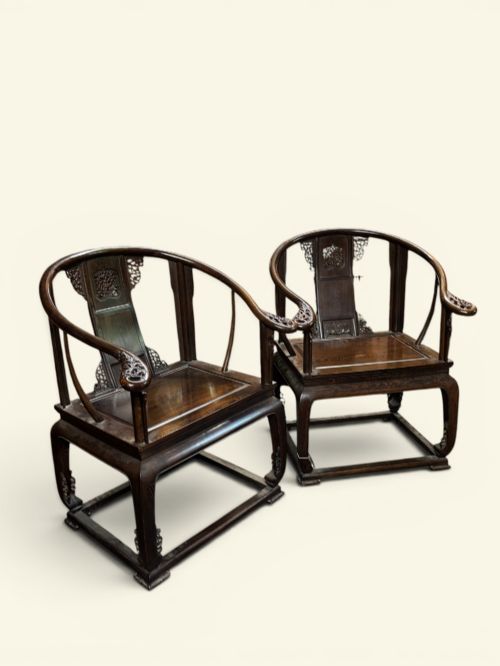
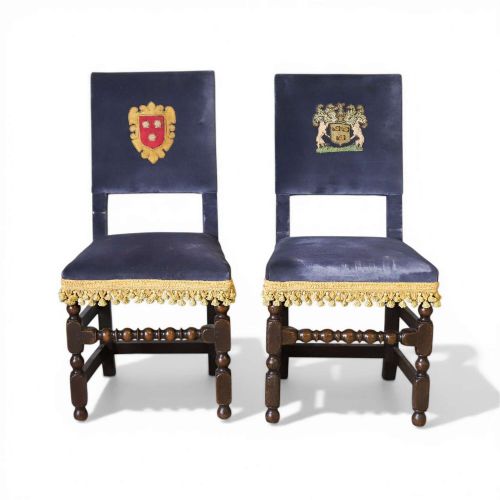
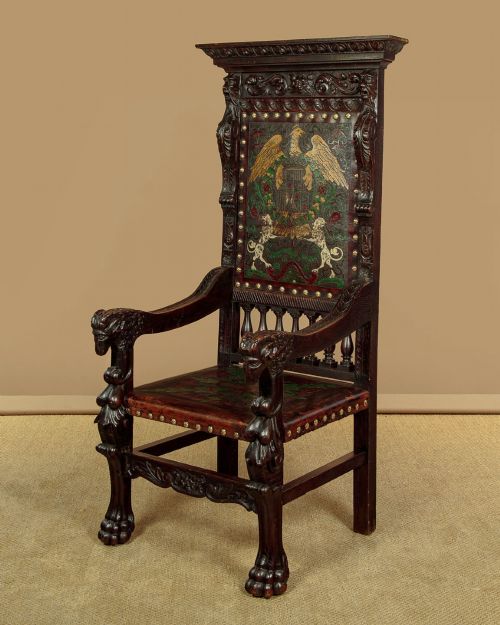
An antique crest chair takes many forms on this page, including hall chairs, dining chairs, armchairs, and side chairs designed to display a family coat of arms or heraldic shield.
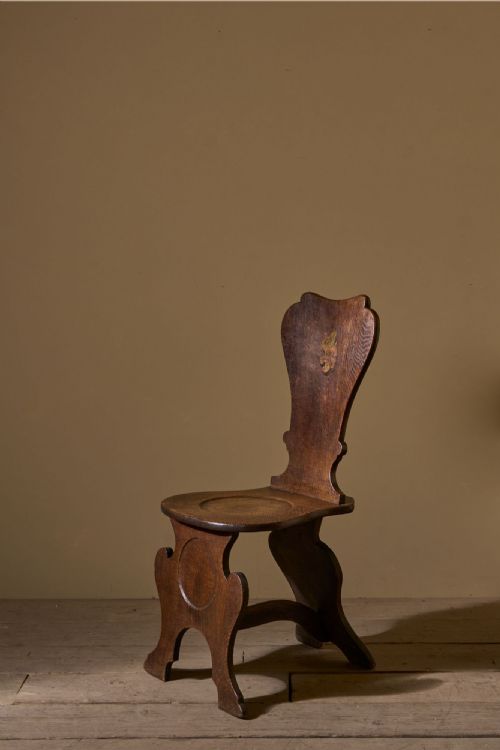
The materials and styles span centuries, ranging from seventeenth-century oak wainscot and backstool designs to nineteenth-century mahogany, walnut, and rosewood iterations with carved armorial motifs.
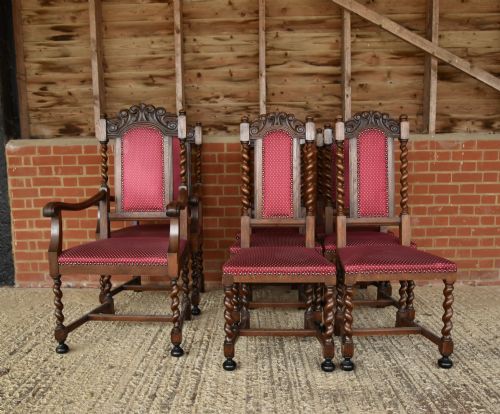
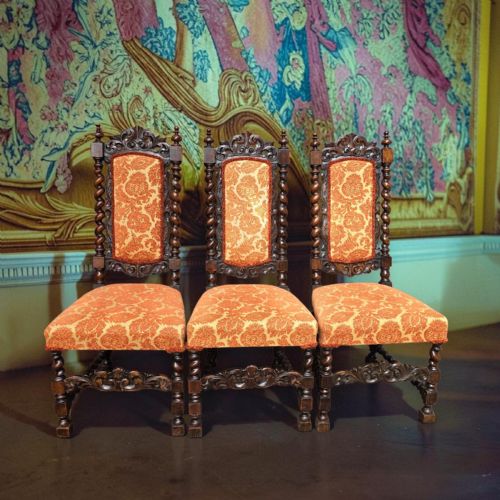
Buyers will find single pieces, pairs, and larger sets, often originating from stately homes or country houses where armorial seating signified lineage and status.
How they were made
Carpenters and cabinetmakers utilised solid timbers such as oak, mahogany, walnut, and rosewood, employing traditional joinery like mortise and tenon for structural integrity.
Carving formed the heraldic crests, shield backs, and decorative details like barley twists, while secondary materials such as brass, cane, velvet, fabric, and painted leather provided upholstery and embellishment.
Object types range from sturdy wainscot and backstool forms to grand library desk chairs and matched sets of dining seats.
What varies in quality
The depth and crispness of the carved heraldic crest or shield back distinguish finer examples from simpler provincial work.
The choice of dense, highly figured timbers and the intact survival of original surface finishes, upholstery materials, and structural joinery separate superior pieces from heavily restored ones.
Gillows·Waring & Gillow
The Antique Crest Chair Glossary
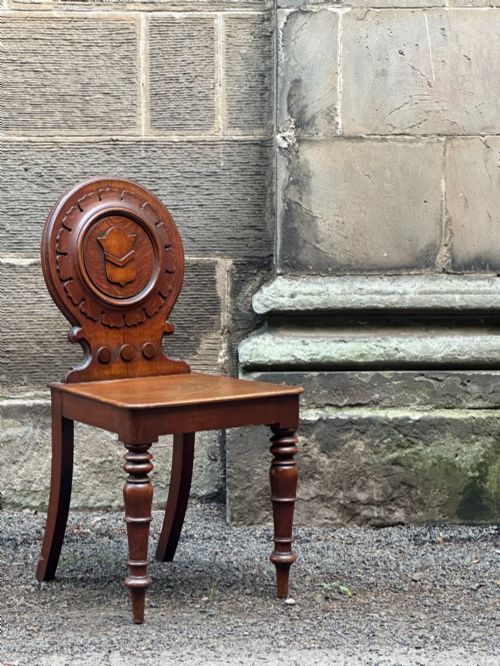
- Hall chair
- A rigid wooden seat, often with a solid shield-shaped back, designed for an entrance hall rather than prolonged sitting.
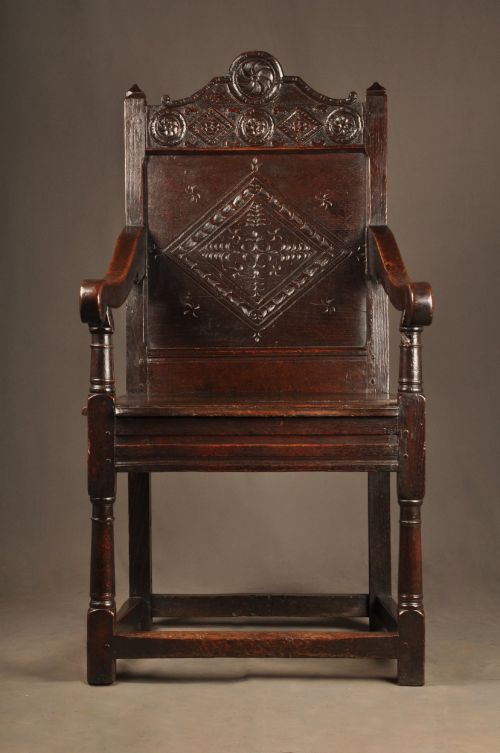
- Wainscot chair
- An early wooden armchair constructed with panelled backboards and joined frame elements, typical of the seventeenth century.
- Armorial
- Adorned with heraldic bearings or a coat of arms belonging to a specific family or lineage.
- Backstool
- An early term for a chair without arms, essentially an upholstered or wooden stool with a back attached.
- Klismos
- A classical chair type featuring curved legs and a concave backrest, revived during the nineteenth century.
Antique Crest Chair: Frequently Asked Questions
Where were these chairs placed?
These chairs stood predominantly in the grand hallways, libraries, or dining rooms of country houses and stately homes. Their heraldic shields announced the lineage of the household to arriving visitors.
In modern rooms, they serve effectively as accent pieces in entryways or as striking dining chairs that draw the eye.
How do I date an oak wainscot chair?
Dating relies on construction methods, timber patination, and the style of carving present on the panelled back. Seventeenth-century examples display pegged joints and hand-riven oak with deep, rich colour.
Later revival pieces from the nineteenth or twentieth centuries often utilise machine-sawn timber and lack the authentic wear patterns of early periods.
What is an armorial crest?
An armorial crest is a specific heraldic symbol granted to a family, historically displayed on crest chairs to denote status and ancestry. These carved or painted emblems often match the records of landed gentry.
Identifying the crest can sometimes reveal the original stately home or family associated with the furniture.
Can I use them every day?
Solid wooden hall chairs and sturdy dining chairs tolerate daily use well, provided their joints remain tight and stable. Antique frames built from dense oak or mahogany offer surprising durability.
Upholstered versions with velvet or fabric may require more careful consideration depending on the condition of the internal padding and fabric.