

Antique Credenza with Marble
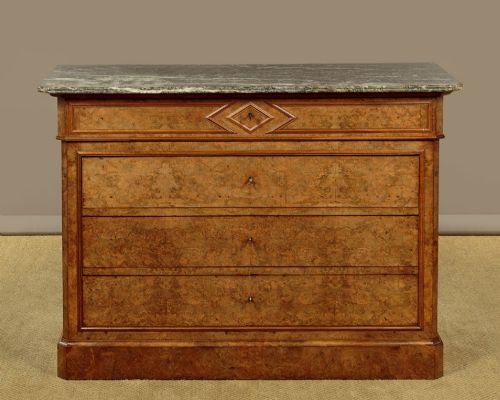
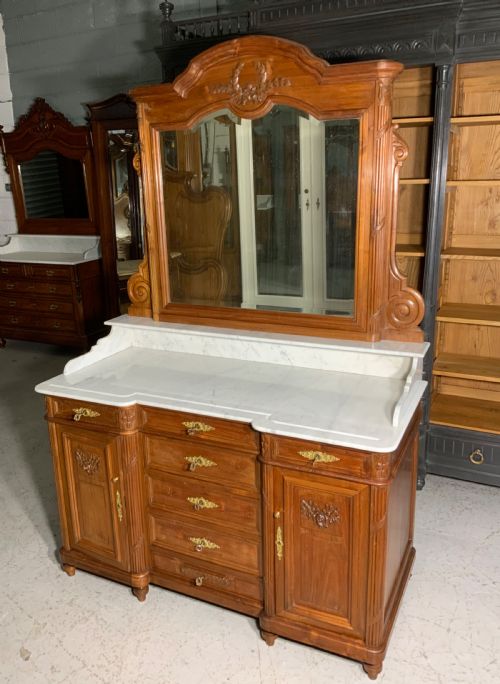
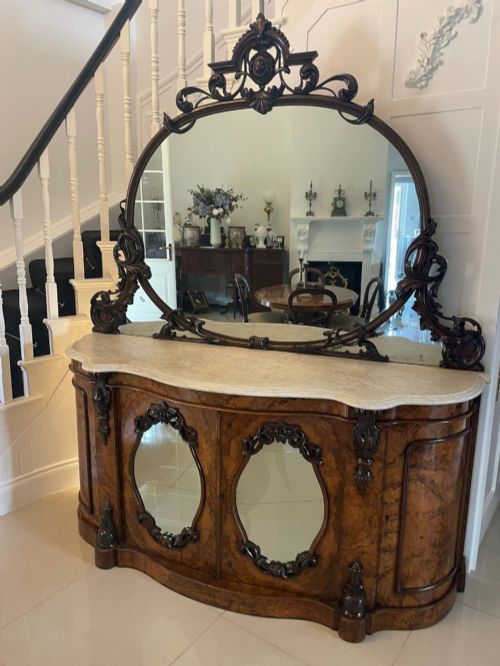
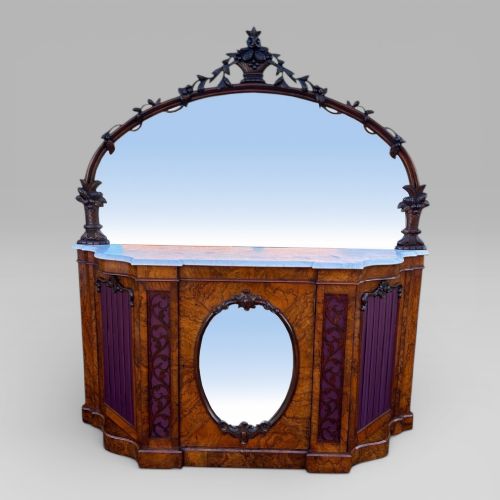
An antique credenza with marble brings heavy timber and cool stone together, offering a stately surface for display.
Antique Credenza with Marble
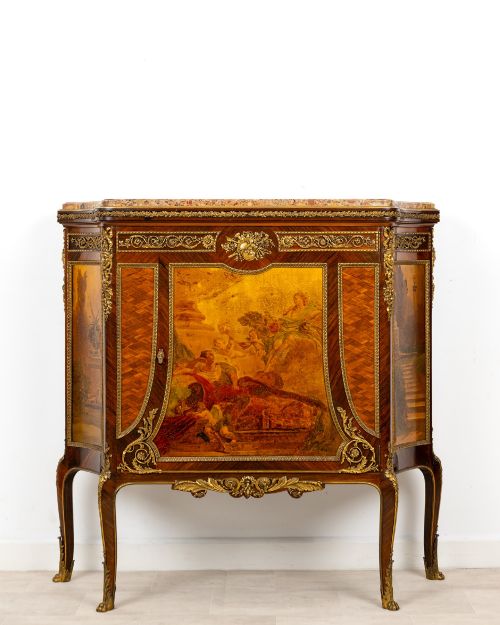
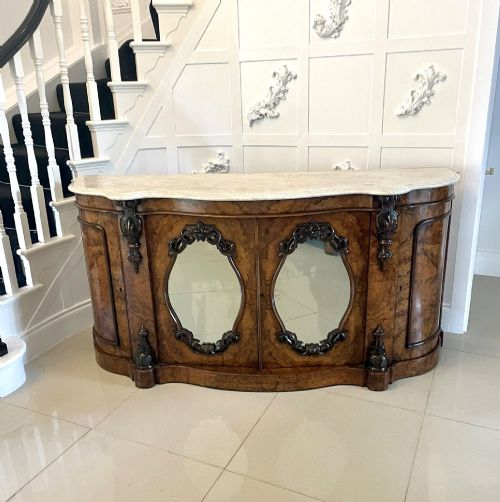
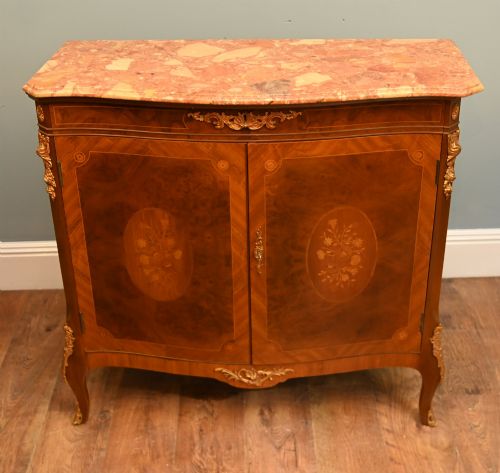
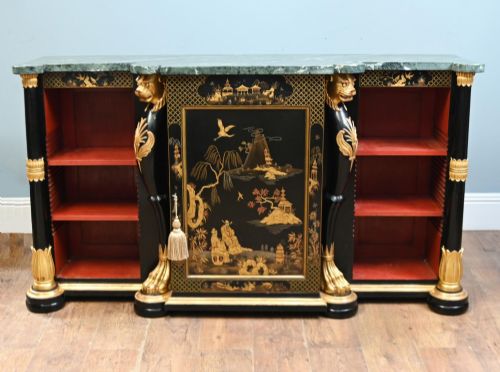
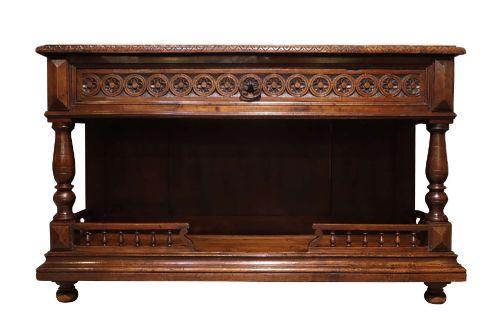
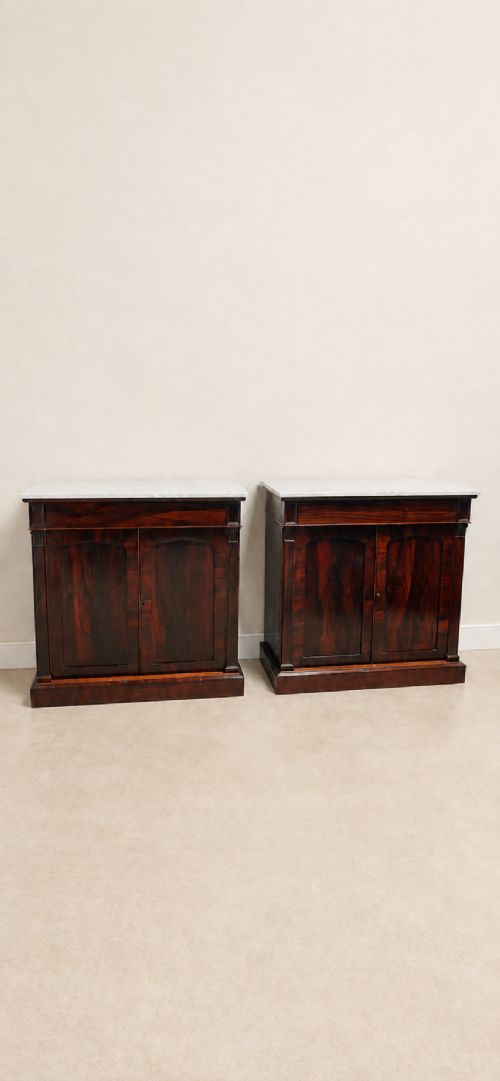
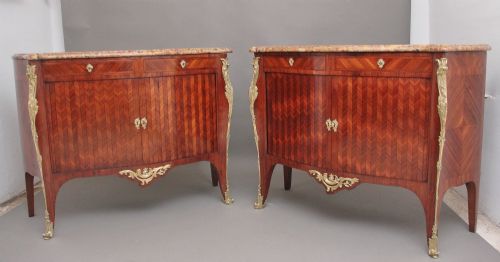
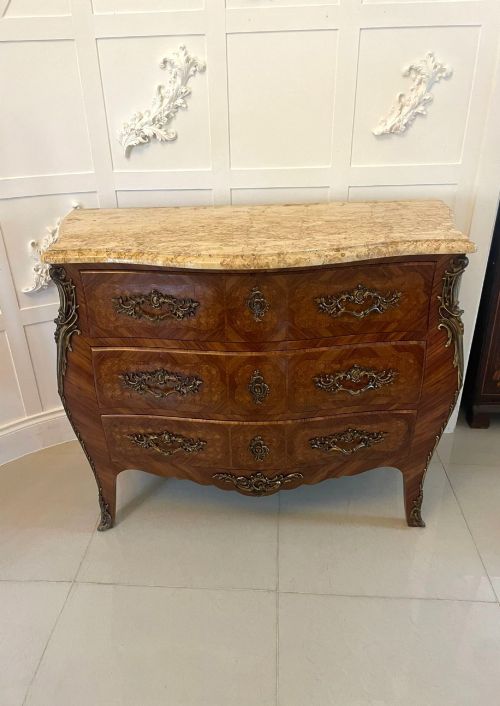
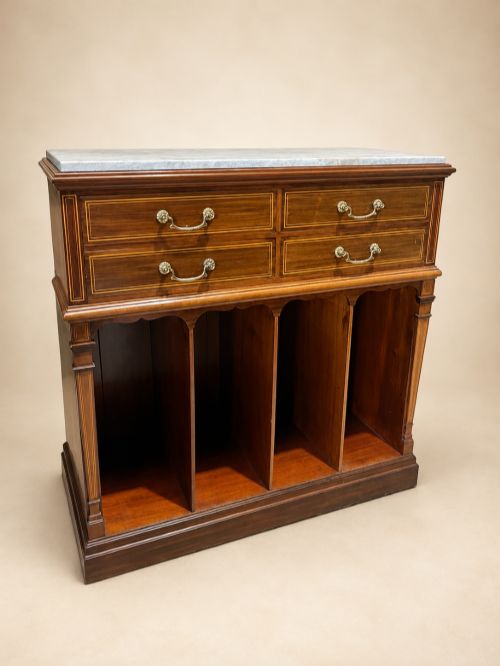
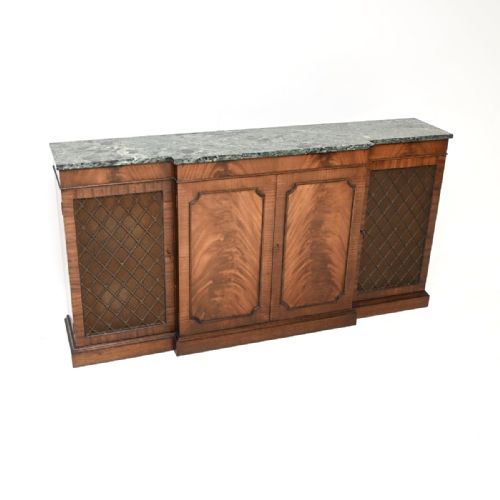
The antique credenza with marble is a substantial piece of furniture designed for formal interiors, taking the form of side cabinets, sideboards, chiffoniers, and commodes. Most examples belong to the nineteenth century and the Victorian era, alongside pieces built in Regency and early twentieth-century workshops.
Makers drew on diverse decorative vocabularies, producing items styled in the French Empire, Louis XV Revival, French Rococo, and Henri II traditions. These units frequently feature fitted mirror backs, glass doors, or open shelving alongside their defining stone surfaces.
Materials and construction
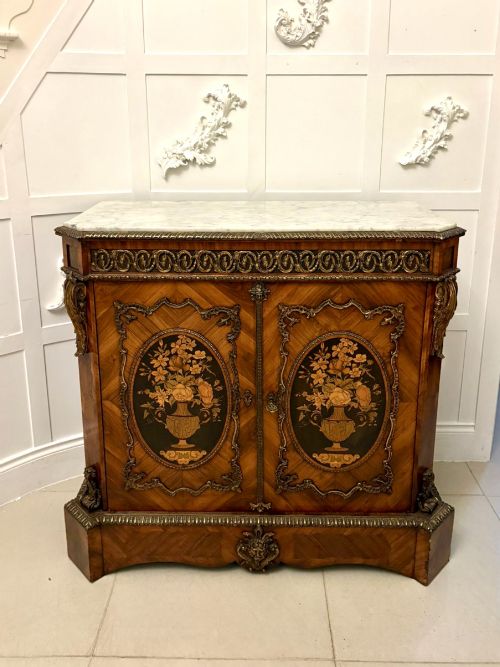
Cabinet makers utilised dense hardwood foundations such as rosewood, walnut, burr walnut, mahogany, and oak, often applying intricate floral marquetry, parcel gilt, or ebonised finishes. Interiors and carcases were constructed with traditional joinery suited to heavy domestic service.
Slabs of marble, including Carrara varieties, were fitted precisely to the upper surfaces. Workshops mounted ormolu and gilt metal mounts, brass details, and glass panels to complete the decorative scheme.
One listed Regency rosewood cabinet includes hidden leather dummy books within its design.
Craftsmanship and materials
Quality rests upon the selection of timber veneers and the depth of the marquetry inlay, where fine grain patterns and precise floral motifs elevate a piece. The weight, thickness, and figuring of the marble top also dictate the standing of the cabinet.
Superior examples display finely chased ormolu mounts, robust brass detailing, and well-executed carved elements rather than plain or mass-produced hardware. The integration of mirror backs and glass doors with clean structural lines separates standard storage from exceptional cabinet work.
Edward Holmes Baldock
The Antique Credenza with Marble Glossary
- Ormolu
- Gilded bronze mounts applied to furniture. This technique added bright metallic highlights to dark timber surfaces.
- Marquetry
- Fitted pieces of wood veneer assembled to create pictorial patterns. Artisans used contrasting timbers like rosewood and ebony for floral designs.
- Credenza
- A low cabinet or sideboard used for storage and display. These items often incorporate glass doors or mirrored back panels.
- Chiffonier
- A small sideboard featuring shelves or enclosed cupboards. Nineteenth-century versions frequently incorporated marble tops.
- Vernis Martin
- A type of simulated Japanese lacquer developed in France. It provided a glossy, luminous finish on decorative cabinets.
Antique Credenza with Marble: Frequently Asked Questions
What is an antique credenza with marble?
An antique credenza with marble is a low storage cabinet finished with a stone slab top, originating mostly from nineteenth-century European workshops. These pieces served practical storage and display functions in formal dining rooms and drawing rooms.
They combine timber carcases in walnut, rosewood, or mahogany with decorative elements like ormolu mounts and marquetry. The stone top provided a durable, cool surface distinct from standard wooden furniture.
How do I clean a marble top safely?
Cleaning antique marble requires plain water and a soft cloth, avoiding acidic solutions or abrasive scourers that etch the polished stone. Gentle maintenance preserves the natural surface without stripping historical patination.
Dry the stone thoroughly after wiping to prevent water marks. Specialist marble soaps can be used occasionally for stubborn dirt.
Where were these cabinets placed originally?
These cabinets stood against drawing room or dining room walls, often positioned beneath large mirrors or paintings. Their shallow depth allowed them to occupy passage areas without blocking foot traffic.
The inclusion of mirrored backs on Victorian versions helped reflect natural light around dimly lit nineteenth-century interiors.
How do I date a marble-topped cabinet?
Dating relies on identifying timber species, hardware styles, and construction techniques characteristic of periods like the Regency or Victorian eras. Design revivals, such as Louis XV or Henri II styles, also offer clues to the decade of manufacture.
Examining the reverse of the cabinet and the cut of the wood reveals workshop methods associated with specific nineteenth-century decades.