

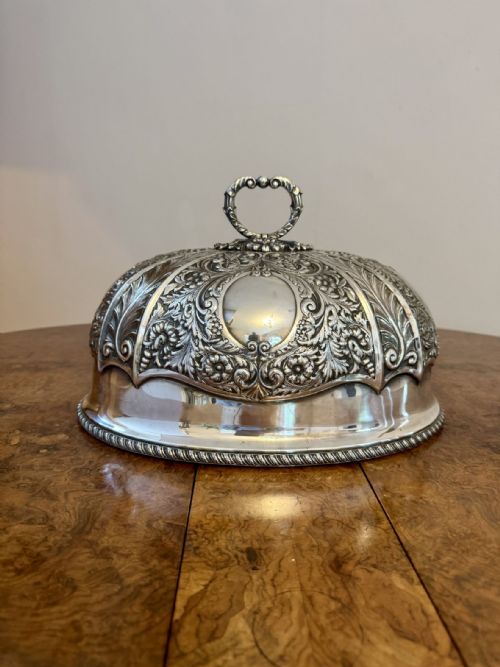
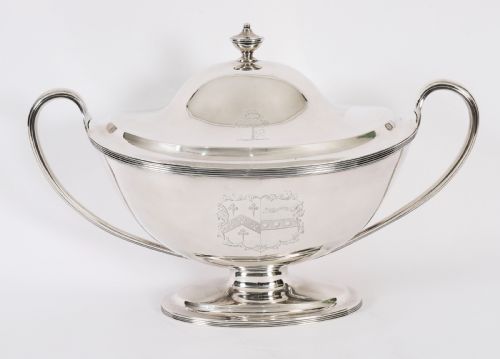


Antique Covered Serving Dish
An antique covered serving dish brings formal dining history to the table, offering practical lidded elegance for vegetables, sauces and joints.
Antique Covered Serving Dish
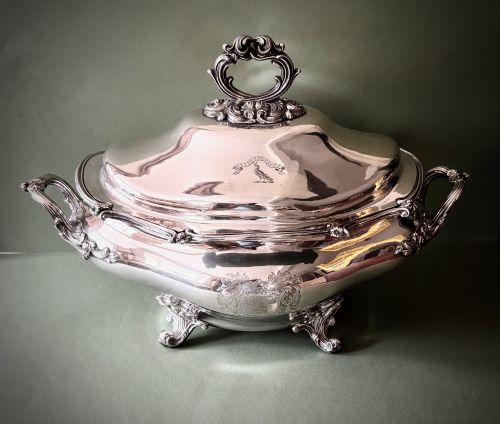
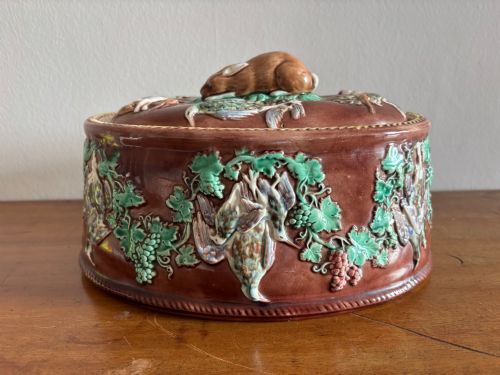
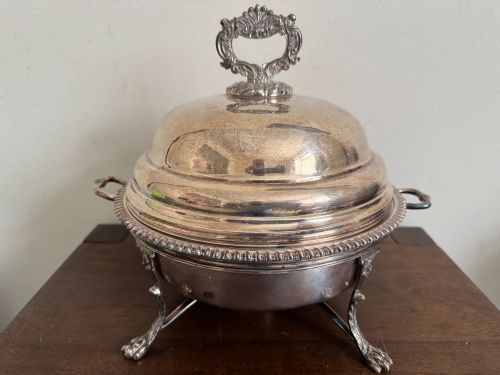
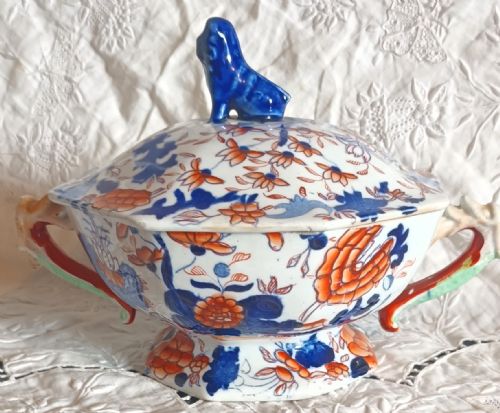
An antique covered serving dish spans substantial silver plated tureens, porcelain vegetable dishes and ironstone tureens designed to keep food warm at the table. These vessels emerge from Georgian, Regency, Victorian and Edwardian periods in silver, pottery and porcelain forms.
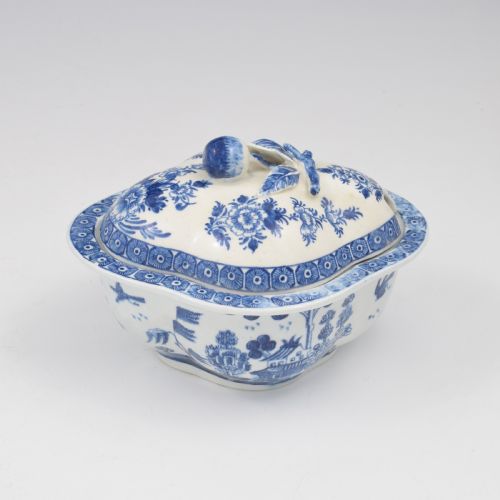
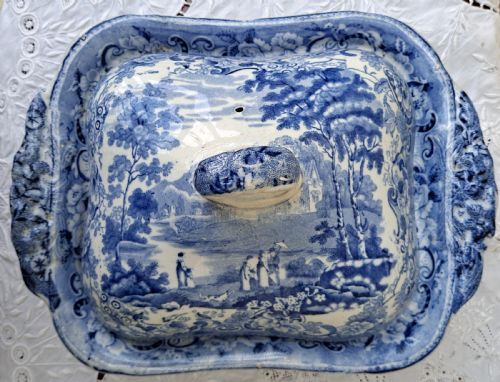
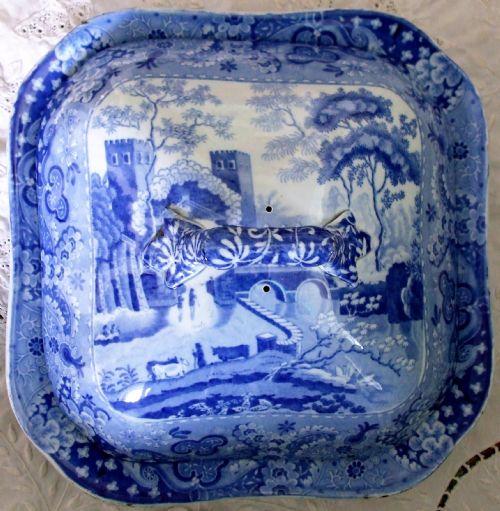
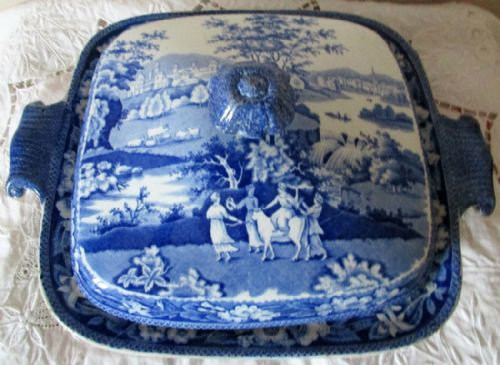
The most common examples on this page are Edwardian silver plated entree dishes and transfer-printed pottery vegetable tureens from the nineteenth century. Buyers also encounter porcelain sauce tureens and Chinese export porcelain pieces dating back to the eighteenth century.
How They Were Made
Metal pieces utilise Old Sheffield Plate or silver plate over copper, alongside sterling silver and copper constructions. Ironstone, earthenware and porcelain bodies receive hand-painted enamels, gold leaf accents or blue and white transfer printing.
Pottery items undergo high-temperature firing with protective glazes, while metal servers involve soldering, plating and intricate handle casting. Specialised makers apply transfer printed scenes such as rural or castle patterns directly onto the ceramic surface before glazing.
Materials across the selection range from sterling silver and silver plate to porcelain, ironstone, earthenware, copper and enamel.
What Varies in Quality
Quality depends upon the crispness of moulded detail in the metalwork and the depth of the silver layer over base metals. Hand-painted ceramic pieces show refinement in brushwork, while transfer-printed examples rely on the clarity and registration of the blue and white pattern.
Design complexity marks the distinction between standard vessels and superior pieces, seen in matched multi-piece service sets, lampstands and gadroon borders. Maker attribution to established potteries or silversmiths further separates ordinary utility items from collector pieces.
James Wallace and Co·J and R Clews·John and Richard Riley·Flight Barr and Barr·Mappin and Webb·Hamilton and Inches·Doulton Burslem·Daniel and Arter
The Antique Covered Serving Dish Glossary
- Tureen
- A deep, covered bowl designed for serving soups, gravies or vegetables at the table. They frequently sit upon matching stands or feature two side handles.
- Entree dish
- A shallow lidded vessel used for serving individual course portions or side dishes. These rectangular or oval pieces often incorporate removable handles.
- Old Sheffield Plate
- A composite material formed by fusing a thin sheet of silver to a thicker copper base. This technique precedes modern electroplating methods.
- Ironstone
- A heavy, durable type of earthenware patented in the nineteenth century. It bridges the gap between common pottery and true porcelain.
- Transfer print
- A decorative technique where an engraved copper plate transfers an ink pattern onto paper, which is then pressed onto the ceramic body.
Antique Covered Serving Dish: Frequently Asked Questions
What are antique covered serving dishes used for today?
These lidded vessels serve practical functions on modern dining tables for vegetables, roasts and side dishes. They also display well on sideboards or within cabinetry as decorative dining antiques.
Collectors often utilise smaller sauce tureens and gravy boats for sauces and condiments during formal meals. Larger entree dishes keep warm food covered between the kitchen and the dining room.
How do I clean and care for silver plated tureens?
Silver plate requires gentle washing in warm soapy water using a soft cloth rather than abrasive sponges. Regular polishing with a dedicated silver cream preserves the metallic finish without damaging the underlying plate.
Harsh chemical dips should be avoided, especially on antique pieces with thin plating or soldered joints. Thorough drying prevents water spots and tarnishing.
How do I distinguish ironstone from porcelain?
Ironstone is a dense, opaque earthenware that feels heavier and thicker in the hand than porcelain. When tapped, it produces a duller thud compared to the high-pitched ring of true porcelain.
Porcelain is translucent when held up to a strong light source, whereas ironstone blocks light entirely. Ironstone also tends to feature thicker glaze layers with a distinct crackle over time.
What is Old Sheffield Plate?
Old Sheffield Plate is an early fusing method where a thin layer of silver is mechanically bonded to a copper ingot. Items made this way often reveal faint hints of copper showing through high points where the silver has worn thin over generations of polishing.
This technique differs significantly from nineteenth-century electroplate, which deposits silver using an electrical current. Pieces made from Old Sheffield Plate generally date from the eighteenth to the early nineteenth century.