


Antique Countryside Scene
When you search for an antique countryside scene, you encounter framed paintings capturing rural life, rivers, and farms.
Antique Countryside Scene
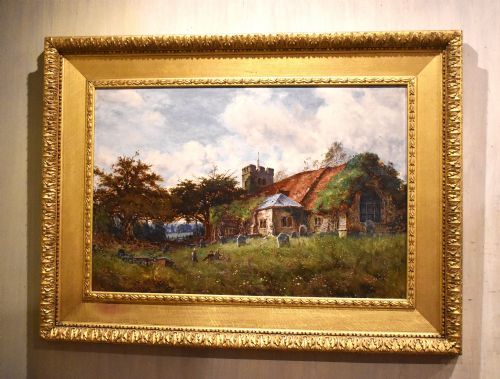
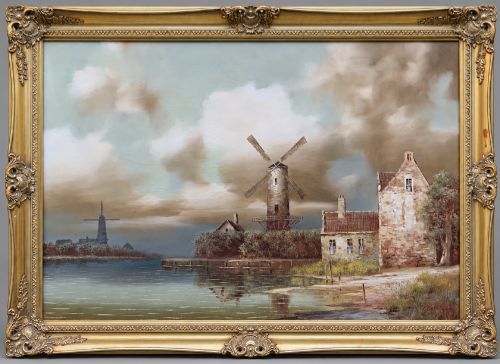
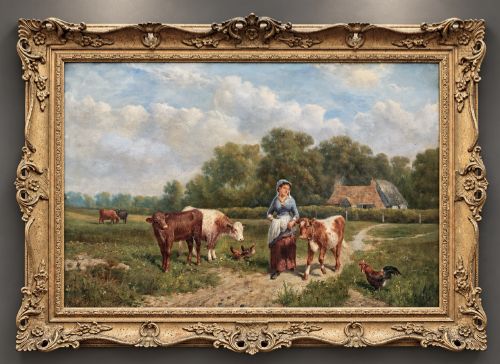
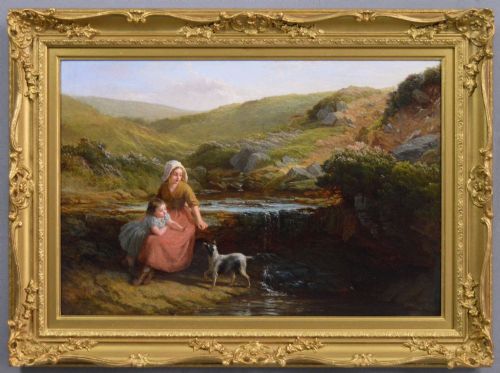
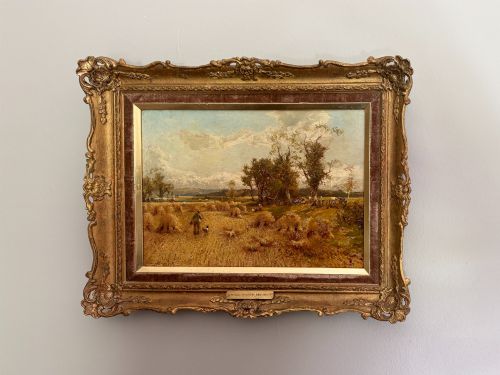
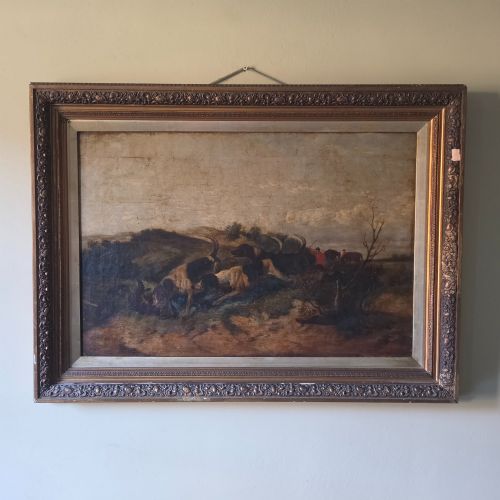
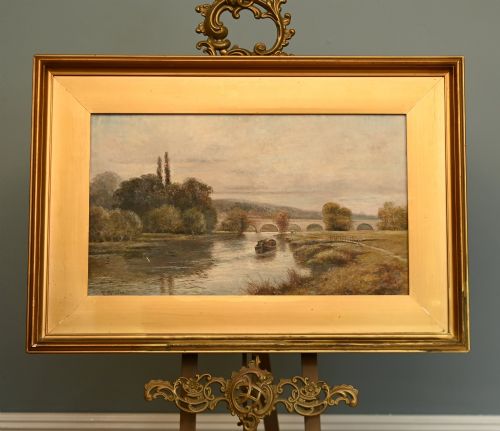
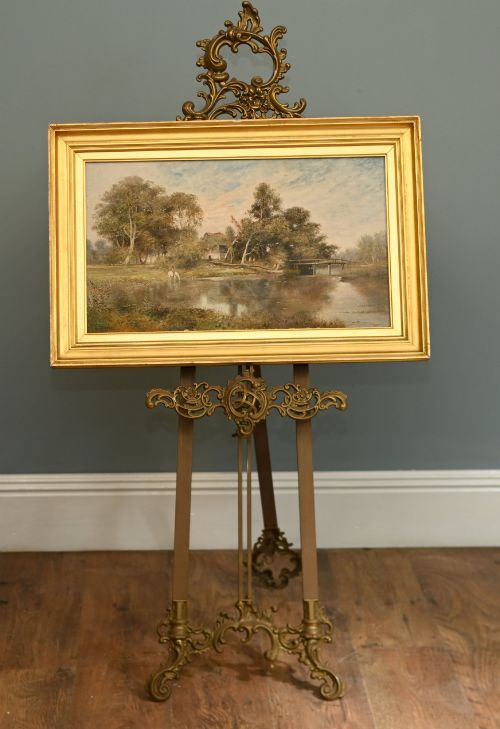
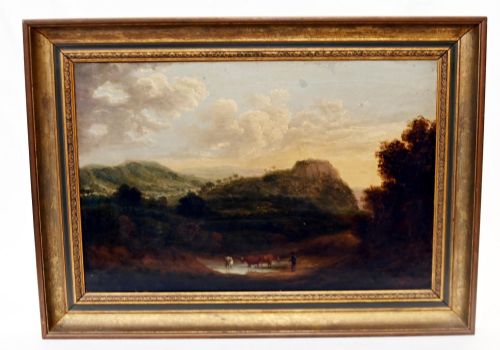
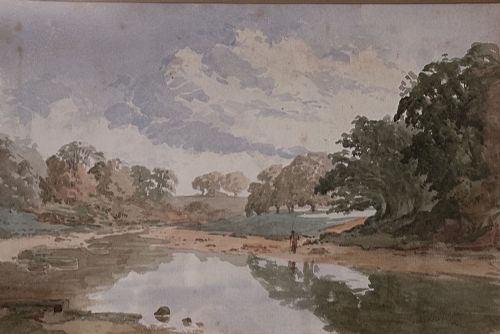
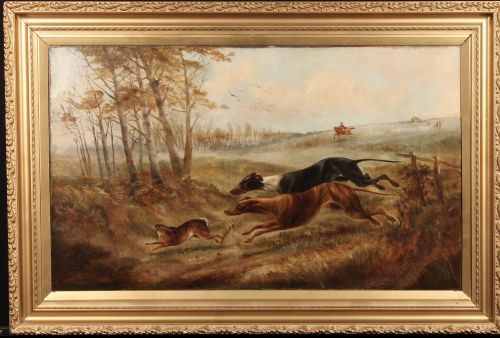
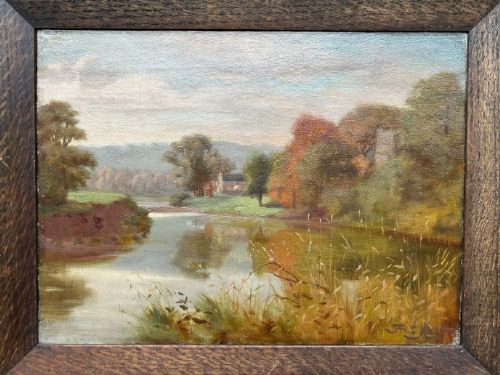
An antique countryside scene primarily takes the form of an oil painting or watercolour depicting rural British landscapes, rivers, and farm life. These works emerge predominantly from the nineteenth century and the early decades of the twentieth century, reflecting Victorian and Edwardian artistic traditions.
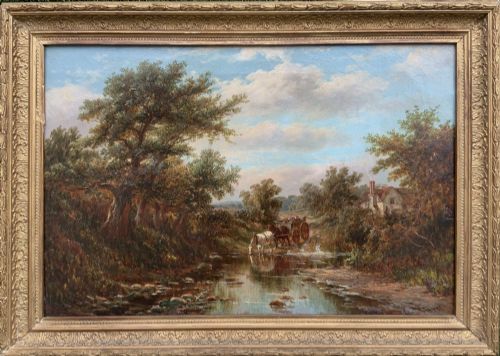
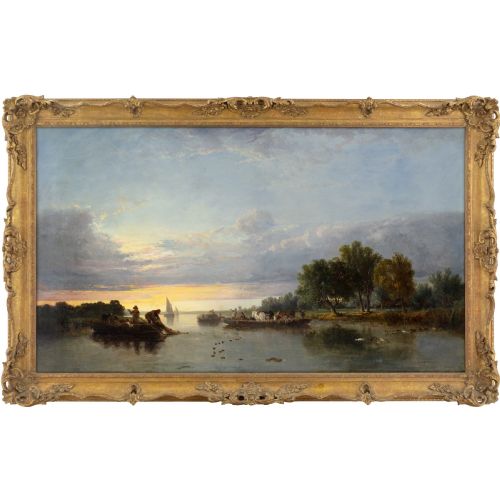
The most common subjects include cattle by ponds, harvest fields, riverbanks with fishermen, and wooded paths featuring cottages or figures. Stylistically, they range from British School realism and pastoral scenes to French and British Impressionism.
How they were made
Artists painted primarily with oil paint or watercolour, applying pigment to stretched canvas, wooden panels, or heavy paper. Canvases and panels frequently sit within ornate gesso and gilt wood frames that complement the composition.
Techniques span detailed academic brushwork characteristic of Victorian realism to looser, more textured applications seen in British and French impressionist works.
The listings encompass works executed on canvas, wood panels, and paper using oil and watercolour mediums.
What varies in quality
Quality rests upon the artist's ability to handle light, atmospheric perspective, and natural movement within the landscape. Works by recognised named painters command greater attention than anonymous pieces from the British School.
The finesse of the brushwork and the preservation of the original canvas, panel, and period gilt frame determine the overall calibre of the surviving artwork.
Samuel Joseph Clark·Edward Holmes RBA·William Manners·David Bates·George Oyston
The Antique Countryside Scene Glossary
- Canvas
- A heavy woven fabric stretched across a wooden frame to serve as a foundational surface for oil paint. It provides a textured ground that holds layered pigments securely over centuries.
- Gesso
- A plaster-like mixture applied to wooden frames or panels to create a smooth surface for gilding and decoration. It allows craftsmen to mould intricate relief ornamentation.
- Watercolour
- A painting method where fine pigment is suspended in a water-based solution on paper. It produces translucent washes of colour that capture soft light and atmospheric skies.
- Pastoral
- An artistic genre depicting idealised rural life, shepherd scenes, and agricultural landscapes. These works focus on the quiet harmony between humans, animals, and the countryside.
- Impressionism
- A style emphasising small, thin brush strokes and accurate depiction of changing light. It prioritises open compositions and ordinary subject matter over strict academic finish.
Antique Countryside Scene: Frequently Asked Questions
What periods do these paintings come from?
The available selection spans from the Victorian era through the Edwardian period into the 1930s. Most examples date across the nineteenth and early twentieth centuries.
Artistic styles shift from traditional nineteenth-century realism toward early twentieth-century British impressionism.
How should I display a framed oil painting?
Hang these works away from direct sunlight and steady heat sources to protect both the canvas and the original gilt wood frame. Stable indoor humidity preserves the structural integrity of the wood panel or stretched fabric.
Ensure the wall fixings match the weight of the traditional framing materials.
How do I distinguish between an oil painting and a watercolour?
Oil paintings utilise heavy pigments on canvas or wood boards, often displaying visible brush texture and a glossy finish. They are usually protected by a frame rather than glass.
Watercolours employ translucent pigments on paper and require protective glass glazing to prevent moisture damage.
What subjects are most common in these scenes?
Common motifs include river valleys, agricultural harvests, cattle watering by ponds, and remote country cottages. Figures engaged in rural labour or fishing frequently anchor the composition.
Artists drew heavily upon the topography of British rivers and countryside regions.