



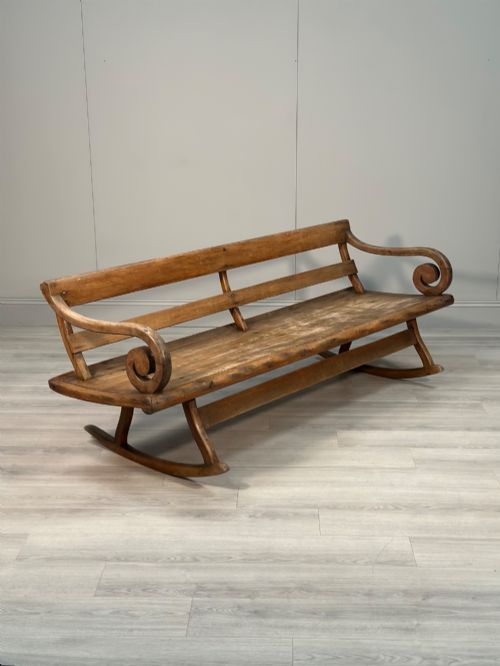
Antique Country Seating
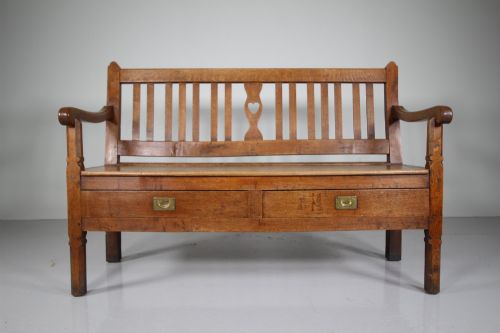
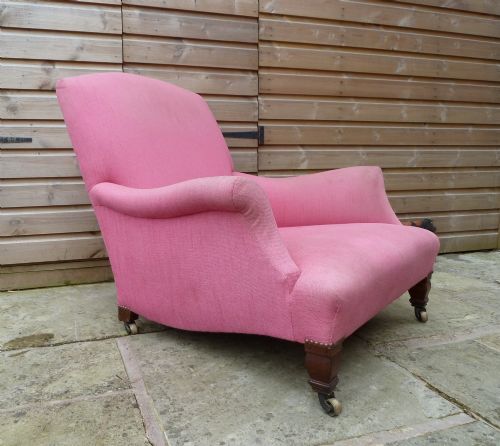
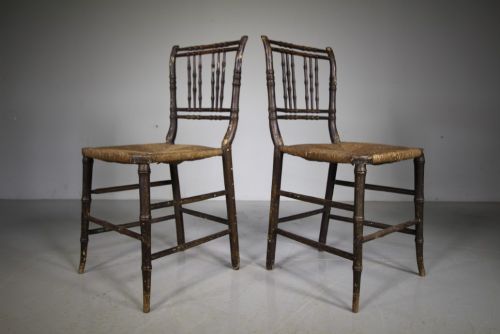
Antique country seating brings honest vernacular charm to a room, offering sturdy wooden forms shaped by generations of rural makers.
What antique country seating is
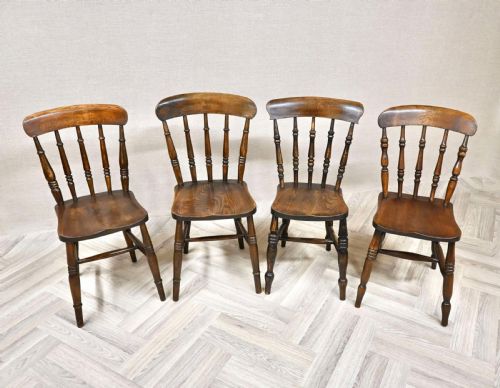
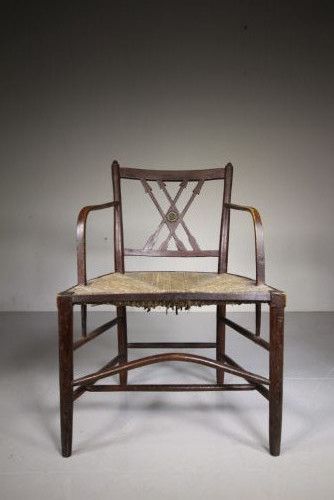
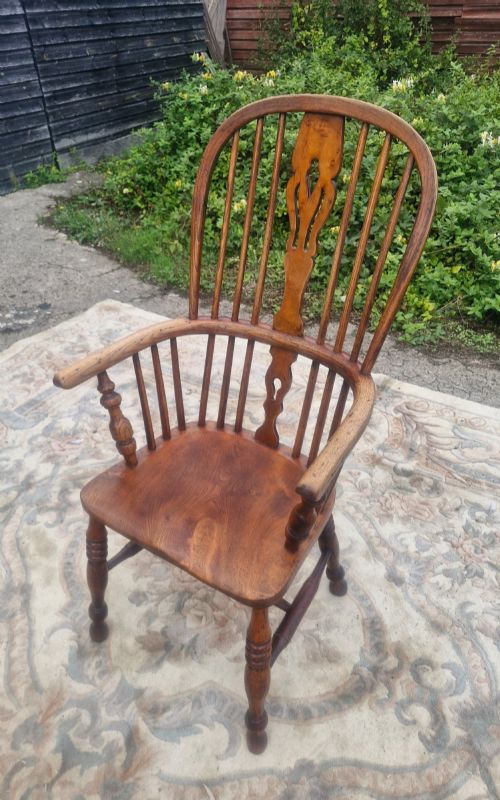
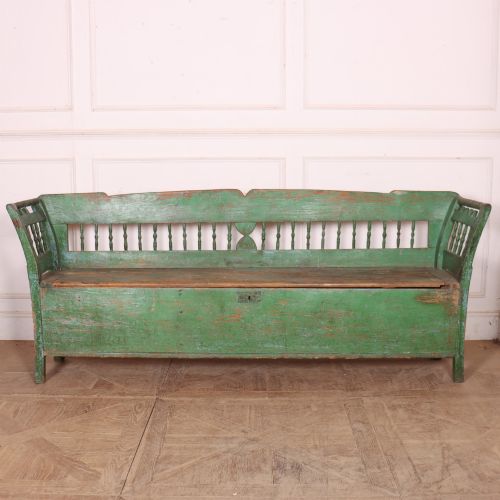
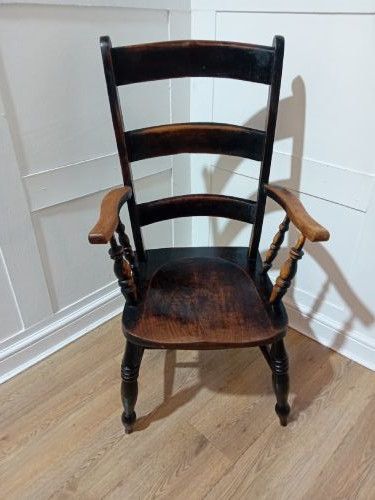
When you search for antique country seating, you encounter sturdy vernacular chairs shaped from native timbers by regional makers. These pieces range from Georgian armchairs to 19th Century kitchen chairs designed for daily domestic use.
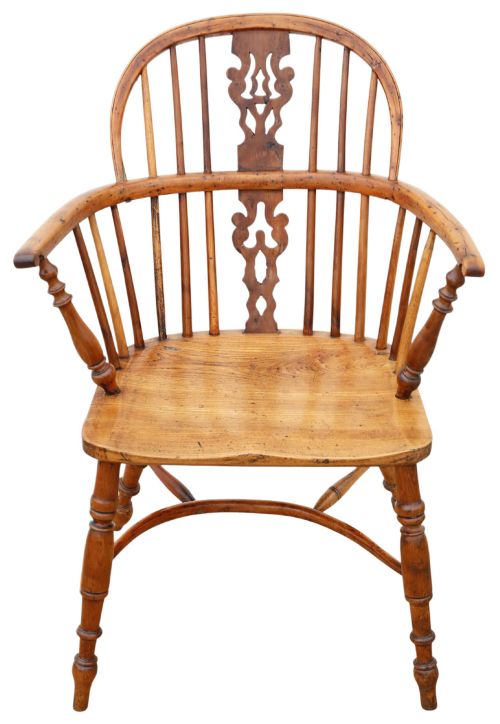
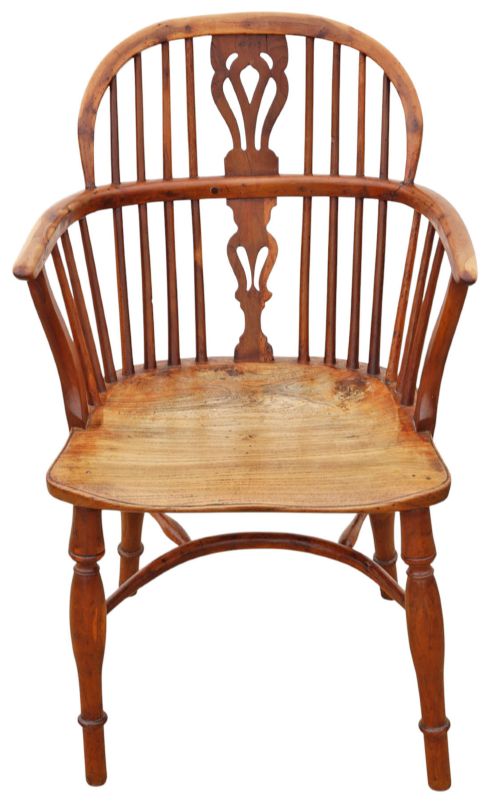
The most common versions met on this page are Windsor chairs featuring high backs, hoop backs, comb backs, or low backs. Sets of dining chairs and individual broad armchairs also appear, reflecting traditional English country styles.
The objects span the 18th Century through the 19th Century, drawing on Georgian and Victorian country traditions. Their origins lie in rural workshops where local timbers dictated the final form.
How they were made
The construction relies on native hardwoods such as elm, ash, yew, oak, and beech, often combined within a single chair. Elm frequently forms the solid seats, while ash and yew provide the tensile strength needed for bentwood hoops and slender spindles.
Traditional bodgers and country joiners turned legs and spindles on pole lathes, shaping components while the wood was still green. These parts were then assembled using wedged tenon joints and through-pegged construction to lock the framework firmly together.
Retail Price Guide 2026
Typical UK retail prices for country seating, calculated from the Sellingantiques database of over a million retail prices indexed since 2003. This retail price guide relies exclusively on Sellingantiques data; no external sources or auction records are used, so the figures do not describe the wider market.
Materials recorded across the available inventory include elm, ash, yew, oak, beech, and general timber.
What varies in quality
The distinction between standard utility seating and exceptional vernacular pieces lies in the choice and figuring of the timber. Highly figured yew wood and deeply saddled elm seats elevate an armchair from a simple utility object to a sculptural work.
Proportion and retention of original surface patination dictate the desirability of a piece. Subtle variations in spindle turning and the graceful sweep of a bentwood hoop show the hand of a more confident regional maker.
The Antique Country Seating Glossary
- Windsor chair
- A chair built with a solid wooden seat into which the legs and back spindles are separately bored and wedged. This technique creates a sturdy and enduring form characteristic of rural English seating.
- Comb back
- A Windsor chair design where the top rail resembles the teeth of a comb, extending above the main spindle arrangement. It provides an elevated rest for the head.
- Hoop back
- A continuous curved wooden bow that forms the armrests and back support of a Windsor chair. Steam-bending allows the timber to curve smoothly without snapping.
- Penny seat
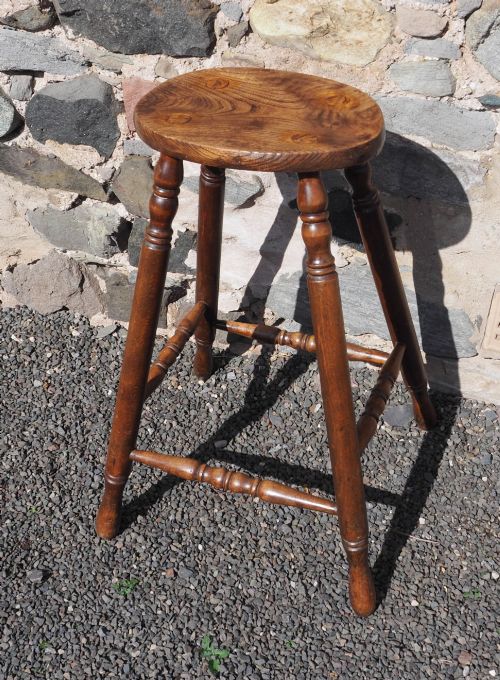
- A colloquial term for a round wooden seat base reminiscent of a large coin. These seats are typically shaped with a slight saddle dip for comfort.
- Vernacular
- Objects designed and built by local craftsmen to satisfy practical domestic needs rather than following strict academic architectural styles. The term highlights regional traditions in materials and construction.
Frequently Asked Questions
How do I identify a Windsor chair?
A Windsor chair is defined by its distinct construction method, where all components attach directly to a thick solid wooden seat rather than a continuous frame.
Look for turned legs and slender spindles socketed into the underside and top of the seat board.
What woods were used for country chairs?
Rural makers utilised whatever native hardwoods grew abundantly in their local woodlands. Elm, ash, beech, oak, and yew appear frequently across these traditional seating forms.
Different timbers served specific structural purposes within the same chair, such as elm for solid seats and ash for flexible spindles.
Are country chairs comfortable to sit on?
Country chairs were designed for practical everyday use, so makers carved ergonomic hollows into the wooden seats. These saddled depressions make the timber surprisingly accommodating over long periods.
Adding loose cushions can soften the seat further if desired for modern dining.
How do I date an antique Windsor chair?
Dating relies on observing construction details, tool marks, and the evolution of the back design from low profiles to high combs. Earlier 18th Century examples often feature heavier proportions and distinct regional turning patterns.
Wear patterns and the depth of the surface patina also help indicate the age of the timber.