

Antique Country Seat
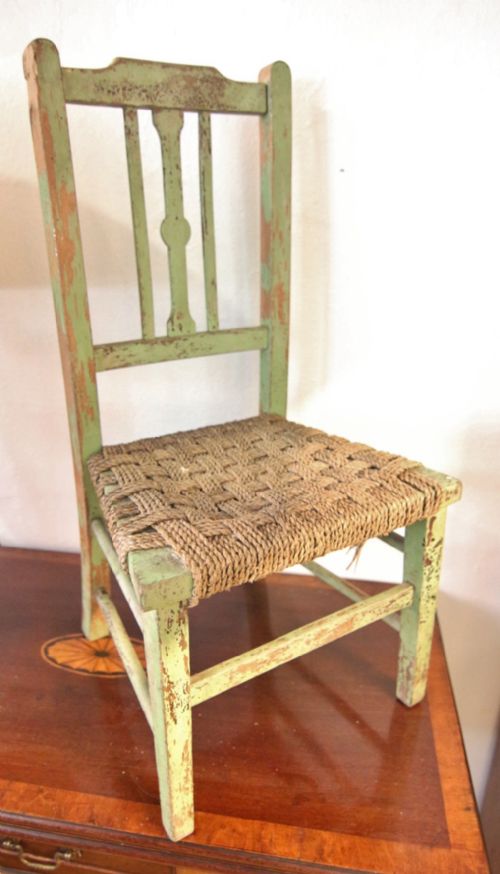
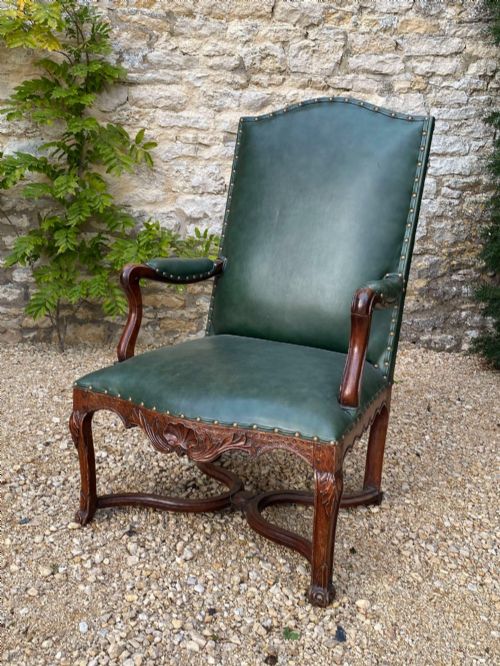
When you search for an antique country seat, you are looking at practical domestic furniture shaped by local materials and regional traditions.
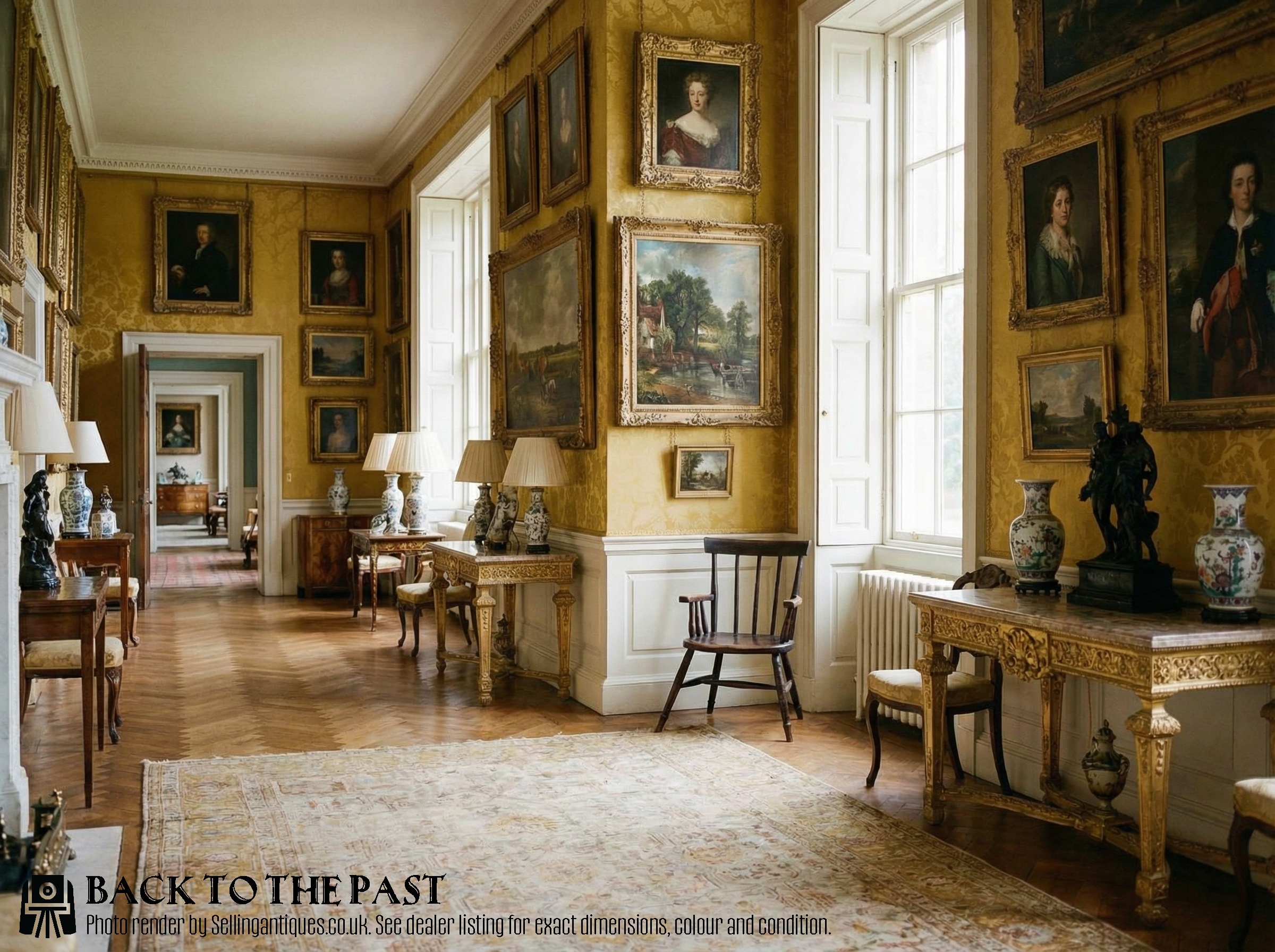
Antique Country Seat
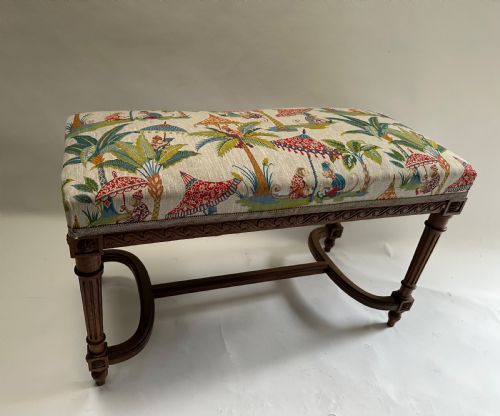
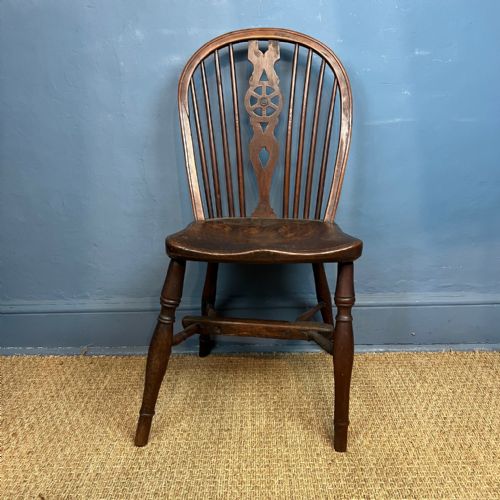
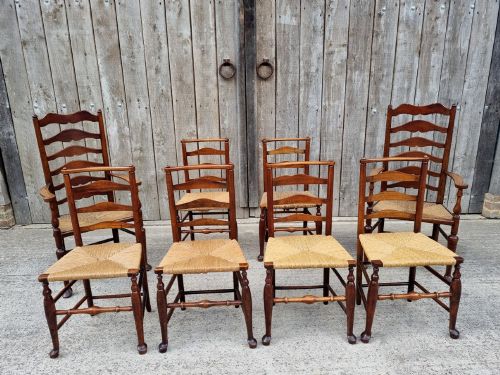
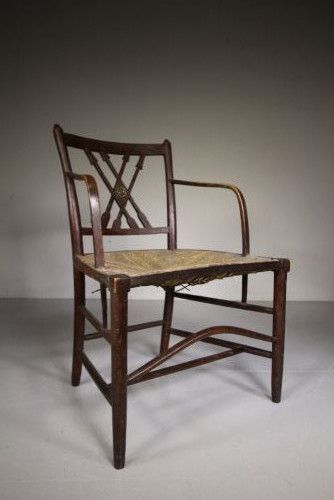
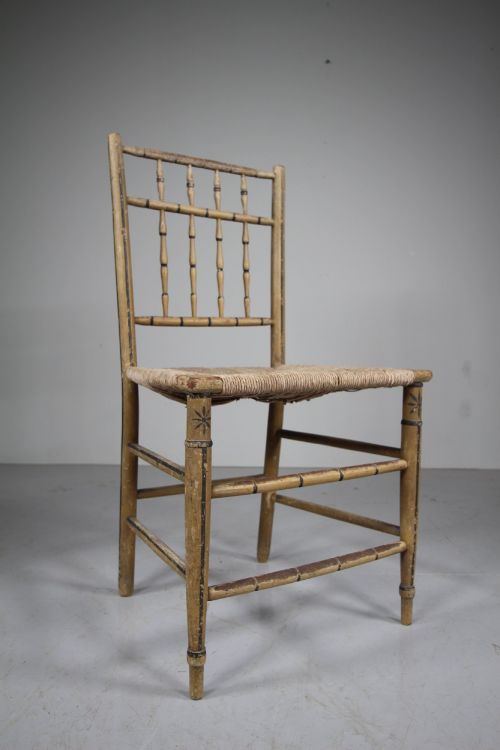
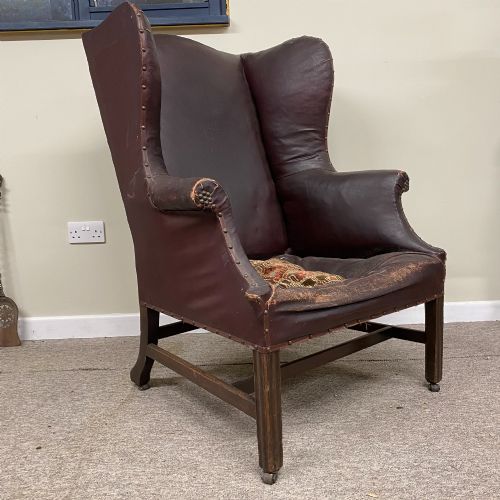
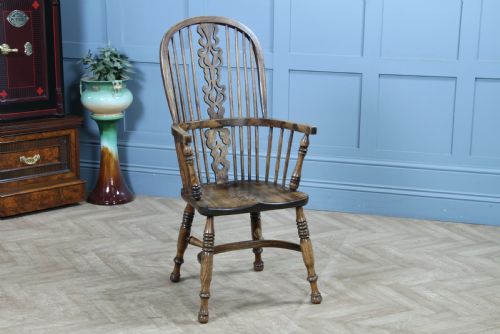
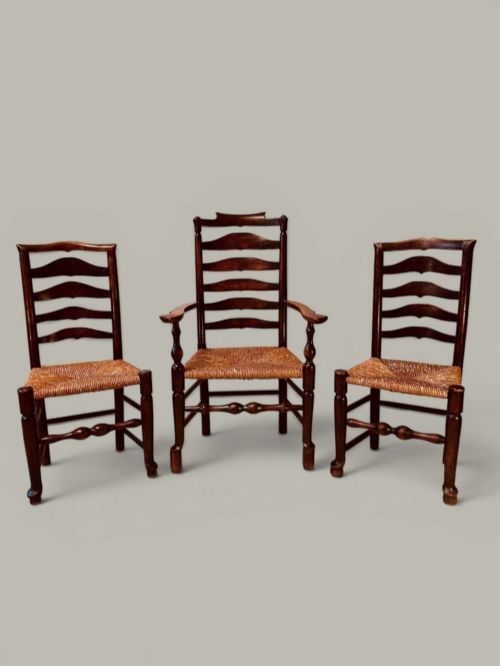
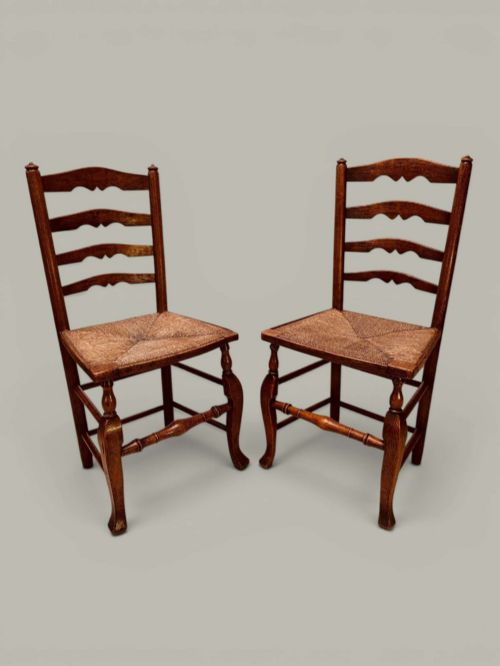
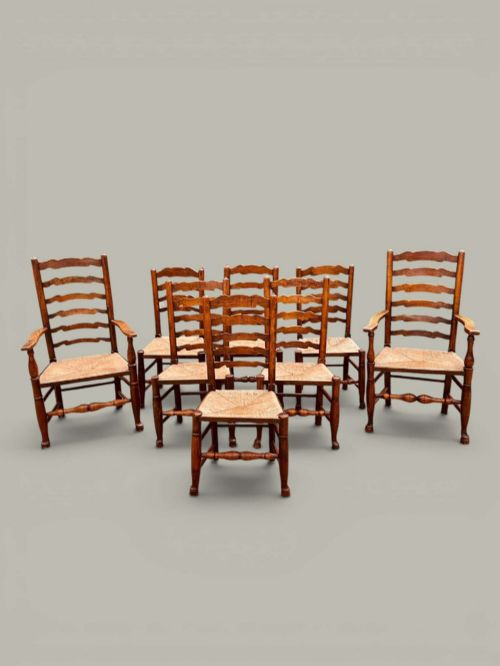
An antique country seat encompasses a diverse range of domestic seating including Windsor armchairs, settles, benches, stools, and ladderback chairs produced across the eighteenth, nineteenth, and early twentieth centuries.
These pieces originated in farmhouses, cottages, and provincial workshops where makers prioritised utility, comfort, and sturdy construction over courtly fashion.

Materials and Construction
Makers utilised solid native hardwoods, frequently combining flexible ash for spindles, durable elm for saddle seats, and robust beech or oak for legs and undercarriage framing.
Joinery relied on traditional methods such as wedged tenons, pegging, and pole-lathe turning, which allowed regional carpenters to build rigid frames without metal fasteners.
Surfaces often retain their original painted finishes, waxed patinas, or traces of historic usage that record the working life of the timber.
Antique Country Seat Retail Price Guide 2026
Typical asking prices for country seat among the pieces listed under this phrase on Sellingantiques today, from the lower quarter to the upper quarter. They describe what is for sale here now, not the wider market.
Several tavern stools bear deep notch marks where regulars measured their ale quotas.
Judging Quality
Quality in a country seat is determined by the integrity of the original construction, the balance of the proportions, and the undisturbed character of the aged surface.
Superior examples display thoughtful wood selection, such as a thick one-piece elm seat slab with pronounced figuring and finely turned spindles that show no sign of clumsy replacement.
The presence of untouched original paint or a deep, warm patina accumulated through generations of use elevates a piece far above heavily stripped or excessively restored alternatives.
Howard and Sons·Whytock and Reid
The Antique Country Seat Glossary
- Windsor chair
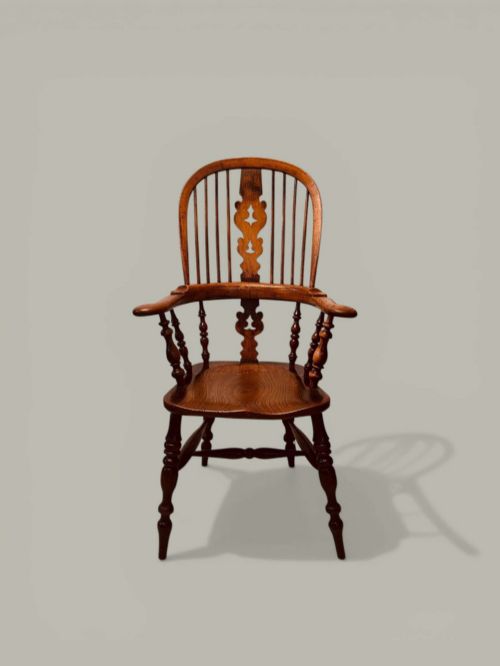
- A wooden chair featuring a solid carved seat into which the legs and back sticks are wedged directly. They often incorporate a steam-bent bow and arm rail.
- Settle
- A high-backed wooden bench with solid arms and a closed base designed to block draughts in rustic interiors. They frequently include integrated storage boxes beneath the seat.
- Smoker's bow
- A low-backed Windsor armchair with a continuous curved armrail supported by turned spindles, commonly found in 19th-century inns and farmhouses.
- Penny seat
- A saddle-shaped wooden seat base with distinctive circular depressions hand-carved to improve comfort.
- Vernacular
- Ordinary domestic furniture built by local provincial craftsmen following regional traditions rather than metropolitan pattern books.
Antique Country Seat: Frequently Asked Questions
What defines a true country seat?
A true country seat is a piece of domestic furniture built by regional craftsmen using locally sourced native timbers. These items were designed for everyday utility in farmhouses, cottages, and rural dwellings rather than formal urban reception rooms.
Such seating is characterised by robust construction, honest joinery, and practical forms that evolved to serve specific domestic or agricultural tasks over centuries.
How do I care for old wood?
Maintaining antique wooden furniture requires stable indoor humidity and protection from direct sunlight and sudden temperature shifts. Excessive heat will dry out native timbers and cause joints to loosen over time.
Apply a traditional beeswax polish sparingly and buff it gently with a soft cloth to nourish the grain and preserve the historic patina without sealing the pores.
Are these chairs comfortable to use daily?
Many traditional country seats, particularly Windsor chairs and deep-seated armchairs, were ergonomically shaped for long hours of manual labour or domestic rest. The scooped saddle seats and supportive spindle backs distribute weight effectively.
Modern users often find them remarkably comfortable, though adding a loose cushion can adjust the seating height and softness to personal preference.
How can I tell the period?
Dating these items relies on examining tool marks, timber species, assembly methods, and wear patterns. Eighteenth-century examples often feature hand- cleft wood and primitive pegging, while Victorian pieces show machine-sawn components and different turning profiles.
Comparing the construction details with documented regional styles helps narrow down the decade of manufacture.