
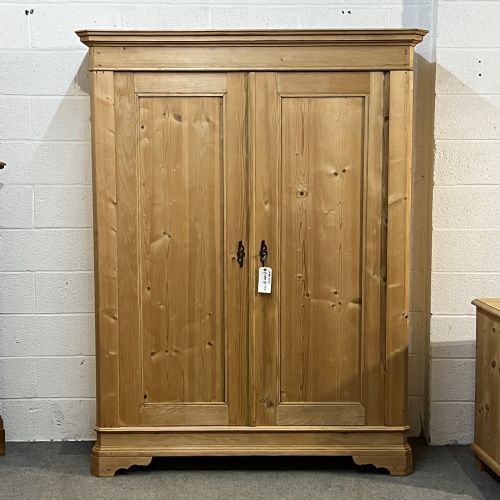
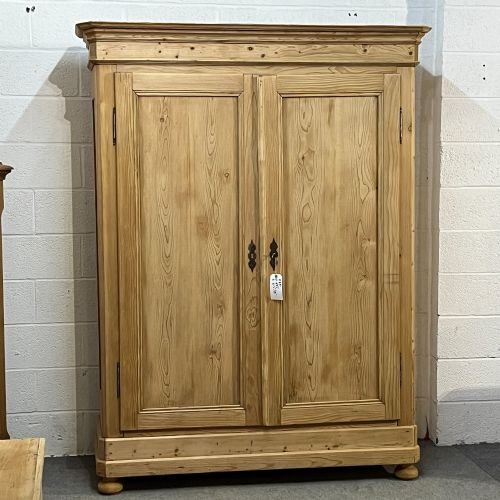
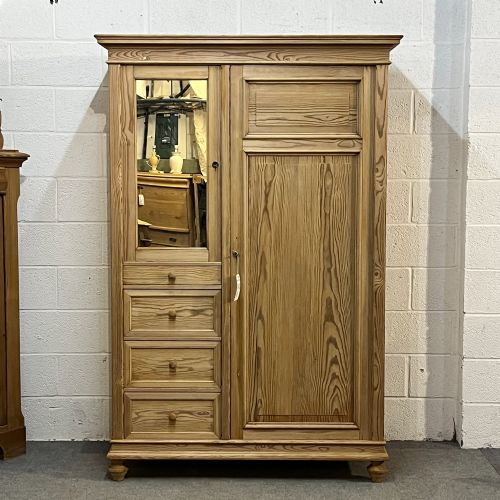
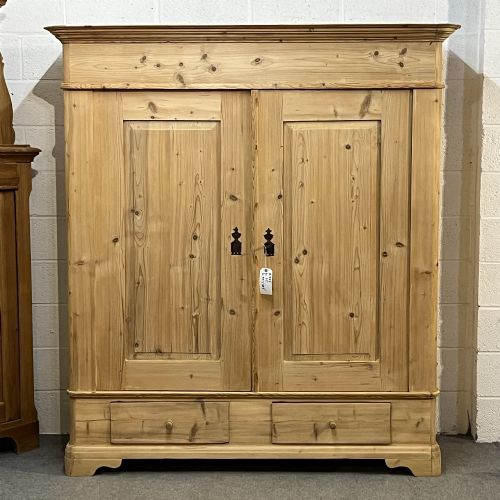
Antique Country Linen Press
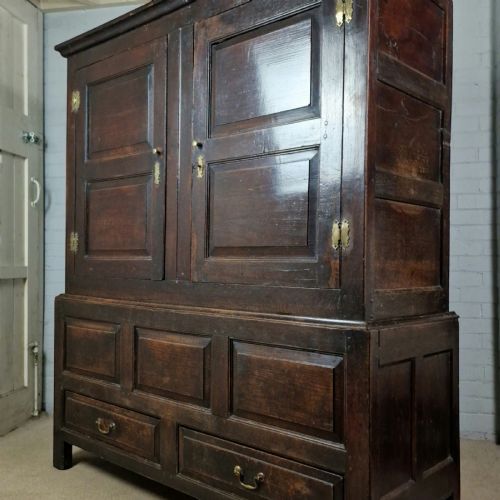
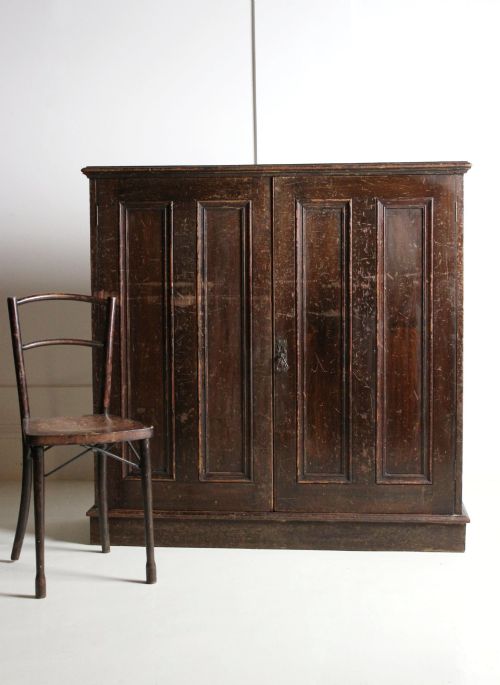
An antique country linen press brings solid timber presence and deep storage to a room, offering substantial utility built to last.
Antique Country Linen Press
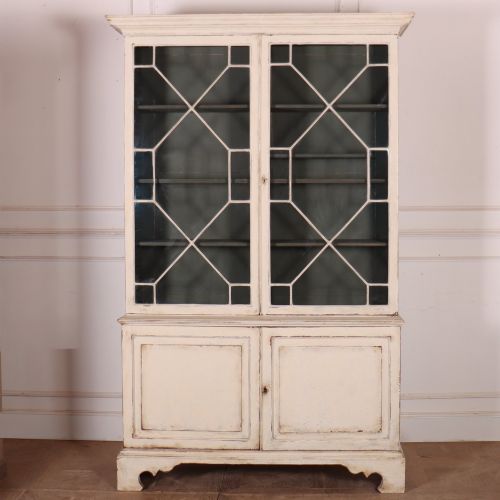
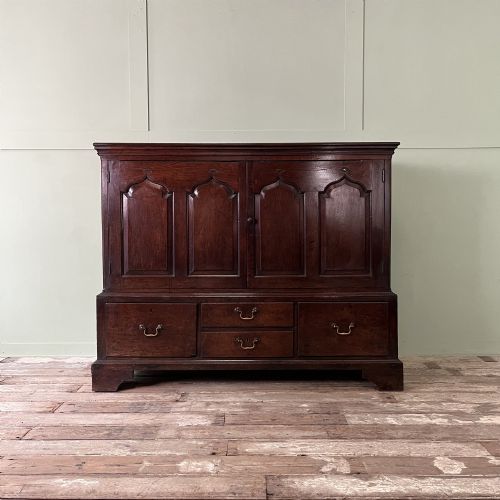
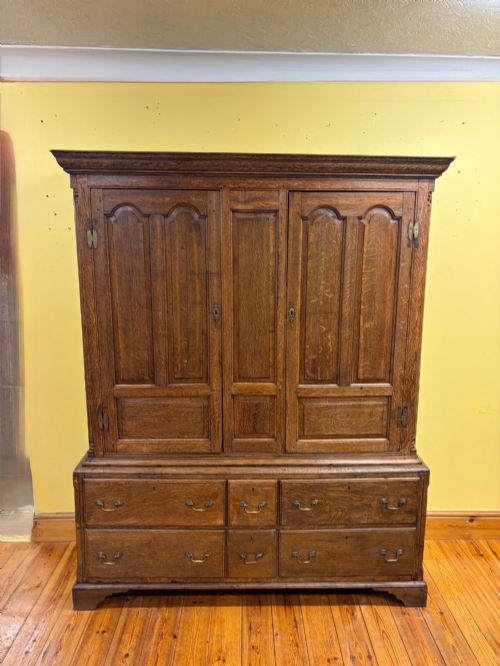
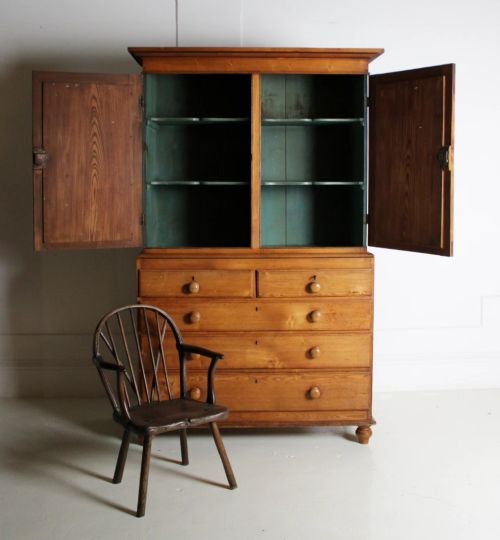
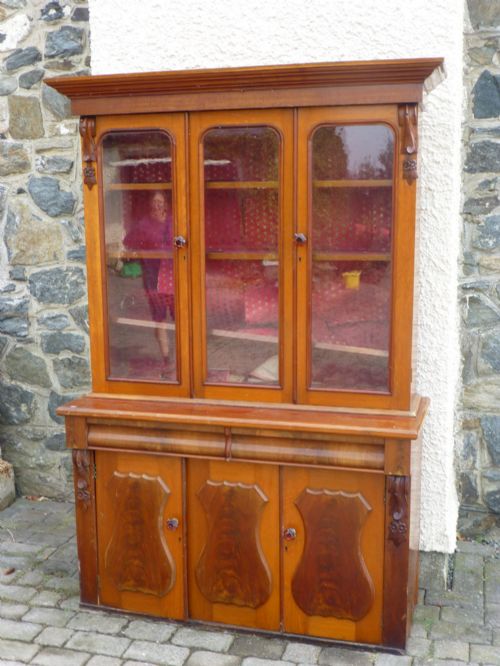
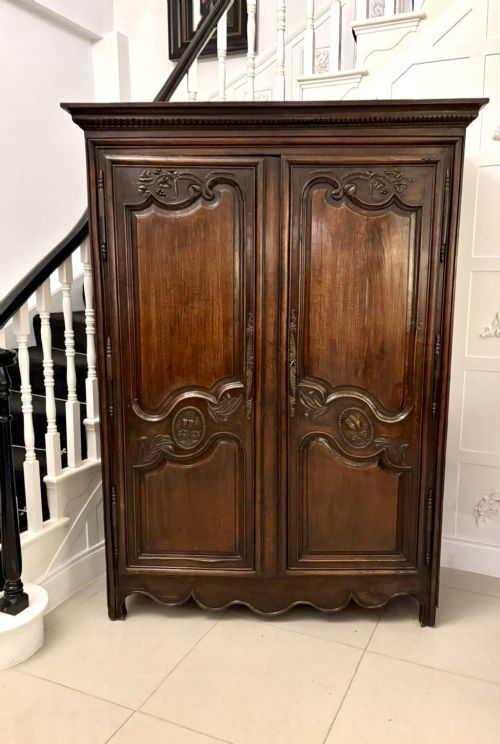
An antique country linen press serves as a large storage cabinet for textiles, household provisions and clothing, combining deep upper or lower compartments with functional shelving. When searching for an antique country linen press, buyers encounter robust pieces originating from British, Irish, French and Spanish provincial workshops.
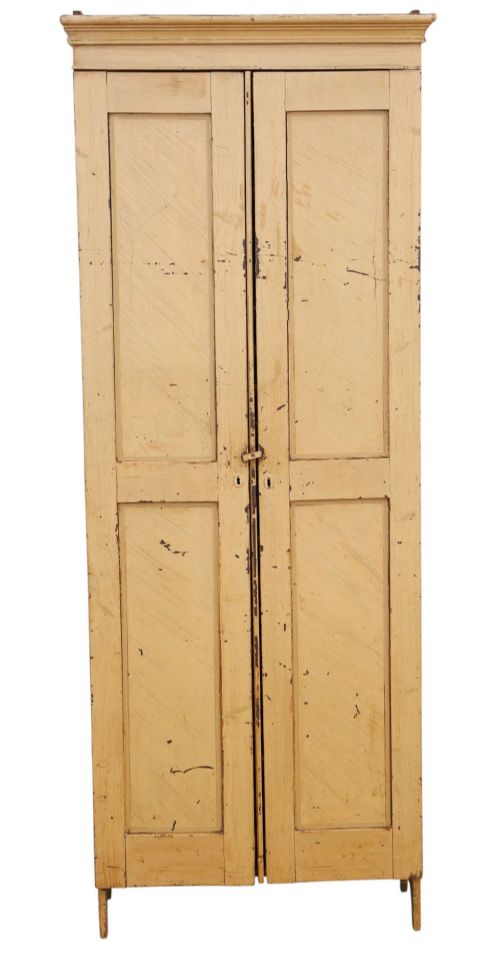
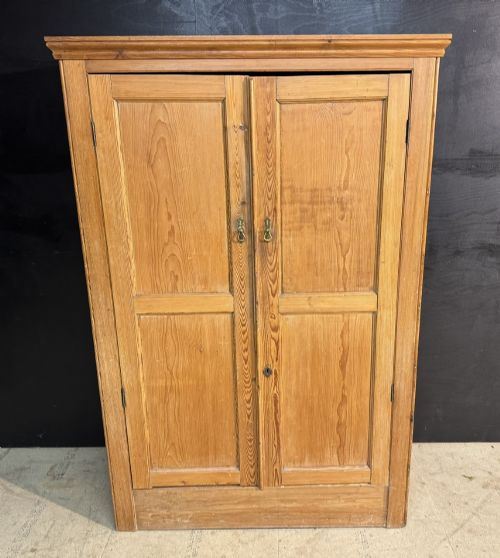
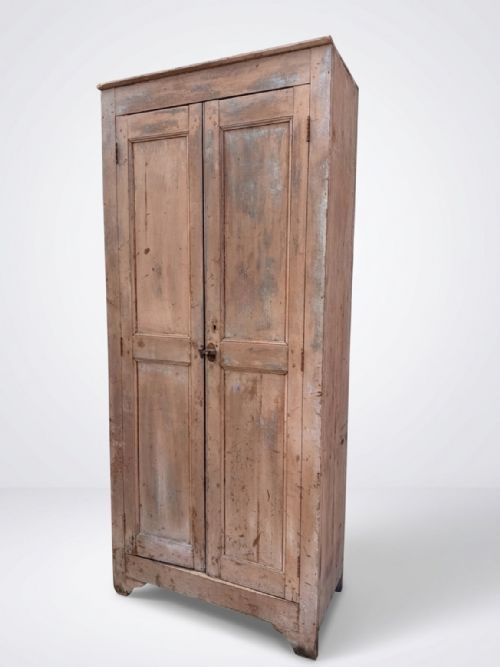
The selections on this page span several centuries, with prominent examples appearing from the 17th, 18th and 19th centuries alongside Victorian and Georgian periods. Formats range from low oak linen press cupboards to tall pine housekeepers cupboards and double wardrobes.
Makers working in regional districts utilised native timbers to construct these storage units, resulting in practical furniture designed for domestic service in country houses and farmhouses. Buyers frequently meet pine and oak iterations finished in original paint, scrubbed surfaces or polished wax.
Materials and construction methods
Carpenters constructed these presses primarily from solid regional timbers including oak, pine, ash and cherry, occasionally incorporating mahogany for decorative contrast. Panels were typically panelled into sturdy frames to accommodate seasonal wood movement in damp rural environments.
Iron and brass hardware such as hinges, escutcheons and handles secured the heavy doors, while internal peg rails and fixed shelves organised linen and garments. Many large wardrobe and press designs incorporated knockdown construction using wooden pins or metal bolts so workers could dismantle the cabinets for transport.
Several listings note that the giant wardrobes dismantle into parts, saving future movers from architectural standoffs.
Evaluating quality and proportion
Quality in these rural storage pieces rests upon the integrity of the timber selection, the weight of the hardware and the balance of the proportions. Cabinets built with thick, unwarped oak or dense old pine panels retain superior structural stability compared to later, lighter constructions.
The retention of original surface treatments - such as early polychrome paint, scumble glazes or aged beeswax patination - distinguishes untouched examples from stripped alternatives. Finer specimens display careful dovetailing in internal drawers and precise joinery that keeps heavy panelled doors true on their original hinges.
Johnston’s of London
The Antique Country Linen Press Glossary
- Linen press
- A tall storage cabinet traditionally fitted with interior sliding trays or shelves for storing folded household linen and garments.
- Housekeeper's cupboard
- A large multi-door storage unit historically used in country houses to store provisions, linens and household equipment.
- Knockdown wardrobe
- A large piece of furniture engineered to disassemble into manageable sections using hidden wooden pins or bolts for easy movement between rooms.
- Scumble paint
- A decorative surface finish created by dragging or wiping a translucent coloured glaze over a pale base coat to simulate grained wood.
- Compactum
- A fitted wardrobe containing a combination of hanging space, shelves and internal drawers within a single unified cabinet.
Antique Country Linen Press: Frequently Asked Questions
What is an antique country linen press?
An antique country linen press is a substantial wooden storage cabinet designed for holding household textiles, bedding and clothing.
These pieces typically feature large panelled doors enclosing interior shelves or sliding trays, often accompanied by lower drawers for supplementary storage.
How were linen presses used historically?
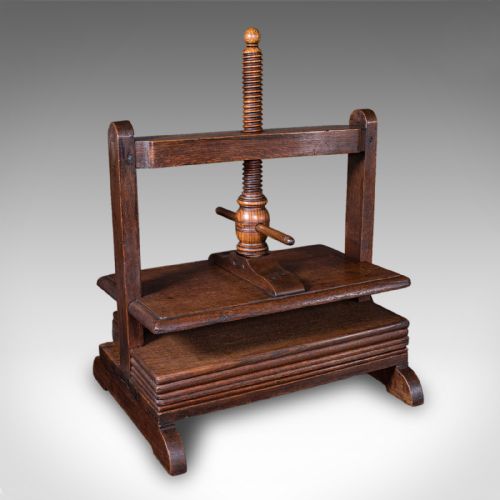
Households utilised these large cabinets to store freshly laundered linen flat between wooden boards to keep fabrics smooth before use.
Over time, many rural presses adapted into general household wardrobes and storage cupboards for domestic quarters.
Do these large cupboards dismantle for delivery?
Many period linen presses and wardrobes were constructed using knockdown methods specifically to allow dismantling into sections.
Carpenters built these units with removable cornices, sides and panelled doors held together by internal wooden pins or bolts for transport through narrow doorways.
How do I care for a waxed pine press?
Maintain waxed pine surfaces by dusting regularly with a soft, dry cloth and applying a traditional beeswax polish sparingly when the wood appears dry.
Keep the cabinet away from direct heat sources and strong sunlight to prevent the timber from drying out and the old paint or wax from degrading.
How can I tell Georgian pine from Victorian pine?
Georgian pine furniture generally exhibits denser grain patterns, hand-planed surfaces and traditional pegged joinery executed by regional cabinetmakers.
Victorian pieces often display machine-moulded details, standardised iron hardware and heavier proportions designed for larger 19th-century domestic interiors.