



Rustic Pine Linen Chest
These rustic pine linen chest pieces offer sturdy, honest storage shaped by decades of everyday use in country homes.
Rustic Pine Linen Chest
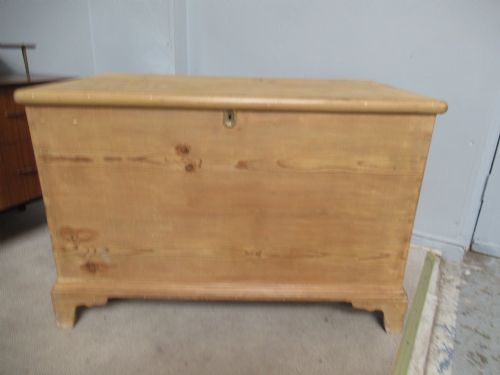
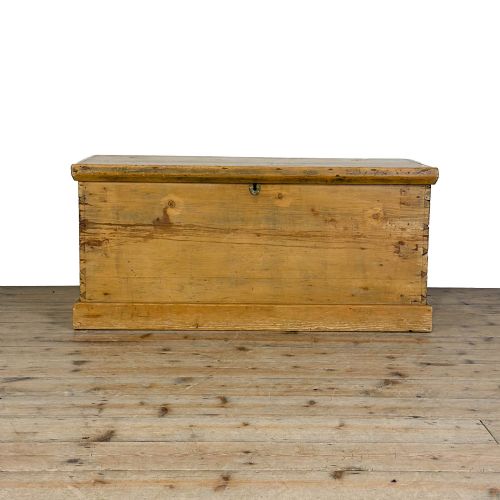
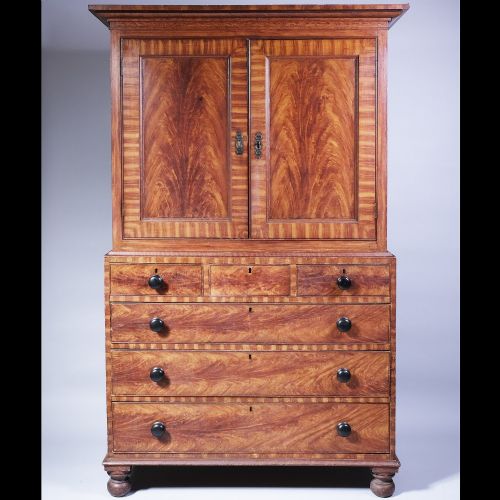
A rustic pine linen chest brings practical storage and straightforward country character into a room. When you search for a rustic pine linen chest, you encounter sturdy blanket boxes, tall cupboards, and housekeeper's presses dating primarily from the nineteenth century. Victorian and Georgian examples dominate the selection, alongside painted Scandinavian and Dutch country pieces.
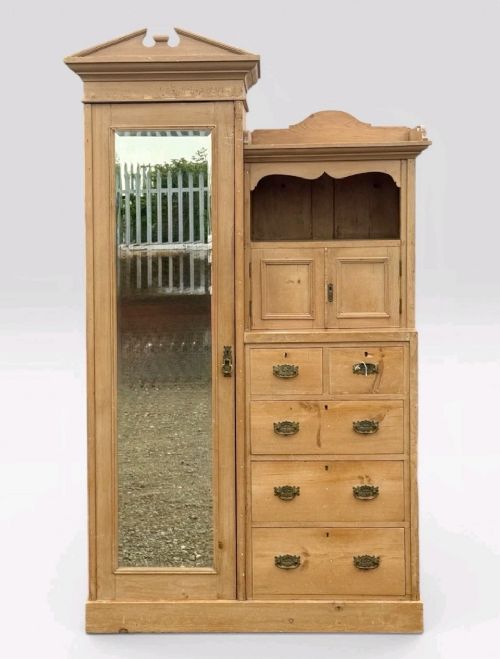
Forms vary from simple lidded trunks to large multi-drawer linen cupboards and chifferobe wardrobes. Many pieces retain traces of original scumble paint, while others feature stripped pine surfaces that reveal the natural grain of the wood.
How they were made
Local joiners built these items using native softwood pine, joined with traditional methods suited to hardworking domestic furniture. Hardware such as brass or iron hinges, handles, and locks provided durable function for daily use.
Surface finishes ranged from simple clear seals to decorative scumble paint or layered regional pigments, particularly in Scandinavian and Dutch traditions. Construction often permitted partial dismantling to allow for movement between rooms or properties.
Rustic Pine Linen Chest Retail Price Guide 2026
Typical asking prices for rustic pine linen chest among the pieces listed under this phrase on Sellingantiques today, from the lower quarter to the upper quarter. They describe what is for sale here now, not the wider market.
The current selection spans the Georgian era through the Victorian period, featuring both British country pieces and Scandinavian painted examples.
What varies in quality
The distinction between standard utility furniture and superior examples lies in the proportion, timber selection, and survival of original surface treatments. Pieces with untouched historic paintwork or well-figured pine show greater integrity than those stripped down and altered over time.
Structural honesty and the retention of original brass or iron fittings dictate the standing of a piece within its period. Refined joinery details separate regional vernacular workshop production from more basic utilitarian boxes.
The Rustic Pine Linen Chest Glossary
- Scumble paint
- A decorative glazing technique used to imitate finer wood grains or create mottled patterns on simpler timber surfaces.
- Campaign chest
- A portable set of drawers or storage designed to be easily dismantled and transported for travel.
- Housekeeper's cupboard
- A large storage unit traditionally used in domestic service for linens, dry goods, and household provisions.
- Chifferobe
- A hybrid storage piece combining the hanging space of a wardrobe with the drawers of a chest.
- Vernacular furniture
- Everyday objects made by local craftsmen using regional materials, prioritizing function over high-style academic design.
Rustic Pine Linen Chest: Frequently Asked Questions
How do I care for antique pine furniture?
Keep pine pieces away from direct heat sources and sudden humidity changes to prevent the timber from splitting or warping.
Dust regularly with a soft dry cloth and feed unsealed surfaces with a traditional beeswax polish when the wood appears dry.
Were these pieces always painted?
Many country pieces received coats of paint to protect the softwood or to mimic more expensive hardwoods in modest homes.
Later generations often stripped these painted surfaces down to the bare pine, a practice that became popular in the twentieth century.
Can I use these chests for modern storage?
These robust containers suit the storage of heavy items, winter blankets, and bulky household linens just as they did in the past.
Ensure interior surfaces are clean and dry before storing delicate fabrics inside historic timber compartments.
How do I identify a Victorian piece?
Victorian items often display machine-sawn timber elements alongside hand-cut joints, reflecting the industrial methods of the nineteenth century.
Hardware styles, dovetailed drawer construction, and typical proportion also help distinguish pieces from earlier Georgian eras.