
Victorian Painted Linen Press
These substantial pieces combine traditional storage with decorative painted finishes, offering generous capacity and period character for modern interiors.
Victorian Painted Linen Press
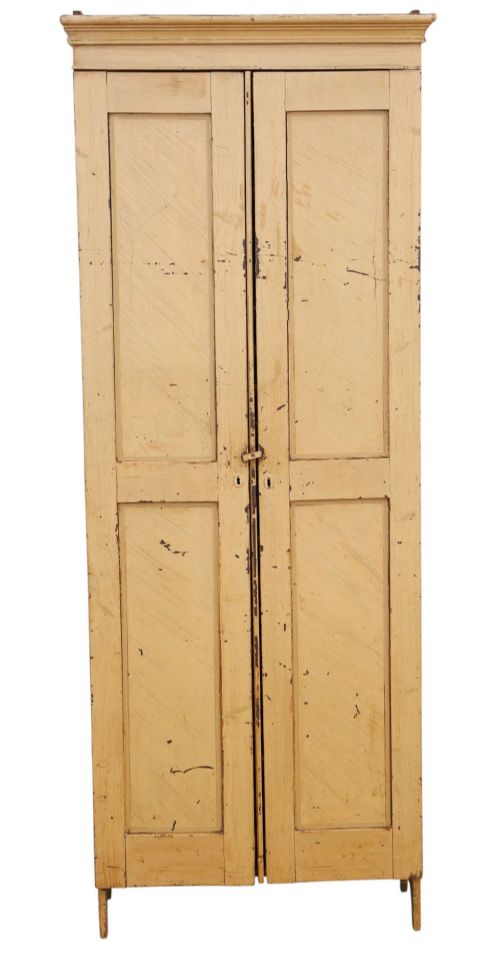
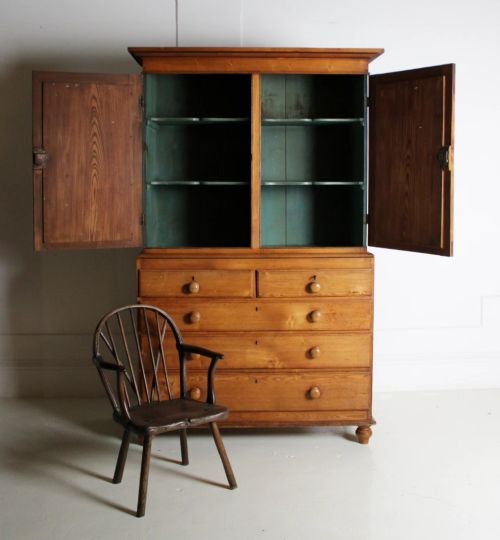
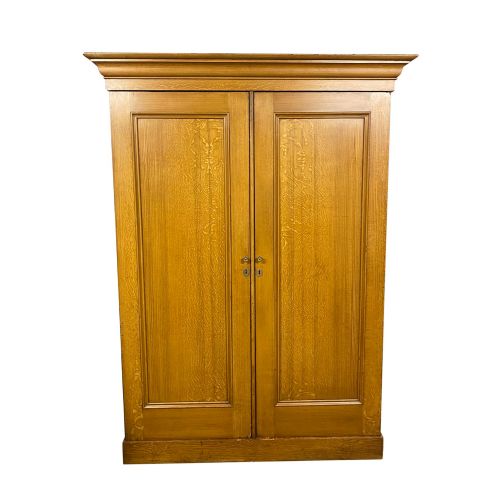
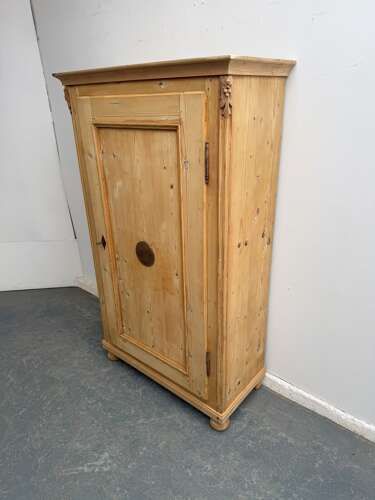
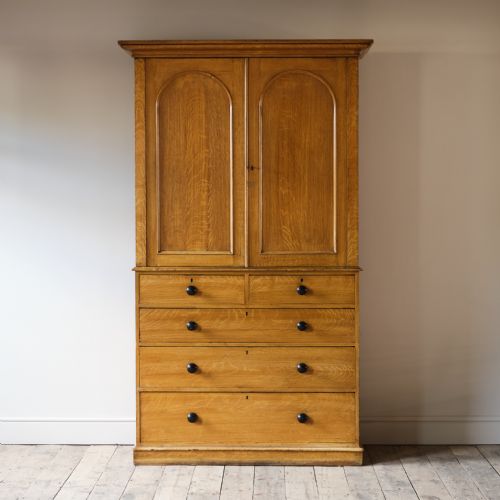
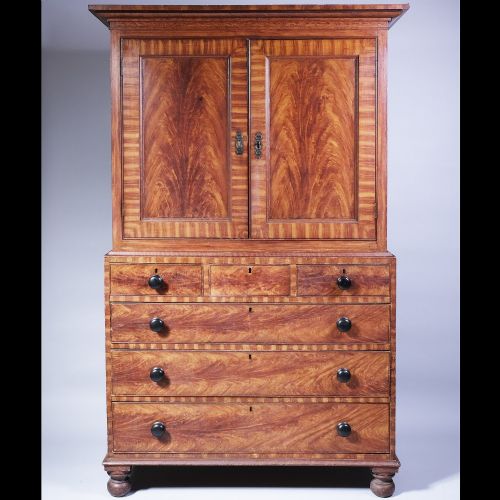
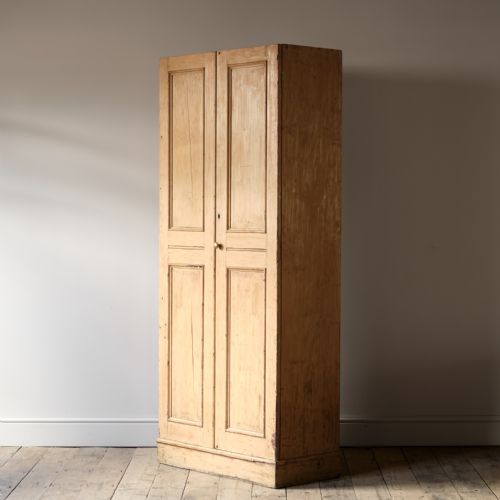
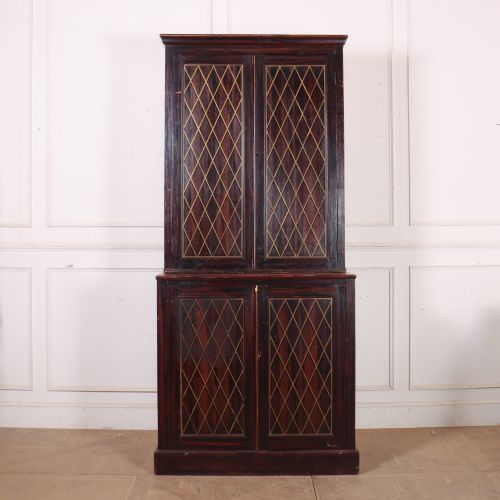
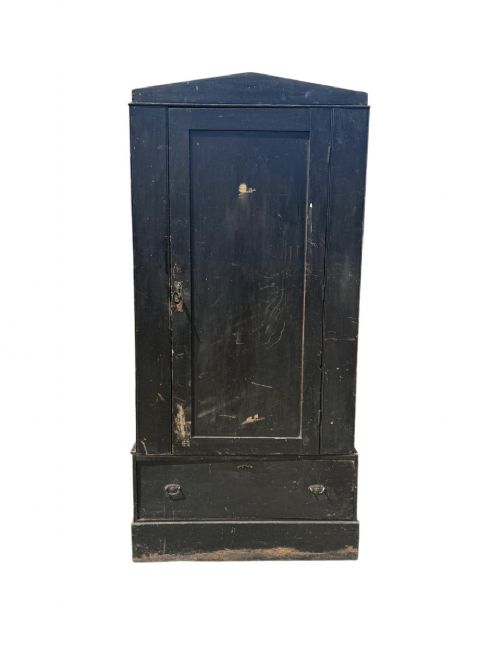
A victorian painted linen press represents a substantial storage solution originating primarily from the nineteenth century, designed originally to store folded garments, household linens, and garments. These tall, upright pieces frequently combine upper cupboard sections with lower drawer bases, though variations include single and double door formats, housekeeper cupboards, and compactum wardrobes.
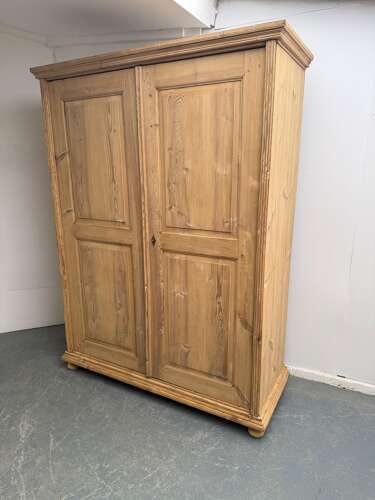
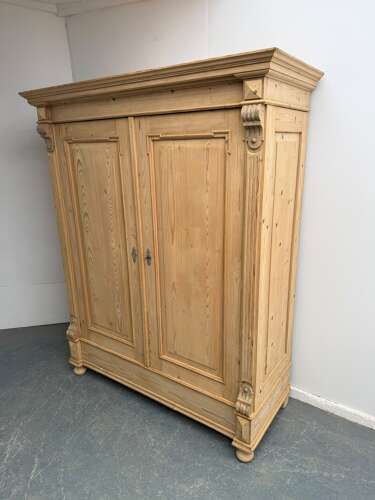
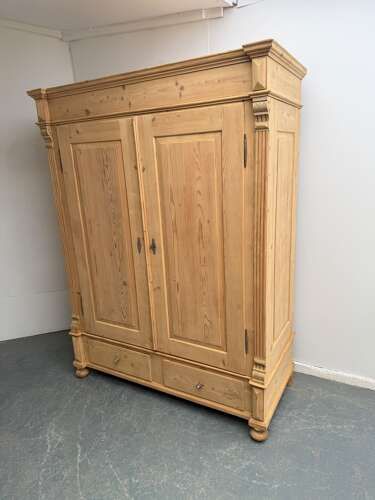
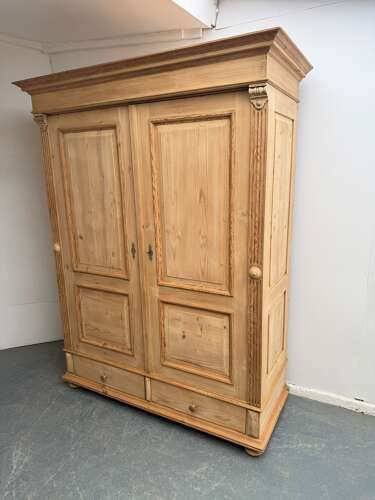
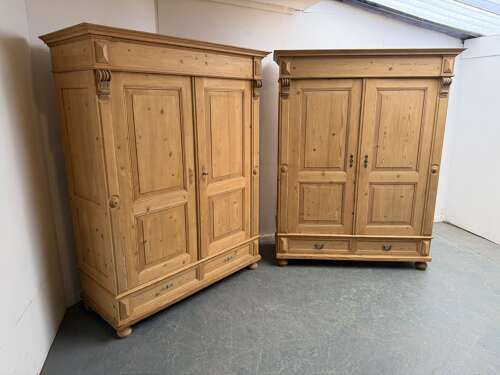
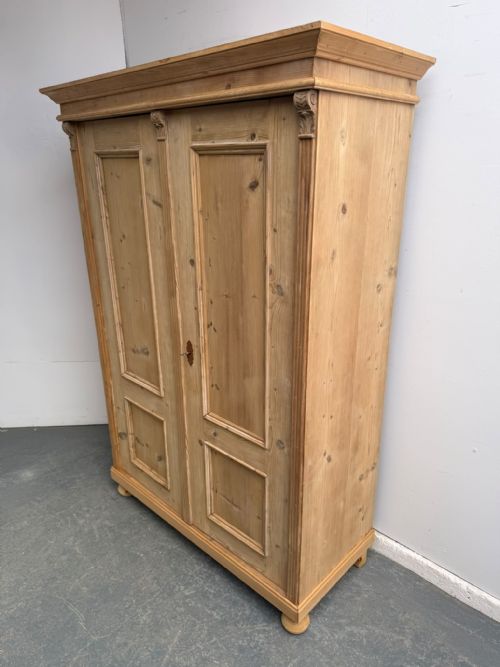
The version most commonly encountered on this page is constructed from pine, often bearing either original historic paint finishes such as scumble or cream coatings, or unpainted surfaces prepared for wax or paint. Their origins span standard Victorian production, arts and crafts workshops, and country farmhouse contexts, resulting in proportions that range from shallow, narrow formats to massive knockdown wardrobes.
Materials and construction
Construction relies heavily on solid pine timbers, utilised for carcases, fielded panels, and structural framework, sometimes supplemented by ash in country workshop examples. Iron, brass, and metal hardware including hinges, handles, and internal fittings secure the heavy doors and drawers of these large storage items.
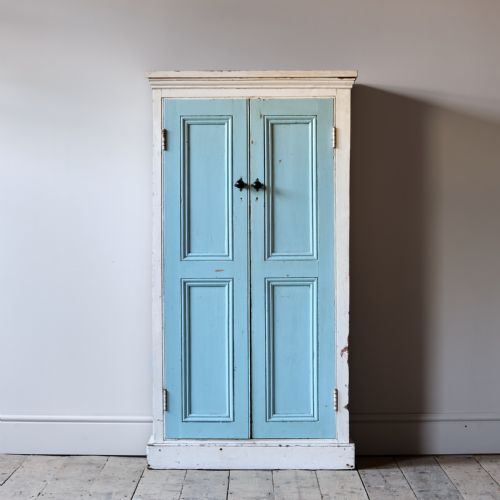
Surfaces are finished with applied paint layers, including specialised decorative techniques like scumble faux oak paintwork alongside historic cream, blue, and plain painted coats. Many examples are offered in raw pine ready for custom waxing or painting, reflecting their history of utilitarian service and domestic adaptation.
Listings feature pine and painted wood constructions alongside iron and brass hardware across nineteenth century periods.
Evaluating quality and proportion
Quality in these large storage pieces rests upon the integrity of the original timber framing, the soundness of knockdown joints, and the survival of authentic period paint surfaces rather than modern refinishing. Finer examples retain architectural details such as arched door panels, beaded mouldings, and balanced proportions that elevate a utilitarian cupboard into a considered piece of furniture.
The presence of untouched scumble paintwork, original hardware, and clever internal configurations like adjustable shelving or integrated drawers distinguishes superior vernacular examples from plain, heavily altered utility pieces.
The Victorian Painted Linen Press Glossary
- Linen press
- A tall storage cabinet traditionally utilised for storing folded sheets, tablecloths, and garments, typically featuring upper shelving enclosed by doors above a chest of drawers base.
- Knockdown wardrobe
- A large wardrobe designed to be dismantled into sections for transport and reassembly in upper rooms, common in nineteenth-century domestic properties.
- Scumble
- A decorative painting technique involving a translucent glaze dragged over a lighter base colour to simulate the grain of more expensive hardwoods like oak.
- Fielded panel
- A wooden panel with bevelled or recessed edges set within a heavier frame, adding depth and structural stability to cabinet doors.
- Housekeeper cupboard
- A large, utilitarian storage cabinet traditionally used in country houses for storing provisions, linens, and household goods.
Victorian Painted Linen Press: Frequently Asked Questions
What is a linen press used for?
These tall cabinets were originally designed to keep household linens flat and organised under slight pressure within the upper shelving compartments. Lower drawers provided additional space for smaller garments and domestic accessories.
Today, buyers utilise them in bedrooms, hallways, or kitchens as high-capacity wardrobes, pantry cupboards, or general storage furniture.
How do I identify a Victorian piece?
Nineteenth-century construction is typically characterised by solid pine timbers, hand-cut joinery, and heavy panel doors built to withstand decades of domestic use. Iron and brass hardware, along with traditional painted finishes like scumble glaze, point directly to this era.
Proportions tend to be generous and utilitarian, reflecting the period's need for robust household storage before fitted furniture became common.
What does original paint mean?
Original paint refers to historic surface coatings applied during the nineteenth century that have survived without being stripped down to bare wood. These layers often show natural wear, mellow patination, and subtle cracking that collectors prize for authenticity.
Many listings also offer pieces in bare pine, which allows buyers to apply their own custom paint colours or wax finishes to match existing interior schemes.
Are knockdown wardrobes difficult to assemble?
Knockdown wardrobes were engineered in the nineteenth century specifically to be dismantled and reassembled so they could fit up tight staircases into bedrooms. They typically use wedge joints, bolts, or simple interlocking sections that secure the cornice, sides, and base together.
Assembling them simply requires basic tools and an extra pair of hands to manage the heavy pine panels safely.