




Antique Cottage Watercolour
Discover the charm of an antique cottage watercolour, capturing rural scenes, rustic buildings, and pastoral life across Britain.
Antique Cottage Watercolour
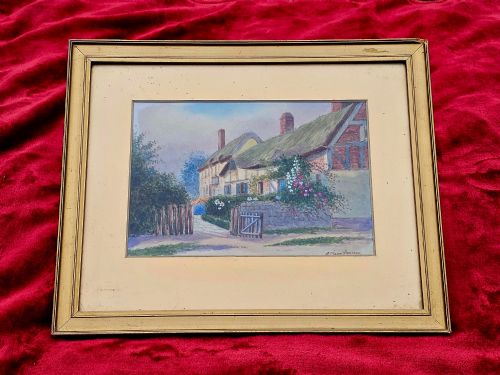
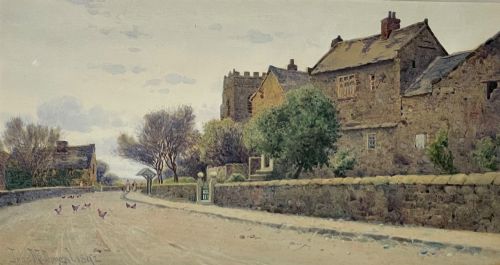
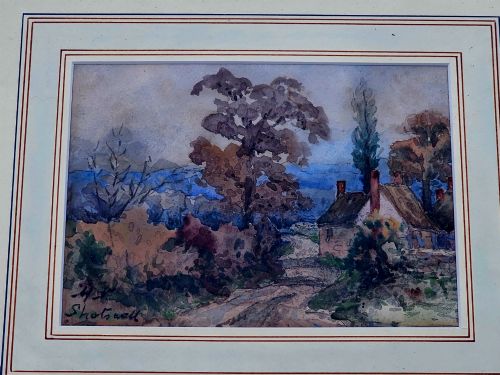
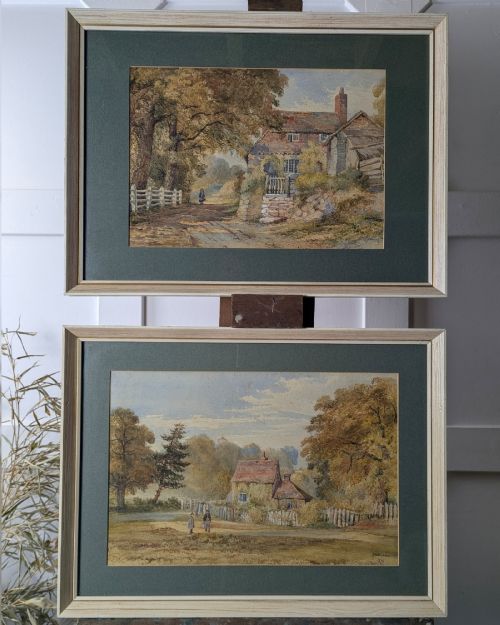
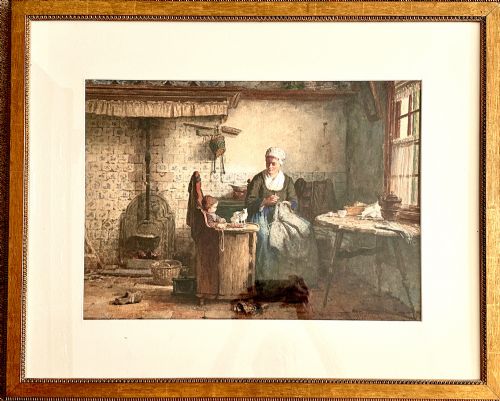
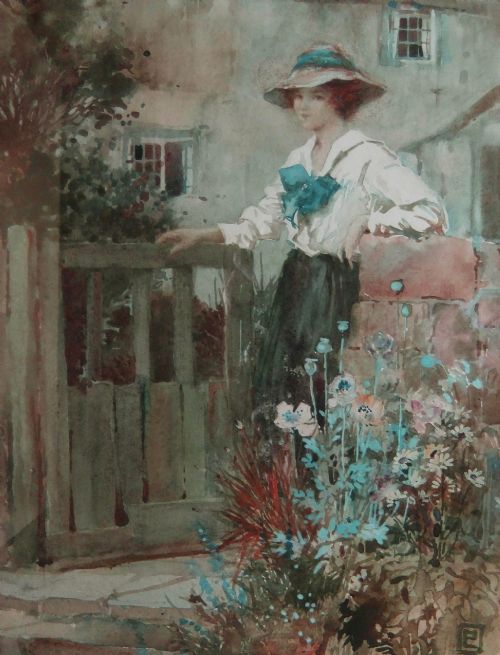
An antique cottage watercolour represents a traditional form of British pastoral and rural art depicting country houses, thatched roofs, gardens, and village life. These paintings capture the nostalgic appeal of the English countryside across the nineteenth and early twentieth centuries.
The works on this page span the Victorian, Edwardian, and early twentieth-century periods, showcasing the evolving tastes in landscape painting. Buyers frequently encounter framed works created by regional British artists recording rural topography and domestic scenes.
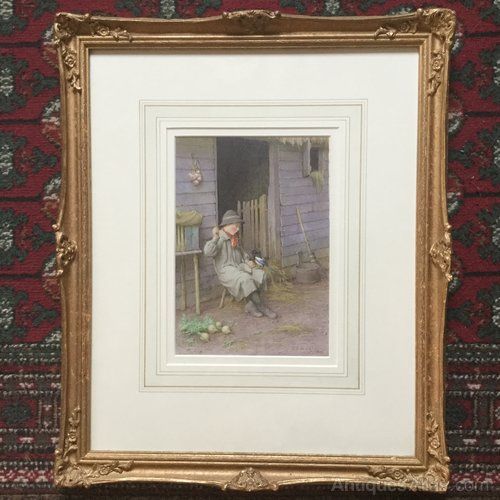
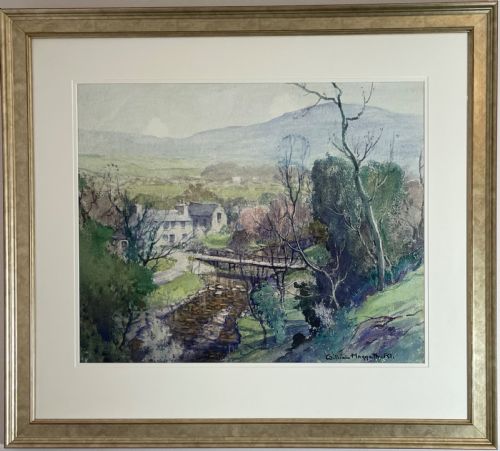
Subjects range from quiet cottage doorways and tended gardens to riverbanks and village lanes populated by figures, children, and livestock. Each piece serves as a historical record of vernacular architecture and rural habits long before modern development.
How They Were Made
Artists applied watercolour pigment suspended in water onto heavy paper sheets, often utilising gum arabic to deepen tones and create luminous washes. Drawings were frequently sketched first in graphite or ink to establish the architectural lines of cottages and landscape boundaries.
Many surviving examples are preserved behind glass within wooden frames, sometimes featuring gilt ornamentation that reflects the framing conventions of the Victorian and Edwardian eras. Gouache was occasionally added to highlight specific details such as flowers or highlights on water.
Listings feature works created across several decades, ranging from the late Victorian period through the Edwardian era into the nineteen-forties.
What Varies in Quality
Quality rests upon the artist's ability to handle light, atmosphere, and perspective within a transparent medium. Finer works display confident brushwork and a subtle control of tone that brings depth to foliage, weathered brickwork, and distant hills.
The condition of the paper and pigment stability significantly influence the desirability of a piece. Strong, unfaded colours and minimal foxing indicate careful preservation away from damaging sunlight and damp conditions.
John McDougal·Fred Lawson·Arthur Tucker·Henry Charles Fox·David Woodlock·Lilian Stannard
The Antique Cottage Watercolour Glossary
- Watercolour pigment
- Finely ground colour particles mixed with a water-soluble binder, applied in thin translucent layers to paper. This medium allows light to reflect from the white paper surface beneath.
- Gouache
- An opaque water-based paint similar to watercolour but mixed with a white pigment to create solid, opaque areas of colour. Artists used it for highlights and sharp details.
- Gilt wood
- Wood framing treated with a thin layer of gold leaf or metallic paint. These traditional frames were designed to complement the tones of the painting within.
- Pastoral
- A style of art focusing on rural life, shepherds, rustic cottages, and idealized countryside scenes. It reflects a cultural longing for simple, agrarian existence.
- Foxing
- Small brownish spots or patches that develop on older paper due to chemical reactions over time. It is a common natural occurrence in works on paper.
Antique Cottage Watercolour: Frequently Asked Questions
What subjects appear in these paintings?
Paintings commonly feature thatched cottages, country gardens, rivers, and village lanes across rural Britain. Scenes often include figures engaged in daily tasks, children playing, or livestock grazing near homesteads.
Artists frequently documented specific regional architecture in Yorkshire, Devon, and the Isle of Man. These views emphasise traditional rural life rather than industrial progress.
How should I frame and display them?
Watercolours require protection behind glass to prevent atmospheric damage and dust accumulation. Acid-free mounts keep the paper from touching the glass directly.
Display the artwork away from direct sunlight to prevent the pigments from fading over time. Stable indoor humidity levels help preserve both the paper support and the wooden frame.
How do I date an antique watercolour?
Dating relies on signatures, dated inscriptions, costume details of figures, and architectural styles within the image. Paper types and framing methods also offer clues to the period of creation.
Victorian and Edwardian works often carry distinct stylistic traits associated with British Impressionism or pastoral realism. Archival records and artist exhibition histories help narrow down the exact decade.
Were these painted outdoors?
Many artists created preliminary pencil sketches or small colour studies en plein air while observing the subject directly. Finished watercolours were often completed inside studios using these on-site studies as reference.
This method allowed painters to capture accurate atmospheric conditions and architectural details of rural cottages. Some works reflect the direct influence of the British school of landscape painting.