


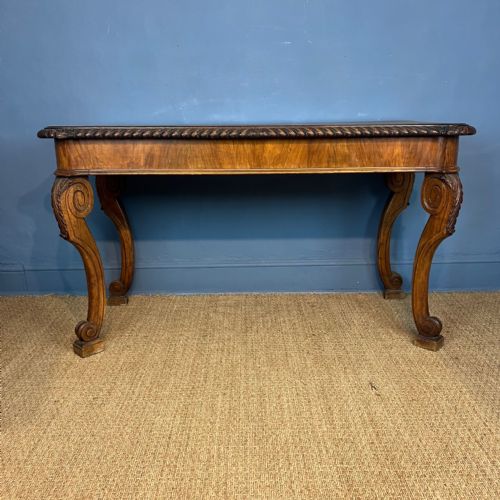
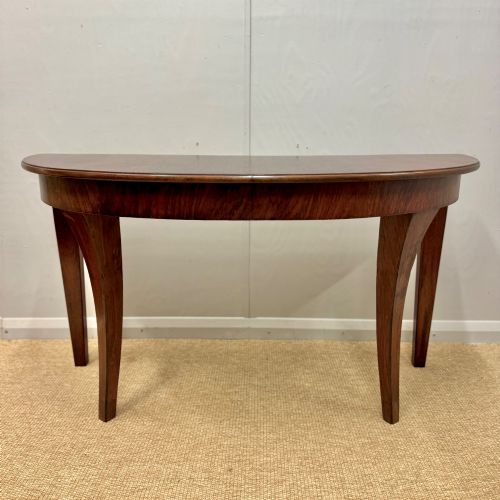
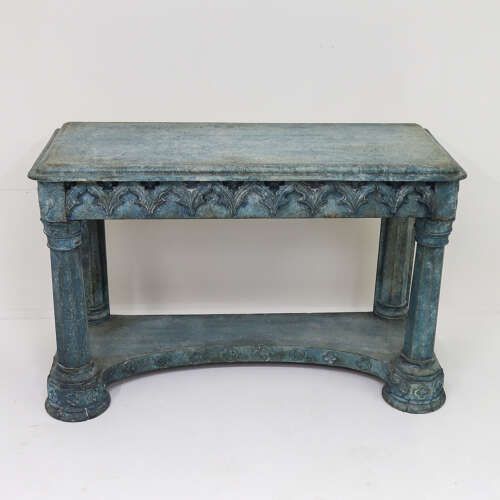
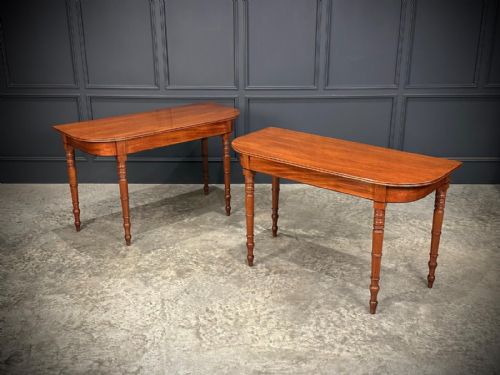


Antique Corridor Table
An antique corridor table brings architectural elegance to a narrow space, offering a surface that sits flush against the wall.

Antique Corridor Table
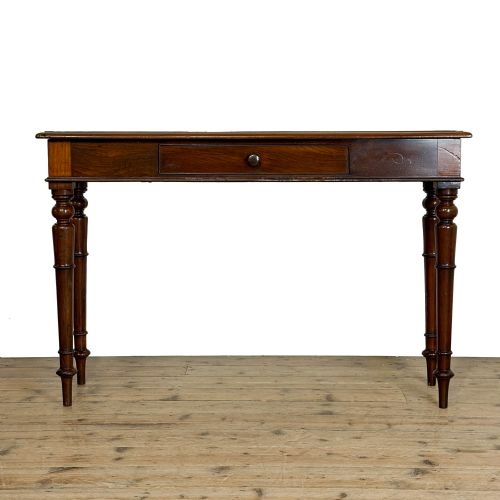
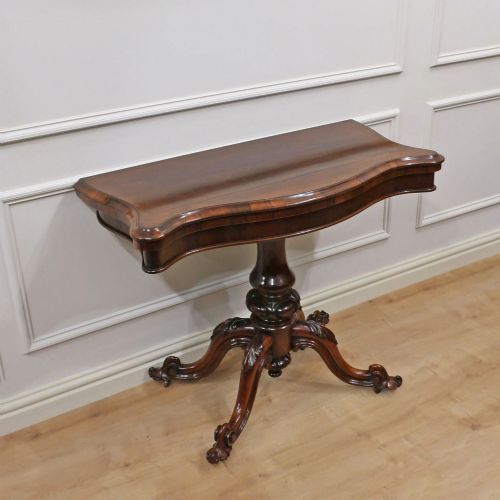
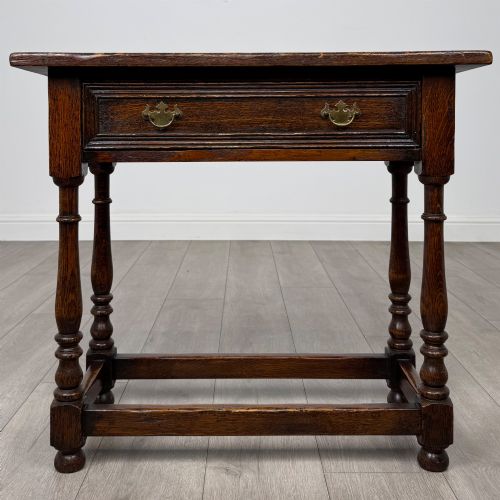
An antique corridor table serves as a narrow console designed to fit hallways and passages without obstructing foot traffic. These pieces appear in forms such as console tables from various historic periods.
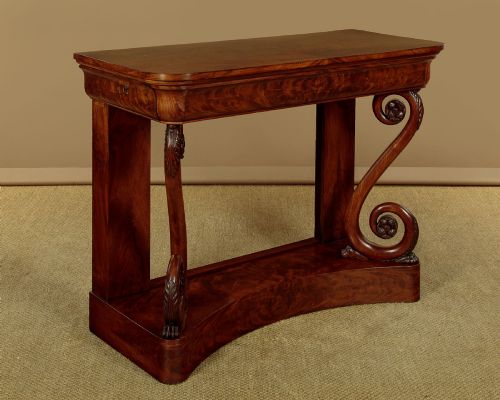
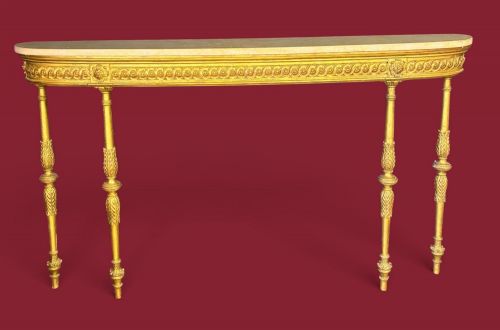
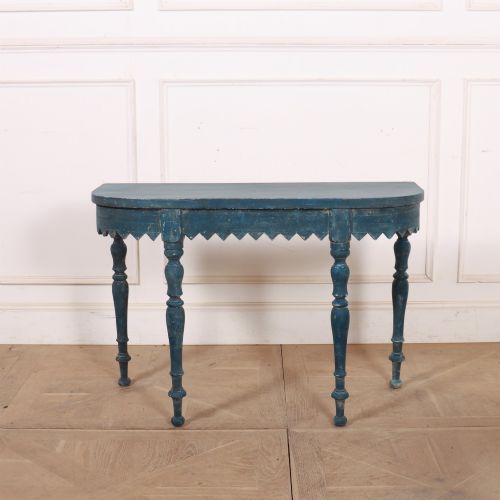
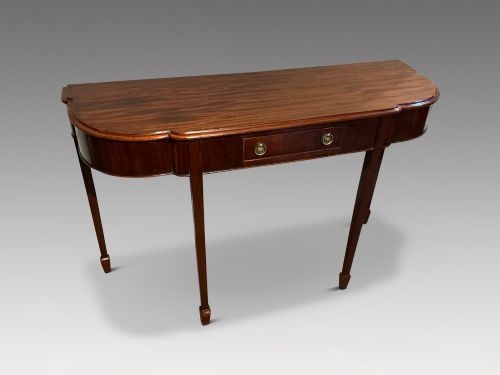
The selection ranges from Regency Revival mahogany examples to striking Italian consoles and George III designs. Buyers frequently encounter walnut, oak, and mahogany constructions equipped with marble tops.
Origins span the nineteenth century, encompassing William IV pieces and French Empire styles alongside specific dates like 1810 and 1880. Each iteration reflects the proportion and utility demanded by period interiors.
Materials and construction
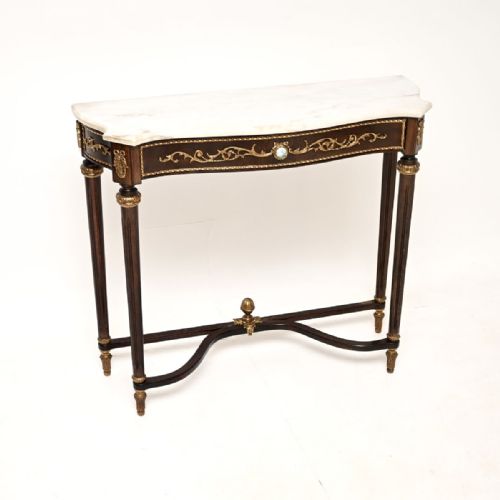
Cabinetmakers utilised dense timbers including mahogany, rosewood, walnut, and oak, often applying wood veneer over secondary woods. Many examples incorporate decorative elements such as ormolu mounts and brass details.
Surface treatments frequently feature contrasting marble tops that provide durability and a cool, classical aesthetic. Structural supports range from straight legs to concave configurations characteristic of the Regency period.
Antique Corridor Table Retail Price Guide 2026
Typical asking prices for corridor table among the pieces listed under this phrase on Sellingantiques today, from the lower quarter to the upper quarter. They describe what is for sale here now, not the wider market.
Current listings span the 19th Century, 1880, 1910, and Regency periods, featuring mahogany, walnut, rosewood, oak, marble, and brass.
Assessing quality and craftsmanship
Superior execution shows in the selection of figured timbers and the precision of the veneer work across the top and frieze. Finer examples display harmonious proportions, particularly in the curve of concave legs and the integration of ormolu mounts.
The choice of materials elevates a piece, notably where heavy marble slabs are fitted precisely to mahogany or rosewood structures. Overall presence separates standard functional items from high-status decorative furniture.
The Antique Corridor Table Glossary
- Console table
- A table designed to stand against a wall, typically secured to it or supported by front legs.
- Ormolu
- Gilded bronze ornamentation applied to furniture, popular in French Empire and Regency designs.
- Veneer
- A thin layer of superior wood applied to a base timber to create decorative grain patterns.
- Regency
- A British design style dating from the early nineteenth century, known for classical restraint and Greco-Roman influences.
Antique Corridor Table: Frequently Asked Questions
Where should I place a corridor table?
These narrow tables suit hallways, entryways, and landings where floor space is limited. They provide a practical surface for post, keys, or a small lamp.
Their shallow depth ensures they do not block pathways while adding character to transitional spaces in the home.
What maintenance do marble tops require?
Marble surfaces need occasional cleaning with a damp cloth and mild, neutral soap. Avoid acidic cleaners and abrasive scouring pads which can etch the stone.
Using coasters and placemats protects the polished surface from moisture rings and scratches over time.
How do walnut and mahogany differ?
Walnut offers a rich, warm brown tone with pronounced grain patterns that became fashionable in various nineteenth-century revivals. Mahogany provides a denser, reddish-brown timber favoured for its stability and fine finish.
Both woods were selected by period makers to showcase the natural beauty of the grain through careful polishing.