


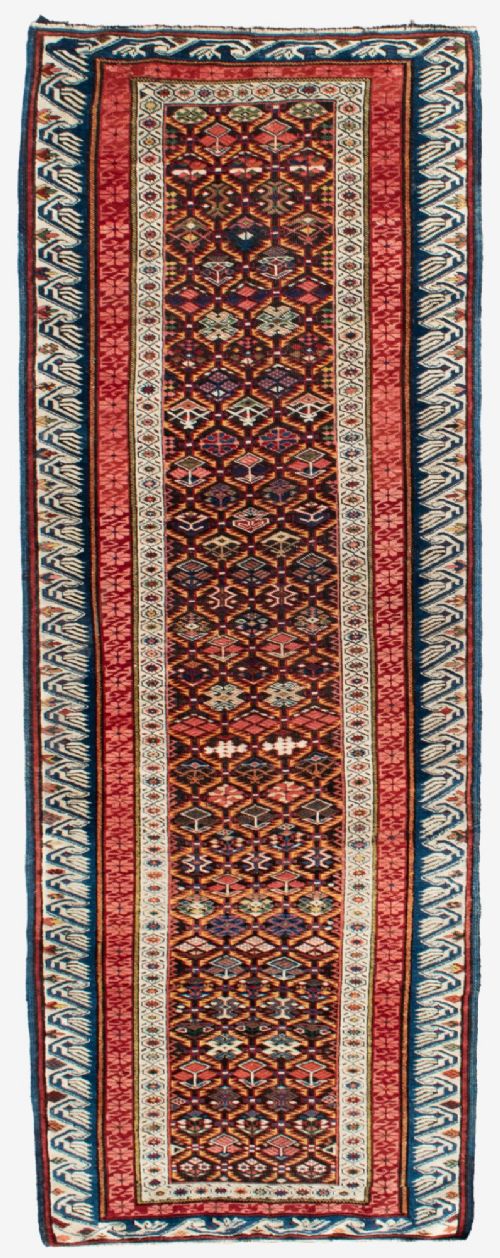
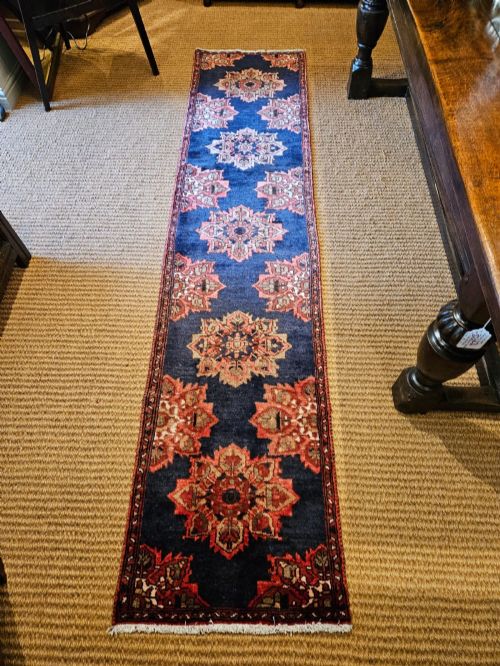
Antique Corridor Carpet Rug
An antique corridor carpet rug provides an enduring foundation for hallways and galleries, offering rich pattern and texture tailored for long spaces.
Antique Corridor Carpet Rug
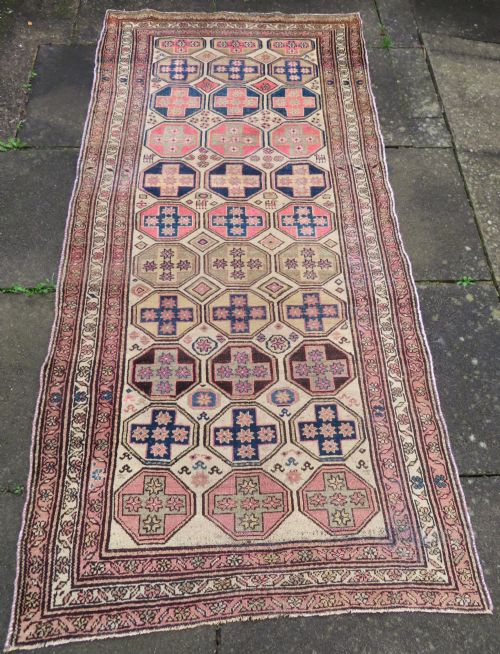
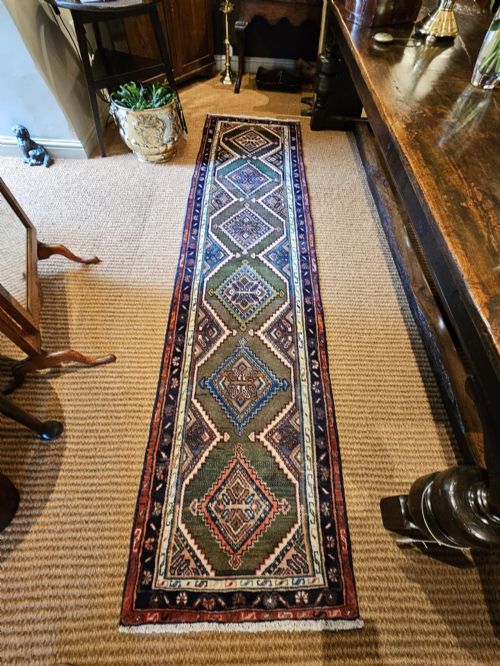
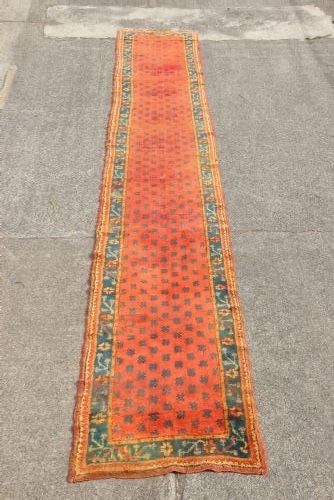
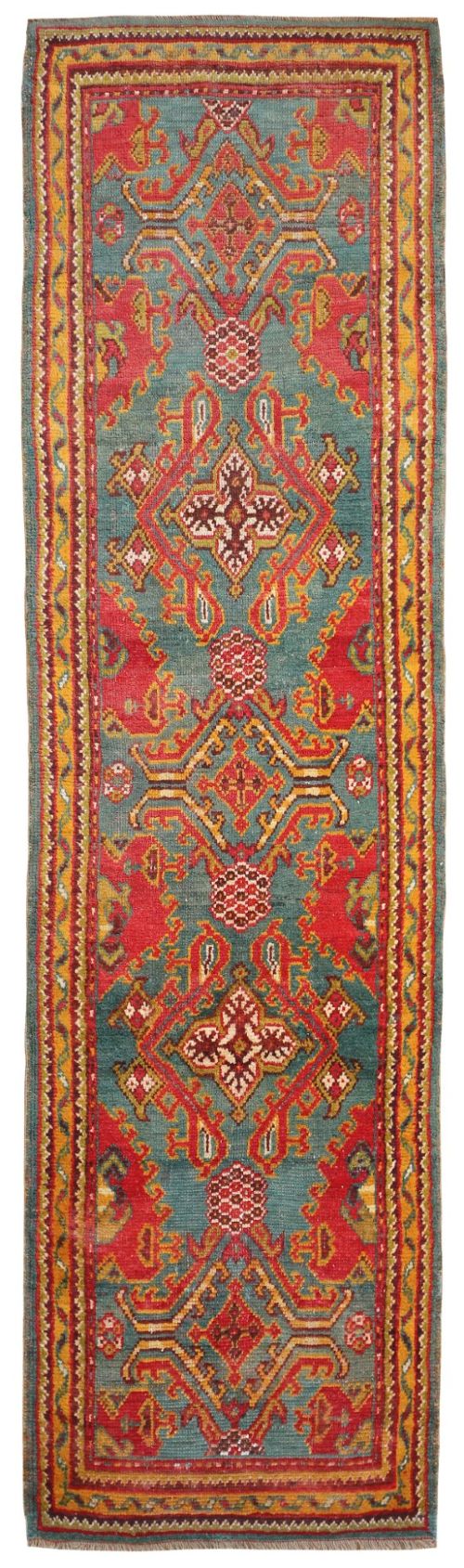
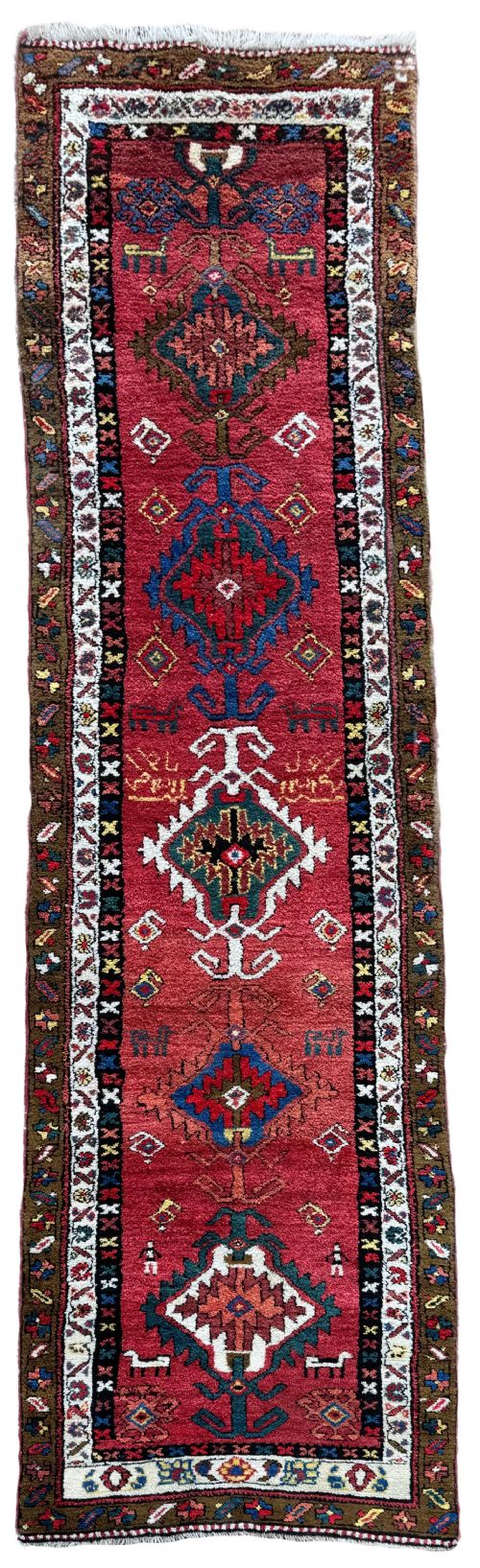
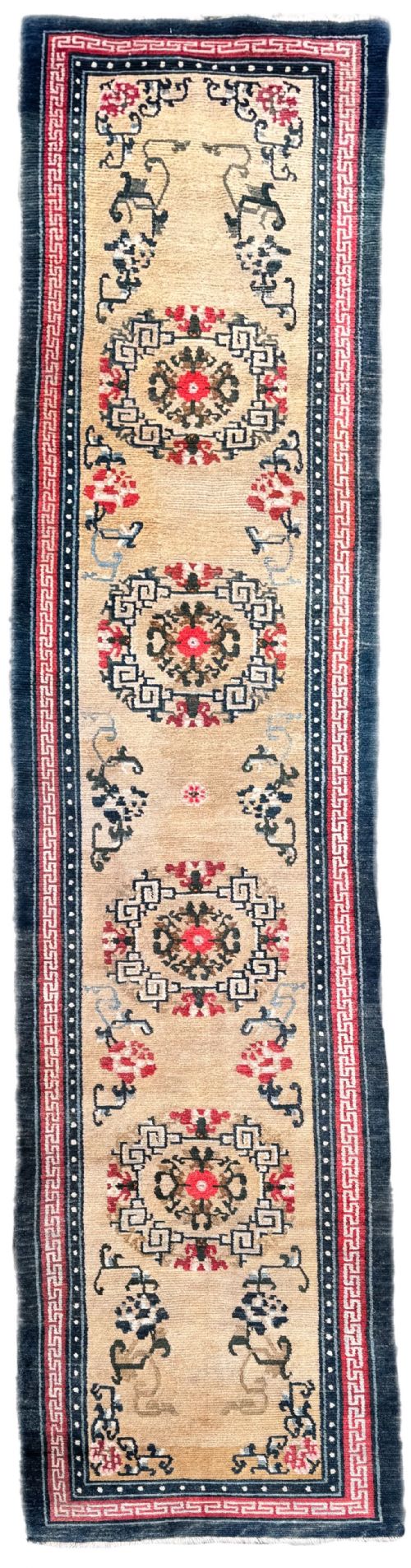
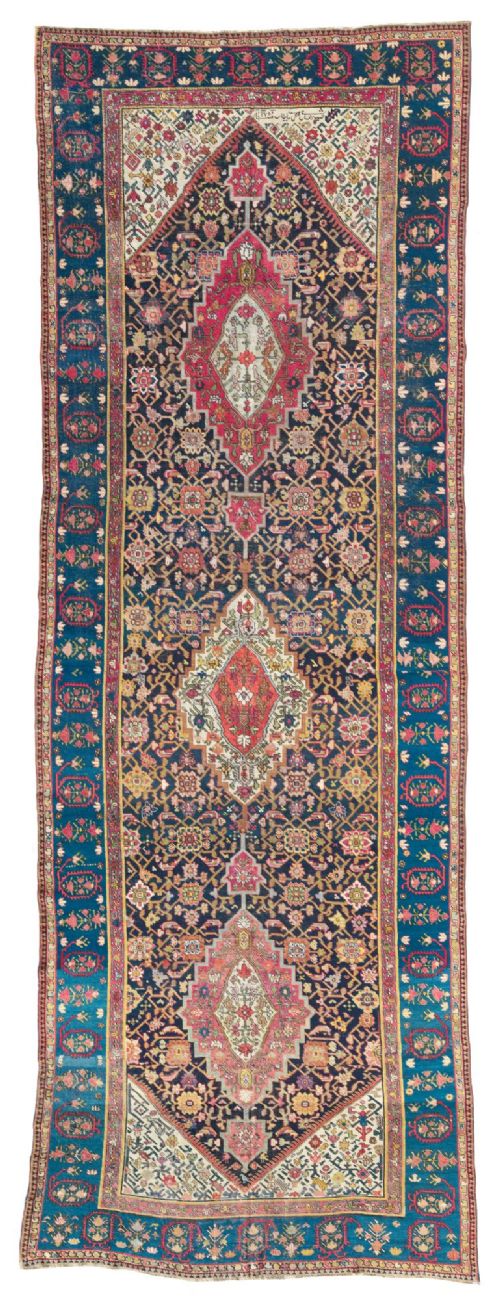
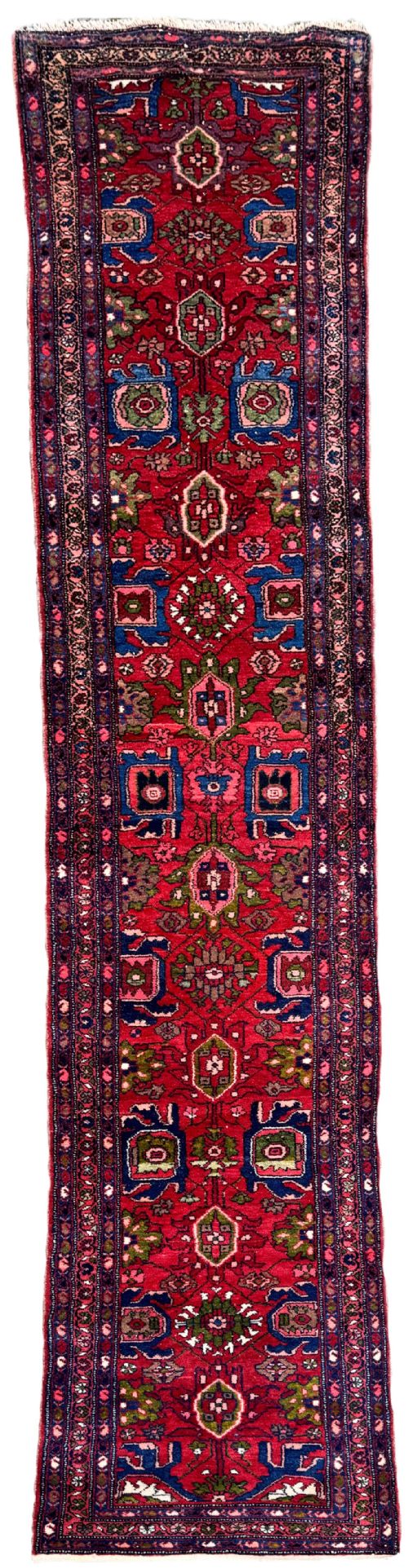
An antique corridor carpet rug is an elongated textile designed specifically for hallways, landings, and narrow spaces within a home. These pieces span from the mid-nineteenth century through to the early decades of the twentieth century, originating primarily from Persian, Caucasian, Turkish, and Tibetan weaving traditions.
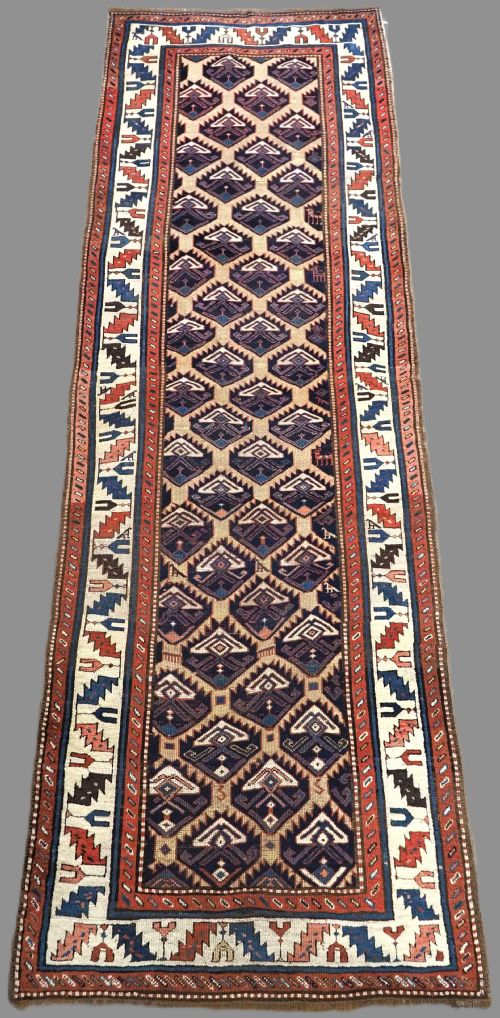
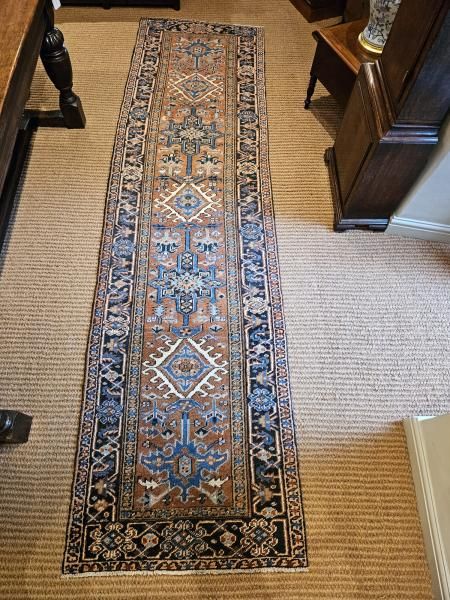
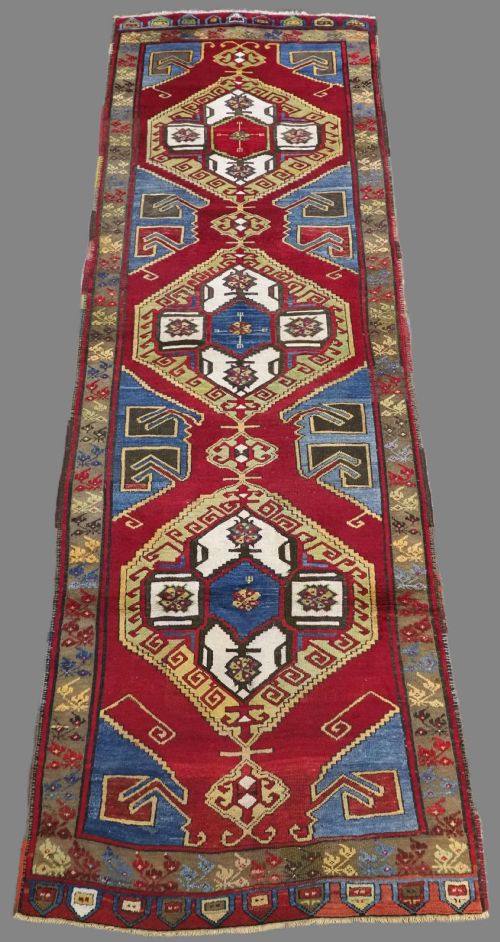
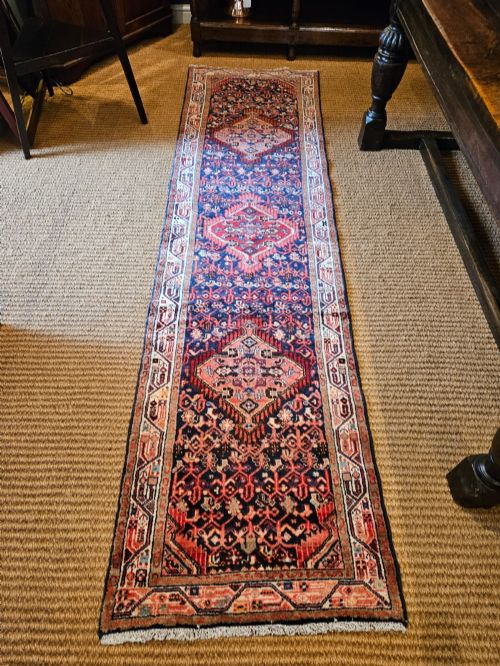
Buyers will encounter various formats on this page, including traditional runners, long narrow kellys, and hallway carpets. Styles range from geometric Caucasian and Kurdish tribal patterns to classic Heriz, Ushak, and Hamadan village designs.
The dimensions typically stretch considerable lengths while maintaining a narrow width to suit corridors. Each rug reflects the distinct regional aesthetics and weaving customs of its source community.
Distinctions in quality and execution
Quality in these long carpets rests upon the density of the knotting and the precision of the drawing within the field. Finer knot counts allow for sharper geometric or floral motifs, whereas coarser tribal pieces rely on bold, simplified layouts.
The integrity of the foundation and the preservation of the original outer selvedges heavily influence the structural merit of a runner. Examples retaining balanced proportions, uncompromised pile depth, and rich vegetable dye palettes represent the upper echelon of surviving pieces.
The Antique Corridor Carpet Rug Glossary
- Kelleh
- A large, elongated format rug traditionally used in Persian rooms, narrower than a standard carpet but broader than a standard runner.
- Warp
- The vertical foundation threads stretched tightly on the loom before knotting begins, which form the fringe at each end of the finished rug.
- Weft
- The horizontal threads passed back and forth between warp threads to lock the rows of knots securely in place.
- Selvedge
- The finished side edges of a carpet, wrapped in wool or cotton to prevent the pile from unravelling.
- Pile
- The upright surface of the rug formed by the cut ends of the knotted yarn.
Antique Corridor Carpet Rug: Frequently Asked Questions
How do I measure for a hallway runner?
Measure the clear floor space of your corridor, leaving a uniform border of exposed wood or stone around the perimeter. Ensure doors can swing freely over the pile thickness.
Account for length by stopping a short distance before doorways and thresholds to create a balanced, uncluttered walkway.
Are these rugs suitable for high-traffic areas?
Traditional runners were constructed from resilient wool specifically to withstand heavy daily footfall in domestic passages. Their dense pile absorbs impact and resists dirt effectively.
Using a quality underlay beneath the textile prevents slipping and cushions the foundation fibres against hard stone or timber floors.
How do I identify a tribal design?
Tribal runners display geometric motifs, stylised animals, and repeating latch-hook medallions rather than formal court curves. These patterns recall nomadic weaving traditions passed down through generations.
The drawing often includes charming asymmetries and spontaneous colour changes reflecting the weaver's individual choices.
How should I clean an antique runner?
Gentle, regular vacuuming without a rotating power brush removes surface grit from the wool pile. Professional specialist cleaning is recommended for deep washing.
Avoid harsh chemical treatments or excessive moisture, which can damage natural dyes and weaken historical cotton foundations.