


Antique Cordials Glass Stemware
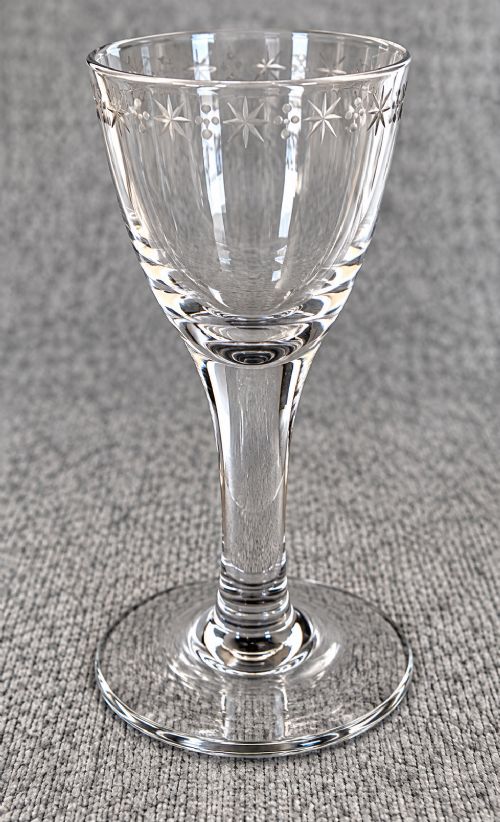
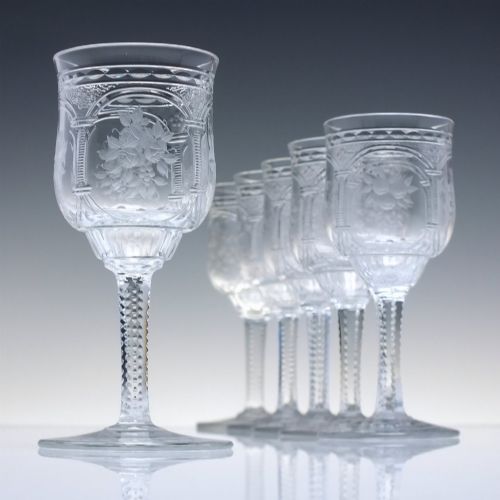
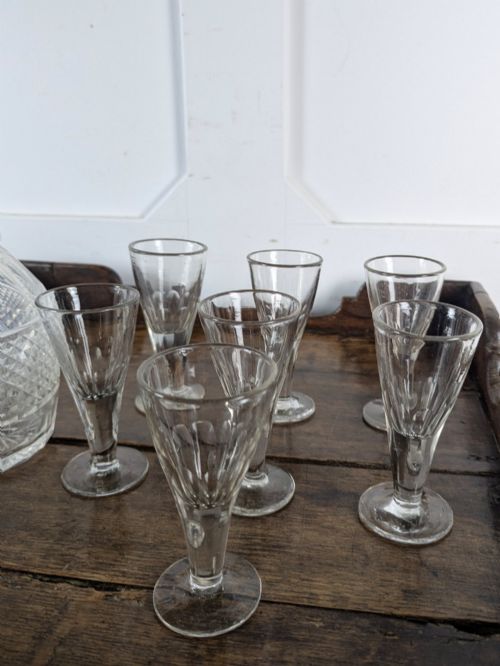
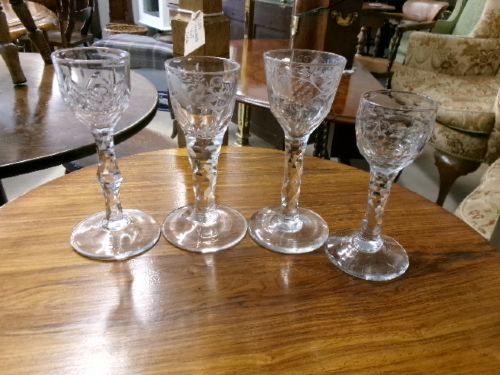
These antique cordials glass stemware pieces span the eighteenth century and later, offering small bowls on sturdy stems designed for strong spirits and liqueurs.
Antique Cordials Glass Stemware
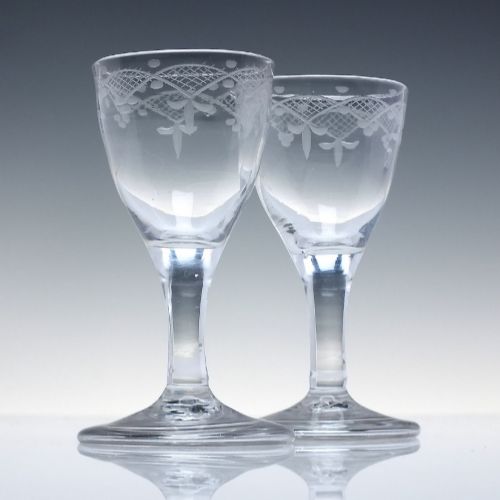
Antique cordials glass stemware includes small drinking vessels intended for drams, gin, ratafia, and cordials. The selection on this page leans heavily toward eighteenth-century English drinking vessels alongside later Victorian and twentieth-century examples.
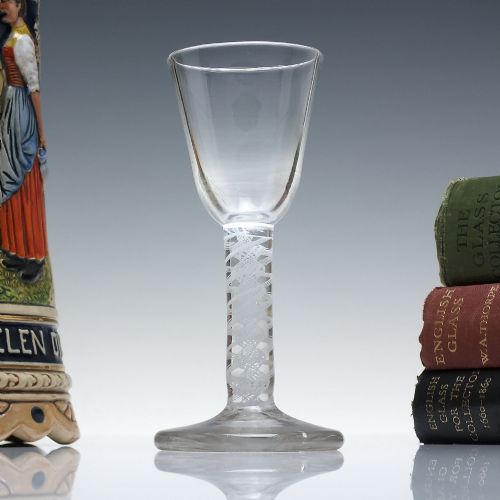
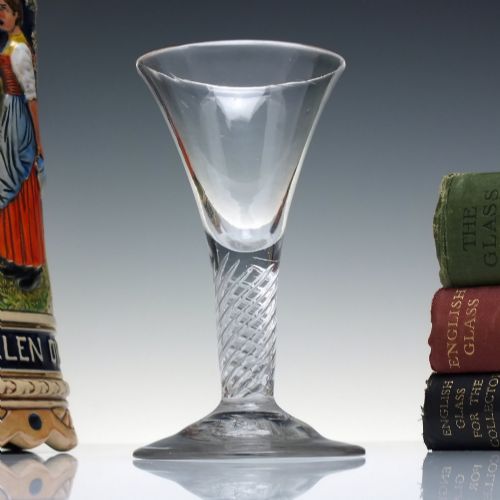
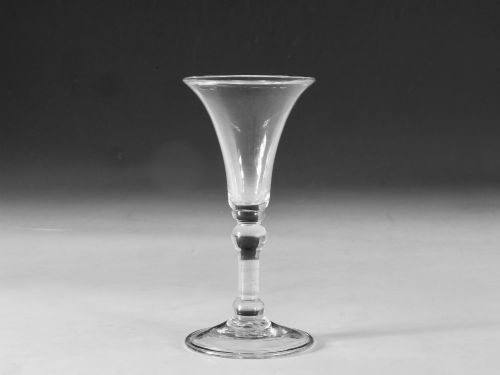
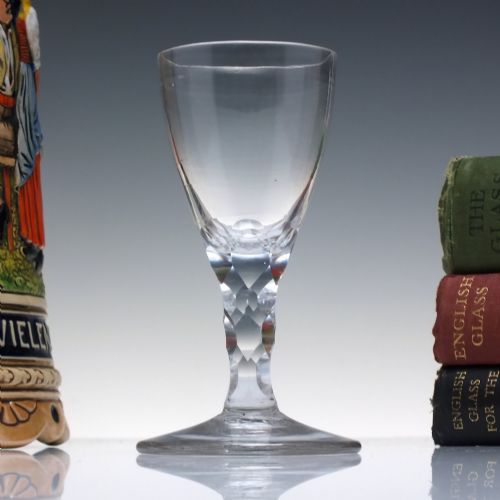
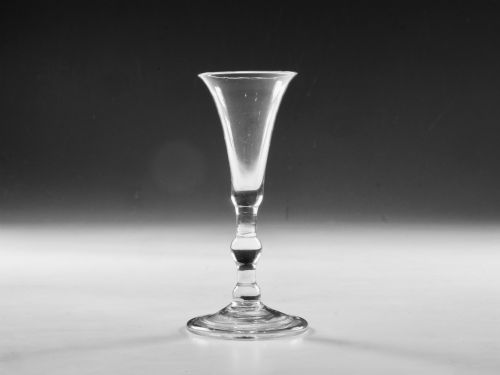
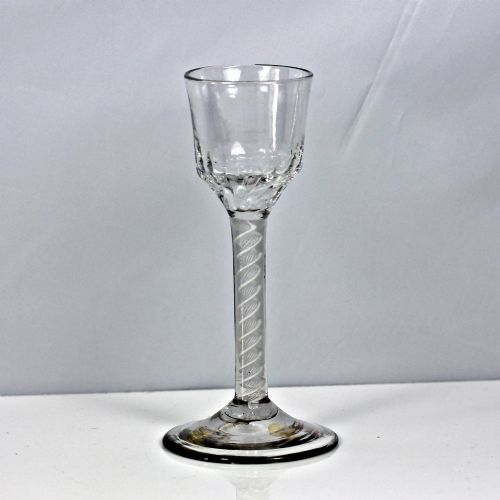
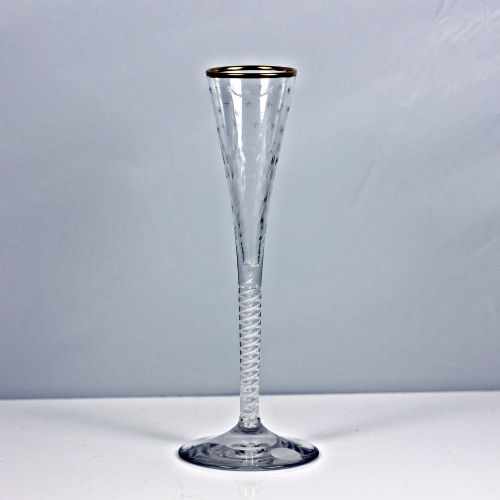
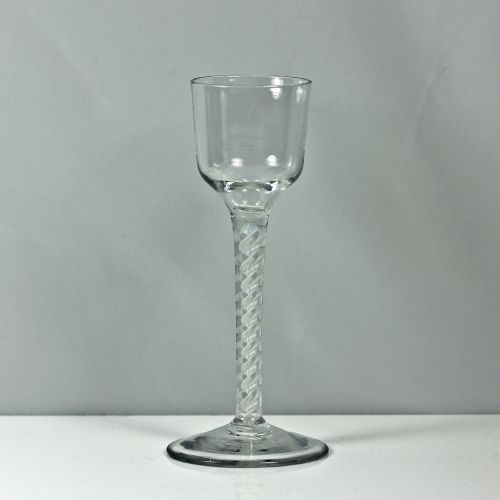
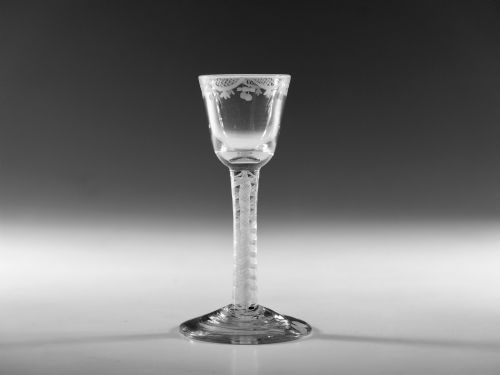
Forms range from simple firing glasses and dram glasses with thick feet to tall air twist and opaque twist wine glasses. Buyers encounter balusters, balustroids, and facet-cut stems alongside enameled and engraved bowls.
How they were made
These glasses rely on lead glass, lead crystal, flint glass, and clear glass shaped by blowing, moulding, and cutting. Many eighteenth-century pieces utilise air twists and opaque twists formed inside the stem during fabrication.
Decoration often involves wheel engraving, gilding, and white enamel painting. Techniques such as rib moulding and thumb-cutting create tactile texture on the bowls and stems.
Antique Cordials Glass Stemware Retail Price Guide 2026
Typical asking prices for cordials glass stemware among the pieces listed under this phrase on Sellingantiques today, from the lower quarter to the upper quarter. They describe what is for sale here now, not the wider market.
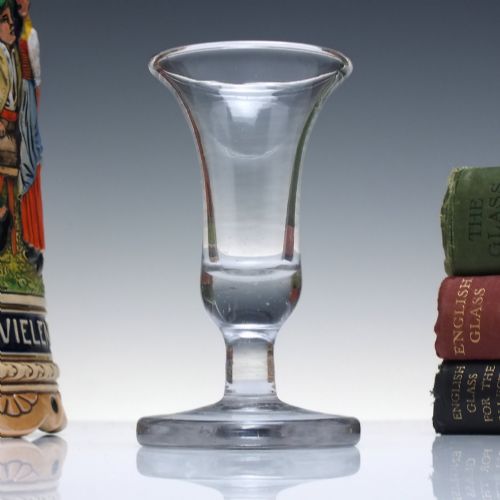
Toastmaster glasses featured thick, deceptive bowls that held almost no liquid, sparing the host from over-drinking during endless formal toasts.
What varies in quality
Quality rests on the complexity of the stem formation and the crispness of the cutting or engraving. Intricate double series twists and well-defined facet cutting demonstrate higher skill than plain stems.
Proportion and metal quality also define the better pieces, with clear, heavy lead glass providing a resonant ring and stable weight. Condition of the delicate enamel and gilding further separates standard examples from exceptional ones.
Baccarat Vallee·Theresienthal
The Antique Cordials Glass Stemware Glossary
- Air twist
- A stem containing spiral threads of trapped air created by drawing and twisting heated glass rods. This technique defines many mid-eighteenth-century English drinking glasses.
- Opaque twist
- A stem enclosing one or more threads of white or coloured enamel glass twisted within the clear metal. It appears frequently in pieces dated to the mid-to-late eighteenth century.
- Baluster
- A heavy, thick stem shape reminiscent of architectural pillars, often featuring knops or bulbs. Early eighteenth-century vessels frequently employ this substantial form.
- Firing glass
- A small drinking vessel with an exceptionally thick, heavy foot designed to be banged on a table without breaking during toasts. Masonic and club gatherings utilised these sturdy items.
- Folded foot
- A base edge turned underneath during manufacture to create a thicker, smoother rim that resists chipping. This feature appears on numerous eighteenth-century dram and gin glasses.
Antique Cordials Glass Stemware: Frequently Asked Questions
What are antique cordials glass stemware used for?
These vessels were originally made for consuming small quantities of strong spirits, liqueurs, gin, or fortified wines. Their modest bowl sizes reflect the potency of the drinks served.
Today, collectors mostly display them or use them for specialist tastings. Their historical forms make them decorative cabinet pieces rather than everyday tableware.
How do I identify eighteenth-century glass?
Look for heavy metal containing lead, pontil marks on the base where the punty rod was detached, and characteristic stem styles like air twists or balusters. Eighteenth-century pieces also tend to have smaller capacities.
Handling many examples helps develop an eye for the surface wear and tactile quality typical of early glass. Subtle tool marks and slight irregularities in the metal confirm age.
What is a dram glass?
A dram glass is a small drinking vessel holding a single measure of spirits such as whisky or gin. They often feature thick bases or firing feet to withstand heavy use.
These pieces come in various eighteenth-century styles, including facet-cut and rib-moulded variants. Their compact size distinguishes them from standard wine glasses.