



Antique Copper Pendant
These antique copper pendant pieces bring warmth and industrial character to interiors, offering enduring metalwork and period illumination for modern rooms.
Antique Copper Pendant
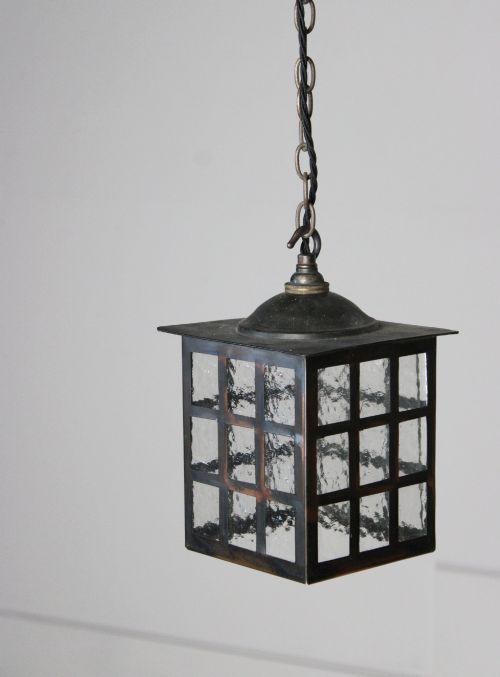
An antique copper pendant provides hanging illumination shaped by decades of design shifts, spanning functional utilitarian lanterns and decorative domestic fittings. When you search for an antique copper pendant, you encounter hanging lights suspended from ceilings to light hallways, porches, and living spaces.
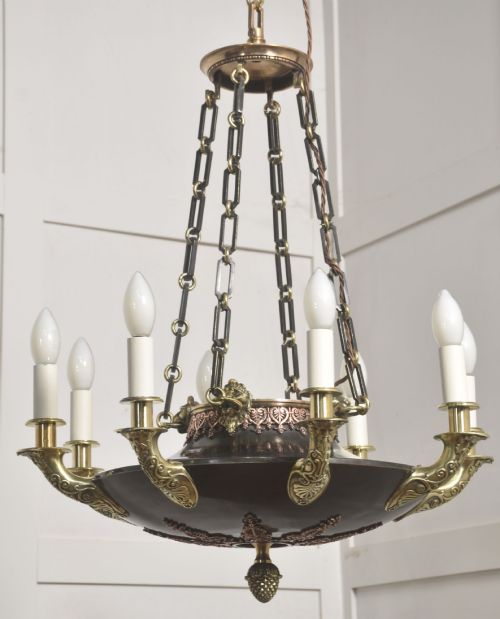
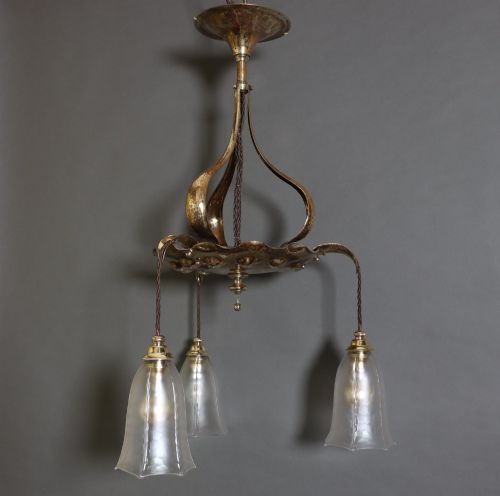
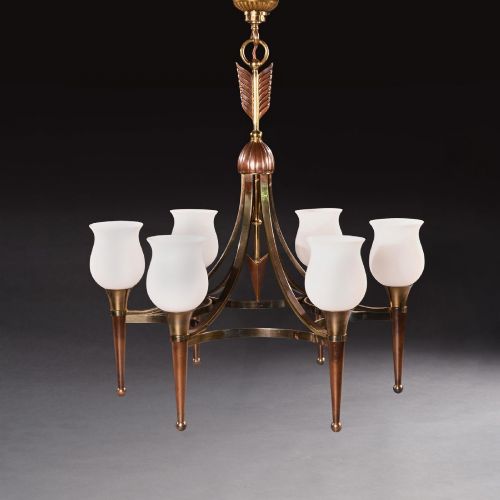
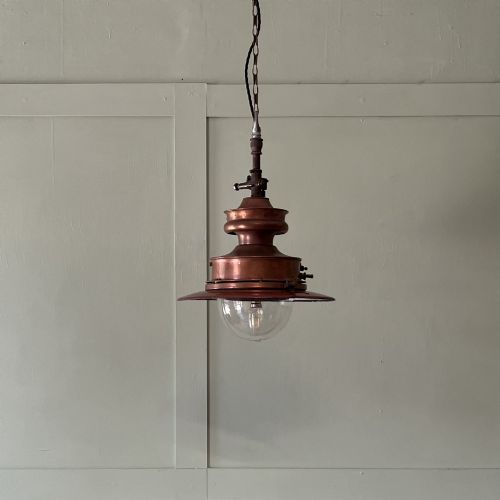
The selections on this page range from Victorian industrial railway lanterns and Arts and Crafts beaten copper lamps to Art Deco opaline glass chandeliers. Forms vary from simple metal shades to complex multi-light fixtures incorporating brass, iron, and glass.
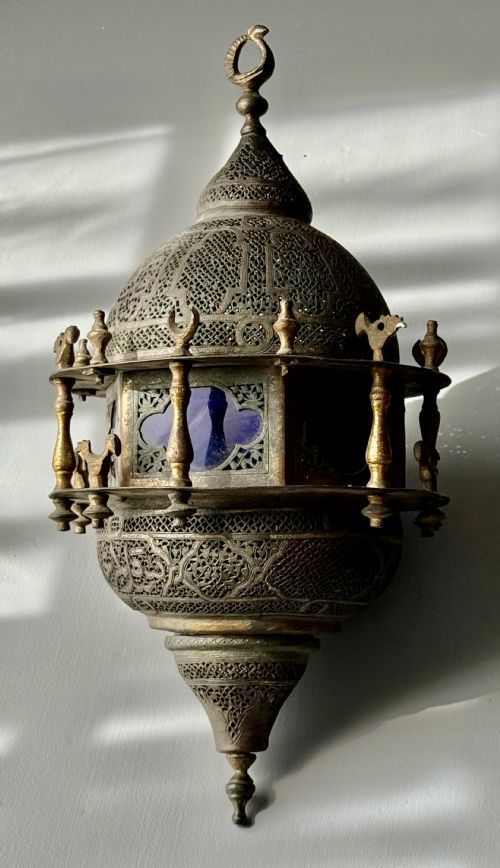
Origins stretch across the nineteenth century into the mid-twentieth century, capturing Edwardian simplicity, Moorish revival pierced metalwork, and mid-century modern interpretations. Buyers frequently find hanging lanterns and ceiling lights that retain their original patination and functional integrity.
How they were made
Makers utilised sheet copper alongside brass and iron elements, shaping metal through hand-beating, spinning, and piercing techniques. Workshops constructed lanterns and shades to house internal burners or electrical components.
Glass components form an integral part of construction, featuring frosted, smoked, opalescent, and clear panels held securely within metal frames. Artisans combined these materials to diffuse light effectively while highlighting the natural tones of the metal.
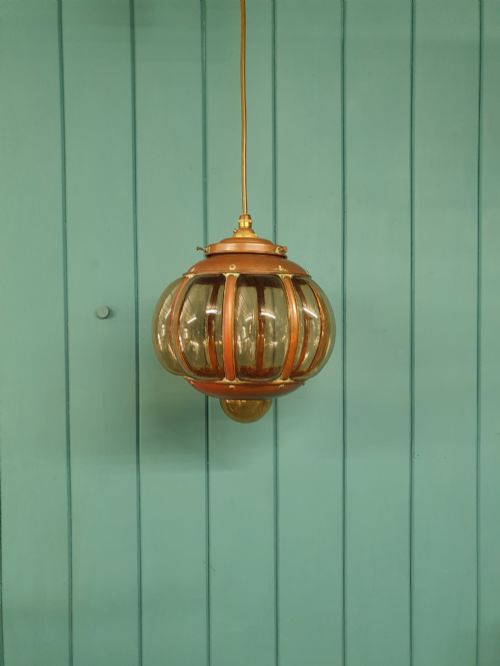
Listings feature copper combined with smoked, frosted, opalescent, and plain glass across Victorian, Edwardian, and Art Deco periods.
What varies in quality
Quality rests upon the depth of hand-working evident in the metal, particularly in the crispness of beaten surfaces and pierced patterns found on Arts and Crafts examples. Superior pieces display substantial gauge copper and careful structural joinery rather than thin, pressed sheet metal.
The integration of glass elements dictates overall refinement, with original opaline, smoked, or frosted shades adding considerable merit to a pendant light. The harmony between the copper body, subsidiary brass or iron mounts, and surviving surface patination defines the standing of each individual hanging light.
Jean Gauthier·Maison Jansen·Andre Arbus
The Antique Copper Pendant Glossary
- Copper
- A malleable, reddish-brown metallic element used extensively for the bodies and shades of hanging lights due to its durability and capacity to develop a rich patina over time.
- Opaline glass
- A milky, translucent glass frequently utilised in Art Deco and Edwardian light fittings to soften illumination and reduce glare from internal bulbs.
- Patina
- The surface sheen and coloration acquired by copper through age, handling, and environmental exposure, prized by collectors for its authenticity.
- Gallery
- The metal collar or rim at the top of a glass shade that secures it to the suspension wiring and pendant fitting.
Antique Copper Pendant: Frequently Asked Questions
How do I clean an antique copper pendant?
Dust the metal gently with a soft, dry cloth to preserve the accumulated patina and surface character built up over decades.
Avoid using harsh chemical polishes or abrasive pads, which strip away historical coloration and damage the original finish.
Can these pendant lights be rewired for modern use?
Most hanging lights accommodate modern electrical wiring when installed by a qualified electrician to meet current safety standards.
Retaining the original copper galleries and suspension points ensures the historic appearance remains intact during conversion.
What rooms suit a copper hanging lantern?
Hallways, kitchens, and porches benefit from the focused downward illumination and robust construction typical of Victorian and Edwardian lanterns.
Dining spaces often accommodate larger Art Deco or Arts and Crafts multi-light chandeliers as a central focal point.
How do I identify an Arts and Crafts copper light?
Look for hand-beaten surfaces, visible rivet construction, and simpler geometric forms that reflect the ethos of the movement around nineteen hundred.
These pieces typically prioritise honest craftsmanship over applied decorative ornamentation.