



Traditional Copper Lantern
These traditional copper lanterns bring genuine period character to doorways and halls, offering robust construction and warm metallic patination.
Traditional Copper Lantern
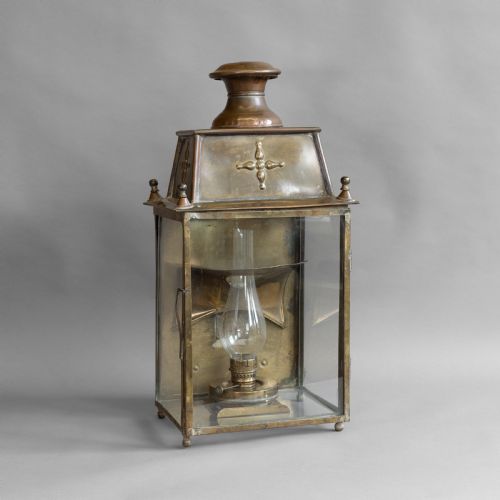
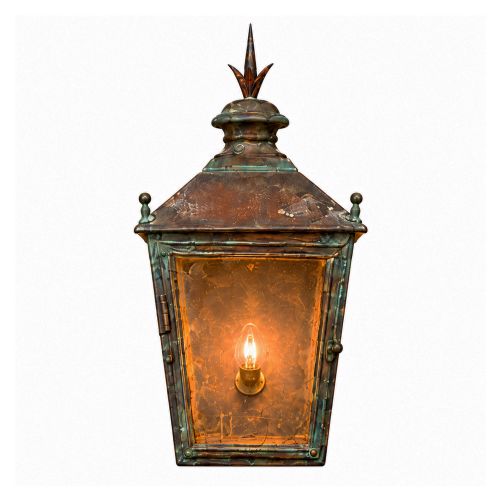
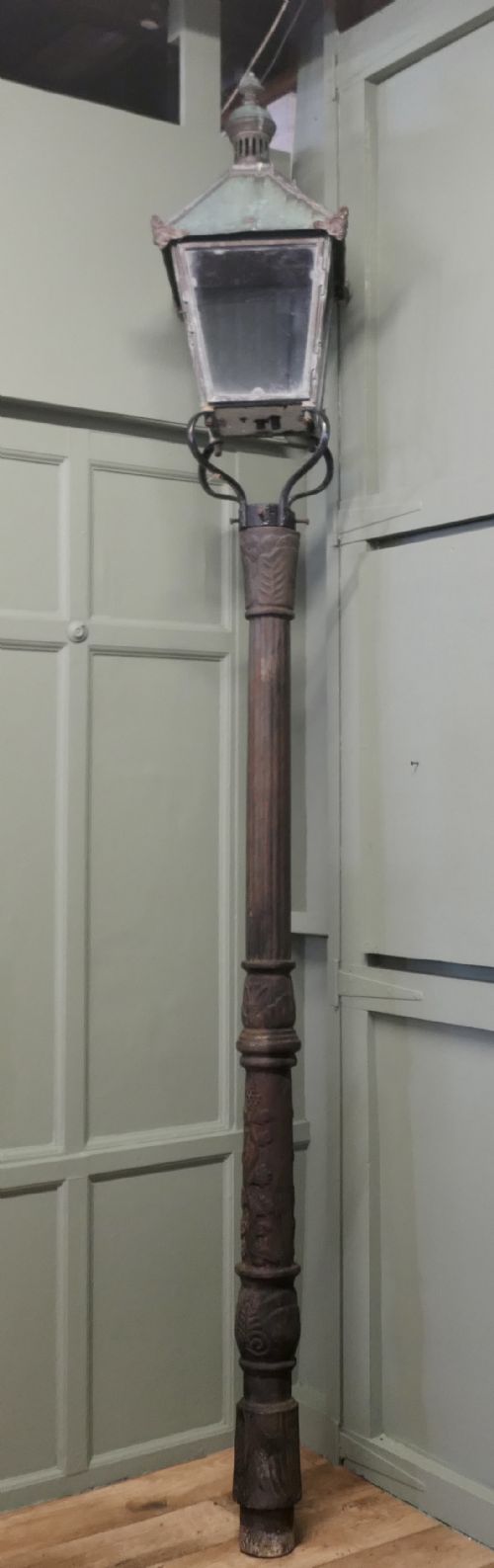
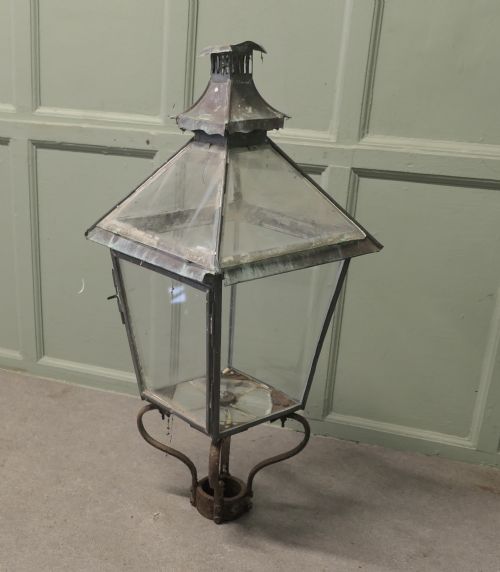
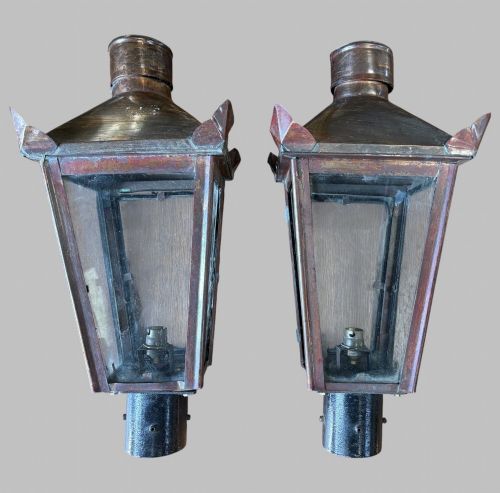
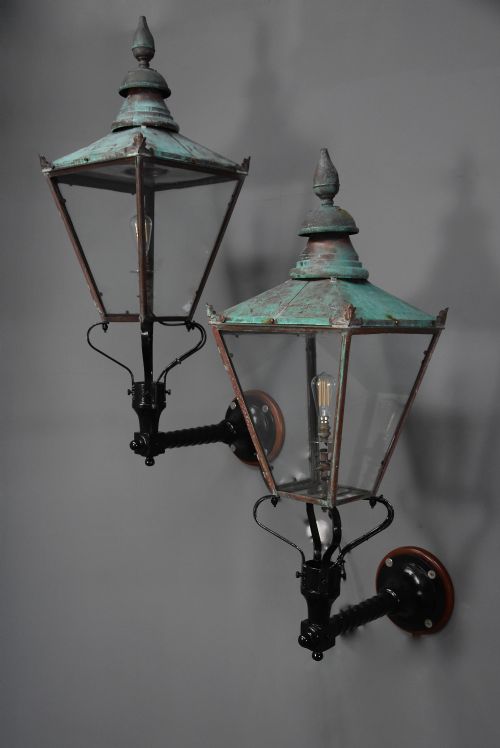
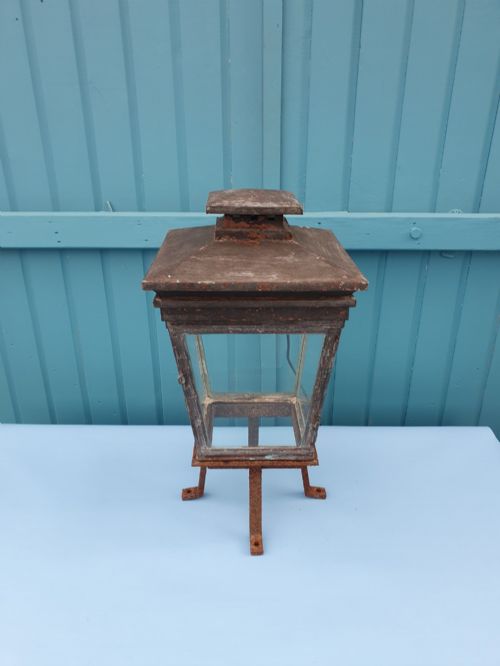
Traditional copper lanterns encompass outdoor lighting, wall sconces, ceiling lighting, and street lamps spanning the nineteenth century through the early twentieth century. Buyers seeking a traditional copper lantern encounter varied forms including wall lanterns, hanging hall lanterns, post lights, and street lamps.
Makers utilised copper alongside iron, wrought iron, brass, cast iron, steel, and wood to create these utilitarian and decorative fixtures. Styles represented range from Victorian and Edwardian to industrial, arts and crafts, and gothic revival.
How they were made
Metalsmiths constructed these fixtures primarily from sheet copper combined with iron, brass, or steel for structural support and mounting brackets. Glass panels were integrated into frames designed to withstand outdoor exposure or interior placement.
Many early examples were originally manufactured for gas illumination before later conversion to electrical wiring, retaining their original metal gas cocks or burners. Frames often incorporate riveted or soldered joints, with some pieces featuring sophisticated spiral twist wall brackets or decorative cast elements.
Traditional Copper Lantern Retail Price Guide 2026
Typical asking prices for traditional copper lantern among the pieces listed under this phrase on Sellingantiques today, from the lower quarter to the upper quarter. They describe what is for sale here now, not the wider market.
Materials recorded across the inventory include copper, brass, iron, wrought iron, cast iron, steel, glass, and wood.
What varies in quality
Quality separates utilitarian street or post lighting from finer domestic hall and porch lanterns through the subtlety of decorative detailing and metalwork execution. Pieces incorporating cast decorative motifs, such as Green Man masks, or complex structural forms like octagonal geometries and spiral twist brackets, demonstrate higher ambition.
The choice of secondary metals and the weight of the copper gauge influence the overall substance of the object. Surviving gas-era fittings and distinct regional attributions, such as Edinburgh street lamps, add historical depth to specific pieces.
The Traditional Copper Lantern Glossary
- Post lantern
- A light fixture designed to be mounted upright on top of a gate post, pier, or dedicated standard. These outdoor fixtures typically feature weatherproof top ventilation and substantial mounting bases.
- Gas conversion
- A lighting fixture originally plumbed for town gas that has been subsequently adapted for electrical use. Such pieces often retain historical valves or burner assemblies.
- Arts and Crafts
- A design movement prioritising traditional craftsmanship, visible construction methods, and simple forms. Copper lanterns in this style emphasise honest material use over excessive ornament.
- Gothic Revival
- An architectural and decorative style drawing inspiration from medieval forms, featuring pointed arches, tracery, and robust ironwork detailing. Lanterns in this taste often complement period ecclesiastical or domestic architecture.
- Octagonal wall lantern
- A lighting fixture with an eight-sided body designed for flat vertical mounting against an exterior wall or porch support. This geometry allows light to disperse across multiple angles.
Traditional Copper Lantern: Frequently Asked Questions
Where should I place a street lamp?
These large fixtures suit exterior gate posts, driveways, or substantial garden boundaries where their height and scale provide balanced illumination.
Ensure the mounting surface can support the weight of copper and iron assemblies before installation.
Can these gas conversions use modern bulbs?
Most converted lanterns accommodate standard electrical lamp holders fitted by a qualified electrician during installation.
The historical gas components are typically retained for decorative authenticity while the internal wiring is updated.
How do I identify Victorian pieces?
Victorian examples often display heavy-gauge copper construction, riveted seams, and utilitarian forms designed for street lighting or gas illumination.
Stylistic cues include nineteenth-century manufacturing techniques and heavier iron support brackets.
Are hanging hall lanterns suitable indoors?
Hanging lanterns designated for halls work well in entranceways, stairwells, and high-ceilinged corridors where downward illumination is required.
Arts and crafts and Edwardian examples complement period interior schemes.