



Antique Glazed Wall Light
An antique glazed wall light brings character and period warmth to a hallway or exterior porch.
Antique Glazed Wall Light
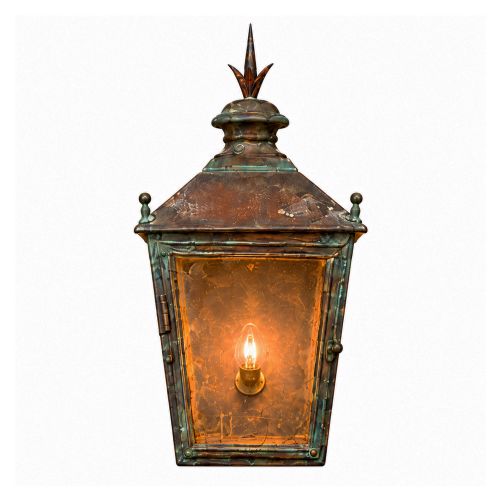
An antique glazed wall light combines structural metalwork with transparent or translucent panes to illuminate interior and exterior spaces. When searching for an antique glazed wall light, buyers encounter a variety of forms including lanterns, carriage lights, and sconces designed for mounting directly onto vertical surfaces.
The pieces documented in this collection span from the nineteenth century through the early twentieth century, taking in Victorian, Edwardian, and industrial aesthetics. Many examples originate from French workshops or domestic makers, showcasing forms from simple octagonal shapes to elaborate street lanterns.
Half lanterns and wall-mounted porch fixtures predominate among the listings, reflecting the practical domestic origins of these items. Buyers are most likely to meet robust brass and copper constructions designed to withstand exposure while providing decorative illumination.
How they were made
Maker construction relies heavily on durable metals such as brass, copper, and iron, soldered or riveted together to form rigid lantern bodies. Glazing panels are fitted securely into metal frames to protect the internal light source from drafts and weather.
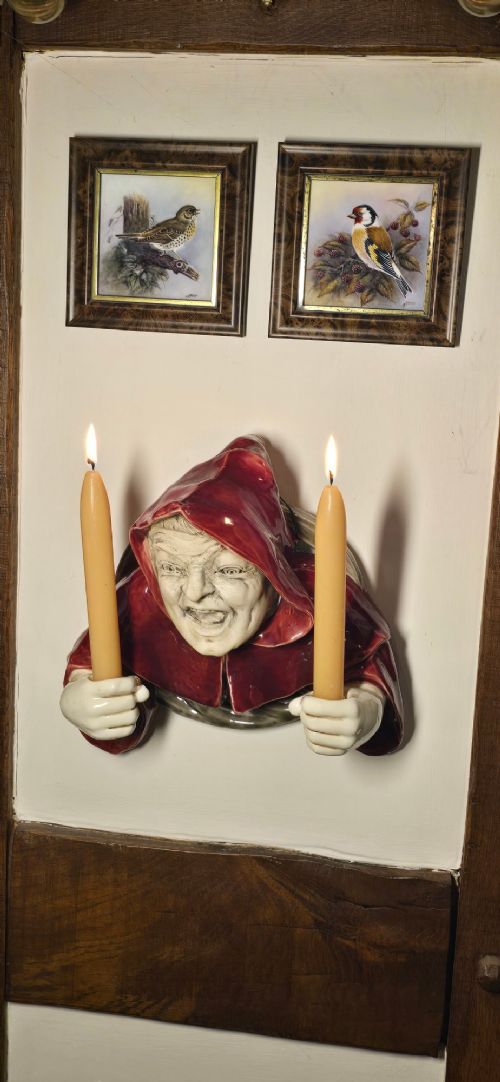
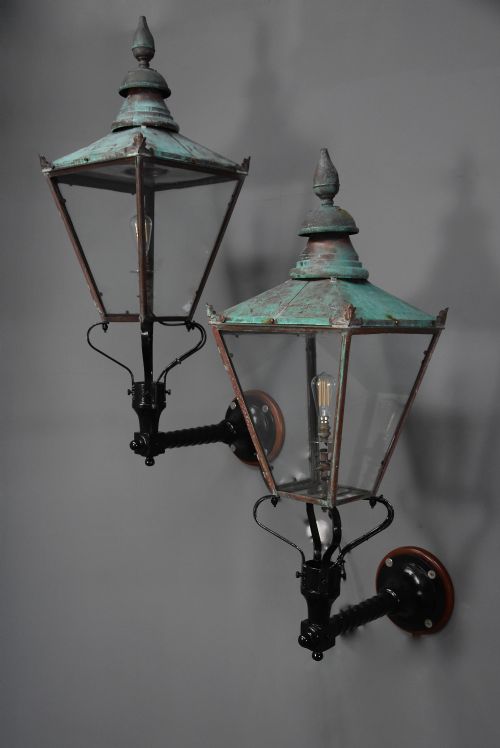
Decorative touches appear in twisted wall brackets, brass carriage light castings, and pottery figures incorporated into wall-hanging candelabra designs. Metal finishes range from polished brass to patinated copper acquired through age and exposure.
Antique Glazed Wall Light Retail Price Guide 2026
Typical asking prices for glazed wall light among the pieces listed under this phrase on Sellingantiques today, from the lower quarter to the upper quarter. They describe what is for sale here now, not the wider market.
Form variations range from single light half lanterns and octagonal shapes to sophisticated pairs with spiral twist brackets.
What varies in quality
The distinction between ordinary utility items and finer examples rests upon the sophistication of the metalwork and the integrity of the original glass panels. Heavier gauge copper and cast brass components indicate a higher grade of production intended for formal entranceways rather than outbuildings.
Design ambition separates basic functional lanterns from pieces exhibiting French Empire styling or sophisticated spiral twist brackets. Surviving matching pairs demonstrate superior original commissioning compared to assembled components.
The Antique Glazed Wall Light Glossary
- Lantern
- A protective housing for a light source, typically enclosed by glass panes within a metal framework. These fixtures serve both interior and exterior illumination.
- Carriage light
- A specialised wall-mounted lighting fixture historically designed to illuminate the sides of horse-drawn vehicles or entrance gates. They often feature detailed brass castings.
- Sconce
- A wall-mounted lighting fixture that supports candles or electric lamps projecting from the vertical surface. This form ranges from simple pottery figures to ornate metal brackets.
- Patina
- The surface appearance acquired by metals and other materials through age, handling, and oxidation. A natural patina indicates genuine antique status.
Antique Glazed Wall Light: Frequently Asked Questions
Where should I hang an antique glazed wall light?
These fixtures suit hallways, entrance porches, and exterior garden walls where their weather-resistant metal and glass construction can be appreciated.
Ensure the mounting surface can support the weight of heavier copper or brass frames before installation.
How do I date an antique wall lantern?
Dating relies on examining the construction techniques, metal types, and stylistic indicators such as Victorian or Edwardian design motifs.
Component assembly methods, from early hand soldering to later cast elements, provide clear chronological clues.
What maintenance do copper and brass lanterns need?
Gentle dusting and occasional cleaning preserve the aged surface without stripping away the desirable historical patina.
Avoid harsh chemical polishes that remove the natural darkening developed over decades of exposure.