
Antique Copper Bin
When you search for an antique copper bin, you are looking at heavy metal vessels shaped for the fireside, the dairy or the country house hall.
Antique Copper Bin
An antique copper bin encompasses a range of utilitarian vessels originally built for holding fuel, water or grain, which now serve as fireside log holders and planters. The pieces on this page span the Georgian and Victorian eras through to the Arts and Crafts movement, reflecting a shift from pure utility to decorative domestic use.
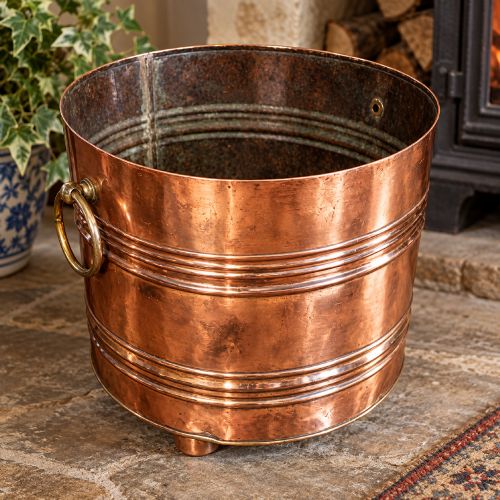
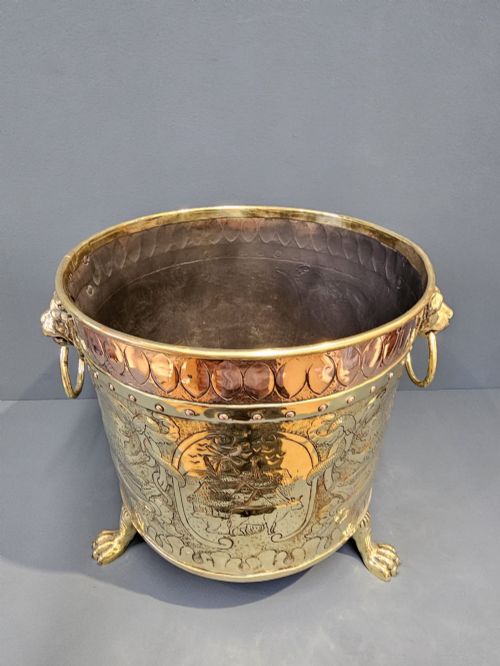
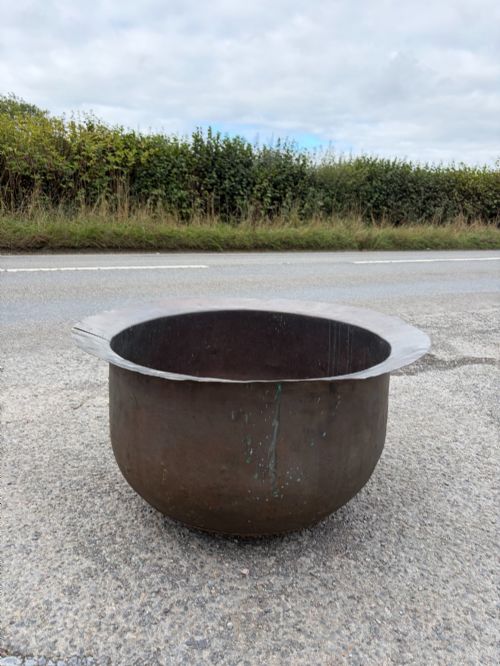
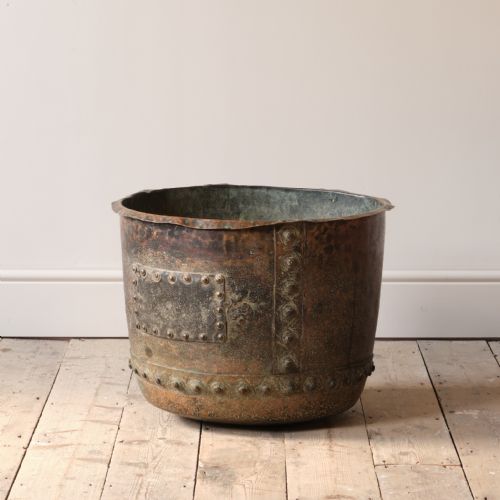
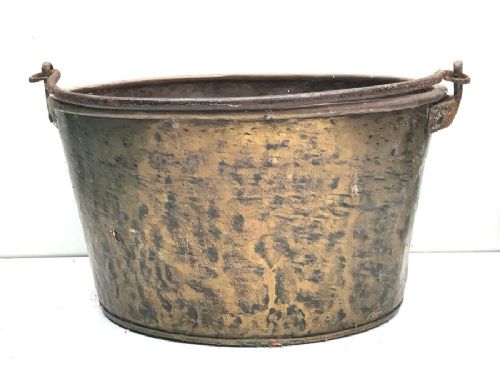
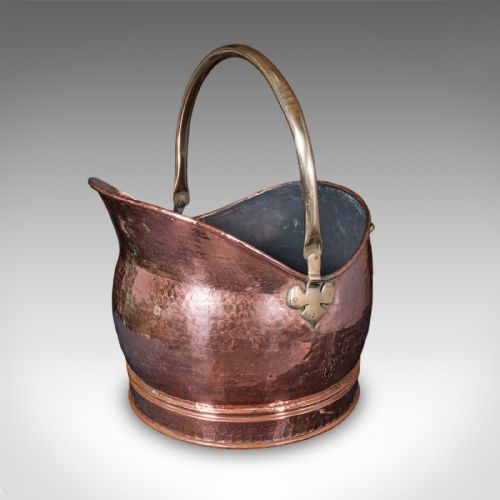
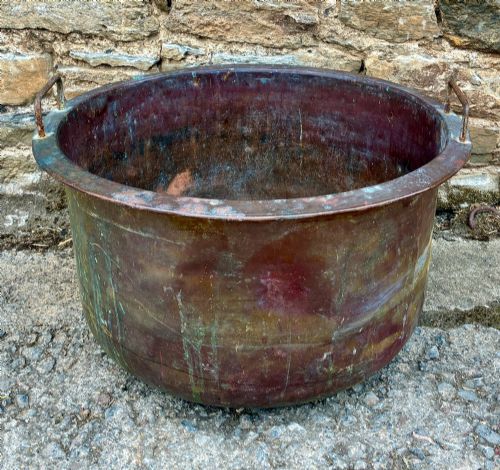
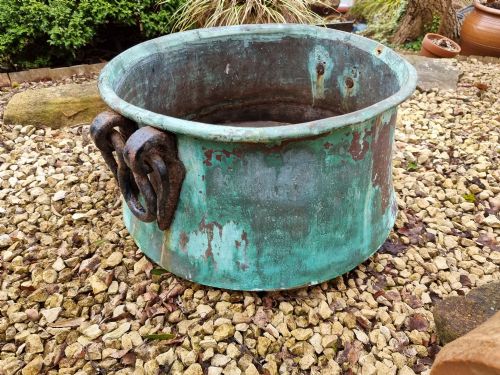
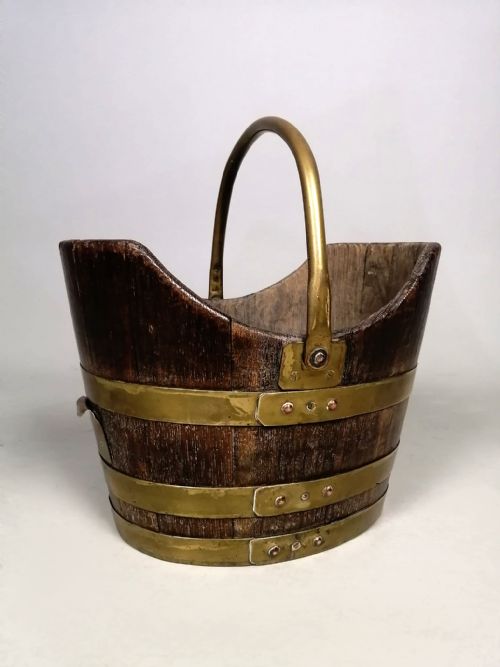
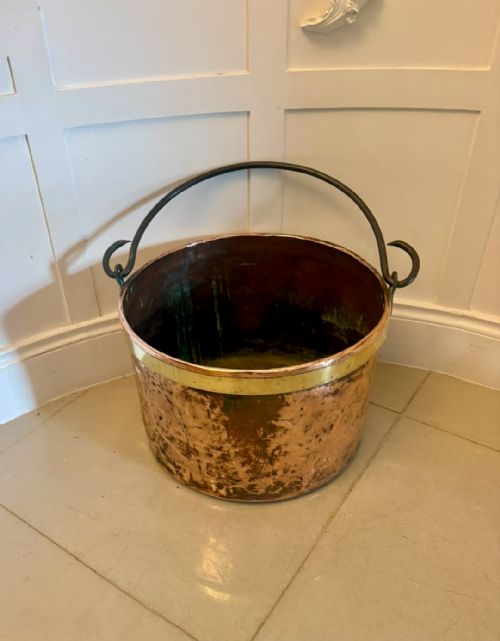
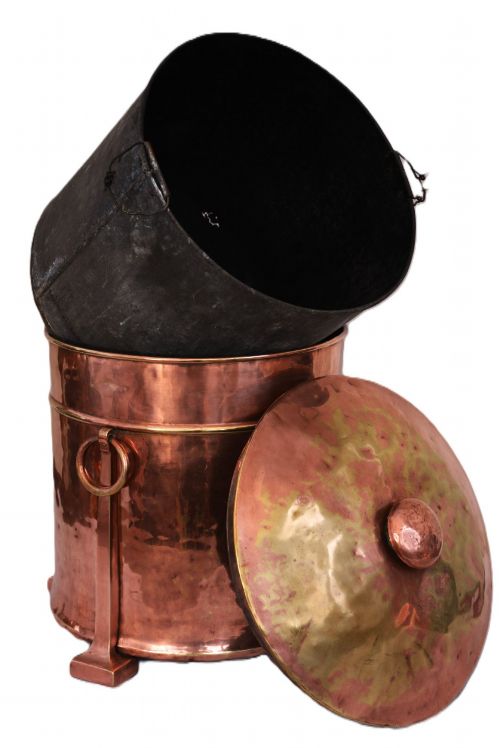
The most common forms you will encounter are cylindrical log buckets, helmet-shaped coal scuttles and large riveted pots or cauldrons. Many examples combine copper bodies with contrasting brass handles, iron feet or wooden accents, drawing on regional country house and rustic farmhouse traditions.
How They Were Made
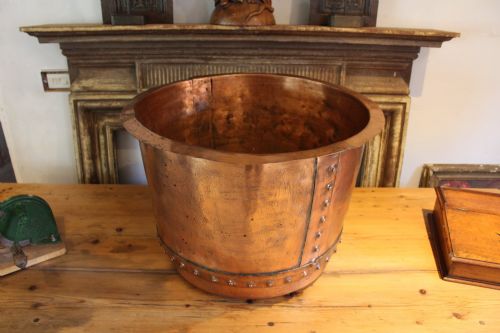
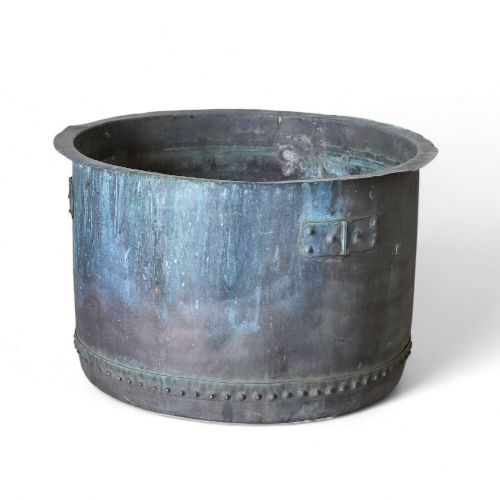
The construction relies on heavy-gauge sheet metal shaped by hand, with individual plates joined by overlapping seams and secured with visible copper or iron rivets. Master metalsmiths hammered the metal over anvils to achieve strength and rigidity, often leaving behind subtle tool marks that reveal the manual forming process.
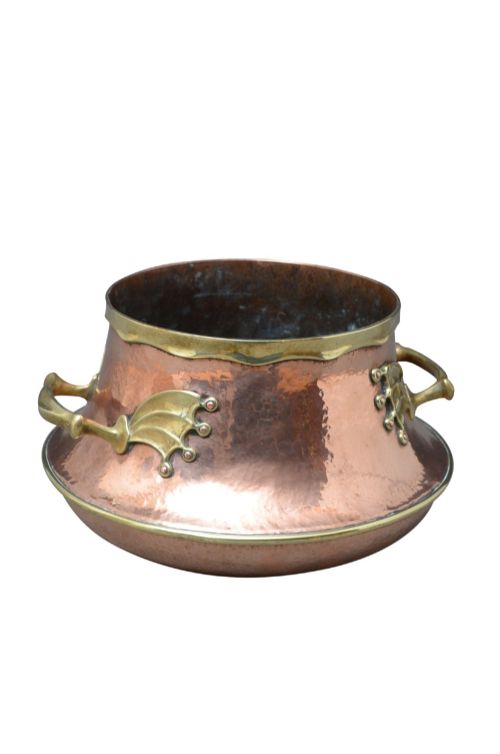
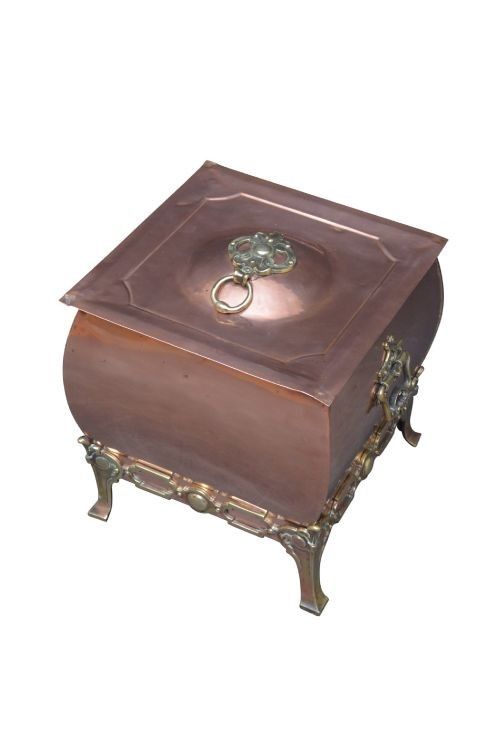
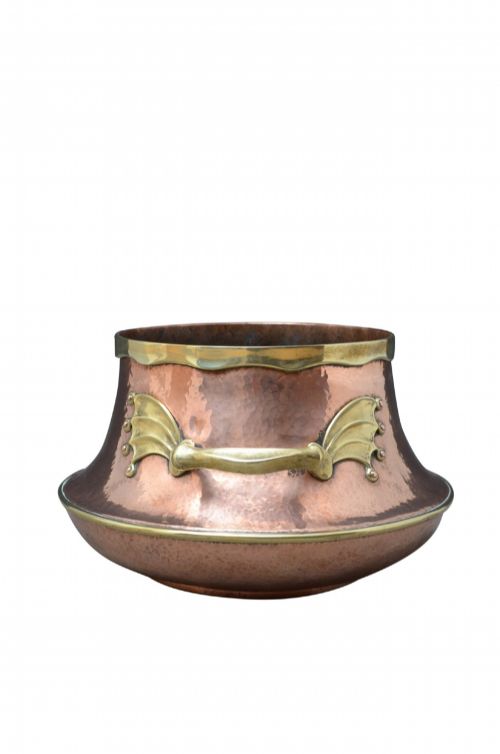
Brass bands, lion's paw feet and wrought iron swing handles were attached using rivets or dovetail joints to reinforce high-stress areas. Surfaces were frequently left untreated to age naturally, though some Arts and Crafts pieces show deliberate hand-beaten texturing designed to catch the light.
Listings feature examples utilising oak, wrought iron and brass alongside heavy gauge copper.
What Varies in Quality
The distinction between ordinary utility items and superior examples lies in the thickness of the metal plate and the integrity of the original construction. Heavier gauge copper resists denting and maintains its structural form under the weight of logs or wet soil, whereas thinner vessels tend to distort over time.
Design details also elevate a piece, such as crisp hand-hammering, substantial brass mounts, dovetailed base construction and intact wrought iron hardware. Surface character matters deeply, with natural patination, weathering and verdigris preferred over aggressive chemical cleaning or modern polishing.
Percy Metal Works London
The Antique Copper Bin Glossary
- Patina
- The natural surface oxidation and mellowing of metal over decades of exposure to air and handling. A genuine patinated surface displays varied tones and depth that chemical cleaning cannot replicate.
- Verdigris
- The green or blue-green film formed naturally on copper and brass surfaces through long-term atmospheric weathering. This layer is often prized by collectors for its visual evidence of age.
- Helmet scuttle
- A fireside coal bucket featuring a high back, a sloping body and a flared lip resembling a classical helmet. These usually include a fixed or pivoting handle for carrying fuel to the grate.
- Jardinière
- A large ornamental pot or stand designed to hold live plants or floral arrangements indoors. In copper, these vessels often double as log bins or decorative floor cachepots.
- Grain measure
- A heavy cylindrical metal container calibrated for agricultural use before being repurposed for domestic storage. They display robust wall construction and sturdy base seams.
Antique Copper Bin: Frequently Asked Questions
What were antique copper bins originally used for?
These vessels served practical roles in domestic and agricultural settings, holding coal near the hearth, storing dry grain, or transporting water and wash loads.
Over time, many heavy-duty containers transitioned from functional utility objects to decorative interior pieces used for housing logs or large indoor plants.
How do I clean an antique copper bin?
Most collectors prefer to leave the natural patinated surface undisturbed rather than scouring the metal back to a bright shine.
Gentle dusting with a soft cloth is sufficient, avoiding harsh abrasive compounds that strip away the historical weathering and surface character.
Can I use these bins to hold logs?
Many sturdy examples with riveted seams and reinforced bases are well-suited for holding firewood beside an active fireplace.
It helps to check the interior condition and ensure the base remains stable and capable of supporting heavy loads of timber without leaking.
How do I date an antique copper bin?
Dating relies on observing construction methods, such as early hand-beaten seams and hand-cut rivets typical of Georgian and early Victorian periods.
Stylistic markers like Arts and Crafts hand-hammering or late Victorian machine-rolled edges also help narrow down the decade of production.