





Antique Copper Ale Tankard
These antique copper ale tankard pieces bring heavy metal drinking vessels from past centuries straight to the modern table.
Antique Copper Ale Tankard
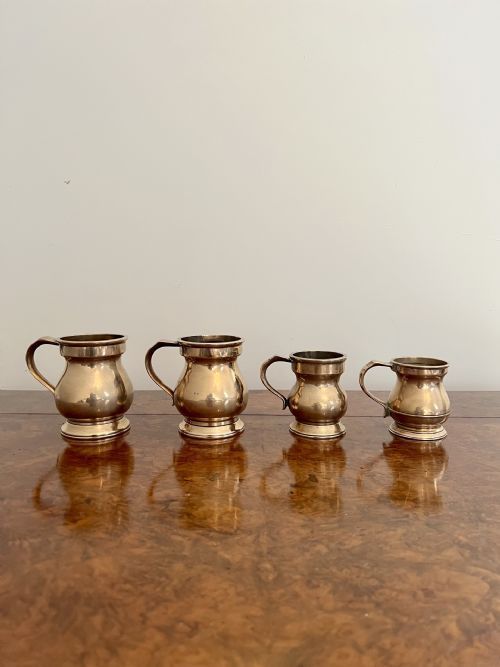
An antique copper ale tankard represents a sturdy drinking vessel designed for practical daily use and serving in taverns and homes. The pieces appearing here span from the 18th century through the Victorian era, capturing both simple utilitarian measures and plated display pieces. Buyers will find individual pint and quart vessels alongside graduated sets of measures.
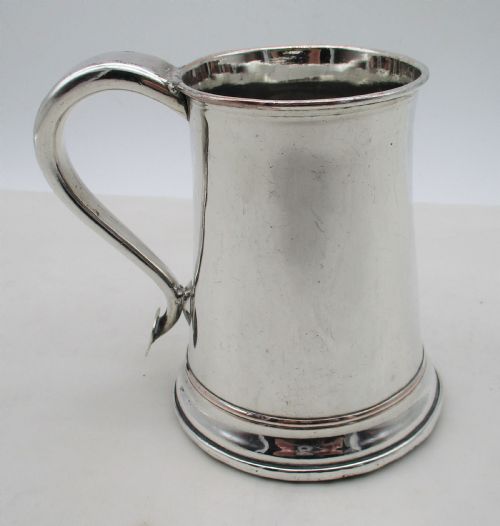
The forms divide broadly between honest utilitarian copper and the more refined plated items produced in the Georgian period and around eighteen hundred. Many examples show distinct bell shapes or straight sides configured for holding ale securely. These drinking vessels connect directly to historic hospitality and kitchenalia traditions.
Construction and materials
Makers shaped these vessels primarily from sheet copper, often combining it with brass for handles or rims to ensure structural strength. The listings demonstrate extensive use of old Sheffield plate over a copper base, alongside nickel-plated surfaces intended to mimic solid silver. Metalworkers hammered, soldered and rolled the metal to achieve these durable cylindrical and bell forms.
The combination of copper with silver plating reflects advanced eighteenth and nineteenth-century manufacturing techniques designed to offer luxury appearance at reduced cost. Handle attachments and seams show traditional hand-working methods appropriate to tavern measures and domestic drinkware.
Antique Copper Ale Tankard Retail Price Guide 2026
Typical asking prices for copper ale tankard among the pieces listed under this phrase on Sellingantiques today, from the lower quarter to the upper quarter. They describe what is for sale here now, not the wider market.
Some nineteenth-century drinkers apparently needed graduated sets of four so nobody could argue over who got the smaller measure.
Judging quality and finish
Quality in these vessels rests on the crispness of form, the integrity of joints and the survival of original plating where applicable. Superior examples display balanced proportions, clean solder lines and well-preserved surface textures that reflect skilled workshop production. Complete graduated sets and signed pieces command greater attention from serious collectors.
The distinction between standard tavern measures and finer plated tankards lies in the finishing detail and decorative restraint. Pieces showing careful shaping of the bell profile or solid handle mountings demonstrate higher levels of original craftsmanship.
Richard Morton
The Antique Copper Ale Tankard Glossary
- Old Sheffield plate
- A composite material made by fusing a thin sheet of silver to a thicker copper base. This technique produced durable tableware that bridged the gap between solid silver and base metals.
- Ale tankard
- A large drinking vessel equipped with a single handle, traditionally used for serving malt liquors. These items range from simple utilitarian mugs to decorative display pieces.
- Tavern measure
- A regulated liquid container used in public houses to ensure accurate dispensing of drinks. These pieces are typically robust and built for heavy daily handling.
- Kitchenalia
- Domestic utensils and equipment collected for their historical utility and appearance. This category encompasses utilitarian measures and vessels originally housed in domestic kitchens.
- Bell shaped
- A curved profile that widens gently towards the base, providing stability and balance. This silhouette appears frequently in Victorian drinking vessels.
Antique Copper Ale Tankard: Frequently Asked Questions
What is an antique copper ale tankard used for?
These vessels were originally manufactured for holding, measuring and serving ale in homes and public taverns. Their robust construction handled the daily demands of hospitality.
Today, collectors appreciate them as display items or decorative objects that bring historic character to a room.
How do I clean old copper and plated tankards?
Gentle dusting and minimal interference preserve the historic surface and any remaining plating. Aggressive polishing removes the patination that collectors value.
Specialist metal care products should be used sparingly, avoiding abrasive cloths that might damage thin silver or nickel layers.
How do I tell Georgian pieces from Victorian ones?
Georgian and eighteenth-century examples frequently feature old Sheffield plate finishes and refined proportions. They often represent earlier domestic dining traditions.
Victorian pieces often include utilitarian copper measures and distinct bell shapes, reflecting industrial-era manufacturing and standardised tavern requirements.
Why do some tankards have different metal platings?
Makers applied silver or nickel plating over copper bases to provide the aesthetic appeal of precious metal at a lower cost. This allowed middle-class households to enjoy refined tableware.
Nickel also offered durability and resistance to tarnish in busy environments.