



Antique Coopered Tub
An antique coopered tub brings sturdy stave-built craftsmanship indoors as a wine cooler, umbrella stand, or planter.
Antique Coopered Tub
When you search for an antique coopered tub, you encounter vessels built from wooden staves bound with metal hoops, originating from the eighteenth, nineteenth, and early twentieth centuries. These pieces take various functional forms, including wine coolers, stick stands, butter barrels, log bins, and planters.
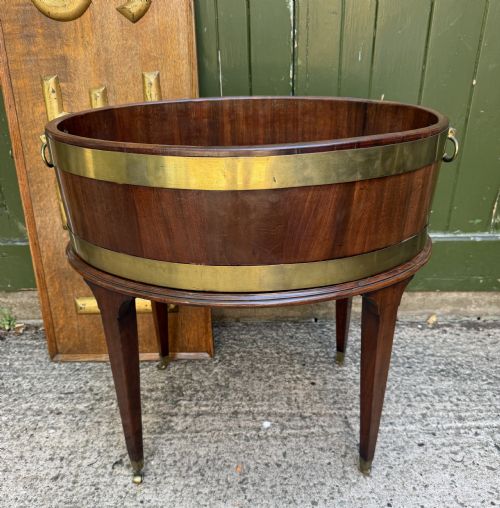
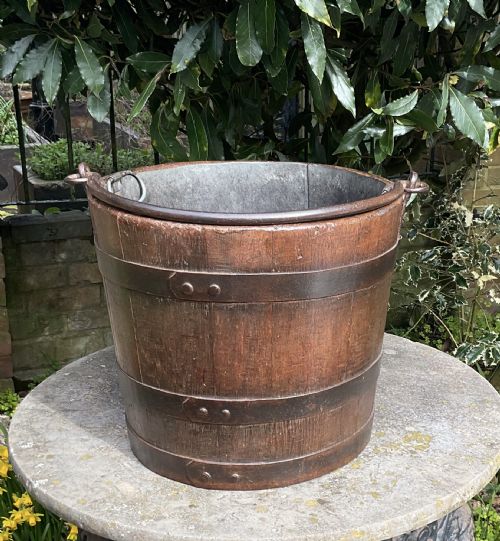
Origins span Georgian, Victorian, and Edwardian periods, reflecting both formal dining rooms and rustic country interiors. The forms range from oval wine coolers with stands to simple well buckets and jardiniere plant pots.
Materials and construction
Makers constructed these vessels using tightly fitted wooden staves shaped to form a cylinder or oval. Hardwoods such as oak and mahogany provided the necessary strength and moisture resistance.
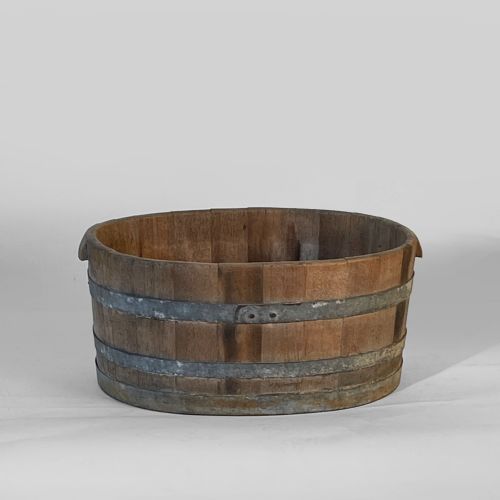
Metal bands made of brass, iron, or zinc were heated and fitted tightly around the wooden body as they cooled, securing the staves together under natural tension. Liners of metal or zinc were sometimes added to hold liquids or damp plants.
Listings feature vessels constructed from oak, mahogany, and hardwood, reinforced with bands of brass, iron, and zinc.
Assessing the workmanship
Quality rests in the precision of the stave joints and the proportion of the metal binding to the wood. Finer examples display carefully fitted timber and well-cast brass bands or handles that complement the grain of the mahogany or oak.
The presence of original stands, fitted liners, and period metalwork elevates a piece above standard utility items. The integration of maker details or sophisticated timber selection marks the upper tier of these stave-built vessels.
Lister and Co
The Antique Coopered Tub Glossary
- Coopered
- Built from curved wooden staves joined vertically and held tightly by metal hoops. This method traditionally formed vessels for liquids and dry goods.
- Stave
- A narrow strip of shaped wood with edges bevelled to fit adjacent pieces. Together, multiple staves form the curved wall of a tub or barrel.
- Jardiniere
- An ornamental pot or stand for holding flowers or plants. These often sit upon matched wooden bases or legs.
- Wine cooler
- A specialised vessel designed to hold bottles and ice during dining. Georgian and Victorian examples frequently feature brass banding and lead or metal linings.
- Butter barrel
- A small wooden tub used in dairy processing or storage. They share the same stave construction as larger transport barrels.
Antique Coopered Tub: Frequently Asked Questions
What were antique coopered tubs used for?
These vessels served various practical domestic functions, including cooling wine, washing laundry, holding butter, and carrying water.
Over time, many transitioned into decorative roles as umbrella stands, log bins, and plant holders within the home.
How do I date an antique coopered tub?
Dating relies on timber choice, such as eighteenth-century mahogany versus later oak, alongside the style of the metal bands and handles.
Georgian examples tend to show refined cabinetmaker finishes, while nineteenth-century pieces often lean toward robust utilitarian construction.
Can I use an antique tub for plants?
Many of these vessels, particularly those with existing metal liners, function well as planters or jardiniere pots.
Checking the condition of the internal lining and underlying timber helps ensure the wood remains protected from constant moisture.
Are all coopered tubs fitted with stands?
Stands appear on specific forms, such as formal wine coolers and certain planters, designed to elevate the vessel off the floor.
Many other types, including butter buckets, well buckets, and log bins, remain floor-standing or feature drop handles instead.