




Antique Cooking Pan
An antique cooking pan brings the heavy warmth of Georgian and Victorian kitchens into the modern home.
Antique Cooking Pan
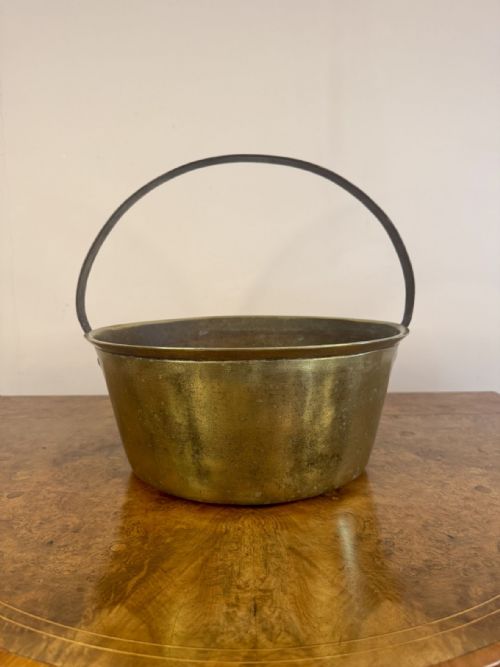
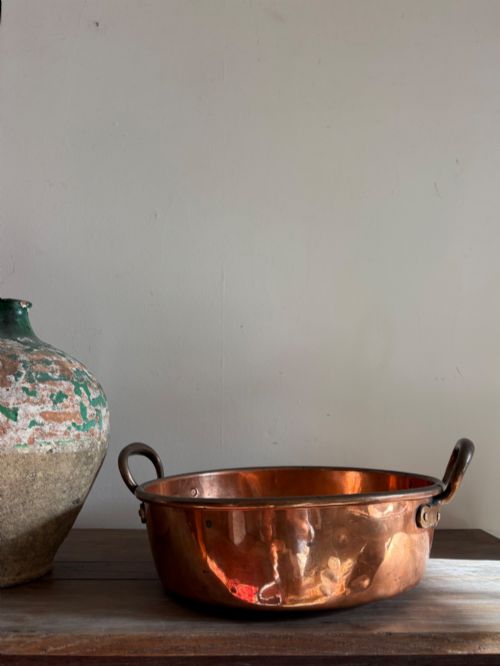
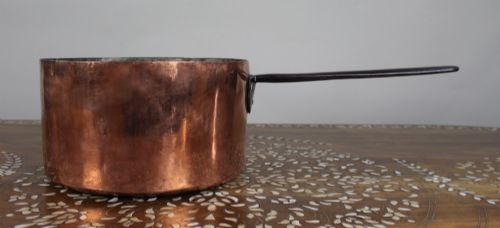
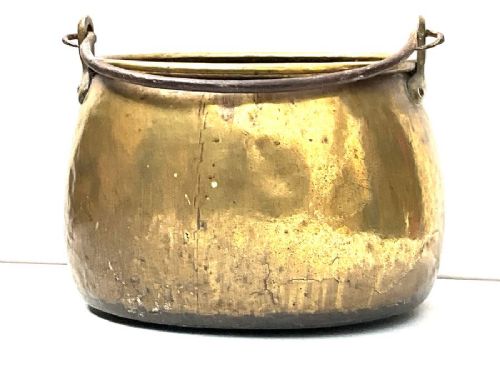
An antique cooking pan covers a robust range of utilitarian kitchenware, hearth accessories and preserving vessels shaped from metal over centuries of domestic labour. When searching for an antique cooking pan, collectors encounter substantial forms spanning the Georgian and Victorian eras, including saucepans, jam pails, preserve warmers and cauldrons.
The materials that define these pieces are primarily copper, brass, bronze and iron, reflecting the practical demands of open hearths and range cooking. Many examples originate from English and French workshops, displaying the varied regional characteristics of rural farmhouses and country kitchens.
Most pieces seen on this page date from the nineteenth century and the Georgian period, often built for heavy daily use rather than mere display. Their forms range from large swing-handled pots to lidded vessels and multi-piece sets designed for culinary service.
How they were made
Makers fashioned these vessels predominantly from heavy-gauge copper, brass and bronze, hammering and riveting sheets or casting molten metal into durable forms. Riveted handles and joints demonstrate the mechanical strength required for lifting heavy volumes of food and liquid over open flames.
Iron components, such as handles and fixings, were integrated to provide structural rigidity to softer copper and brass bodies. Surfaces often show the direct marks of hand-hammering alongside the weathered patina accumulated through decades of use.
Antique Cooking Pan Retail Price Guide 2026
Typical asking prices for cooking pan among the pieces listed under this phrase on Sellingantiques today, from the lower quarter to the upper quarter. They describe what is for sale here now, not the wider market.
Listings feature items forged from copper, iron, brass, wrought iron, cast iron, tin, bronze and mixed metals.
What varies in quality
The calibre of a piece rests largely on the thickness of the metal and the integrity of its original construction, such as hand-riveted seams and well-fitted lids. Heavier gauges of copper and brass indicate vessels built to endure rigorous service rather than light domestic output.
Maker marks and stamps add distinction to certain copper saucepans, elevating utilitarian items into documented examples of period metalwork. Preserved surface patinas and original iron handles further separate standard kitchen utensils from exceptional display pieces.
Hodges & Sons·Liptons
The Antique Cooking Pan Glossary
- Saucepan
- A deep cooking pot with a single long handle, designed for boiling and simmering on a stove or hearth.
- Preserve pan
- A wide, shallow vessel traditionally used for boiling fruit and sugar into jams, often forged from copper or bronze to distribute heat evenly.
- Cauldron
- A large round pot featuring a swing handle, intended for hanging over an open fire or sitting directly in the embers.
- Daubiere
- A specialised lidded cooking pot used for braising meats slowly, common in French culinary traditions.
- Patina
- The deep surface sheen and coloration developed by metal over long periods of exposure to air, handling and use.
Antique Cooking Pan: Frequently Asked Questions
What were antique cooking pans used for?
These vessels served the demanding requirements of domestic food preparation, from boiling jams and preserving fruits to simmering broths over open hearths and stoves.
Heavier pots also functioned as storage or heating units for water and bulk ingredients in large country kitchens.
How do I clean an antique copper pan?
Many collectors prefer to leave the natural aged patina untouched, as it records the history and authenticity of the metal.
If polishing is desired, mild non-abrasive metal cleaners restore the bright shine of copper and brass without wearing down the historic surface.
Can I still cook with these pans?
While many retain their robust structural form, period cooking vessels often require professional retinning on the interior surface before handling modern food.
Most owners choose to display them in kitchens or hearths to appreciate their substantial metalwork and historical character.
How do I tell a Georgian pan from a Victorian one?
Georgian examples often display hand-beaten construction techniques with distinct hammer marks and simpler, heavier bronze or copper proportions.
Victorian pieces frequently show more standardised manufacturing methods alongside maker stamps and larger multi-piece kitchen sets.