




Antique Continental Ceramic
These antique continental ceramic pieces span centuries of European kiln craft, offering collectors rich glazes, hand-painted figures and decorative tableware.
Antique Continental Ceramic
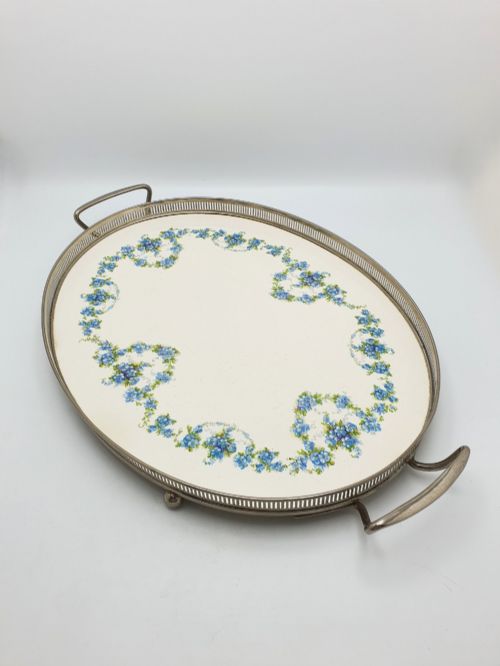
When you search for antique continental ceramic, you encounter a varied landscape of European kiln production ranging from functional vessels to sculptural porcelain figures. The pieces on this page span several centuries, with the eighteenth, nineteenth and early twentieth centuries heavily represented by German, French and Dutch factories.
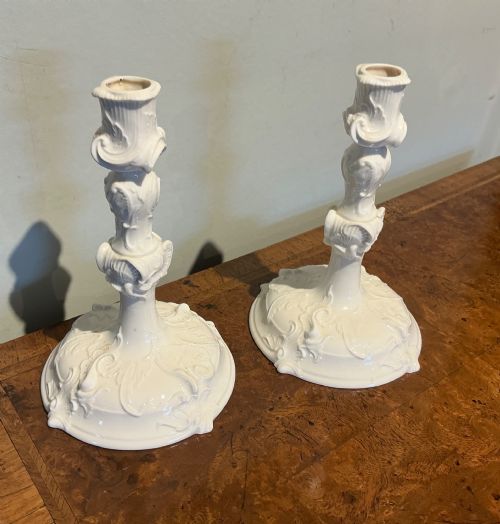
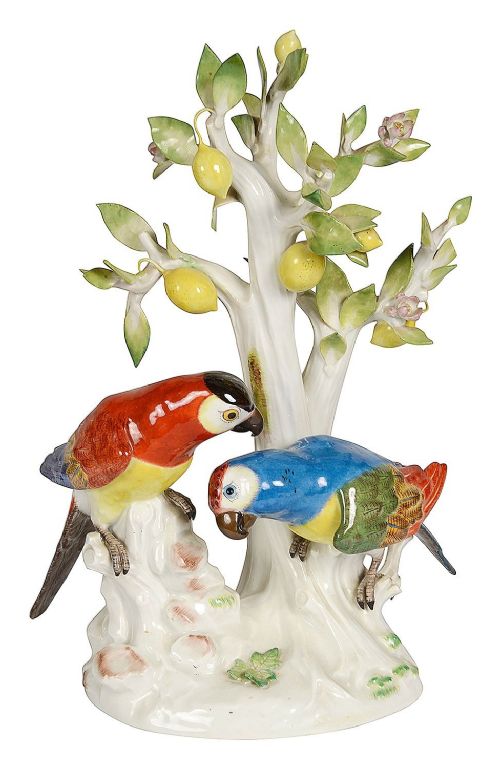
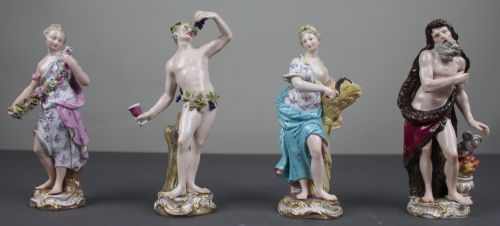
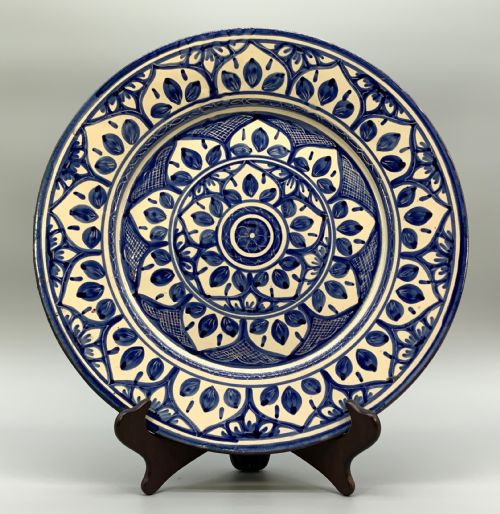
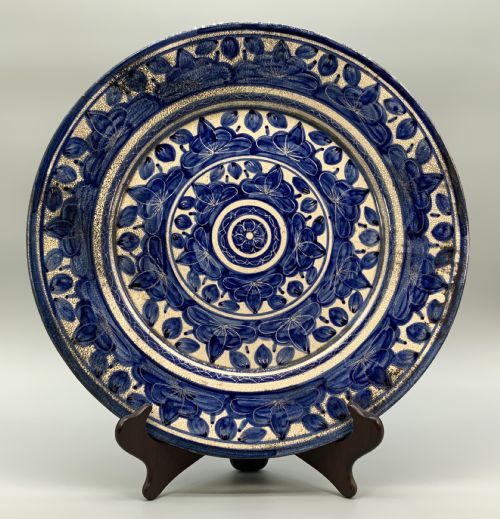
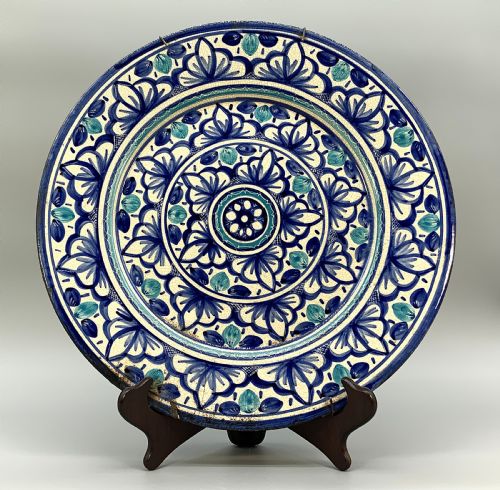
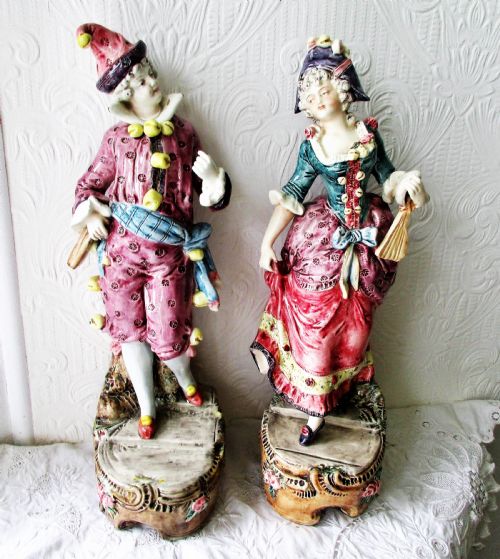
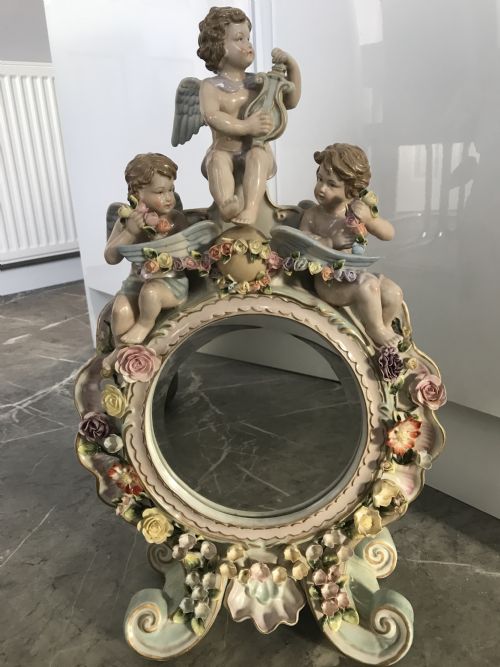
Figurines and sculptural groups dominate the available forms, alongside larger display items like charger plates, mirrors, vases and garniture sets. These objects originate from renowned continental centres and smaller workshops alike, capturing shifts in taste from elaborate rococo designs to botanical motifs and pictorial plaques.
How they were made
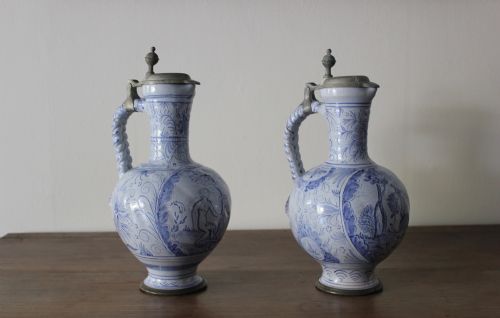
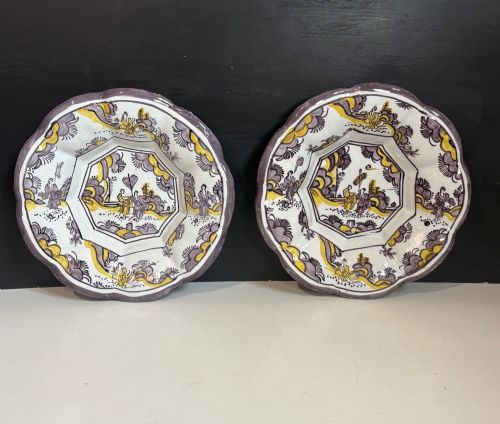
Firing techniques evolved across the periods represented, allowing kilns to achieve crisp white bodies for fine porcelain plaques and vibrant tin glazes for delftware and faience dishes. Specialist factories employed teams of painters to render detailed scenes and botanical subjects by hand.
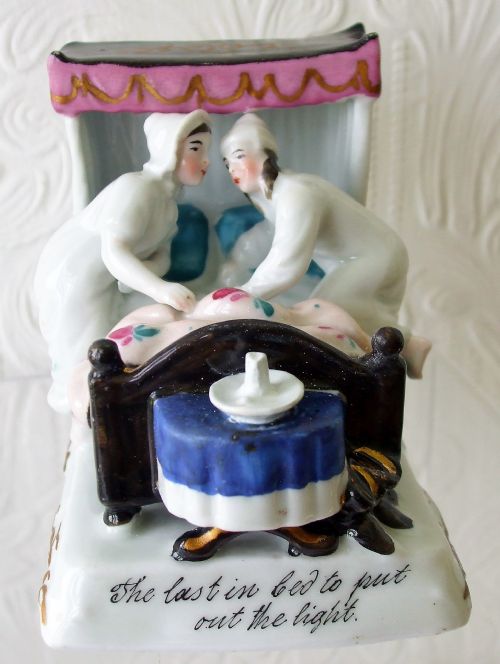
Several German porcelain figures depict the curious subject of the last person in bed extinguishing the candle.
What varies in quality
Quality rests upon the crispness of the moulding and the skill of the hand-painting, where delicate brushwork and nuanced colour blending elevate a piece far above standard factory output. Early porcelain figures demonstrate superior anatomical definition and subtle expression compared to later mass-produced iterations.
The precision of the kiln firing and the preservation of original gilding and enamel details dictate the lasting desirability of ceramic vessels and mirrors. Pieces that retain their original colouring without excessive touch-ups demonstrate the highest standards of continental production.
Meissen·Volkstedt Rudolstadt Factory·Samson of Paris·Royal Dux·Julius Dressler
The Antique Continental Ceramic Glossary
- Hard-paste porcelain
- A durable ceramic composition of kaolin and petuntse fired at high temperatures. It forms a dense, vitreous body that resists scratching.
- Faience
- European tin-glazed earthenware decorated with opaque metallic glazes. Artisans painted directly onto the unfired glaze surface to achieve soft, flowing designs.
- Garniture
- A set of matching ornamental vases or vessels designed for display on a mantelpiece or sideboard. These sets usually comprise three or more corresponding pieces.
- Charger plate
- A large decorative dish used traditionally for ceremonial display rather than dining. They frequently feature elaborate painted scenes or pattern work across the central well.
Antique Continental Ceramic: Frequently Asked Questions
How do I clean antique porcelain?
Dust these pieces gently with a soft, dry brush to prevent the accumulation of dirt on delicate painted surfaces. Avoid submerging items that feature applied gold leaf or fragile enamel decorations in water.
For sturdier glazed ceramic items, use lukewarm water and a mild detergent with a soft cloth. Dry the piece thoroughly immediately after washing to protect any exposed clay bodies.
What is the difference between porcelain and earthenware?
Porcelain is fired at much higher temperatures, producing a dense, non-porous body that often transmits light through thin sections. Earthenware uses softer clays that remain porous unless coated with an impermeable glaze like tin enamel.
Continental factories utilised both mediums depending on the intended function of the object. Fine decorative figures typically demand porcelain, while large chargers and platters often employ earthenware or faience.
How can I date continental ceramics?
Examine the underglaze factory marks, style of painting and the composition of the ceramic body itself. Different periods favoured distinct stylistic movements, such as Rococo Revival or Art Nouveau.
Reference specific mould numbers and historical factory operating dates to narrow down the decade of production. Wear patterns on the unglazed foot rim also offer clues regarding the age of the item.
Where should I display large charger plates?
Display large charger plates using sturdy wall hangers or dedicated plate stands designed to support their weight securely. Position them away from direct sunlight and heat sources to protect hand-painted enamels and glazes.
Ensure the mounting surface is stable, as these decorative items can be heavy and prone to tipping. Grouping matching plates together creates a striking visual impact on a sideboard or wall.