
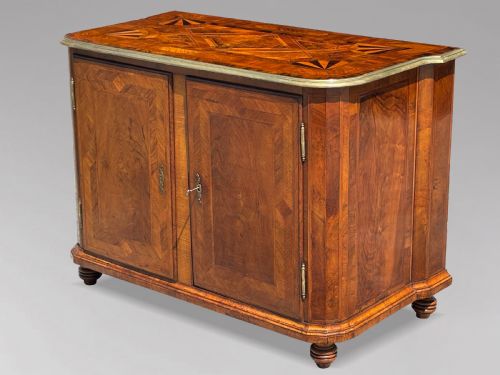


Antique Continental Buffet
An antique continental buffet brings substantial storage and centuries of European craftsmanship into a room.
Antique Continental Buffet
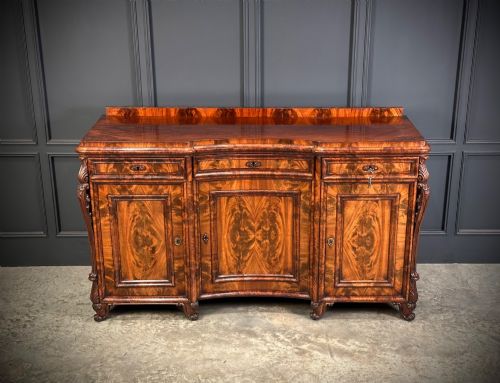
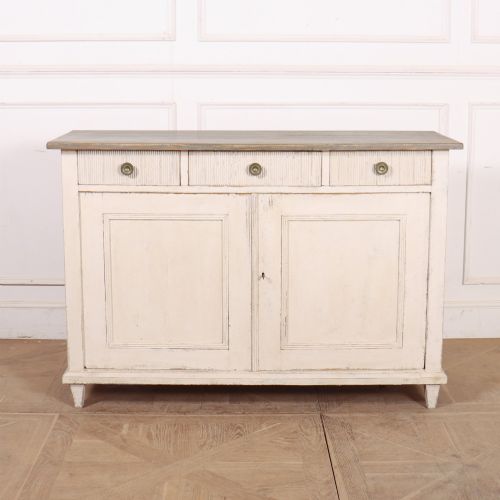
An antique continental buffet serves as a substantial storage piece originating from European workshops, spanning forms such as sideboards, enfilades, commodes, and credenzas. When exploring this selection, buyers encounter diverse regional interpretations ranging from provincial walnut pieces to grand Baroque cabinets.
The pieces recorded on this page cross multiple centuries, encompassing eighteenth-century walnut examples alongside nineteenth-century painted furniture and Arts and Crafts designs. Formats vary from two-door cupboards to monumental storage units equipped with cabinets and dressers.
Styles reflect distinct local traditions across Italy, France, Holland, Spain, and Flanders. Provincial items share floor space with neoclassical and Renaissance revival pieces, offering varied silhouettes for dining rooms and living spaces.
Materials and construction methods
Cabinetmakers relied heavily on native hardwoods, primarily walnut, oak, cherrywood, and mahogany, often enhanced by flame mahogany veneers or marquetry details. Structural stability frequently depended on secondary elements of iron and brass for hardware and hinges.
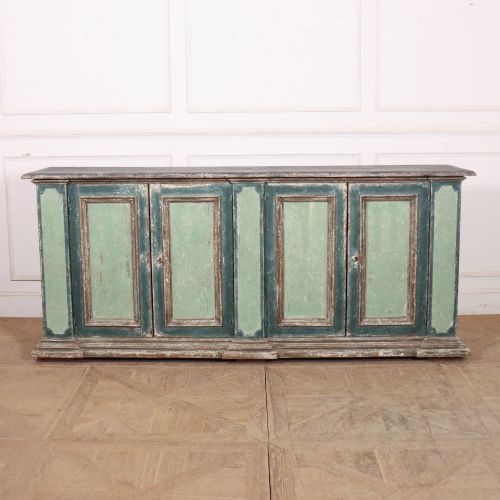
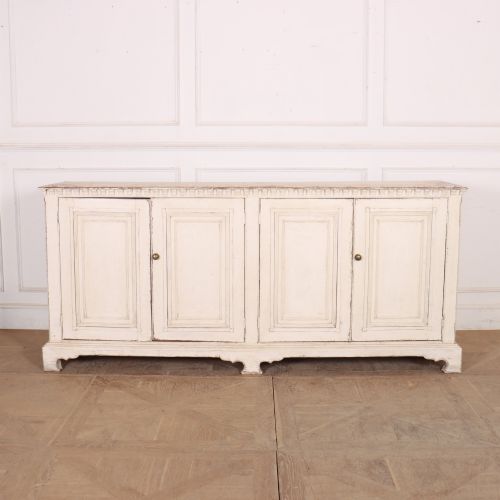
Surface finishes display considerable variety, moving from polished natural timber to painted wood and giltwood treatments. Carved decoration appears across many items, defining styles from Gothic oak to Baroque and Italian neoclassical expressions.
Period origins span from the seventeenth century through the Victorian era and into twentieth-century Arts and Crafts movements.
Markers of quality and execution
The standard of carving and joinery separates exceptional pieces from simpler utilitarian versions. Crisply executed hand-carving and precise marquetry indicate superior workshop output compared to softer, more generalized detailing.
The integrity of original surfaces, whether polished walnut, painted decoration, or parcel gilt, influences the character of each cabinet. Retaining period hardware and stable structural timbers distinguishes the finest examples in any collection.
The Antique Continental Buffet Glossary
- Enfilade
- A long sideboard or cabinet designed with a sequence of doors, typically sharing a unified continuous front. This form originated in grand European residences for serving and storage.
- Credenza
- A sideboard or buffet lacking legs, featuring closed cabinet storage close to the floor. The term frequently applies to substantial Italian storage furniture.
- Marquetry
- The art of applying decorative veneer pieces in wood to form intricate patterns and pictures on a surface. Skilled craftsmen combined contrasting timbers to create geometric or floral motifs.
- Baroque
- A flamboyant stylistic period characterised by dramatic carving, rich ornamentation, and grand scale. Furniture from this tradition emphasises movement and visual weight.
- Biedermeier
- A Central European style from the nineteenth century prioritizing clean lines, utilitarian comfort, and minimal ornamentation. These pieces highlight the natural grain of woods like mahogany and walnut.
Antique Continental Buffet: Frequently Asked Questions
Can I use a buffet in a hallway?
Buffets adapt well to hallways and living rooms provided the floor space accommodates their depth. They provide excellent surface space for lamps and decorative objects while concealing clutter inside.
Measure clearance zones carefully before placement to ensure doors and drawers open fully without obstruction.
What is an enfilade?
An enfilade is an extended sideboard featuring multiple cabinet doors arranged in a single long line. Originally developed for large dining rooms, they offer extensive interior shelving.
This form is particularly associated with formal continental dining furniture and grand country houses.
How do I identify Italian styles?
Italian pieces often display regional characteristics such as walnut construction, crisp carved details, and neoclassical or Renaissance revival motifs. Look for architectural cornices and paneled doors.
Provincial Italian items present softer, painted finishes alongside simpler structural lines compared to monumental urban credenzas.
Are painted finishes original?
Painted finishes on continental furniture vary between period originals and later decorative updates. Inspect the surface craquelure, wear patterns, and underlying timber to assess age.
Regional pieces from areas like Italy and France frequently utilised painted wood alongside natural polished grain.