


Antique Console Writing Desk
An antique console writing desk brings practical elegance to a room, offering a surface for correspondence supported by periods from the Georgian era to the Edwardian period.
Antique Console Writing Desk
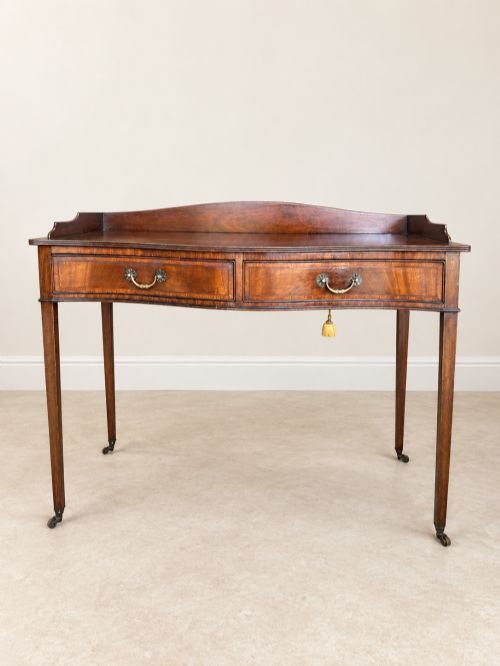
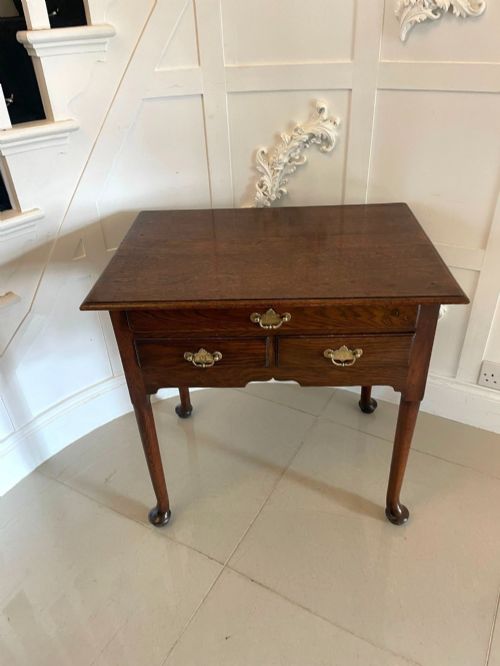
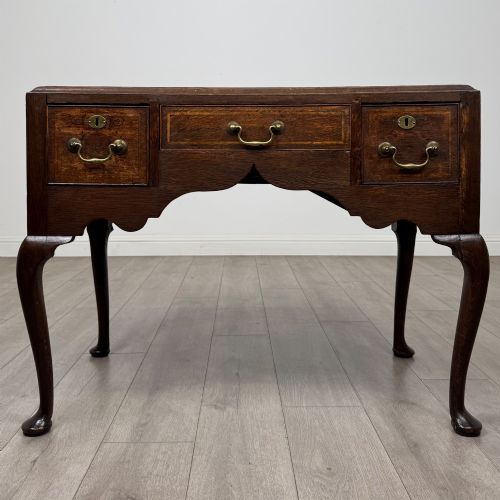
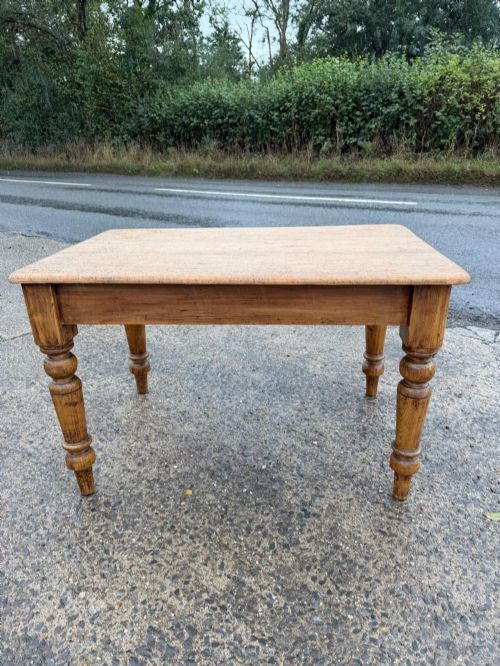
An antique console writing desk combines the wall-supporting grace of a console with the practical surface of a writing table or side table. These pieces emerge from periods spanning the eighteenth century through the Edwardian era, taking forms such as side tables, lowboys, and bureau plats.
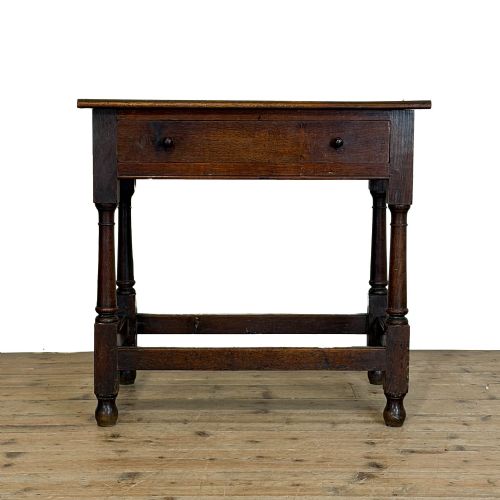
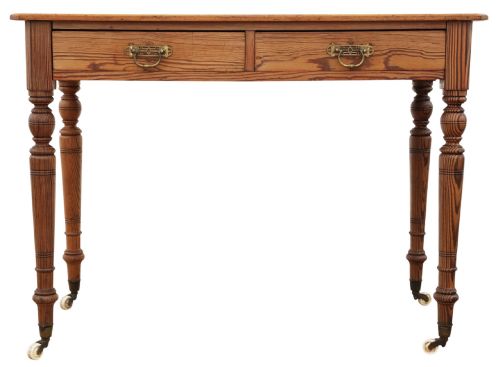
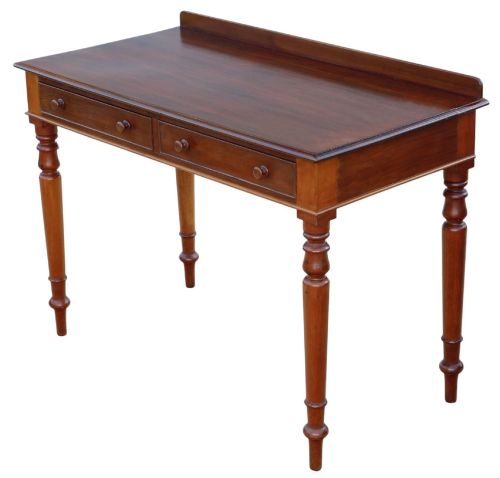
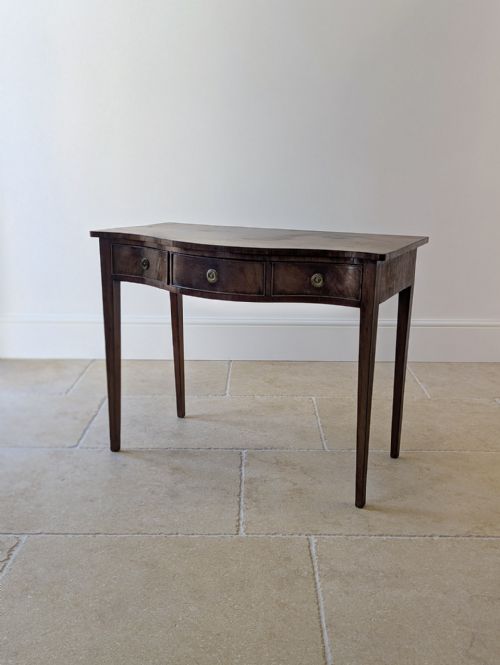
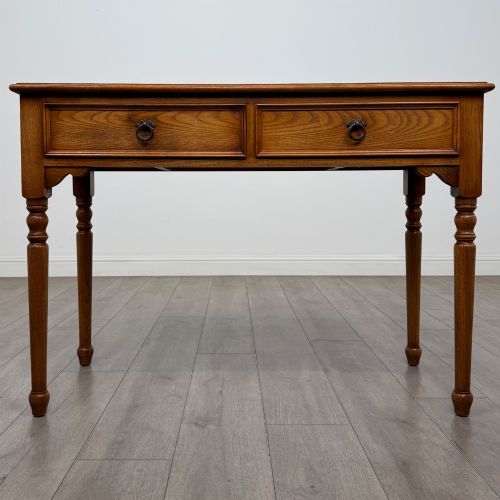
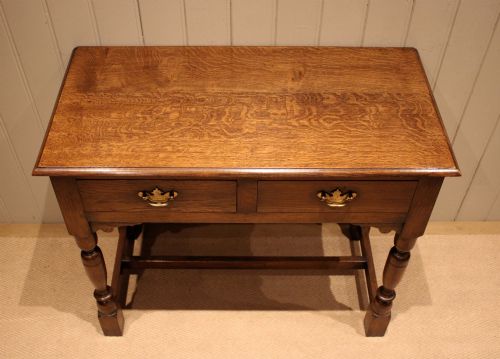
The version most commonly met on this page is the mahogany or oak writing table from the nineteenth century, often fitted with drawers to the front frieze. Buyers also encounter walnut, pine, and rosewood examples designed to function equally as hall consoles or compact desks.
How They Were Made
Cabinetmakers constructed these pieces using solid timbers like mahogany, oak, walnut, and pine, frequently selecting figured veneers such as flame mahogany or burr walnut for primary surfaces. Drawer construction relied on traditional joinery, while structural integrity depended on sturdy framing in native woods.
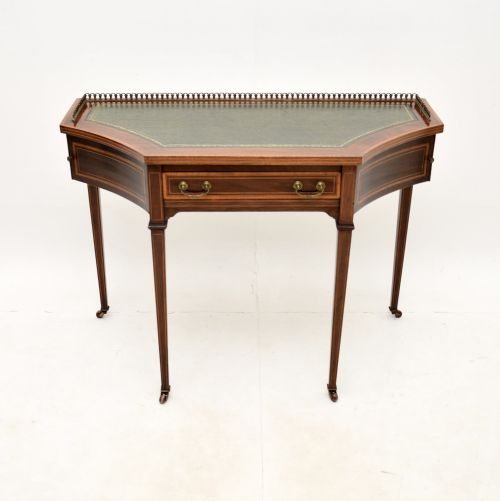
Decorative techniques recorded in the listings include inlay, parquetry, marquetry, and ormolu mounts, alongside surface treatments such as french polishing and paint. Some examples incorporate leather or suede writing inserts set into the top.
A tiny drawer tucked into a frieze remembers the days when inkwells and quill pens needed a quiet home.
What Varies in Quality
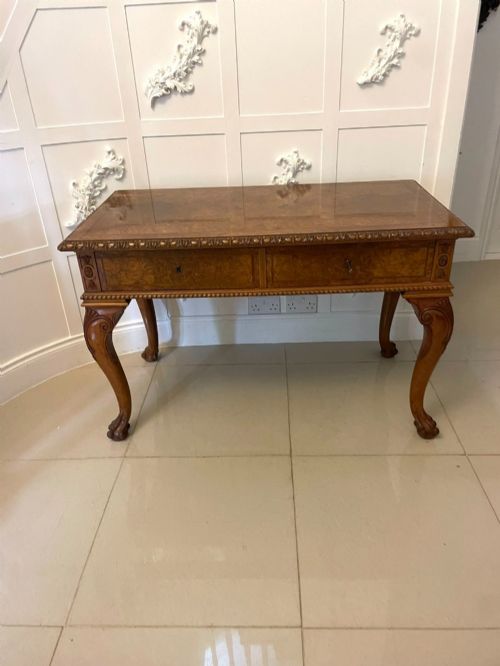
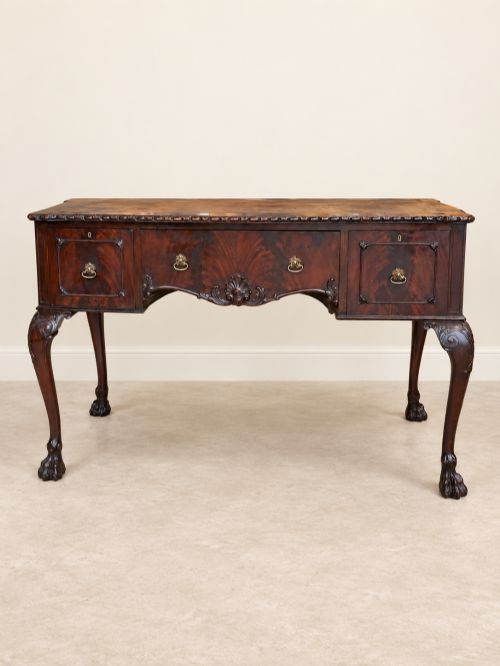
The distinction between tiers rests upon the selection of timbers and the crispness of execution in details like inlay and carving. Superior pieces display carefully matched grain patterns, such as figured mahogany or burr walnut, alongside finely dovetailed drawers that operate smoothly within their housings.
Proportion and structural restraint also define the better examples, where secondary woods are chosen with care and decorative elements integrate harmoniously into the overall design rather than appearing cluttered.
Heal and Son·Edward’s And Robert’s
The Antique Console Writing Desk Glossary
- Console table
- A table designed to stand against a wall, often supported by brackets or legs that emphasise its architectural placement. It frequently doubles as a narrow desk.
- Frieze
- The horizontal band running directly beneath the top surface of a table, commonly housing one or more drawers in these pieces.
- Bureau plat
- A freestanding flat-topped writing desk, often French in origin and finished with marquetry, parquetry, or metal mounts.
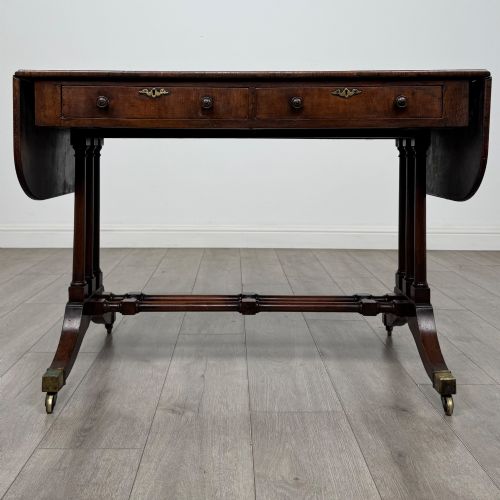
- Sofa table
- A rectangular table designed during the Regency and Georgian periods to stand beside a sofa, featuring drop leaves and often two drawers.
Antique Console Writing Desk: Frequently Asked Questions
How do I date an antique writing desk?
Dating relies on observing the primary timber used, the style of the legs, and the construction methods visible within the drawer framing. Georgian pieces often show linear restraint and oak linings, while Victorian examples introduce heavier proportions and diverse veneers.
Comparing the hardware and decorative techniques such as inlay or marquetry against known period styles helps narrow the decade of manufacture.
Can I use a console desk for daily work?
Many of these pieces were built specifically for writing and correspondence, making them suitable for modern laptop use or paperwork. Their shallow depth allows them to fit into spaces where a standard office desk would overwhelm the room.
Drawer space also provides convenient storage for stationery and small items, keeping the surface clear when not in use.
What woods were used for these desks?
Cabinetmakers utilised a wide selection of native and exotic timbers depending on the period and fashion. Mahogany, oak, and walnut form the structural backbone of most pieces found here.
Secondary surfaces frequently showcase decorative veneers like flame mahogany, burr walnut, and rosewood, sometimes accented with satin birch or pine internals.