


Antique Commode Slide
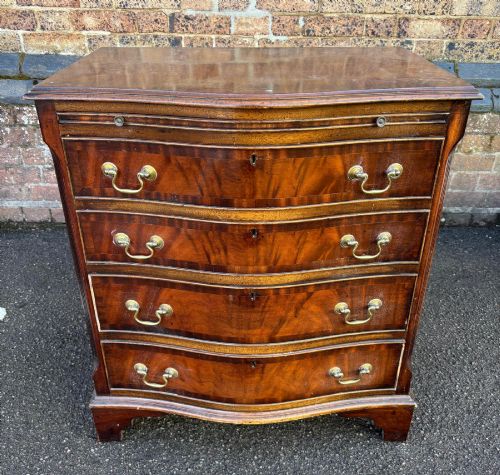
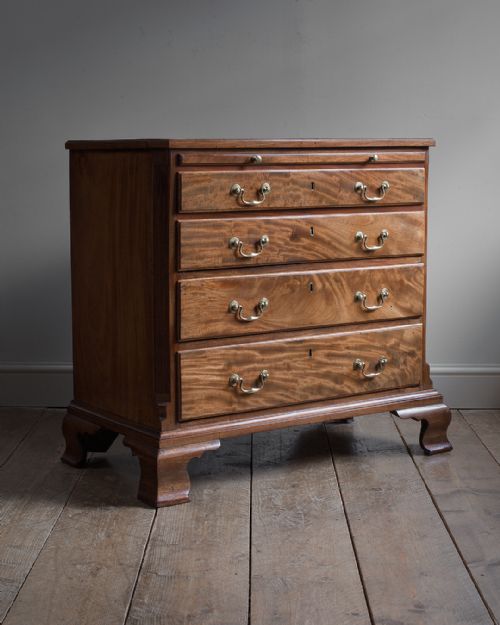
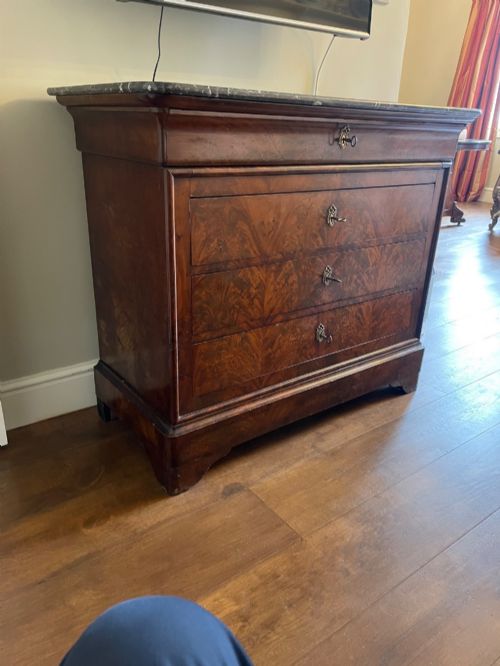
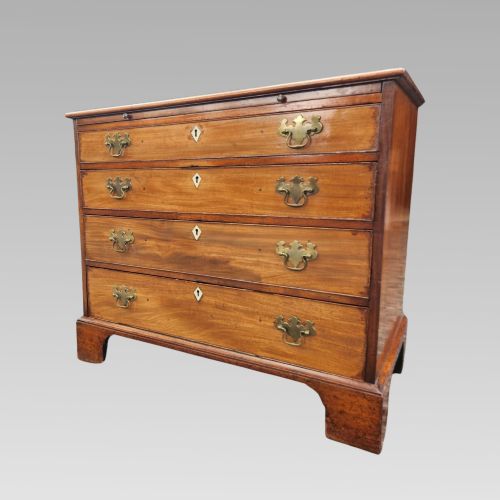
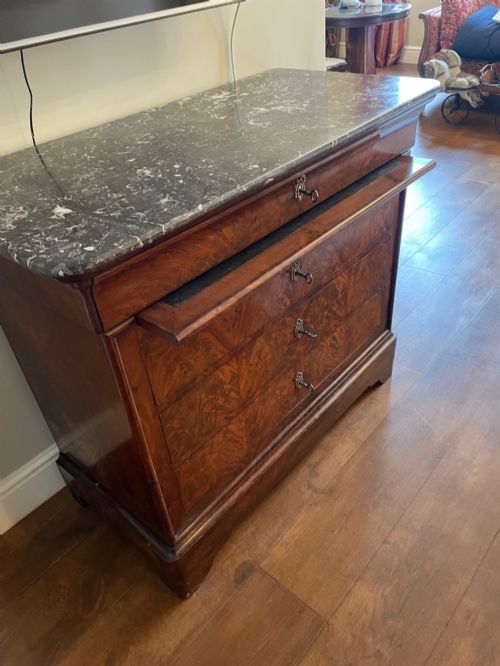
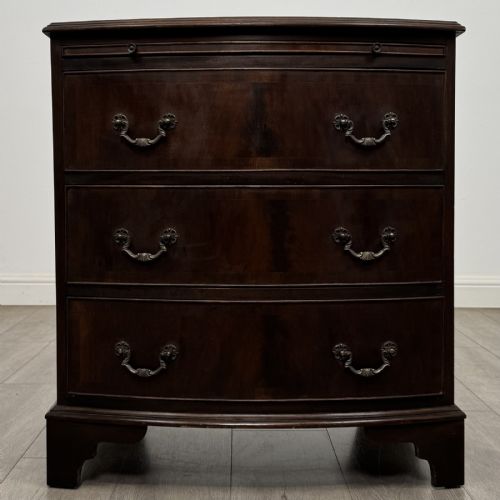
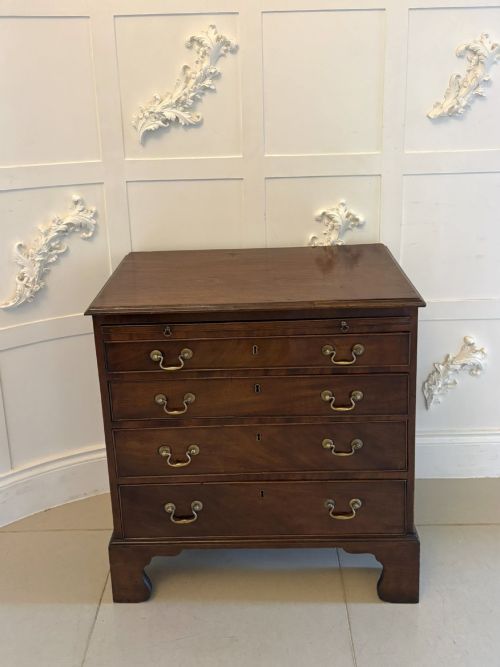
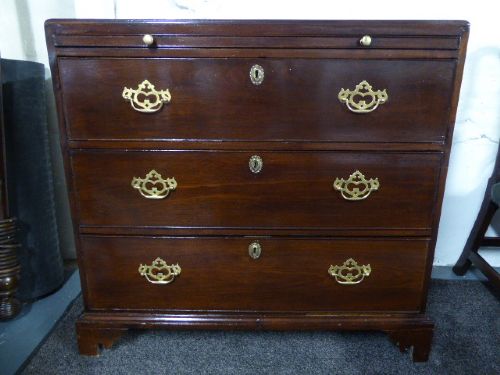
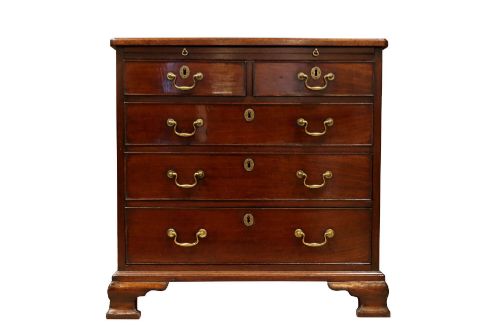
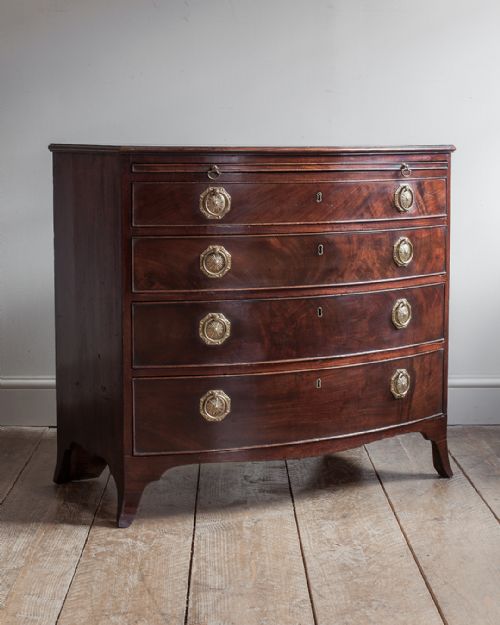
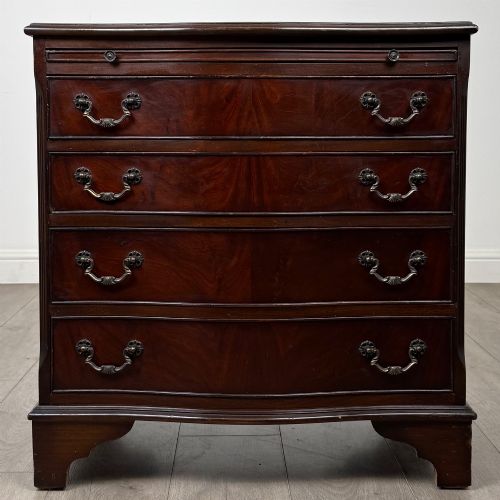
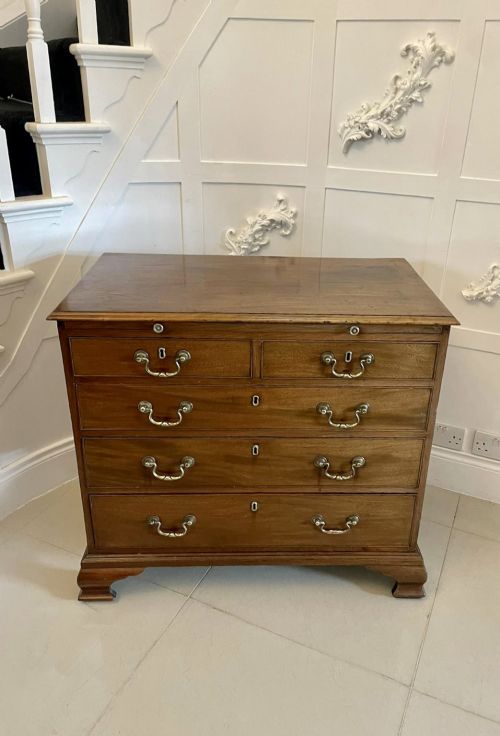
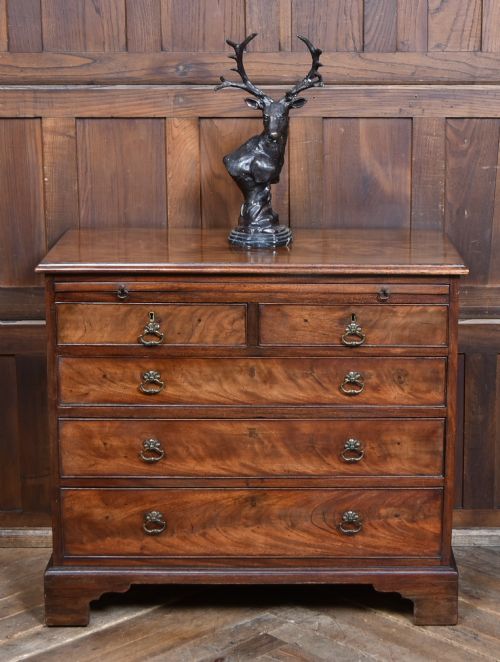
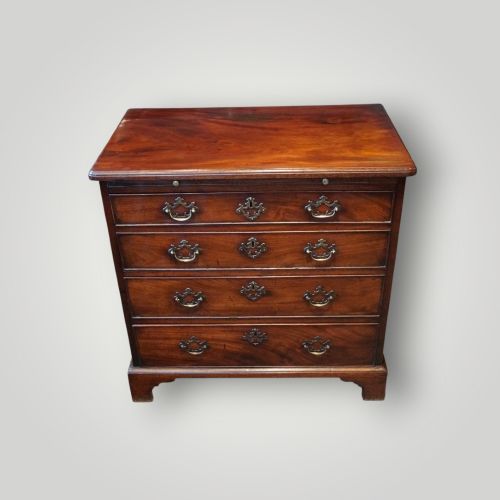
An antique commode slide sits beneath the top surface of a case piece, pulling out to provide a writing surface or shelf.
Antique Commode Slide
An antique commode slide is typically encountered on eighteenth-century and nineteenth-century chests of drawers, often referred to as bachelor's chests or writing chests. These pieces originate primarily from the Georgian, George II, and George III periods, though later revivals also appear.
The form combines standard drawer storage with a pull-out shelf, designed to save space in domestic interiors. Most examples on this page are constructed from mahogany, occasionally featuring walnut, oak, or satinwood inlay.
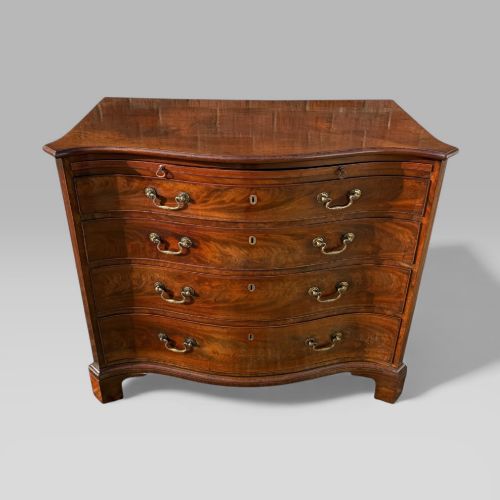
Buyers will frequently meet pieces with rectangular or serpentine fronts, housing the sliding shelf directly beneath the top moulding.
How they were made
Cabinetmakers utilised solid timbers and veneers, predominantly mahogany and walnut, applied over secondary woods. Construction relied on traditional dovetail joints for the drawers and fitted runners to support the sliding shelf smoothly within the carcase.
Surfaces were finished with brass hardware, including handles and escutcheons, alongside secondary materials such as baize lining on writing surfaces where specified. Timber selection ranged from straight-grained mahogany to flame mahogany and burr walnut.
Antique Commode Slide Retail Price Guide 2026
Typical asking prices for commode slide among the pieces listed under this phrase on Sellingantiques today, from the lower quarter to the upper quarter. They describe what is for sale here now, not the wider market.
Listings span the eighteenth and nineteenth centuries, featuring mahogany, walnut, and oak constructions.
What varies in quality
Quality rests upon the selection of timber veneers, such as flame mahogany or burr walnut, and the precision of the joinery in the drawer linings and slide runners. Pieces showing crisp moulding profiles and original brass hardware stand apart from altered examples.
Proportion and form dictate the upper tier of pieces, particularly serpentine fronts and compact dimensions that require advanced cabinetmaking skill.
Druce & Co
The Antique Commode Slide Glossary
- Brushing slide
- A pull-out shelf integrated into the upper section of a chest of drawers, historically used for grooming or writing.
- Serpentine front
- A furniture front curving outward in the centre and inward at the sides, demanding high skill from the cabinetmaker.
- Flame mahogany
- A wood veneer figure resembling flickering flames, prized for high-status eighteenth-century case furniture.
- Ogee feet
- An S-shaped moulding profile forming the bracket feet of early eighteenth-century chests.
Antique Commode Slide: Frequently Asked Questions
What was a commode slide used for?
A commode slide served as an auxiliary surface for writing, reading, or sorting items when standing in a bedchamber.
It pushed back flush into the cabinet frame when not in use to preserve floor space.
How do I date an antique commode slide?
Dating relies on timber species, construction methods like hand-cut dovetails, and stylistic markers such as ogee feet or serpentine shaping.
Georgian examples typically display dense mahogany and specific cabinetmaking tolerances compared to later nineteenth-century revivals.
Are these pieces suitable for daily use?
These chests function well for modern storage, though the sliding panels require gentle handling due to their age.
Placing them away from direct heat sources helps maintain the stability of the timber runners.
What distinguishes a bachelor chest?
A bachelor chest generally incorporates the sliding shelf alongside smaller proportions designed for personal apartments.
They appear frequently in eighteenth-century walnut and mahogany variants across this inventory.