

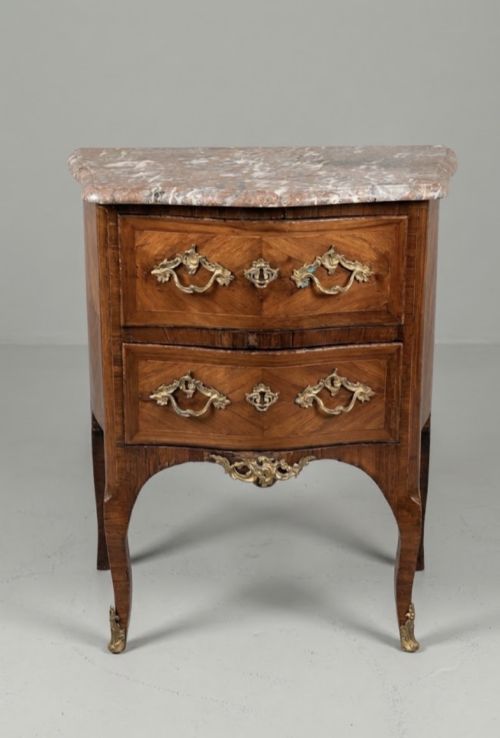
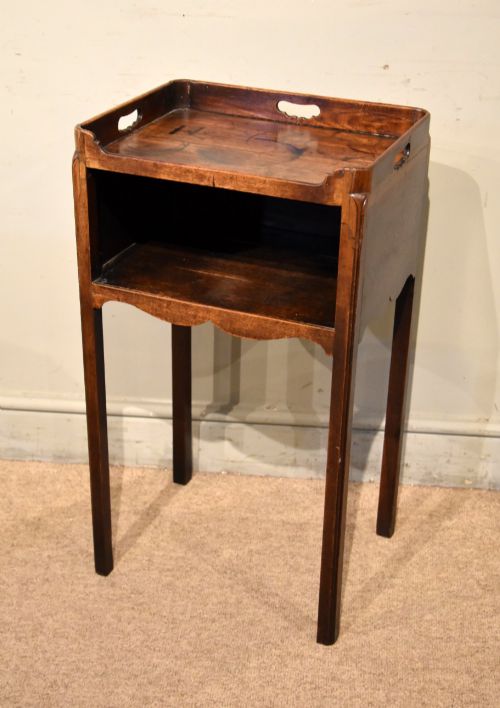
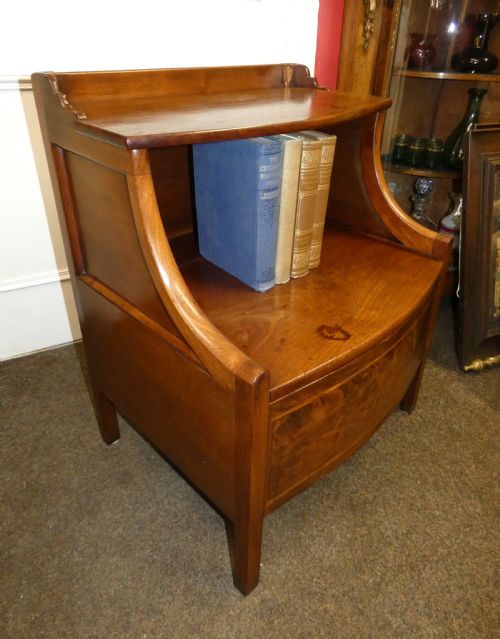
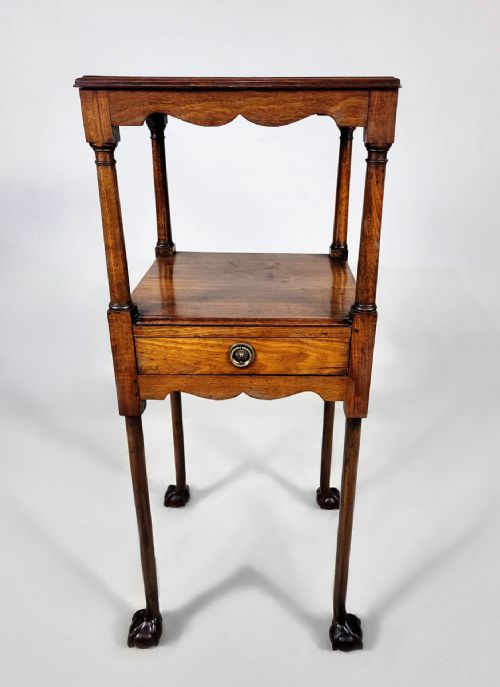
Antique Commode Nightstand
These antique commode nightstands combine practical bedside storage with the polished presence of Georgian, Victorian and continental cabinet-making.
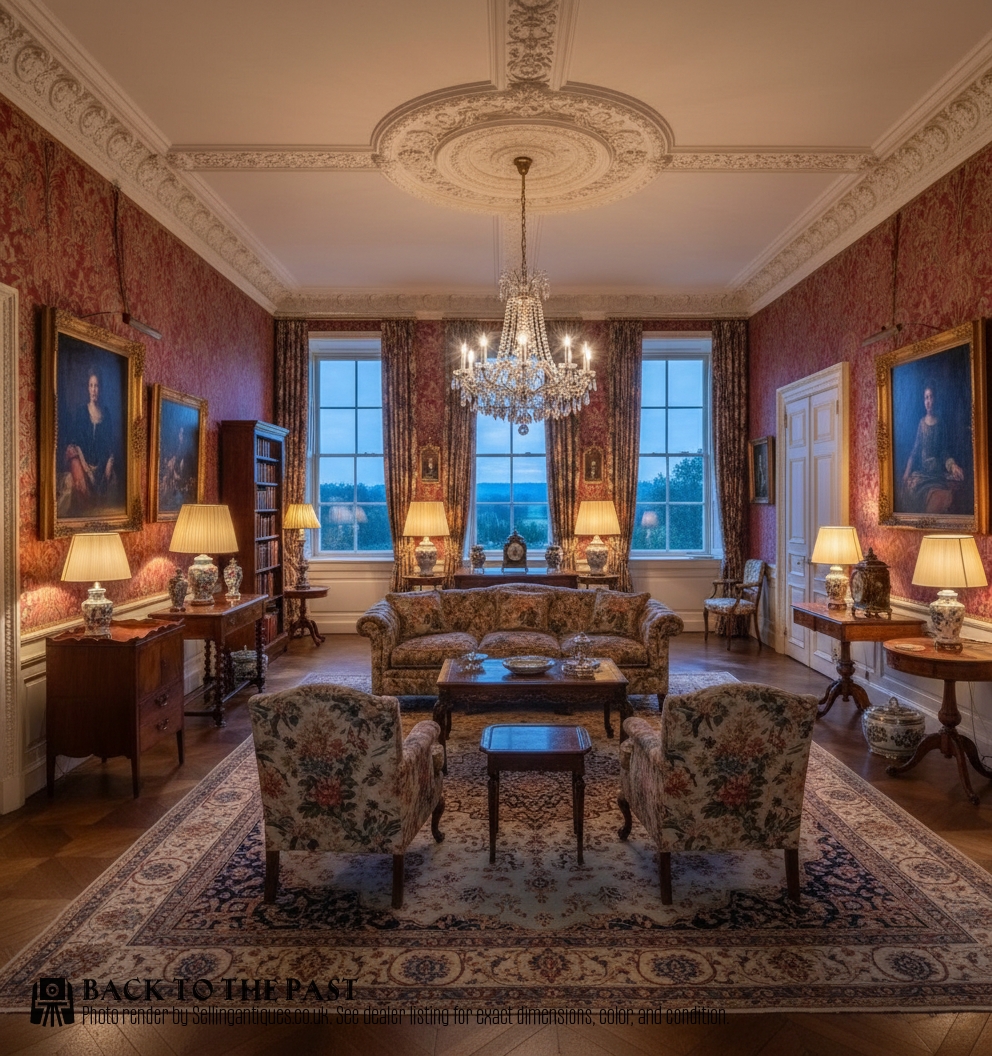
Antique Commode Nightstand
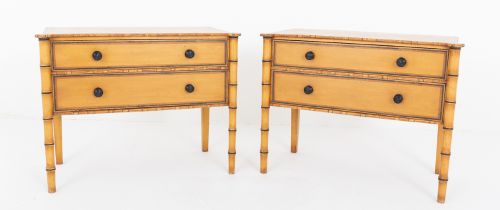
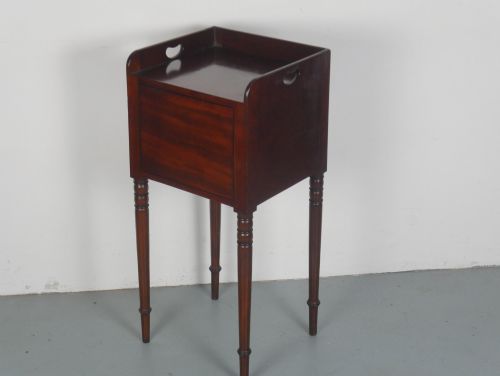
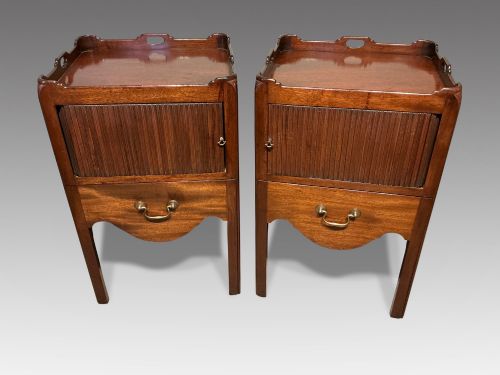
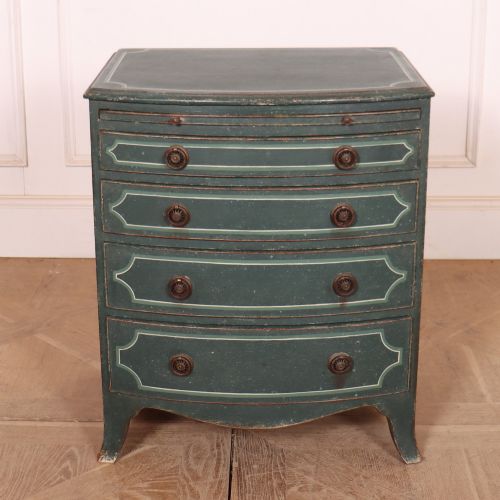
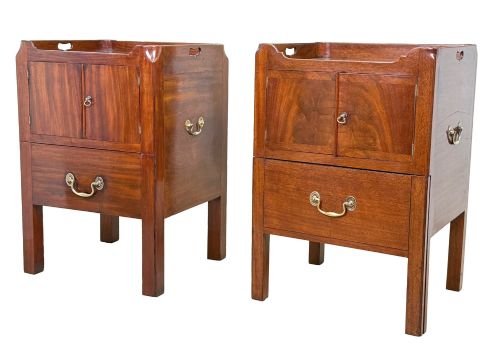
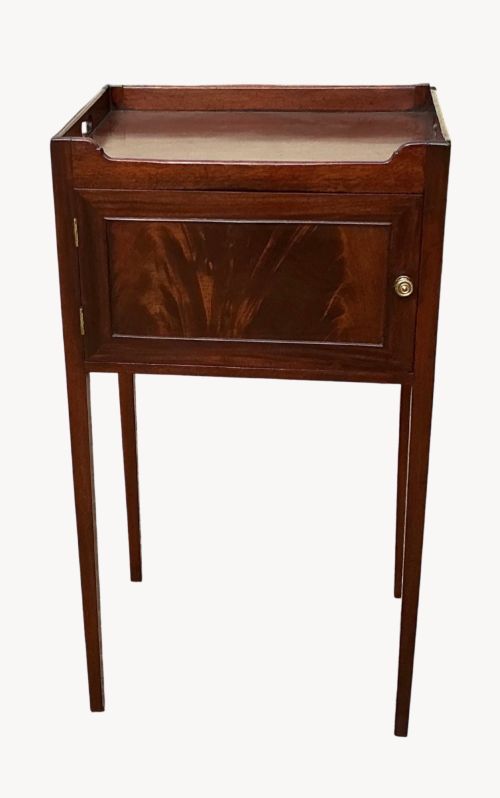
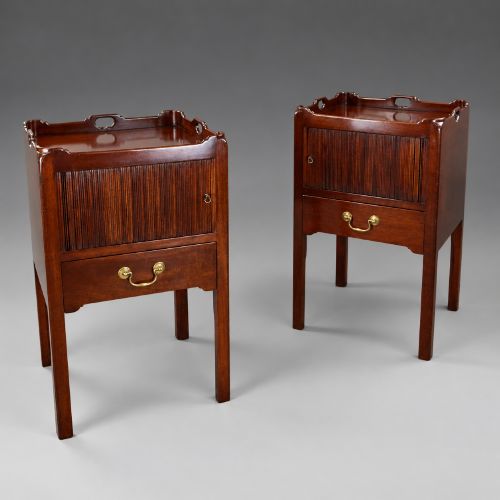
When searching for an antique commode nightstand, buyers encounter a diverse selection of bedside tables, cabinets, cupboards and small chests of drawers spanning the eighteenth to the twentieth centuries. The listings range from sturdy Georgian mahogany tray top commodes and close stools to French Louis XV style marquetry cabinets, walnut side lockers and painted Victorian pieces.
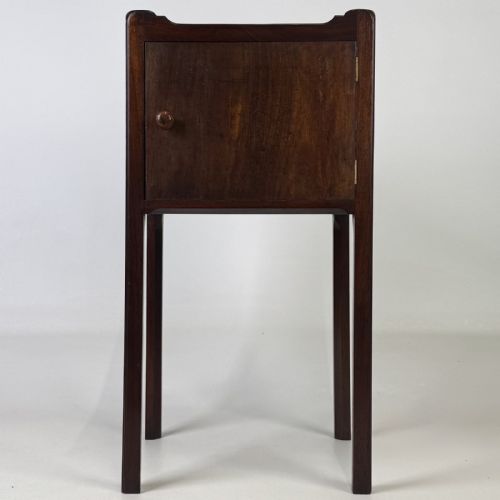
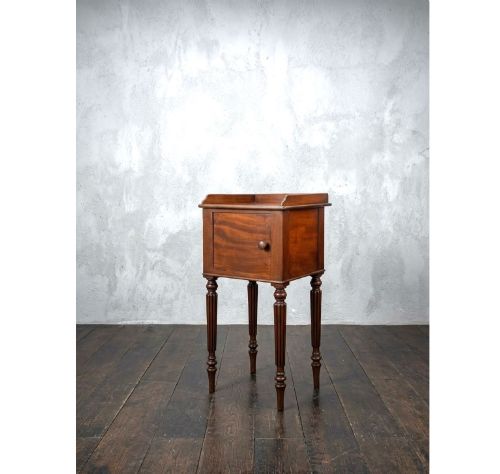
The most common forms on this page are compact bedside cupboards and small chests designed to stand beside a bed, offering enclosed shelving or drawers. Pieces originate from British workshops, French ateliers and Scandinavian makers, reflecting changing domestic habits across several distinct historical periods.
How they were made
Cabinet-makers relied heavily on solid timbers and decorative veneers, shaping mahogany, walnut, burr walnut, oak, elm and kingwood over sturdy carcases. Grain patterns were carefully matched across drawer fronts and cupboard doors to create visual depth.
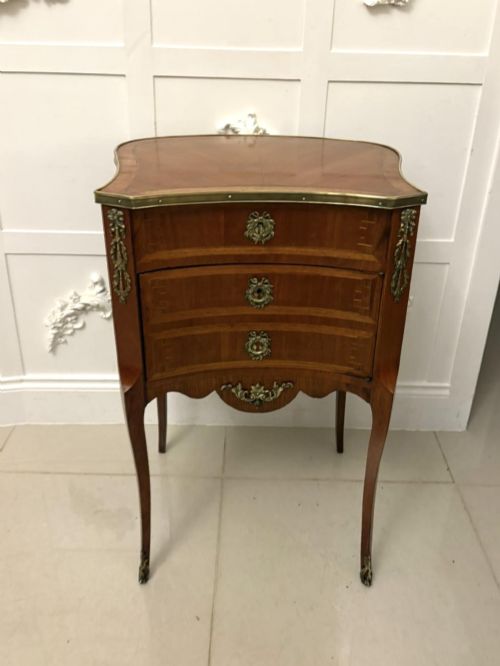
Surface ornamentation involved brass handles, ormolu mounts, intricate marquetry inlay and hand-painted details. Marble tops frequently finished French cabinets, providing a durable and smooth upper surface.
Antique Commode Nightstand Retail Price Guide 2026
Typical asking prices for commode nightstand among the pieces listed under this phrase on Sellingantiques today, from the lower quarter to the upper quarter. They describe what is for sale here now, not the wider market.
Materials span mahogany, walnut, burr walnut, oak, elm, kingwood, marble, brass and ormolu.
What varies in quality
The distinction between standard examples and finer pieces lies in the crispness of the timber selection and the precision of the joinery. Superior specimens display well-figured flame mahogany or richly patterned burr walnut with seamless veneer matching.
Execution of decorative elements sets apart the best work, from finely chased ormolu mounts and delicate marquetry to hand-carved mouldings and fitted interiors. Structural integrity in drawer linings and backboards further defines the upper tier of these items.
E. Kahn·Sormani
The Antique Commode Nightstand Glossary
- Commode
- A low cabinet or chest of drawers, often used historically as a bedside piece or enclosed washstand. The term covers various continental and British forms designed for discrete storage.
- Tray top
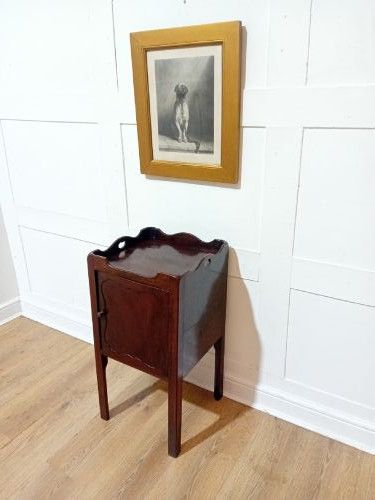
- A raised rim around the upper surface of a bedside table or cabinet, designed to prevent items from rolling off. This feature is frequently found on eighteenth-century mahogany examples.
- Marquetry
- Decorative veneer work arranged in pictorial or geometric patterns using various coloured woods. It appears frequently on French style cabinets from the nineteenth and twentieth centuries.
- Ormolu
- Gilded bronze mounts applied to furniture for decoration, popular in French cabinet-making. These metal accents highlight corners, aprons and drawer surrounds.
- Close stool
- A piece of furniture enclosing a commode pot or pan, often disguised as a small chest of drawers or cupboard. Eighteenth-century versions in oak and elm adapted this domestic utility into refined cabinet forms.
- Bombe
- A swelling, convex curved shape typical of continental furniture fronts and sides. This exuberant profile requires advanced woodworking skill to construct accurately from solid wood or veneers.
Antique Commode Nightstand: Frequently Asked Questions
What is an antique commode nightstand used for?
These pieces served as bedside storage for personal items, chamber pots or washing equipment in historical bedrooms. Today they function primarily as compact bedside tables or lamp tables that conceal modern clutter.
Their enclosed cupboards and small drawers provide practical organisation beside contemporary beds while adding period character to a room.
How do I tell a Georgian nightstand from a French cabinet?
Georgian pieces typically feature straightforward mahogany or walnut construction with clean lines, straight legs and functional tray tops or cupboard doors. They prioritise architectural restraint and timber figure.
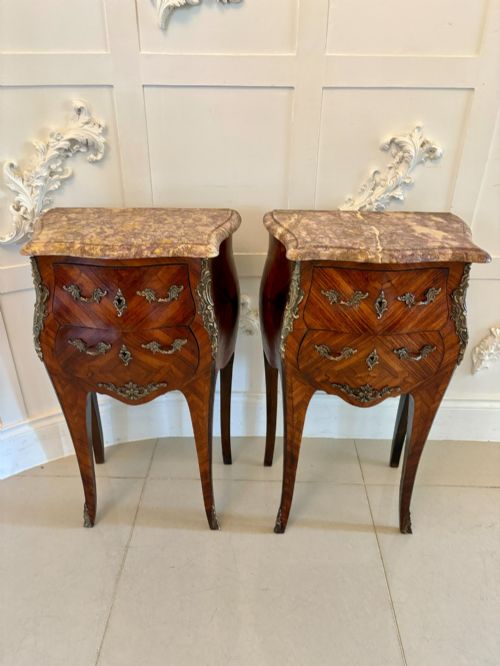
French cabinets from the nineteenth and twentieth centuries often display curvaceous bombe profiles, marble tops, ormolu mounts and elaborate marquetry or lacquered finishes.
Are pairs common for these bedside tables?
Matched pairs appear regularly among twentieth-century continental pieces and eighteenth-century British designs. Cabinet-makers frequently produced bedside furniture in sets to flank larger beds.
Finding a true pair offers symmetrical balance for a master bedroom layout, though individual cabinets also stand effectively alone as occasional tables.
How do I care for a marble-topped bedside cabinet?
Marble surfaces require gentle cleaning with mild, pH-neutral soap and water to preserve the stone polish. Avoid acidic liquids like citrus or vinegar that can etch polished marble.
Treat the wooden carcase below with standard furniture wax according to the timber type, keeping the piece away from direct heat sources.