

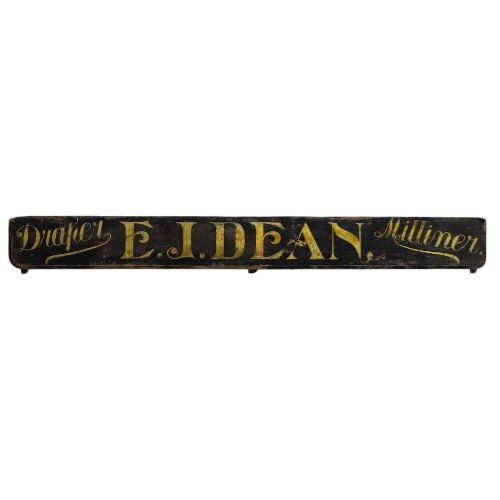
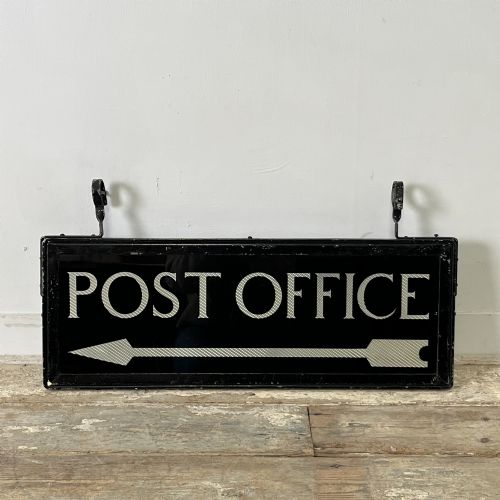
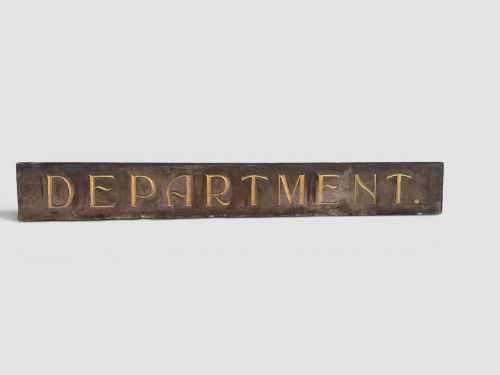
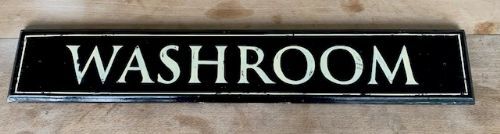

Antique Commercial Signage
Antique commercial signage brings industrial character into modern spaces with original metal, wood, and gold leaf letterforms.
Identifying Antique Commercial Signage
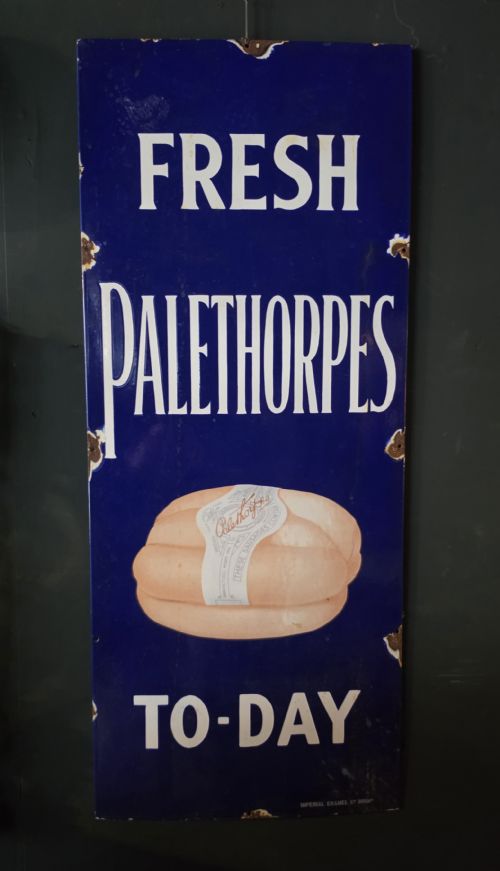
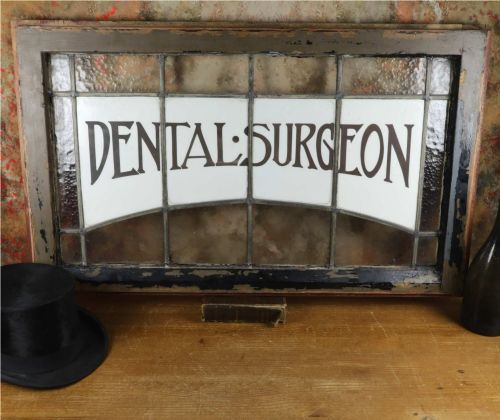
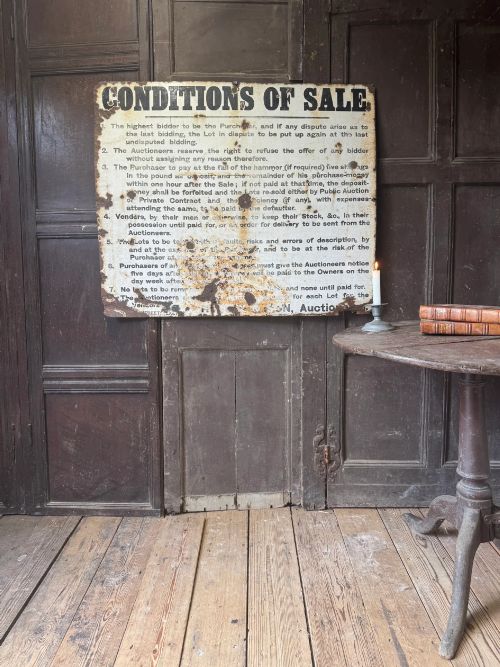
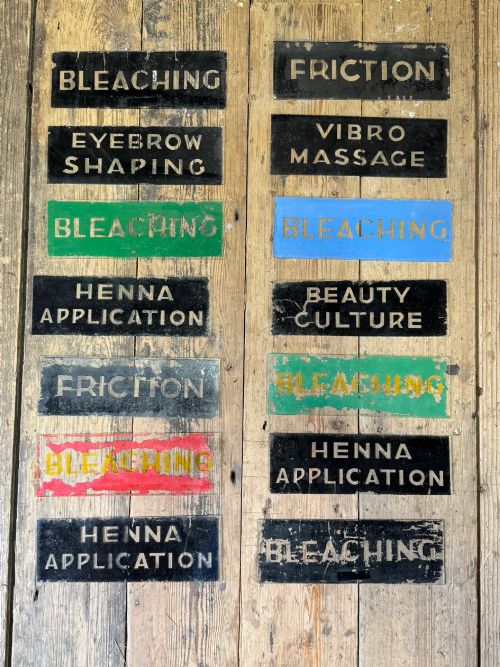
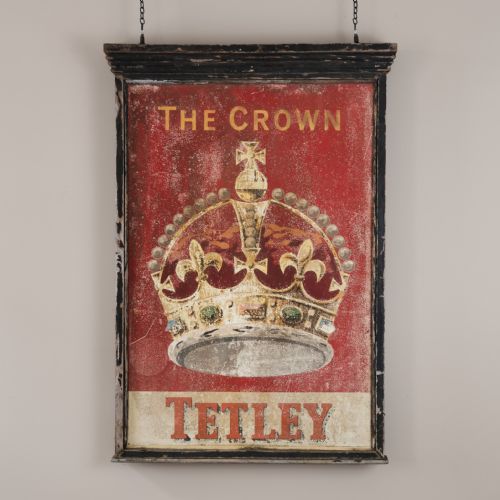
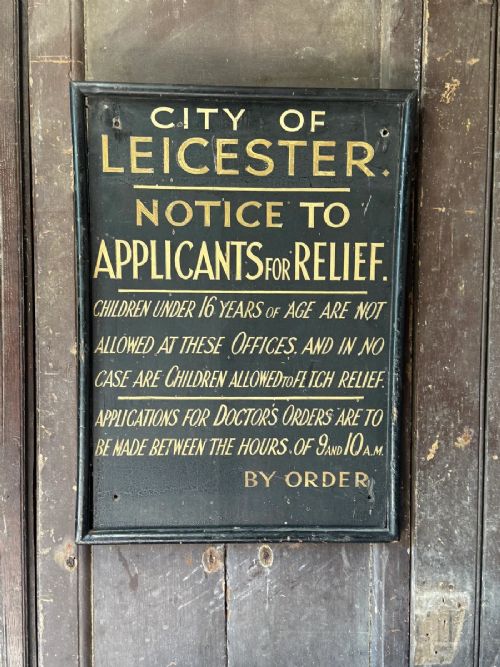
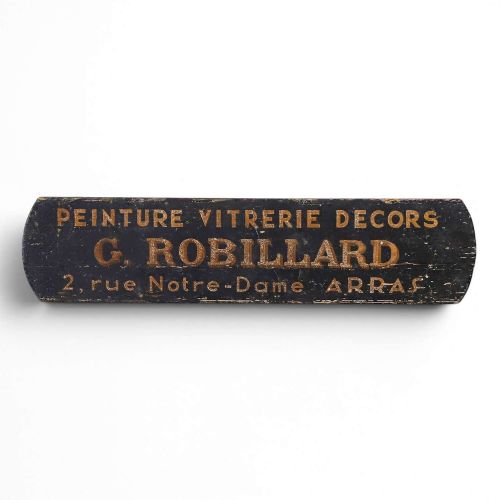
When searching for antique commercial signage, buyers encounter a robust mix of functional pieces designed for public trade and business display. The items available include standing signs, wall signs, trade signage, and advertising signs spanning the Victorian era through the early twentieth century.
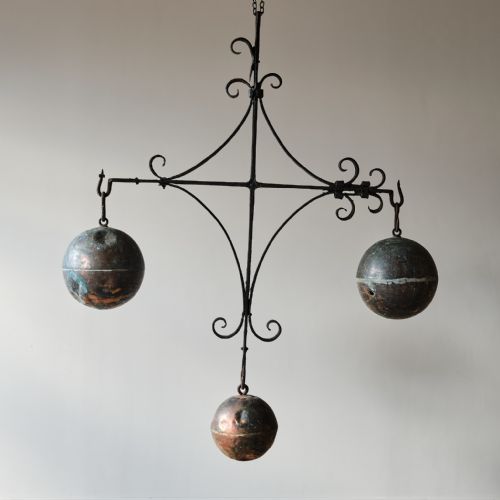
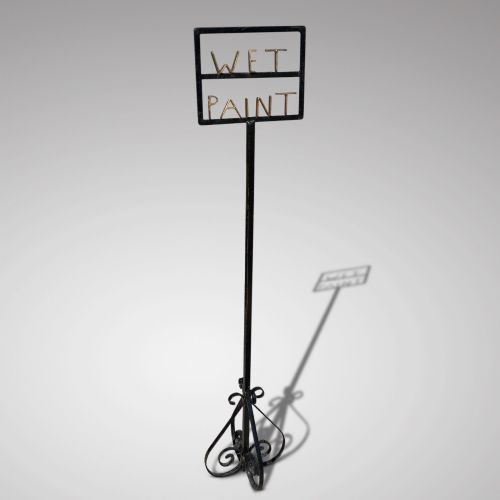
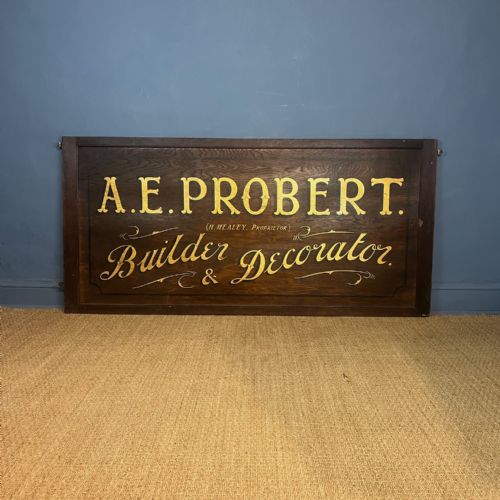
The selection here encompasses specific formats such as wrought iron wet paint signs, large decorators signs from the Edwardian period, nineteenth-century advertising cart sides, and metal shop signs rooted in Edwardian folk art. These survivors of commerce reflect the everyday visual language of past trades.
Victorian examples sit alongside pieces from nineteen hundred, nineteen ten, and nineteen thirty, charting the evolution of public advertising. Each object retains the distinct material presence of its original working environment.
Materials and Construction
Maker construction methods rely on durable commercial materials suited to exterior and interior trade use. Artisans worked with wrought iron, brass, oak, wood, iron, and general metal substrates to ensure longevity against the elements.
Surfaces received specialised treatments including hand-applied paint and gleaming gold leaf lettering. These foundational materials combine to create the weathered patinas characteristic of authentic trade signs.
Retail Price Guide 2026
Typical UK retail prices for commercial signage, calculated from the Sellingantiques database of over a million retail prices indexed since 2003. This retail price guide relies exclusively on Sellingantiques data; no external sources or auction records are used, so the figures do not describe the wider market.
Current listings span the Victorian era, 1900, 1910, and 1930, utilising paint, wrought iron, brass, oak, gold leaf, and wood.
Assessing Quality and Authenticity
Quality in antique commercial signage rests upon the integrity of the original materials and the directness of the lettering. Pieces featuring untouched paint and authentic gold leaf demonstrate superior visual depth compared to later re-paintings.
The balance between structural integrity in the metalwork or timber and the weathered charm of the surface dictates the standing of a piece. Superior examples retain their original mounting hardware and uncompromised structural frames from their working era.
The Antique Commercial Signage Glossary
- Wrought iron
- A tough, malleable form of iron easily beaten or bent into decorative and structural shapes. It forms the rigid frames and hanging brackets for many heavy trade signs.
- Gold leaf
- Gold beaten into extremely thin sheets and applied to surfaces for gilding. It catches the light effectively on exterior advertising to attract passing trade.
- Folk art
- Utilitarian objects created by self-taught or local makers without formal academic training. This tradition is evident in the unpretentious lettering of rural shop signs.
- Cart sides
- Painted wooden panels affixed to the flanks of trading vehicles for mobile publicity. They represent a specialised subset of commercial transit advertising.
Frequently Asked Questions
How were trade signs displayed?
Commercial signs hung outside shops, mounted to interior walls, or stood independently to attract custom from the street. They positioned tradesmen directly within the view of the pedestrian public.
Transit versions served a mobile function on the sides of delivery carts and trading vehicles. This dual approach ensured maximum visibility for merchants.
How do I date an old sign?
Dating relies on material analysis, lettering styles, and construction techniques specific to periods like the Victorian era or the nineteen tens. Changes in typography and metalworking methods provide reliable chronological markers.
Examining the substrate woods and ironwork further narrows the manufacturing window. Comparative study of known trade catalogues helps anchor exact decades.
Can these signs go outdoors?
Most antique signs were originally built for exterior use using robust metals and weatherproof paint. However, modern environmental extremes can accelerate the degradation of fragile historic surfaces.
Protecting them from prolonged heavy moisture preserves the remaining gold leaf and original pigment. Many collectors prefer indoor placement to halt further weathering.
What defines Edwardian folk art signs?
Edwardian folk art signs display a charming lack of industrial uniformity in their lettering and composition. Local signwriters executed these pieces by hand with distinct regional quirks.
This aesthetic separates them from mass-produced modern signage. They offer a direct window into early twentieth-century vernacular visual culture.