



Antique Coloured Stemware
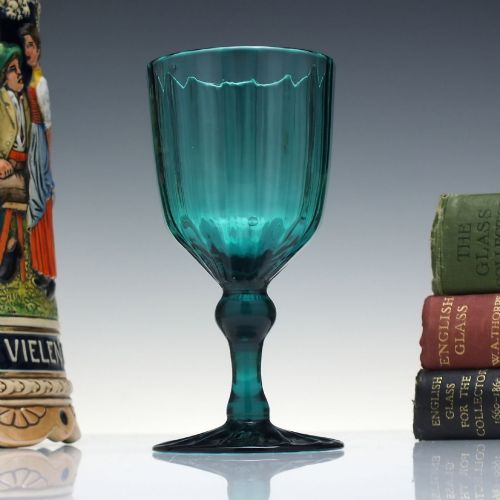
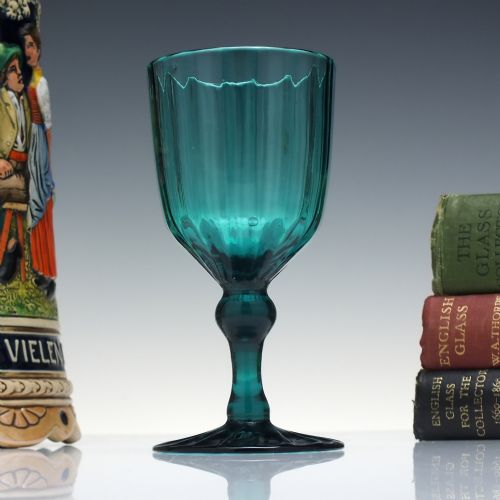
Antique coloured stemware brings richly tinted glass to the table, offering vibrant hues from deep emerald and peacock blue to cranberry.
Antique Coloured Stemware
When searching for antique coloured stemware, buyers encounter drinking vessels fashioned from tinted lead glass and crystal across several centuries. These pieces encompass wine glasses, champagne coupes, dram glasses, and cordials intended for formal dining and social gatherings.
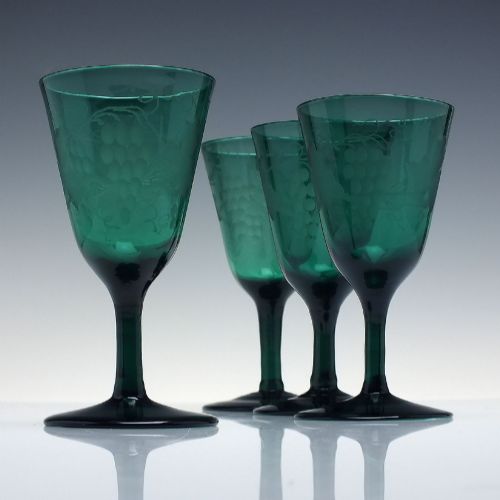
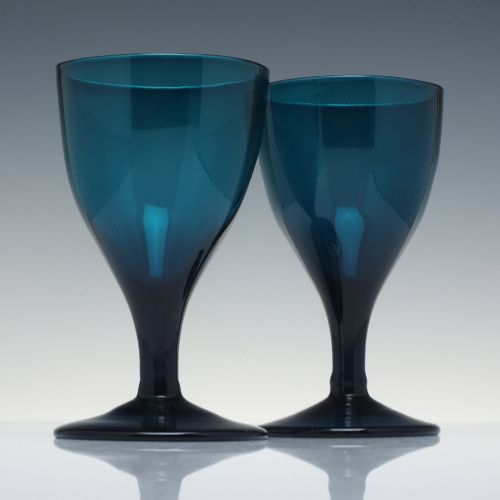
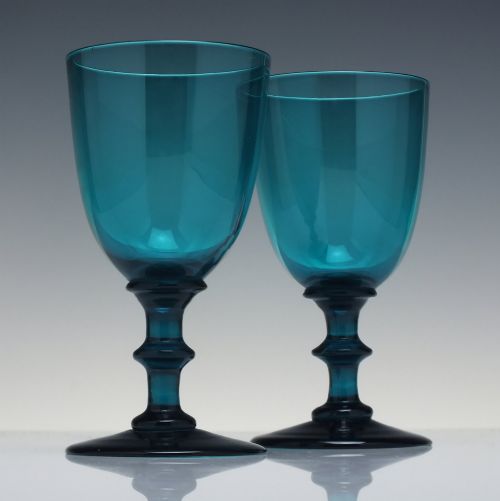
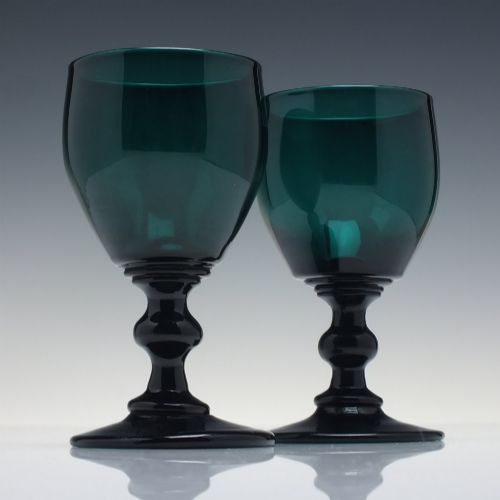
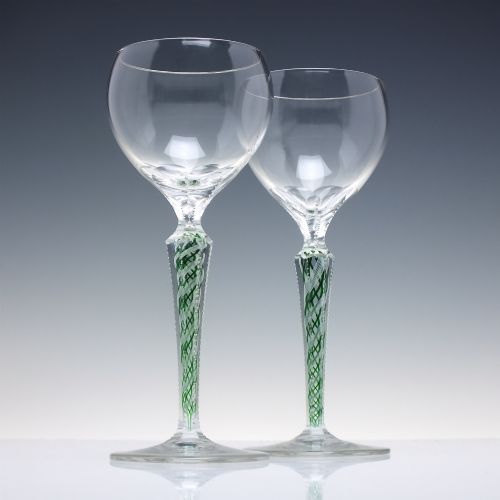
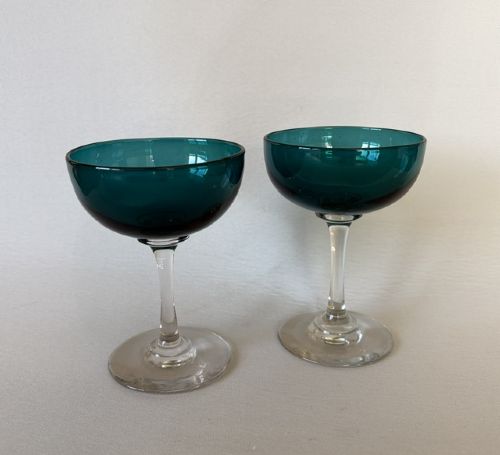
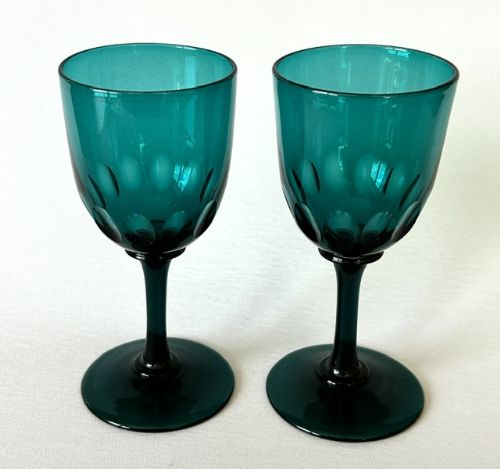
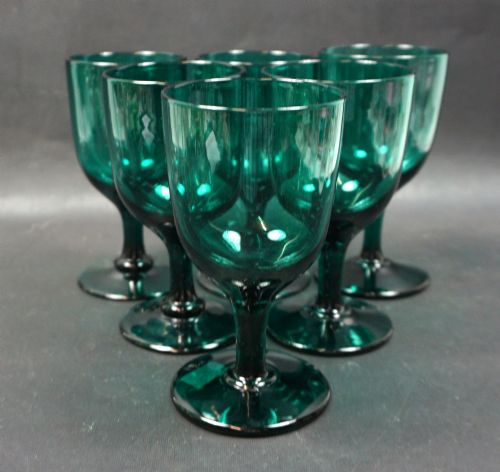
The selection on this page leans heavily toward Georgian and Victorian examples, featuring distinct shades such as peacock blue, emerald green, and cranberry. Forms range from single goblets to matched sets of six or more drinking glasses.
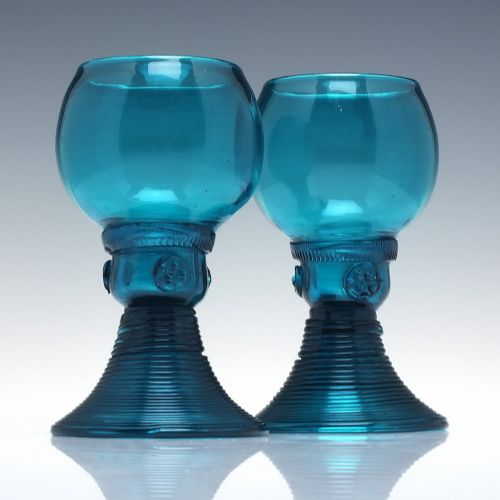
Origins span English production centres, including Bristol, alongside continental output such as Venetian revival pieces. Buyers find both engraved vessels from the eighteenth century and blown glass styles stretching into the Edwardian era.
Distinctions in craftsmanship and form
Quality rests upon the depth and saturation of the glass colour, alongside the crispness of any wheel engraving or facet cutting. Pieces with well-proportioned bowls and balanced stems demonstrate superior execution.
Consistency across a matched set elevates a group of drinking glasses above disparate single items. The presence of pontil marks and subtle irregularities in hand-blown glass indicate earlier production methods.
Antique Coloured Stemware Retail Price Guide 2026
Typical asking prices for coloured stemware among the pieces listed under this phrase on Sellingantiques today, from the lower quarter to the upper quarter. They describe what is for sale here now, not the wider market.
Early glassmakers occasionally used gold to turn plain batches into rich cranberry.
The Antique Coloured Stemware Glossary
- Stemware
- Drinking vessels raised on a stem above a foot. This category covers wine glasses, cordials, and champagne coupes.
- Cranberry glass
- A transparent pinkish-red glass produced by adding gold chloride to the molten batch. It appears frequently in Victorian table sets.
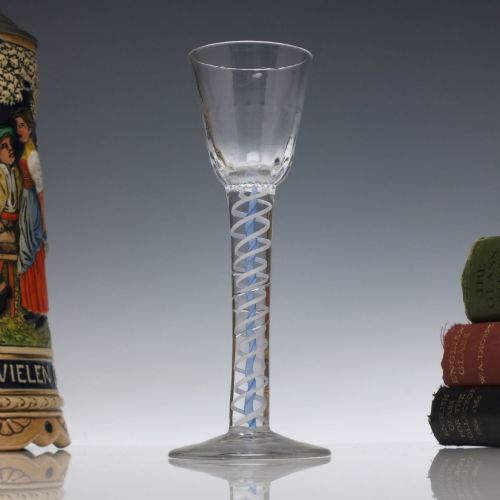
- Colour twist
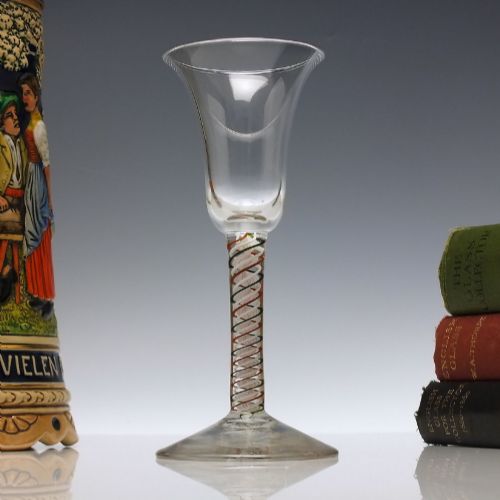
- A stem containing opaque or transparent coloured threads twisted within the clear glass rod. It is characteristic of eighteenth-century drinking vessels.
- Rib moulded
- Glass shaped by being blown into a patterned metal or wooden mould with vertical ribs. This technique creates a textured surface on the bowl.
- Pontil mark
- A rough scar left on the base of a vessel where the pontil rod was snapped off after blowing. Its presence confirms traditional hand-making methods.
Antique Coloured Stemware: Frequently Asked Questions
How do I clean antique coloured stemware?
Wash these pieces by hand in warm water using a mild liquid detergent. Avoid placing them in dishwashers, as harsh chemicals and high heat can damage the historic glass.
Dry each glass immediately with a soft linen cloth to prevent water spots. Store them upright on a stable shelf rather than resting them on their rims.
Can I use these glasses for daily dining?
These drinking vessels can be used for special meals and quiet dinners alike. Take care when setting them down on hard surfaces, as older glass can be fragile.
Hand-blown stemware requires gentle handling during use and washing. Keeping them out of modern automated kitchen appliances preserves their finish.
What periods do these glasses come from?
The available pieces span the Georgian, Victorian, and Edwardian eras. Eighteenth-century examples often feature twist stems and engraved details.
Victorian and Edwardian items frequently showcase rich cranberry hues and matched set formations. Regency and Venetian revival styles also appear across the selection.
How are different glass colours created?
Tints are achieved by adding specific metallic oxides to the molten glass mixture during production. Copper and iron oxides generate various shades of green and blue.
Gold compounds produce the characteristic pink and red tones seen in cranberry glass. These agents distribute colour evenly throughout the body of the vessel.