




Antique Coloured Lithographs
Antique coloured lithographs bring historic scenes, animals and portraits to walls with ink and pigment applied over stone.
Antique Coloured Lithographs
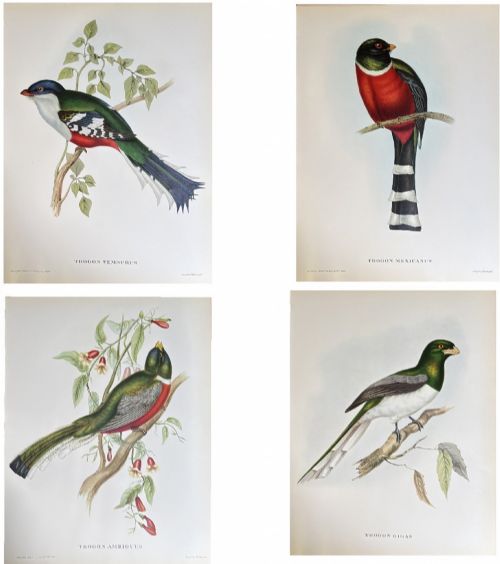
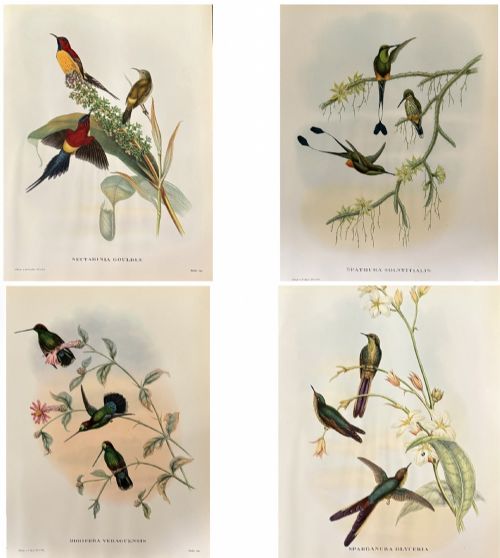
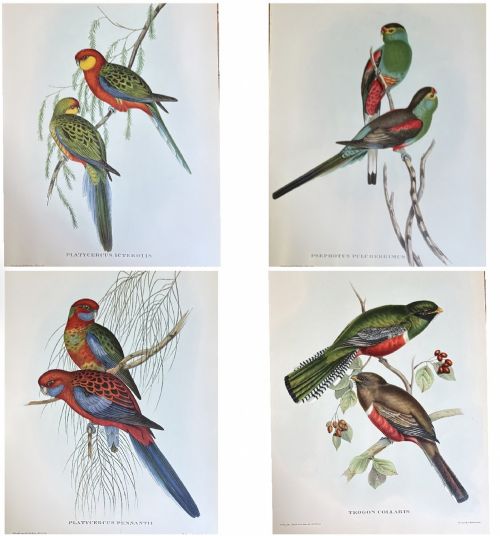
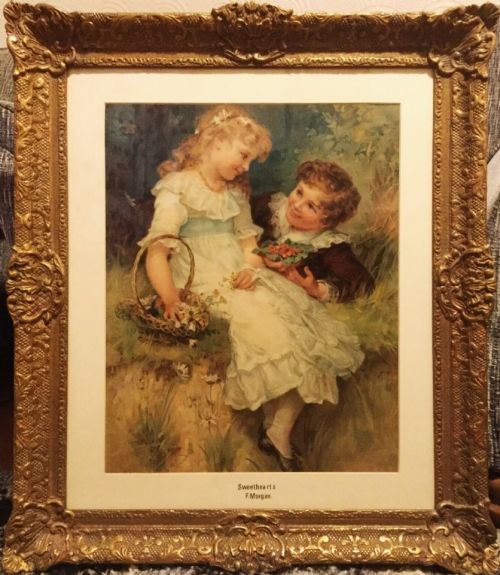
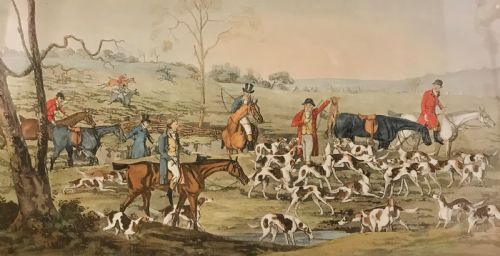
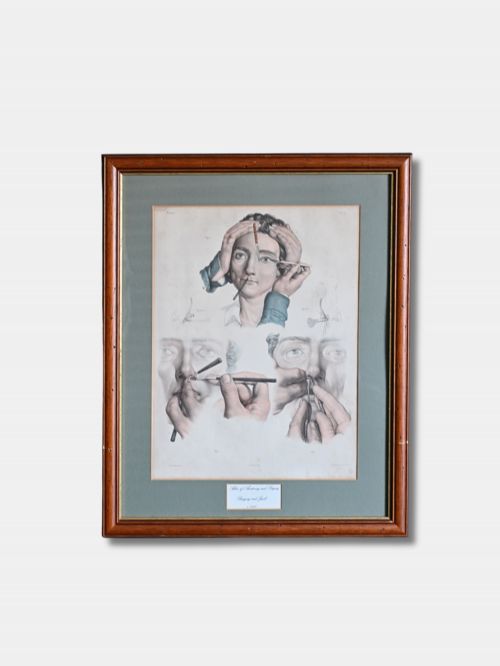
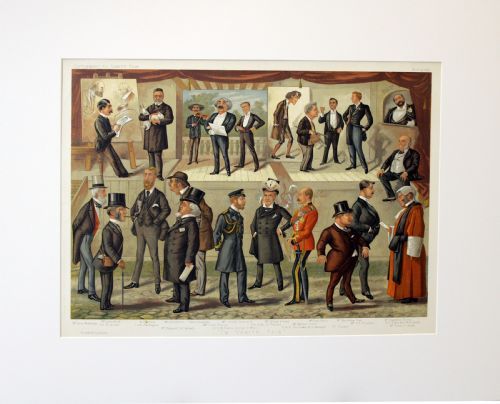
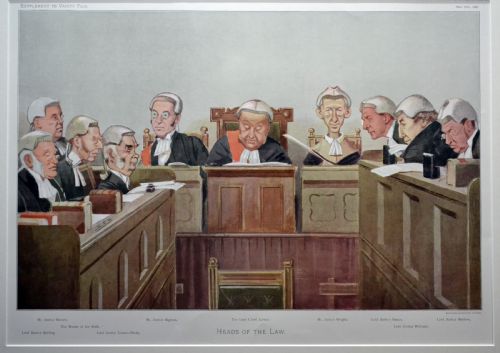
When buyers search for antique coloured lithographs, they look at framed prints, wall art and prints on paper spanning the eighteenth century to the mid twentieth century. The selections here include natural history studies, sporting scenes, portraits and satirical magazine plates.
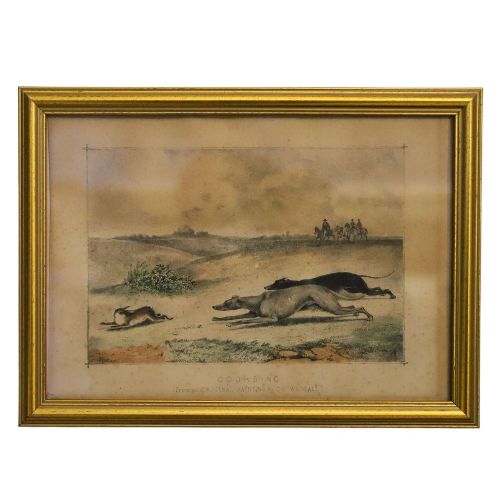
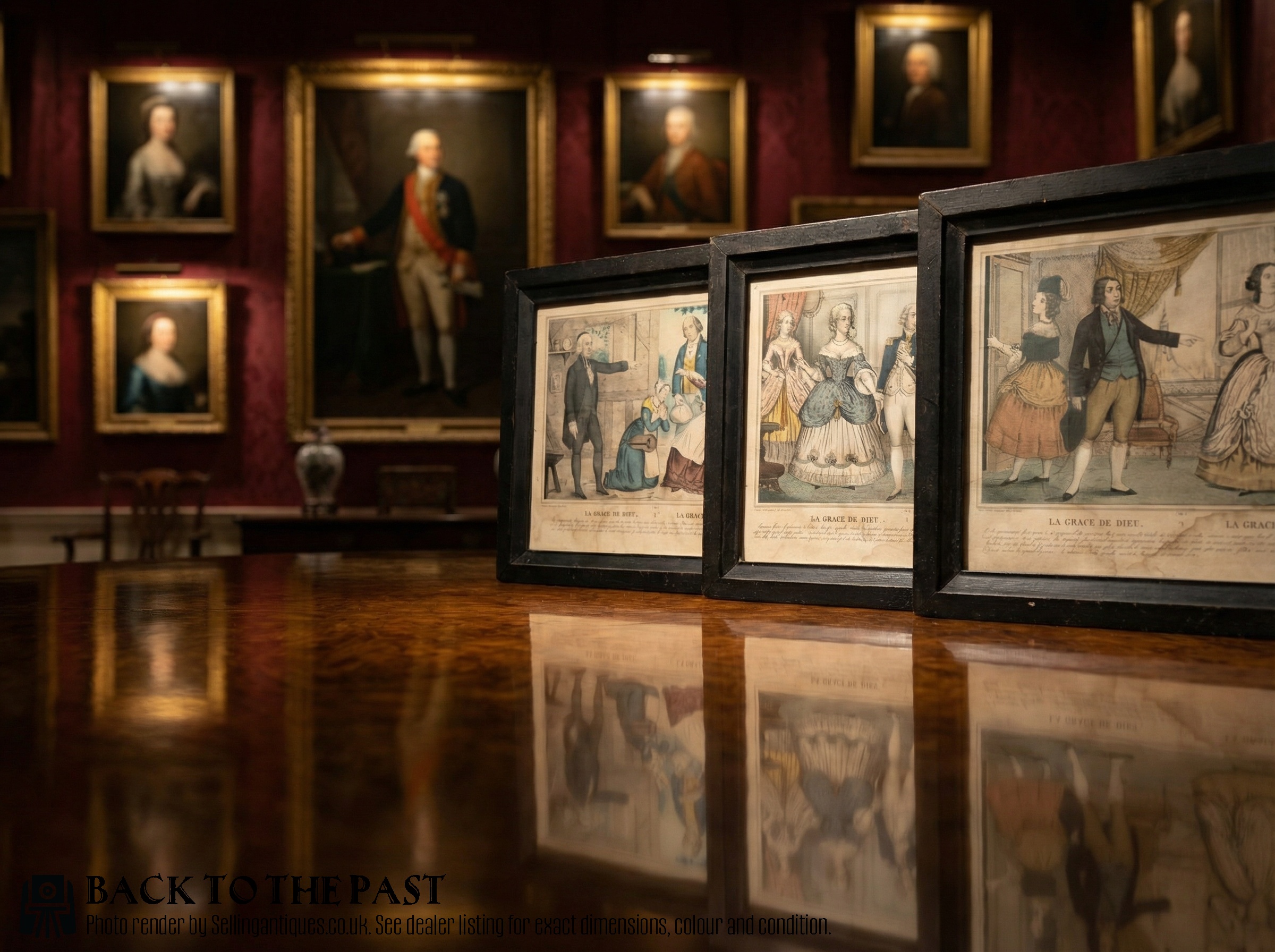
Victorian examples and mid-century print sets dominate the selection, often depicting birds, domestic animals or theatrical subjects. Buyers find both individual sheets and grouped sets ready for hanging.
The range encompasses French and British subjects, capturing subjects from medical procedures to dramatic landscapes and political satire. Many pieces retain their original frames in wood or gilt wood.
Production Methods
Makers utilised flat stone plates to draw images with greasy crayons before applying ink to paper. Artisans frequently added colour by hand using watercolour or applied chromatic layers during printing to create chromolithographs.
Materials comprise paper sheets housed behind glass within wooden, gilt wood or gilded wood frames. Some plates feature additional highlights in gold leaf.
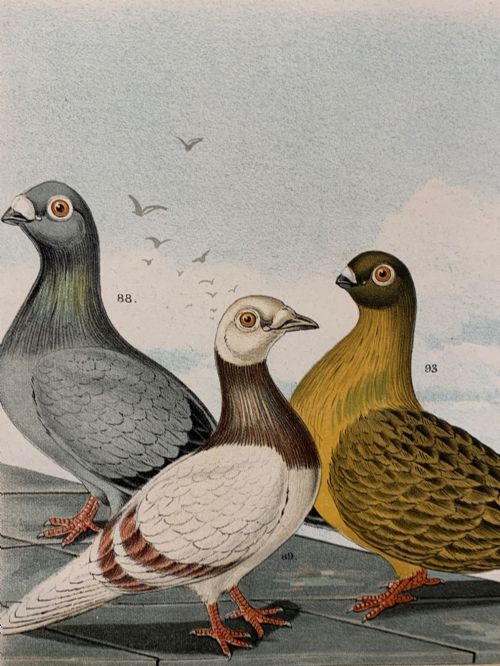
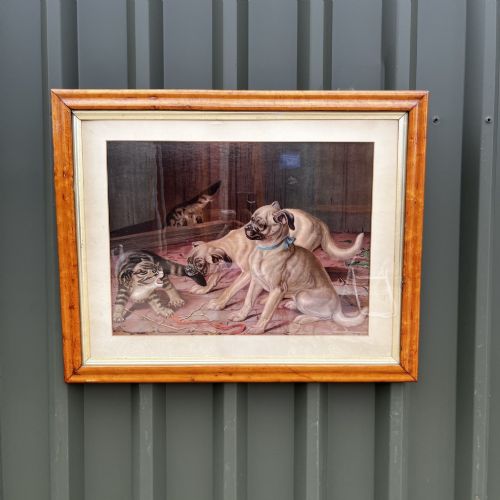
Pugs, cats, pigeons and theatrical melodramas share wall space with stern judges and tropical birds.
Assessing Quality
The precision of the initial ink impression and the subtlety of the applied pigment distinguish superior examples from plain ones. Vibrant hand-colouring or careful chromolithographic registration elevates a plate.
The condition of the paper and the integrity of the original framing materials dictate desirability. Prints retaining strong, unfaded tones command greater appreciation.
C. H. Weigall·Horatio Henry Couldrey·David Roberts·William Powell Frith·Thomas Worth
The Antique Coloured Lithographs Glossary
- Lithography
- A planographic printing process based on the mutual repulsion of oil and water. Artists draw on limestone blocks to transfer ink onto paper.
- Chromolithography
- A colour lithographic technique using multiple stones, one for each colour applied. This method allowed rich hues to populate the printed sheet.
- Watercolour
- A paint medium consisting of water-soluble pigments used by artists to tint monochrome prints by hand. It adds depth and individual character to each sheet.
- Gilt Wood
- Timber frames coated with a thin layer of gold leaf or metallic gilt. These frames provide period context to nineteenth-century prints.
Antique Coloured Lithographs: Frequently Asked Questions
How do I hang antique lithographs safely?
Keep prints away from direct sunlight to prevent the watercolour tints and ink from fading over time. Ensure the wall environment maintains a stable humidity level to protect the paper.
Use professional framing hooks suited to the weight of the wood and glass frame. Hang them at eye level for optimal viewing.
What is a chromolithograph?
A chromolithograph uses multiple stone plates to build up a full-colour image through successive print runs. Each stone applies a different coloured ink to the paper.
This technique became popular in the nineteenth century for producing vibrant reproductions and periodical inserts. It differs from monochrome prints that received later hand-colouring.
Are these prints originals from the period?
The listings comprise original nineteenth and twentieth-century print runs rather than modern digital reproductions. Each piece originates from the stated era, such as the Victorian period or the 1850s.
Paper stock, ink types and printing characteristics confirm their period manufacture. Many bear contemporary publication details or artist signatures.
How should I clean the glass on framed prints?
Apply standard glass cleaner to a cloth rather than spraying the liquid directly onto the frame. This prevents moisture from seeping under the glass edge and damaging the paper.
Wipe the surface gently and avoid pressing down on the sheet beneath. Check that the frame seal remains secure during the process.