

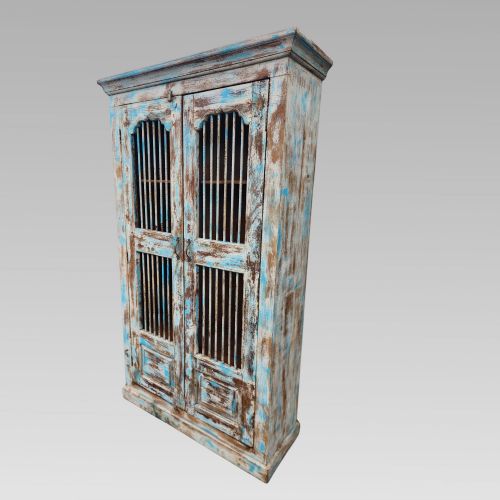

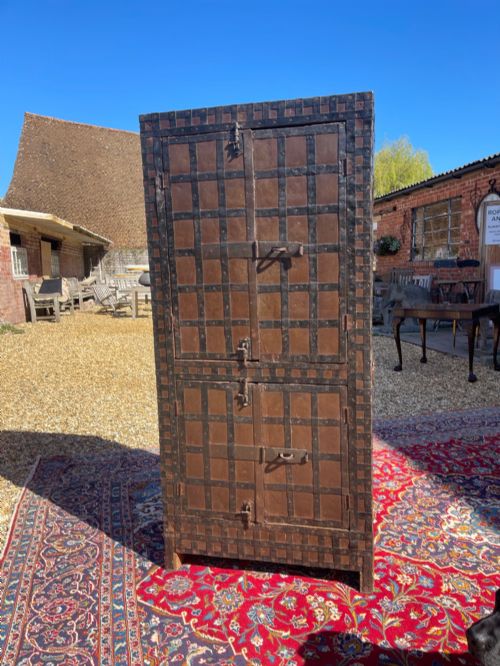


Antique Colonial Cabinet
An antique colonial cabinet brings rich timbers and distinct regional craftsmanship from distant trading posts directly into a modern interior.
Antique Colonial Cabinet
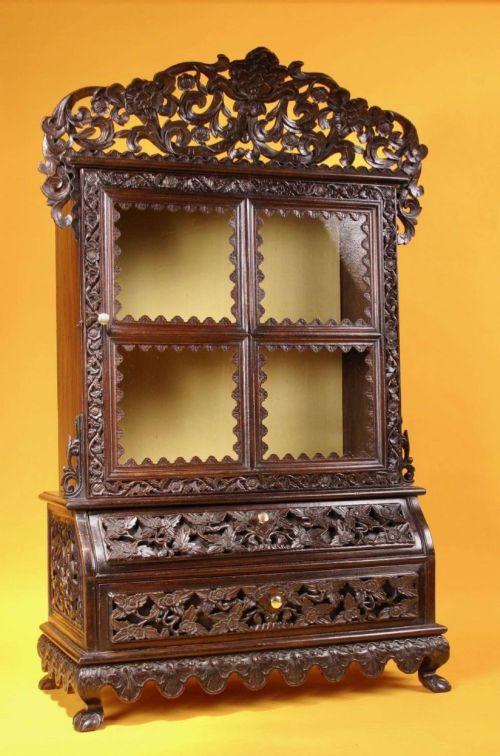
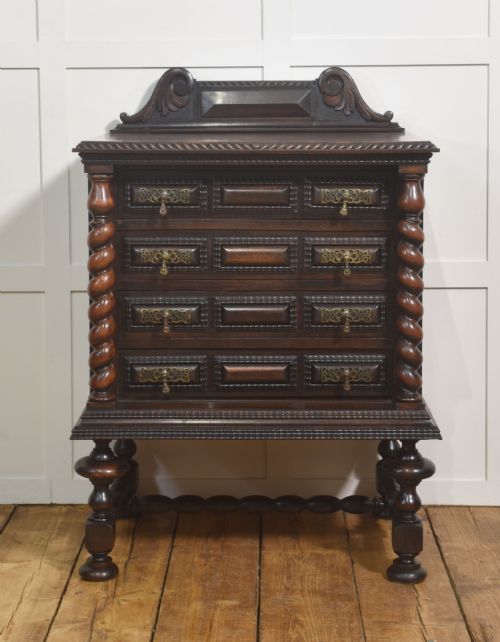
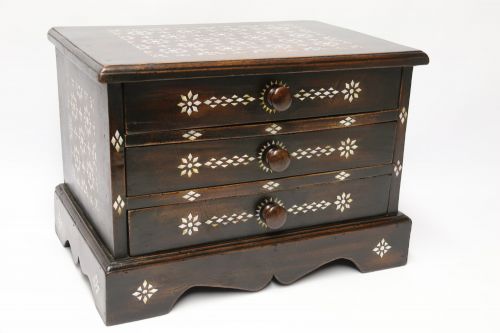
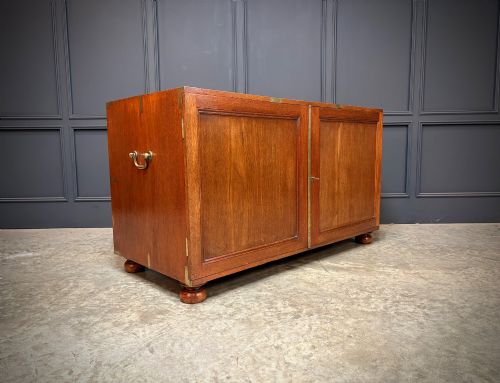
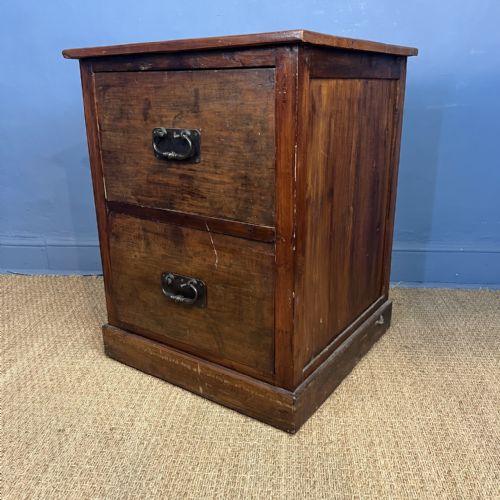
When searching for an antique colonial cabinet, collectors encounter a diverse group of storage furniture reflecting European forms constructed in distant colonies and trading hubs. The pieces on this page span from the seventeenth century through to the early twentieth century, showing global influences from British, Dutch, Spanish and Portuguese governance.
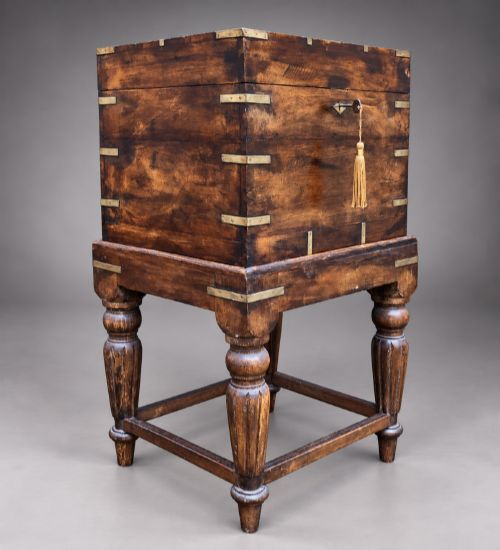
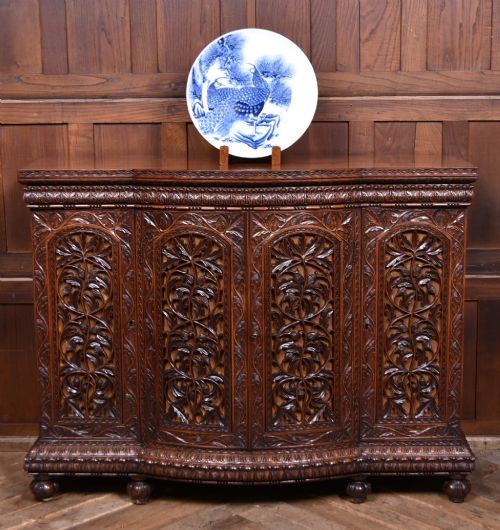
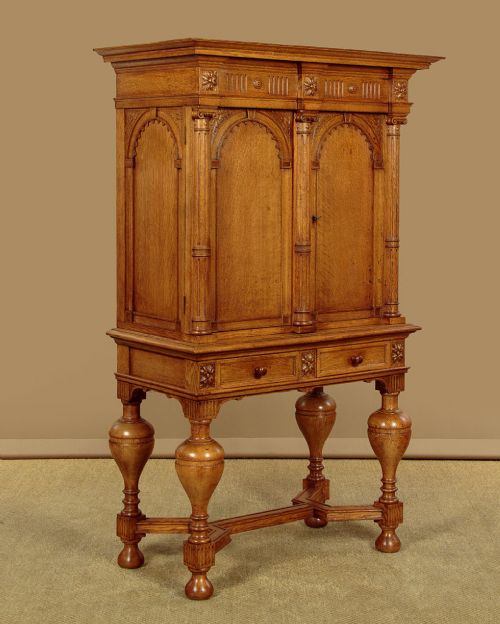
The most common examples met here are Anglo-Indian creations, alongside Dutch colonial, Portuguese colonial and Spanish pieces. Forms range from sideboards and side cabinets to chests on stands, cellarettes, bookcases and linen cupboards.
These items served practical domestic and administrative roles for merchants and officials abroad. Today they function as striking focal points in hallways, living rooms and dining spaces.
Materials and construction methods
Craftsmen utilised dense, durable timbers native to tropical regions, most notably teak, padouk wood, rosewood and hardwood. These woods resisted local climates and provided a stable foundation for intricate hand carving.
Metal components played a structural and decorative role, with brass fittings, iron reinforcement and metal banding securing corners and doors. Glass panels appear on display variants, while inlay work and polychrome finishes enrich surfaces on specific regional types.
The inventory here ranges from seventeenth-century Spanish varguenos to early twentieth-century filing cabinets, all rendered in materials like teak, padouk, rosewood and walnut.
Assessing quality in regional furniture
The standard of a piece depends heavily on the crispness and depth of the hand carving, particularly on Anglo-Indian and Burmese items where botanical and figural motifs cover the surfaces. Subtlety of proportions and the integration of secondary woods also distinguish higher grade examples from simpler utility furniture.
The integrity of the timber movement and the retention of original hardware, such as brass drop handles and hinges, separate superior survivals from heavily altered or restored items.
The Antique Colonial Cabinet Glossary
- Cellarette
- A lockable container used for storing wine and spirits bottles. These were often fitted with internal partitions and raised on stands.
- Padouk wood
- A heavy, durable tropical hardwood with a reddish hue that darkens with age. It was favoured by colonial cabinetmakers for its stability and resistance to insects.
- Vargueno
- A traditional Spanish cabinet with a drop-front writing surface concealing numerous small drawers and compartments. They typically rest upon a dedicated wooden stand.
- Campaign furniture
- Modular pieces built for easy dismantling and transport by military officers on the move. They frequently feature brass corners and recessed carrying handles.
- Bureau desk
- A writing desk featuring a sloping hinged lid that opens to reveal a fitted interior of pigeonholes and small drawers.
Antique Colonial Cabinet: Frequently Asked Questions
How do I care for a tropical hardwood cabinet?
Keep the timber away from direct heat sources and sudden humidity shifts to prevent splitting. Apply a microcrystalline wax periodically to nourish the grain and protect the finish.
Dust regularly with a soft, dry cloth rather than using silicone-based sprays. This preserves the patina built up over centuries of handling.
Where should I place an antique colonial cabinet?
These substantial pieces anchor a room well when given adequate wall space. Sideboards and side cabinets suit dining areas or spacious hallways.
Smaller tabletop versions, cellarettes and desktop smokers cabinets sit comfortably on sturdy side tables or desks. Ensure the floor level is even to prevent warping the frame.
How do I distinguish regional colonial styles?
Anglo-Indian pieces often display dense floral carving and use padouk or teak. Dutch colonial furniture tends to feature heavy mouldings and disciplined structural lines.
Spanish and Portuguese examples frequently incorporate intricate drop-front designs, tortoiseshell elements or religious iconography. Examining the secondary timbers inside drawers helps confirm regional origins.
Were these cabinets made for export or domestic use?
Many items were commissioned by European merchants, military officers and administrators stationed abroad. They combined familiar European forms with local materials and carving traditions.
Others remained within colonial households for storing household linens, documents and provisions. This dual heritage explains the wide variety of specialised forms found today.