





Antique Cocktail Accessories
These antique cocktail accessories bring the sharp geometry and playful novelty of the early twentieth century straight to a modern home bar.
Antique Cocktail Accessories
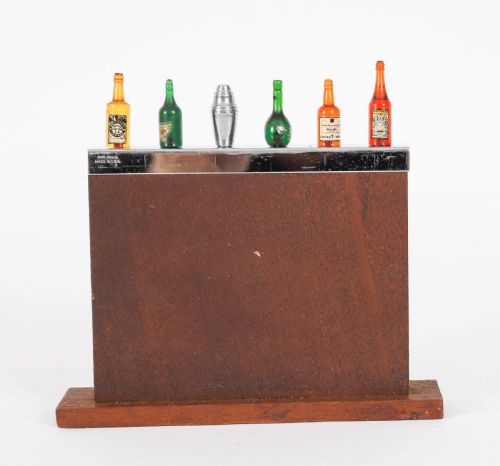
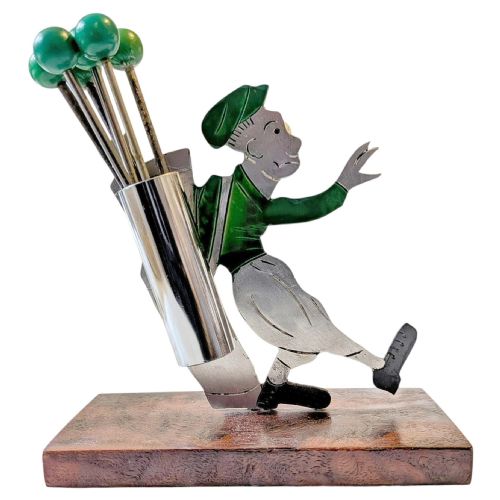
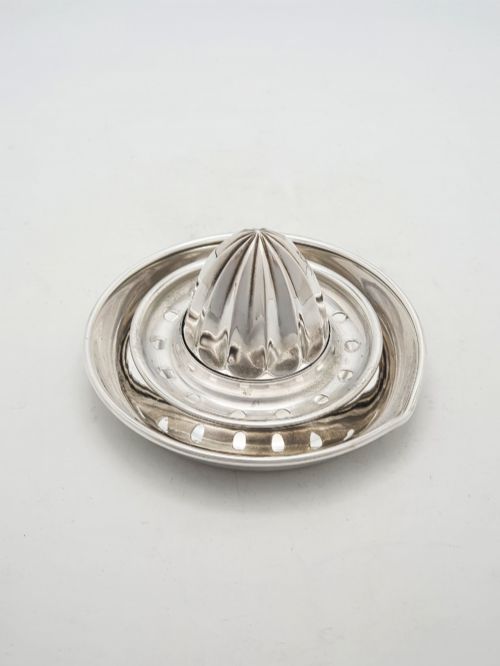
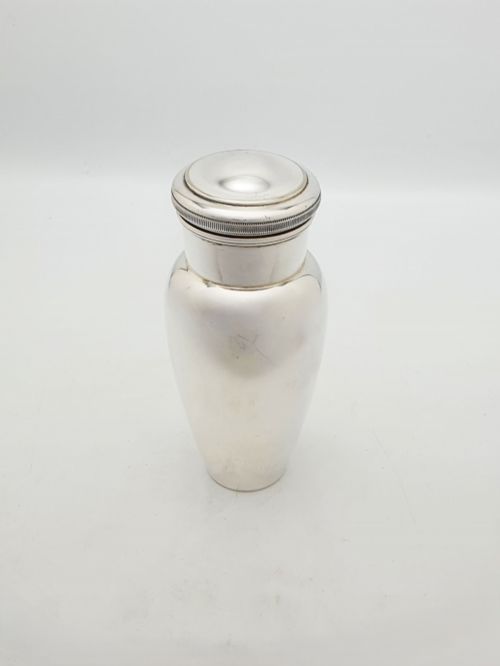
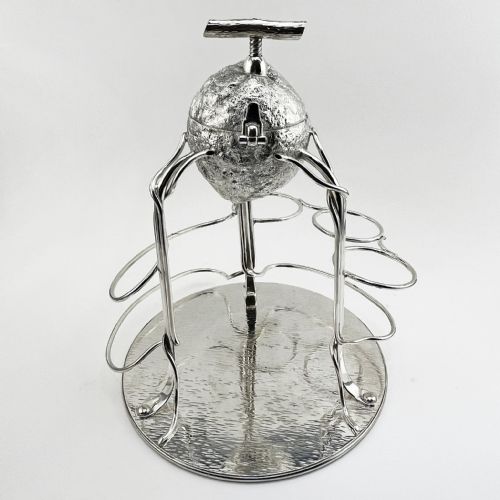
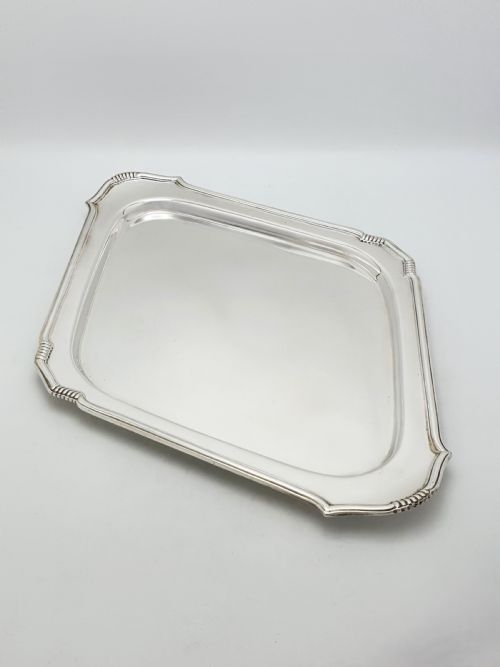
When you search for antique cocktail accessories, you encounter items designed for preparing, serving, and enjoying mixed drinks during the Edwardian era and the interwar decades. The selection centres heavily on the Art Deco period, yielding substantial silver-plated shakers, novelty fruit picks, and citrus squeezers.
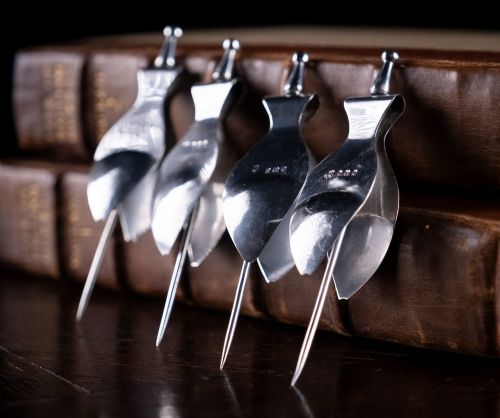
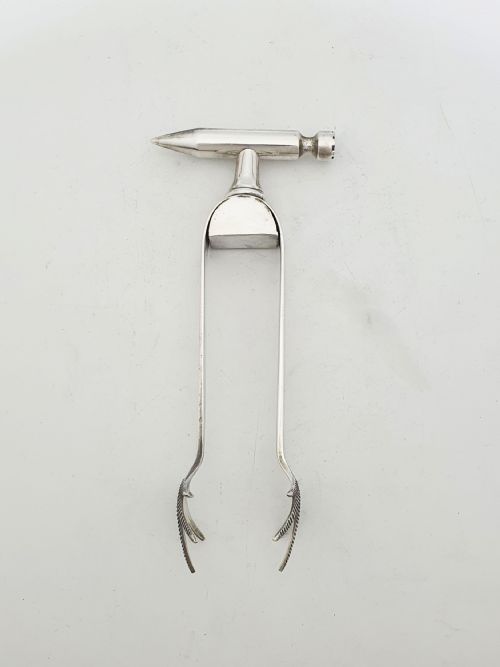
The objects take diverse forms, ranging from bachelor shakers and recipe shakers to specialised ice tongs shaped like bird claws or talons. Many surviving examples originate from British workshops and French designers, reflecting the social habits of the early twentieth century.
How they were made
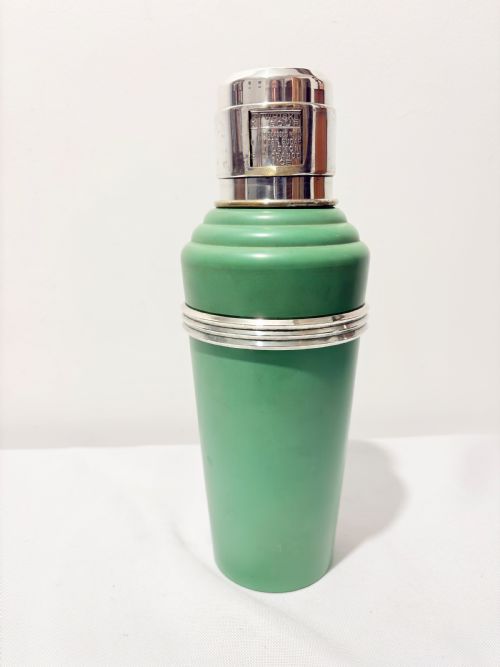
Makers shaped these pieces predominantly from silver plate, electroplated nickel silver, and sterling silver, frequently pairing metal with cut glass, enamel, and green Bakelite. Shakers and trays rely on clean metal spinning and plating techniques, while novelty items incorporate detailed casting and colourful enamel work.
Moulded glass liners and cut glass bodies provide weight and contrast to the polished metal mounts. Details like integral lemon squeezers and rolling mixer recipes demonstrate precise mechanical assembly within the barware genre.
Materials recur across sterling silver, silver plate, cut glass, enamel, and wood.
What varies in quality
The distinction between standard barware and superior pieces rests on authorship, material integrity, and the crispness of decorative detail. Marked pieces from recognised makers or specific design origins display sharper casting in novelty items and heavier gauge metal in shakers and trays.
Enamel preservation and the retention of original silver plating heavily influence the standing of an accessory. Items featuring integrated functional elements, such as working recipe cylinders or complex squeezing mechanisms, show higher ambition in execution.
Sudre·Richard Comyns·Hukin & Heath·Robert Cawley·J. B. Chatterley & Sons·James Dixon & Sons·Keith Murray·William Suckling·Angelletti·C S Green & Co·Asprey·PHV
The Antique Cocktail Accessories Glossary
- Electroplated Nickel Silver
- A base metal alloy of copper, nickel, and zinc coated with a layer of silver through electrolysis. This material allowed makers to produce durable tableware at a lower cost than solid silver.
- Bakelite
- An early form of synthetic phenol-formaldehyde plastic valued for its vibrant colours and smooth finish. It appears frequently on twentieth-century barware handles, knobs, and cocktail set fittings.
- Bachelor Shaker
- A smaller-scale cocktail shaker designed for single servings or intimate gatherings. These compact vessels date predominantly to the Art Deco period.
- Recipe Shaker
- A metal cocktail shaker featuring a revolving outer sleeve or printed markings that reveal proportions for various mixed drinks. They combine practical utility with instructional design.
Antique Cocktail Accessories: Frequently Asked Questions
What are antique cocktail accessories?
These pieces comprise functional bar tools and serving vessels created during the Edwardian period and the 1920s, 1930s, and 1940s. They include shakers, trays, squeezers, and novelty pick sets designed for entertaining.
They reflect the rising popularity of mixed drinks and home cocktail culture during the early twentieth century. Collectors prize them for both their utility and their distinct period aesthetics.
How do I date an Art Deco cocktail shaker?
Dating relies on maker's marks, registration numbers, and stylistic markers such as geometric motifs and streamlined silhouettes. Many pieces carry hallmarks or maker stamps that indicate exact decades of production.
Material choices like green Bakelite or specific silver-plating standards also help narrow down the manufacturing window. Comparative study of known designers provides further chronological context.
Were these items used for actual entertaining?
Hosts utilised these accessories to mix, strain, and serve cocktails during dinner parties and social gatherings. Lemon squeezers, ice tongs, and specialised cocktail picks were standard equipment for home bars.
Novelty items served as conversation starters while guests partook in pre-dinner drinks. Many designs successfully combined mechanical utility with whimsical sculptural forms.
How should I care for silver-plated barware?
Preservation requires gentle hand washing with mild soap and warm water followed by immediate drying. Avoid abrasive cleaning agents that can strip thin silver plating from the underlying metal.
Regular, cautious use helps maintain the patina while preventing tarnishing. Storing pieces in dry environments protects delicate enamel and Bakelite components.