





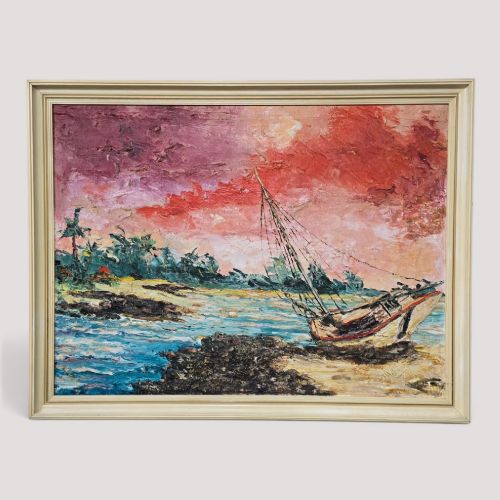
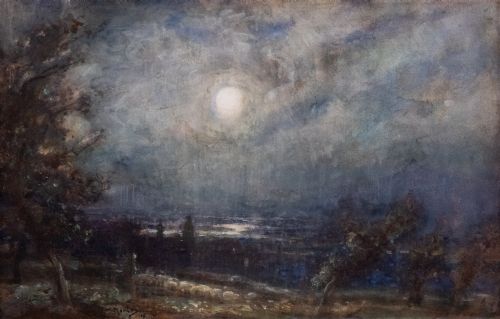
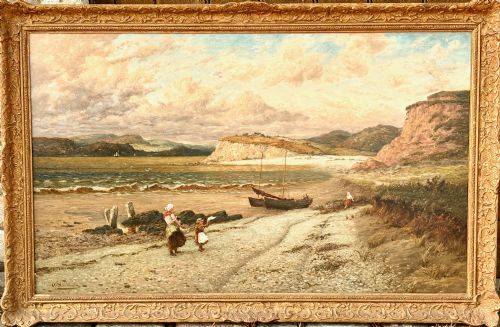
Antique Coastal Seascape
When you search for an antique coastal seascape, you uncover maritime scenes of harbours, shipping and shorelines spanning the nineteenth and twentieth centuries.
Antique Coastal Seascape
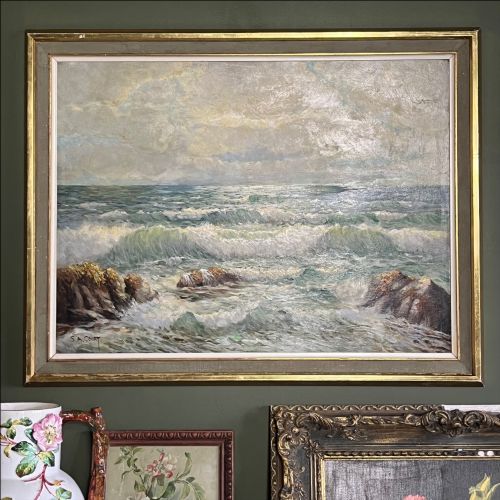
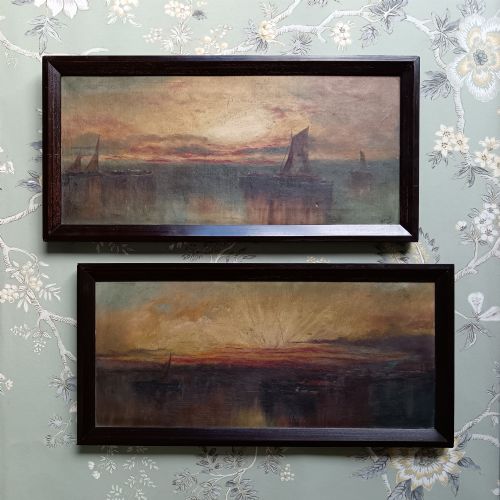
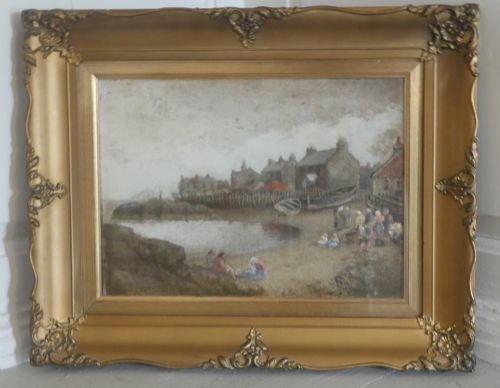
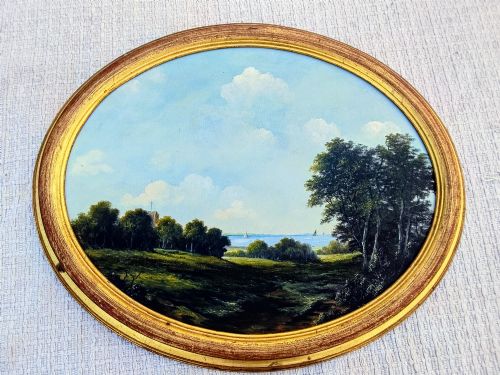
An antique coastal seascape portrays maritime life, fishing boats, and harbours across various periods from the nineteenth century into the mid-twentieth century.
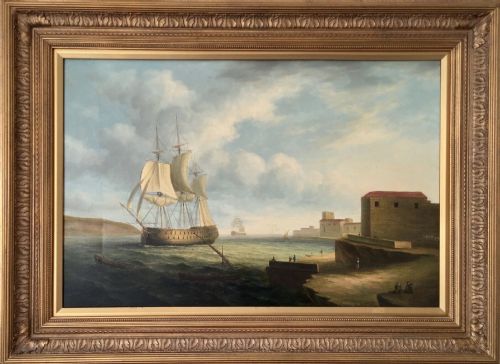
The works appear primarily as framed oil paintings on canvas or board, alongside detailed watercolours on paper depicting coastal towns and sea views.
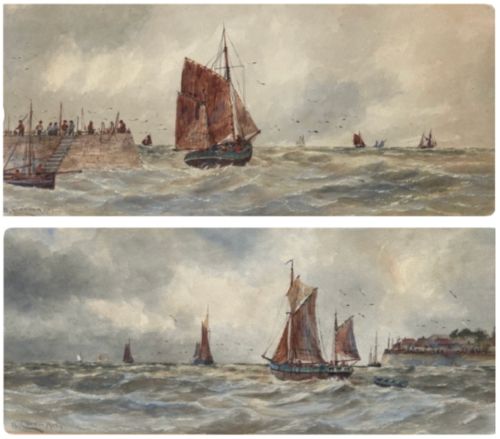
Subjects range from tranquil shorelines and moonlight coastal landscapes to dramatic scenes of vessels navigating gales near British and European ports.
Materials and Technique
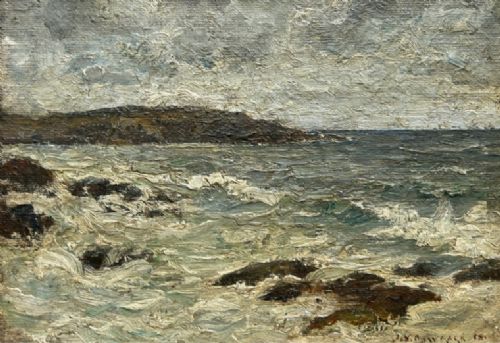
Painters utilised oil paint on canvas or wooden panel to achieve rich maritime textures, sometimes applying impasto for rocky shorelines or turbulent waves.
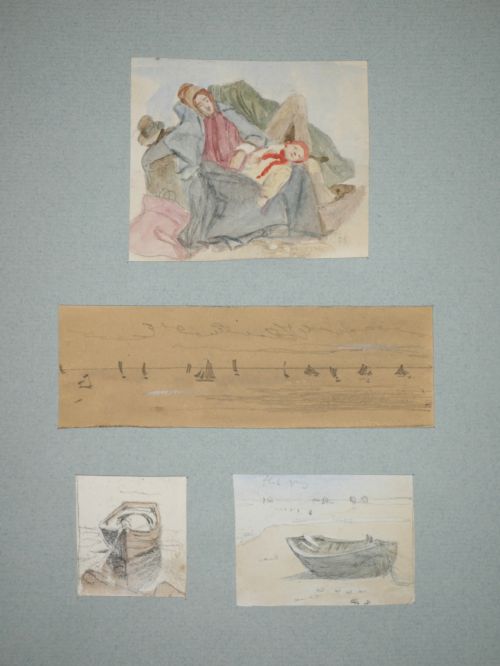
Watercolour paintings on paper capture lighter atmospheric effects, often finished with pencil underdrawing to map out coastal architecture and rigging.
Many of these works are housed in period gilt wood frames that complement the maritime composition and protect the paper or canvas beneath glass.
Antique Coastal Seascape Retail Price Guide 2026
Typical asking prices for coastal seascape among the pieces listed under this phrase on Sellingantiques today, from the lower quarter to the upper quarter. They describe what is for sale here now, not the wider market.
Represented locations span British fishing ports from Yorkshire and Cornwall to international harbours in Malta and the Netherlands.
Hand and Composition
Quality rests in the artist's handling of light, atmosphere, and maritime movement, distinguishing atmospheric sketches from stiff or formulaic harbour views.
Skilled brushwork captures the specifics of vessel rigging, coastal architecture, and changing weather conditions rather than generic sea views.
The preservation of the original paper or canvas, together with the condition of the period gilt frame, influences the standing of each piece.
James Hardy·James Orrock·William Cannon·William Banks Fortescue·Thomas William Morley·Bonaventura Peeters·Hector Caffieri·Bernard Benedict Hemy·Thomas Creswick·TB Hardy·John Wilson Carmichael·Joseph Farquharson·John Moore of Ipswich·William Matthison·William Henry Williamson·John Holland·George Stanfield Walters·Abraham Hulk I·Henry Barlow Carter·John Moxon·William Frederick Settle
The Antique Coastal Seascape Glossary
- Impasto
- Paint applied thickly to a canvas or board so that it stands out from the surface. This technique adds tactile texture to crashing waves or rocky cliffs.
- Gilt wood
- Wood carved and coated with gold leaf or gold paint to form a decorative frame. These frames frequently accompany nineteenth-century oil paintings.
- Watercolour
- A paint consisting of pigment suspended in a water-based solution, applied to paper. It creates transparent washes suited to coastal skies and sea spray.
- Marine art
- Artistic works that focus on or draw main inspiration from the sea, ships, and coastal environments. This genre encompasses both calm harbours and stormy seas.
- Panel
- A flat piece of wood used as a rigid support for oil paintings instead of canvas. Artists often utilised panels for smaller sketches and coastal studies.
Antique Coastal Seascape: Frequently Asked Questions
What periods do these seascapes come from?
The works primarily date from the nineteenth century through to the mid-twentieth century, capturing Victorian and Edwardian artistic approaches to coastal subjects.
Victorian pieces often document specific British fishing ports and shipping traffic, while later examples show shifts towards impressionistic treatments of light and sea.
How were these paintings originally displayed?
Most oil paintings and watercolours were framed behind glass or mounted in ornate gilt wood frames designed to highlight the maritime subject.
These frames protect the paper or canvas while adding architectural weight to the coastal composition when hung in domestic interiors.
Are these works signed by the artists?
Many pieces bear signatures, monograms, or studio attributions inscribed directly onto the canvas, board, or margin of the paper.
Signed works often connect the coastal view to a documented regional painter or a recognised maritime school of the period.
What subjects appear besides open water?
Artists frequently recorded human activity along the shore, including fishing boats leaving port, women gathering seaweed, and vessels at anchor near harbours.
Views frequently feature named locations such as Scarborough, Whitby, St Ives, and various European coastal towns.