







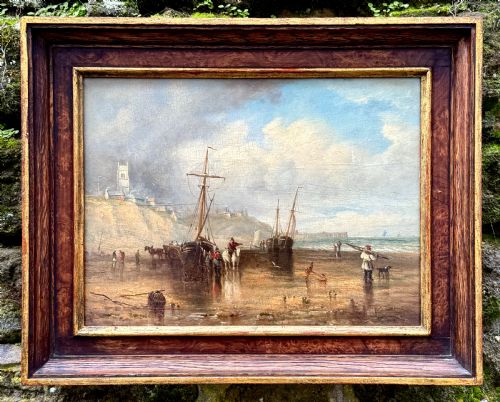
Antique Coastal Scene Painting
An antique coastal scene painting brings the atmosphere of nineteenth-century harbours and shores directly into a room.
Antique Coastal Scene Painting
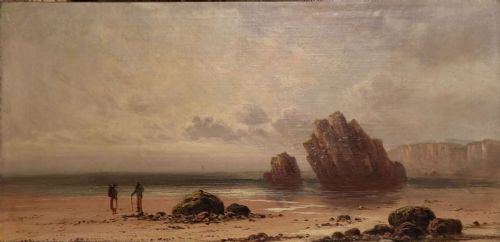
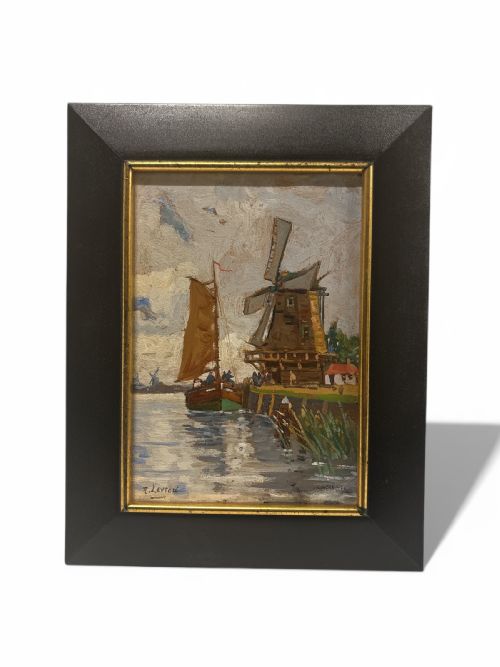
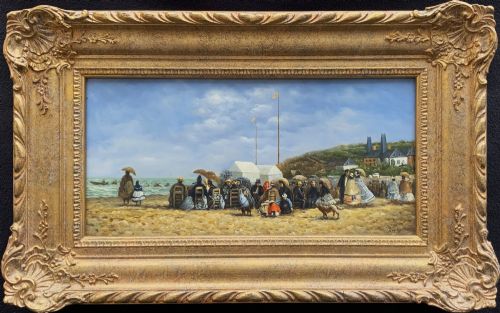
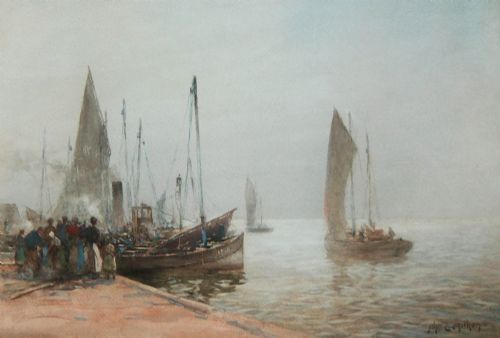
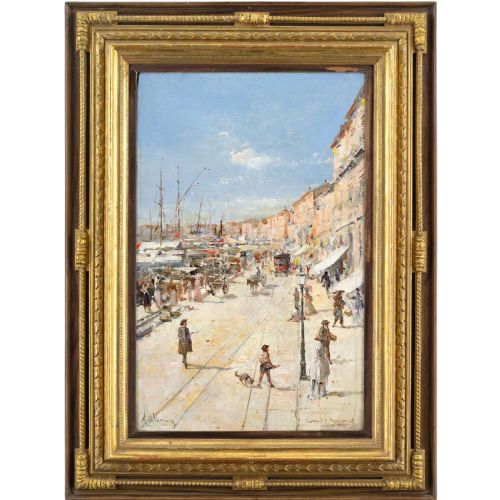
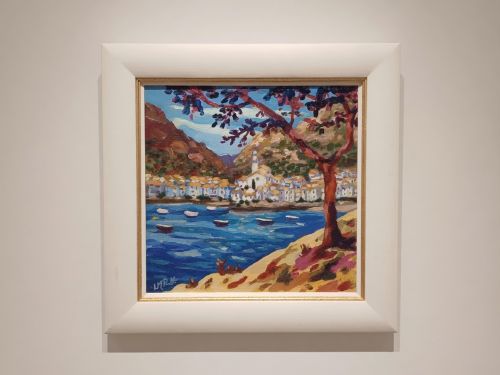
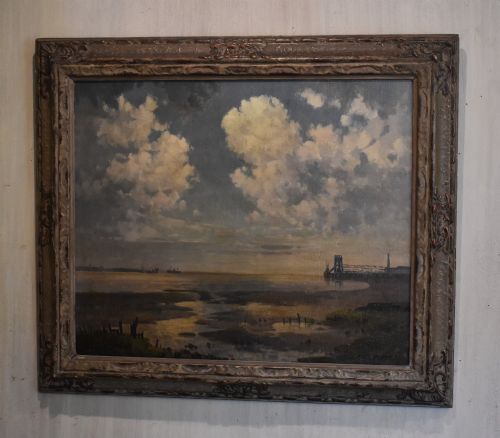
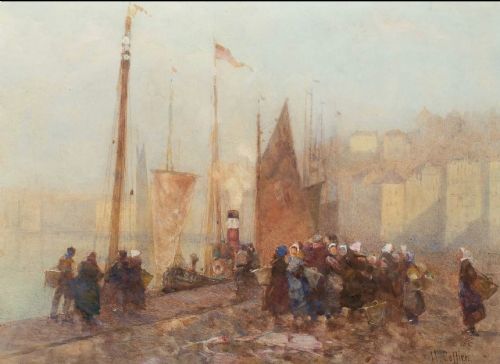
An antique coastal scene painting depicts maritime life, fishing ports, and shorelines from periods spanning the nineteenth and early twentieth centuries. These works frequently capture local harbours, such as St Ives or Whitby, alongside working vessels and figures engaged in coastal trades.
Watercolour paintings and oil paintings on canvas or board dominate the selections available. Collectors find everything from detailed depictions of North Sea havens to sunlit French riveriera watercolours.
The style often reflects British Impressionism, Victorian marine art, or the regional schools of the late nineteenth and Edwardian eras. Each piece records a distinct maritime community as artists observed it.
Materials and methods
Artists relied upon oil paint applied to canvas or wood panels, and transparent watercolours worked onto paper. Oil works allowed for rich surface texture and deep marine tones, while watercolours provided swift atmospheric effects.
Many surviving pieces retain their period frames constructed from wood and finished with gilt. These frames frequently complement the maritime subject matter through traditional decorative moulding.
Artists frequently painted women mending fishing nets on the shore, seemingly unfazed by the incoming tide.
Assessing the work
Quality rests in the artist's command of light, weather, and water movement. Superior pieces convey the specific atmosphere of a tide, the weight of a fishing boat, or the salt air of a northern haven with conviction.
The precision of the draftsmanship and the harmony of the palette separate accomplished professional works from ordinary topographical records. Strong handling of figures and rigging indicates an artist thoroughly familiar with maritime subjects.
James Orrock·James E. Aitken·William Banks Fortescue·Augusto Alberici·Hector Caffieri·Thomas Creswick·Charles Euphraisie Kuasseg·Alfred G. Morgan·Abraham Cooper·Joseph Farquharson·Carlo Ferranti·John Holland·Bernard Benedict Hemy·Frank Kelsey·Abraham Hulk I·George F Pennington·Paul Delvaux·William Edward Webb·Richard Harry Carter·William Lee Hankey·George Turland Goosey·Gustave De Bréanski·James Kyd·Arthur Tucker·Thomas Bush Hardy
The Antique Coastal Scene Painting Glossary
- Seascape
- A work of art depicting the sea, coastal waters, or marine views. These compositions often include shipping, cliffs, and shorelines.
- Lugger
- A small fishing vessel rigged with lug sails, commonly seen in British and French coastal artworks. They formed the backbone of nineteenth-century inshore fishing fleets.
- Gilt wood
- Wood covered with a thin layer of gold leaf or gilt paint. This finish was standard for framing fine art during the Victorian period.
- Impressionism
- An art movement characterised by relatively small, thin, yet visible brush strokes and an emphasis on accurate depiction of light. In coastal works, it captures shifting weather and bright reflections on water.
Antique Coastal Scene Painting: Frequently Asked Questions
How do I date an antique coastal scene painting?
Dating relies upon stylistic clues, artist signatures, and framing materials. Victorian works often show detailed narrative focus, while early twentieth-century pieces lean towards looser impressionistic brushwork.
Examining the canvas preparation, stretcher frames, and paper stock provides further chronological markers. Archive records and artist lifespan dates help narrow the period down precisely.
What is the difference between watercolour and oil paintings here?
Watercolour paintings use water-soluble pigments on paper, creating luminous, transparent effects that suit bright harbour views. They are typically mounted behind glass to protect the delicate surface.
Oil paintings utilise pigments bound in drying oil applied to canvas or wood panels. This medium offers deeper textures and richer colour layering suited to stormy seas and nocturnal scenes.
Where were most of these coastal scenes painted?
Artists worked across notable fishing ports and coastal retreats in Britain, France, and the Netherlands. Popular locations included Cornish fishing villages like St Ives alongside northern harbours and channel ports.
Continental destinations such as the French Riviera and Dutch canals also appear frequently. Painters travelled extensively to capture authentic maritime labour and local craft.
How should I display an antique painting at home?
Hang the artwork away from direct sunlight and steady heat sources to protect oil surfaces and paper watercolours. Stable room humidity prevents wood panels and gilt frames from warping or cracking.
Ensure the wall fixings match the weight of the framed piece, particularly with large nineteenth-century canvases. Proper lighting from an adjustable picture lamp highlights the brushwork without generating excessive heat.