

Antique Club
These pieces known as antique club span deep seating and library furnishings built for comfort across the nineteenth and twentieth centuries.
Antique Club
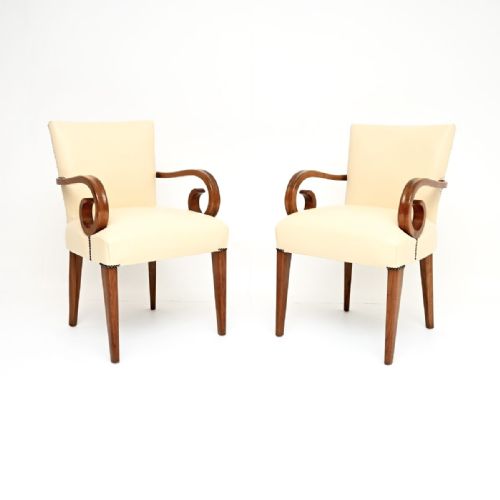
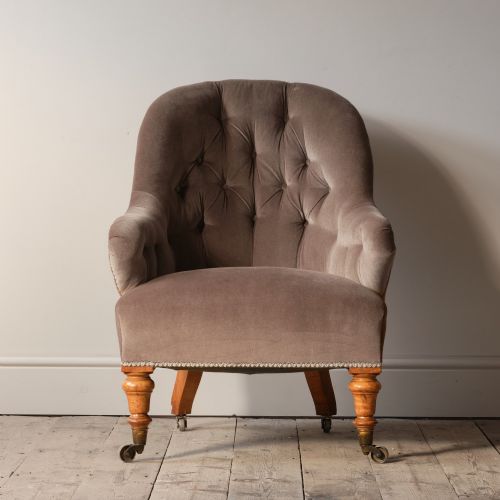
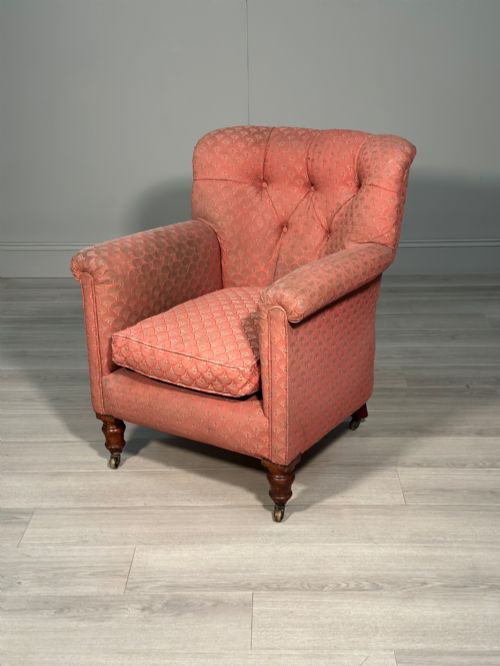
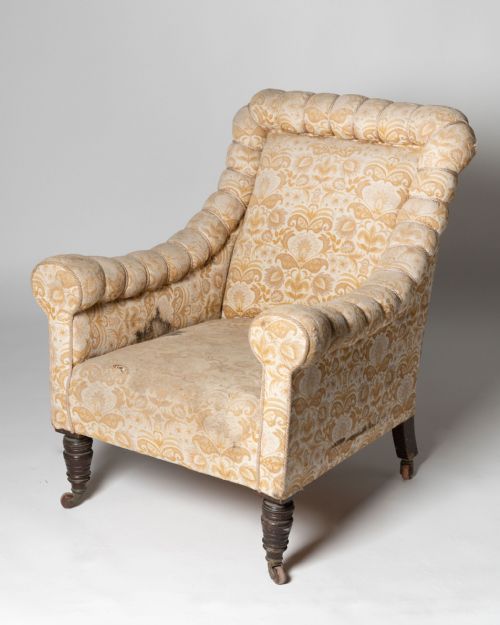
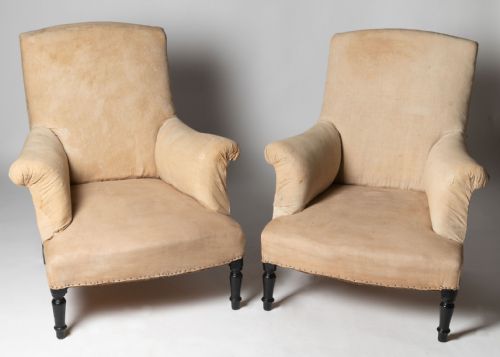
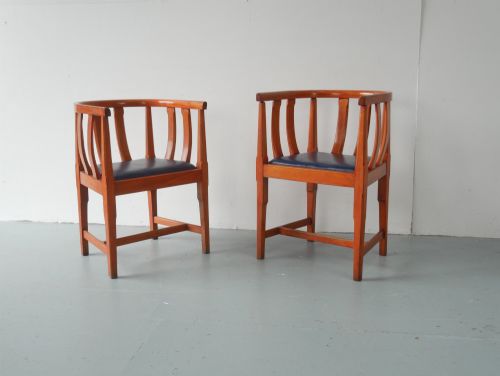
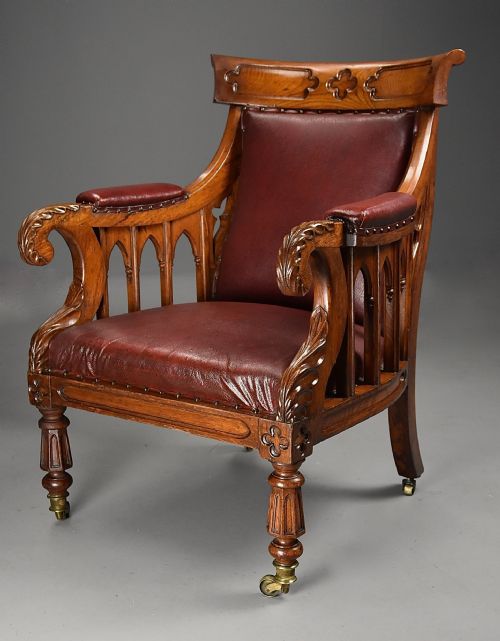
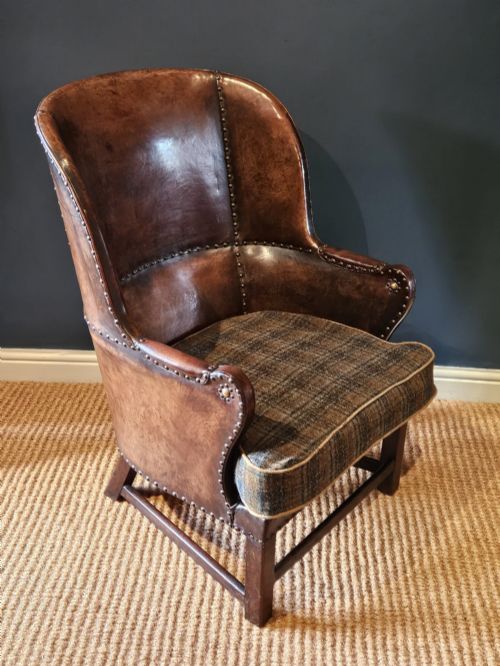
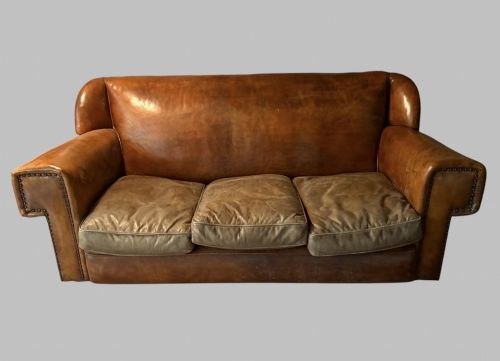
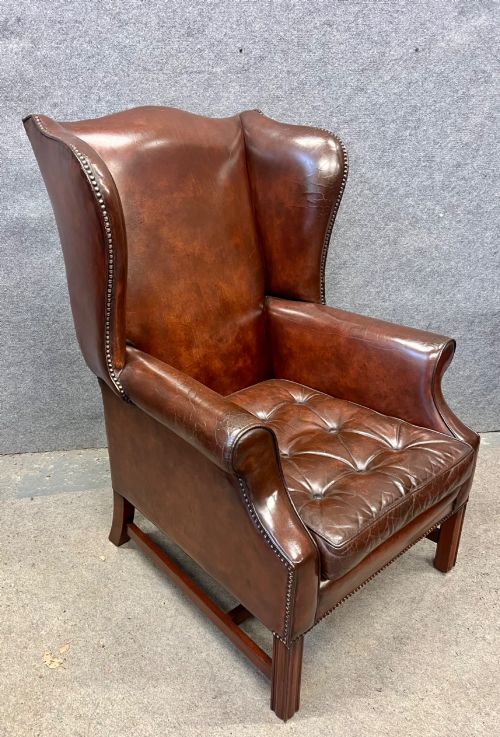
When searching for an antique club piece, buyers encounter heavy leather armchairs, deep library seats, and low-slung lounging chairs originating from Victorian, Edwardian, and Art Deco periods. These forms were designed for smoking rooms, libraries, and country house hearths where relaxation took precedence over formal posture.
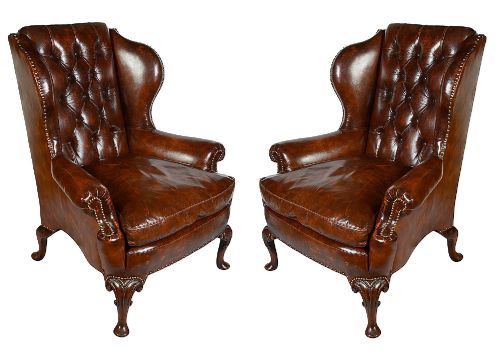
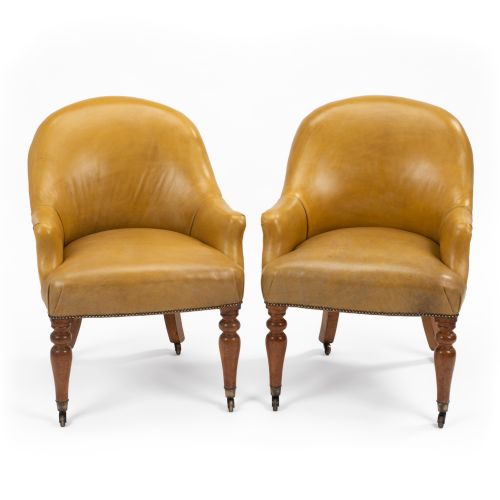
The most common version met on this page is the low, deep-seated leather armchair or Chesterfield, often framed in mahogany, oak, or beech. Pairs appear frequently alongside single fireside chairs and club fenders built in brass and leather.
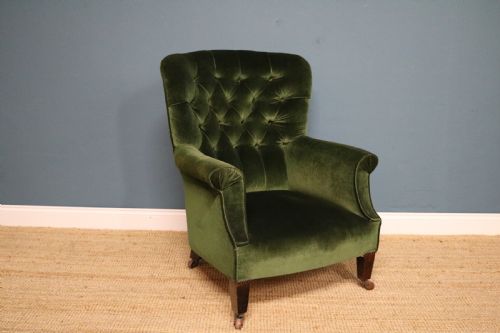
Origins stretch across English, French, and Scottish workshops, utilising traditional joinery and sturdy timber frames that survive heavy daily use. Pieces span the 1880s through the 1930s, showing shifts from button-backed Victorian upholstery to smooth French Art Deco curves.
Materials and methods of construction
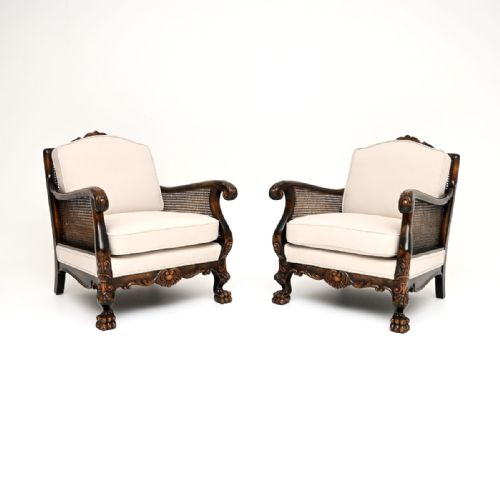
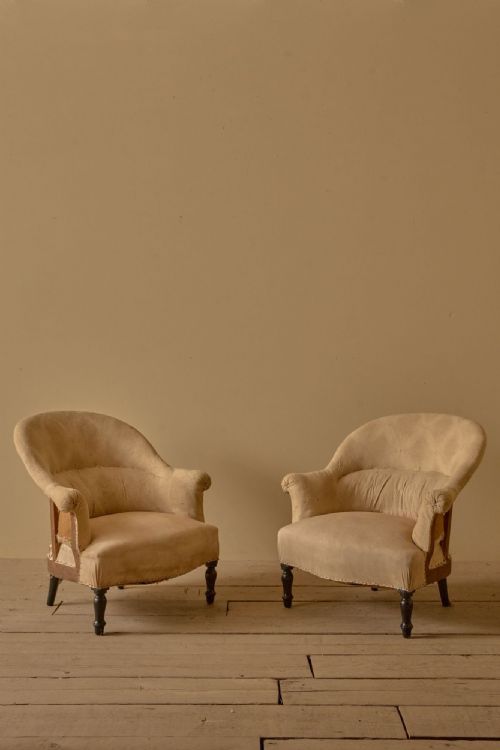
Frames rely on dense hardwoods such as mahogany, oak, beech, and satin birch, providing structural rigidity for deep seating. Leather, hessian, velvet, and linen fabric form the upholstery surfaces, often secured with brass tacks.
Traditional stuffing and springing support the deep cushions, while turned or tapered wooden legs elevate the heavy upholstered bodies. Metal components appear principally in brass club fenders and decorative nailhead trim.
Antique Club Retail Price Guide 2026
Typical asking prices for club among the pieces listed under this phrase on Sellingantiques today, from the lower quarter to the upper quarter. They describe what is for sale here now, not the wider market.
Rugby players from Glasgow preserved their triumphs on silver braid between 1925 and 1929.
Distinctions in quality
The standard of timber framing and the depth of the internal springing dictate the underlying integrity of each seat. Heavier hardwood frames and substantial joinery separate robust library chairs from lighter decorative seating.
The grade of leather and the execution of hand-stitched buttoning or textile re-upholstery define the finish. Subtleties in wood turning, such as tapered mahogany legs or carved oak details, mark out the more considered commissions.
Howard And Sons·Whytock And Reid·Rowan Glasgow
The Antique Club Glossary
- Chesterfield
- A deep-buttoned upholstered sofa or armchair characterised by arms and back of the same height. This form emerged in British domestic interiors during the nineteenth century.
- Club fender
- A low brass or iron frame with upholstered leather seats flanking a fireplace hearth. These structures provided auxiliary seating in nineteenth and early twentieth century rooms.
- Tub chair
- An armchair with a rounded, enclosed back that curves continuously into the arms. These seats offer a compact profile while maintaining deep upholstered comfort.
- Rexine
- A brand of leathercloth made from fabric coated with nitrocellulose. It appears as an alternative upholstery material on twentieth century seating.
Antique Club: Frequently Asked Questions
What defines an antique club armchair?
These armchairs are characterised by deep, low seats and generous padding intended for relaxed lounging rather than formal sitting. They typically utilise heavy leather or fabric upholstery over sturdy hardwood frames.
Most examples date from the Victorian period through to the 1930s, reflecting shifts in domestic comfort across English, French, and Scottish workshops.
How do club fenders work?
Club fenders are low perimeter seats constructed around a fireplace hearth, combining a metal frame with leather-topped cushions. They allowed people to sit close to the fire while keeping drafts away from the lower body.
Materials commonly include brass and oak, matched with buttoned leather surfaces that mirror the upholstery of nearby armchairs.
Where were these pieces used?
Original locations included gentleman's clubs, private libraries, smoking rooms, and country house drawing rooms. Their robust construction suited spaces dedicated to reading, conversation, and fireside relaxation.
Today, these chairs and tables transition easily into modern living spaces, serving as focal points in studies or sitting rooms.
How do I distinguish Victorian from Art Deco pieces?
Victorian pieces generally feature dark hardwoods, button-backed leather, and scrolled arms designed for traditional interiors. They emphasise heavy proportions and elaborate joinery.
Art Deco items, arriving by the 1920s and 1930s, introduce streamlined silhouettes, satin birch, and smooth leather surfaces influenced by French and Swedish design trends.